Healthy Bottled Coffee Drinks are convenient options often formulated with less sugar, natural ingredients, and high-quality coffee for a better-for-you pick-me-up.
Navigating the bustling aisles of your local grocery store, you might wonder if those ready-to-drink coffee beverages can truly align with your wellness goals. As someone who has spent years exploring the nuances of food and beverage trends, especially in the realm of convenient yet healthy choices, I can tell you that the market for healthy bottled coffee drinks has transformed. It's no longer just about a quick caffeine fix; it’s about mindful consumption, quality ingredients, and making smart choices that fuel your day without unnecessary additives. This article will dive deep into what makes these drinks a healthy option, what to look for, and how to pick the best ones for your lifestyle.
What Makes a Bottled Coffee "Healthy"?
When we talk about a "healthy" bottled coffee drink, we're really focusing on a few key factors that set it apart from its sugary, additive-laden counterparts. At its core, a healthy option minimizes elements known to detract from well-being, such as excessive added sugars and artificial ingredients, while maximizing beneficial components like high-quality coffee and natural flavorings. This means prioritizing ingredients that support your body, not just provide a temporary energy surge.
It's all about balance and conscious formulation. Think of it this way: a truly healthy bottled coffee isn't just a caffeine delivery system; it's a beverage designed to offer a clean energy boost and potentially provide other nutritional benefits, whether it's from the type of milk used or additional functional ingredients. My personal journey with healthier eating often leads me to scrutinize labels, and with coffee, it's no different. I've found that the best choices are often the simplest ones, focusing on the coffee itself and minimal, natural additions.
Key Attributes to Look For
- Low Added Sugar: This is perhaps the most critical factor. Many conventional bottled coffees are loaded with sugar, turning a simple coffee into a dessert. Look for options with single-digit grams of added sugar per serving, or better yet, those sweetened naturally with alternatives like stevia, monk fruit, or a tiny touch of maple syrup.
- Real, Understandable Ingredients: Can you pronounce everything on the label? Healthy bottled coffee drinks typically feature a short list of recognizable ingredients: coffee, water, milk or milk alternative, and perhaps a natural sweetener or flavor. Avoid artificial flavors, colors, and preservatives.
- High-Quality Coffee: The base matters! Many healthy options use cold brew coffee, which is naturally smoother, less acidic, and often perceived to have a richer flavor. Organic or ethically sourced beans can also be a sign of a commitment to quality.
- Nutrient-Dense Additions: Some healthy bottled coffee drinks incorporate plant-based milks like almond, oat, or coconut milk, which can add healthy fats or fiber. Others might include adaptogens or functional mushrooms, though it's always good to research these additions to see if they align with your needs.
Benefits of Choosing Healthy Bottled Coffee Drinks
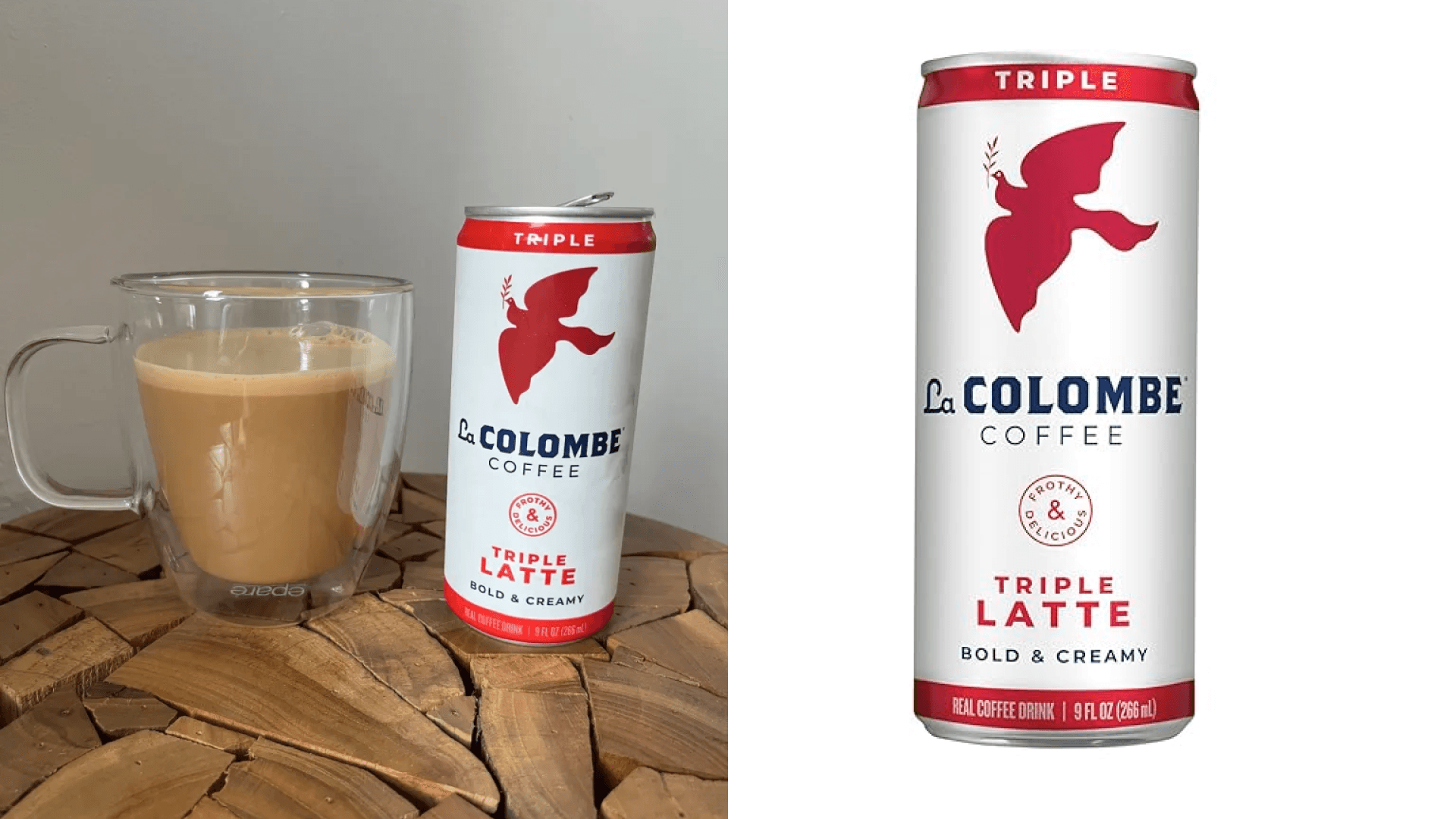
Opting for healthy bottled coffee drinks offers a variety of advantages that extend beyond just convenience. For many of us living fast-paced lives, the ease of grabbing a pre-made, well-formulated beverage can be a game-changer. But the benefits truly shine when these drinks are crafted with health in mind, providing a guilt-free way to enjoy your daily dose of java.
One of the biggest plusses, from my experience, is the controlled portions and nutritional transparency. When you brew your own coffee, it's easy to add too much sugar or cream without realizing it. Bottled options, especially the healthy ones, pre-measure everything, making it simpler to track your intake. This precision can be incredibly helpful for managing calories or sugar intake throughout the day, aligning perfectly with a conscious eating strategy.
Convenience Meets Conscious Consumption
- Time-Saving: Healthy bottled coffee drinks are ready to drink, eliminating the need for brewing, measuring, and cleaning up. This is invaluable for busy mornings or when you need a quick pick-me-up on the go.
- Portion Control: As mentioned, these drinks come in pre-portioned servings, helping you avoid overconsumption of sugar, calories, or even caffeine. It takes the guesswork out of making a healthy choice.
- Consistent Quality: Reputable brands offering healthy bottled coffee drinks ensure a consistent taste and quality, so you know exactly what you're getting every time. No more guessing if your homemade brew will hit the mark.
- Better Ingredient Control: Many healthy options prioritize natural, minimal ingredients. This means you can easily find beverages free from artificial sweeteners, unhealthy fats, and excessive added sugars, which are common in traditional ready-to-drink coffees.
- Targeted Nutritional Benefits: Some healthy bottled coffee drinks are fortified with plant-based proteins, fiber, or even adaptogens, offering more than just a caffeine boost. They can be a way to sneak in extra nutrients while enjoying your coffee.
Ingredients to Look For (and Avoid)
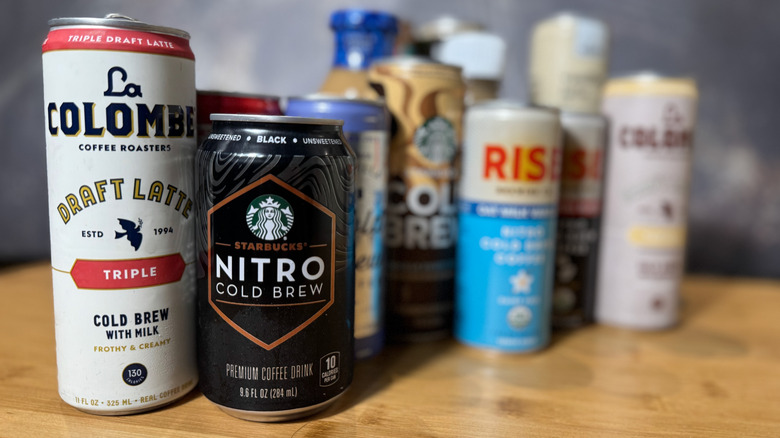
When you're trying to make the best choices for your health, becoming a label detective is essential, especially with healthy bottled coffee drinks. It's not just about the calorie count; it's about the quality and type of ingredients that make up that count. Knowing what to seek out and what to steer clear of can drastically improve your healthy bottled coffee experience and impact your overall well-being.
I always tell my friends, "If you can't pronounce it, or it sounds like something from a chemistry lab, think twice!" This rule of thumb is particularly relevant here. A truly healthy bottled coffee drink will have a straightforward list of components that you recognize and trust. Let's break down the good and the not-so-good so you can shop smarter.
Smart Choices for Your Sipping Pleasure
- Whole Coffee Beans (or Cold Brew): Prioritize drinks made with real coffee beans, ideally cold brew, which offers a smoother, less acidic profile. This indicates a focus on flavor and quality from the start.
- Natural Sweeteners (in moderation): Look for unsweetened options first. If you prefer a touch of sweetness, natural sources like a tiny bit of cane sugar, maple syrup, dates, stevia, or monk fruit are preferable. The key word here is "moderation."
- Plant-Based Milks: Almond milk, oat milk, and coconut milk are popular choices that can add creaminess without dairy. Check for unsweetened versions of these milks within the coffee drink to avoid hidden sugars.
- Natural Flavors: If flavored, look for natural extracts like vanilla bean, cinnamon, or cocoa powder. These add depth without artificiality.
Ingredients to Approach with Caution
- High Fructose Corn Syrup (HFCS) and Sucrose: These are often primary culprits for excessive added sugars in many non-healthy bottled coffee drinks. They provide empty calories and can contribute to energy crashes.
- Artificial Sweeteners: Aspartame, sucralose, and saccharin might reduce calorie counts, but many people prefer to avoid them due to potential health concerns or simply an artificial taste.
- Artificial Flavors and Colors: These offer no nutritional value and are often used to mask lower-quality ingredients. A truly healthy bottled coffee drink should get its flavor from natural sources.
- Hydrogenated or Partially Hydrogenated Oils: These indicate trans fats, which are detrimental to heart health. They are sometimes found in creamy coffee drinks to improve texture and shelf stability.
- Excessive Additives and Stabilizers: While some stabilizers are harmless, a long list of unfamiliar ingredients often suggests a highly processed product rather than a whole-food-focused one.
Top Picks for Healthy Bottled Coffee Drinks
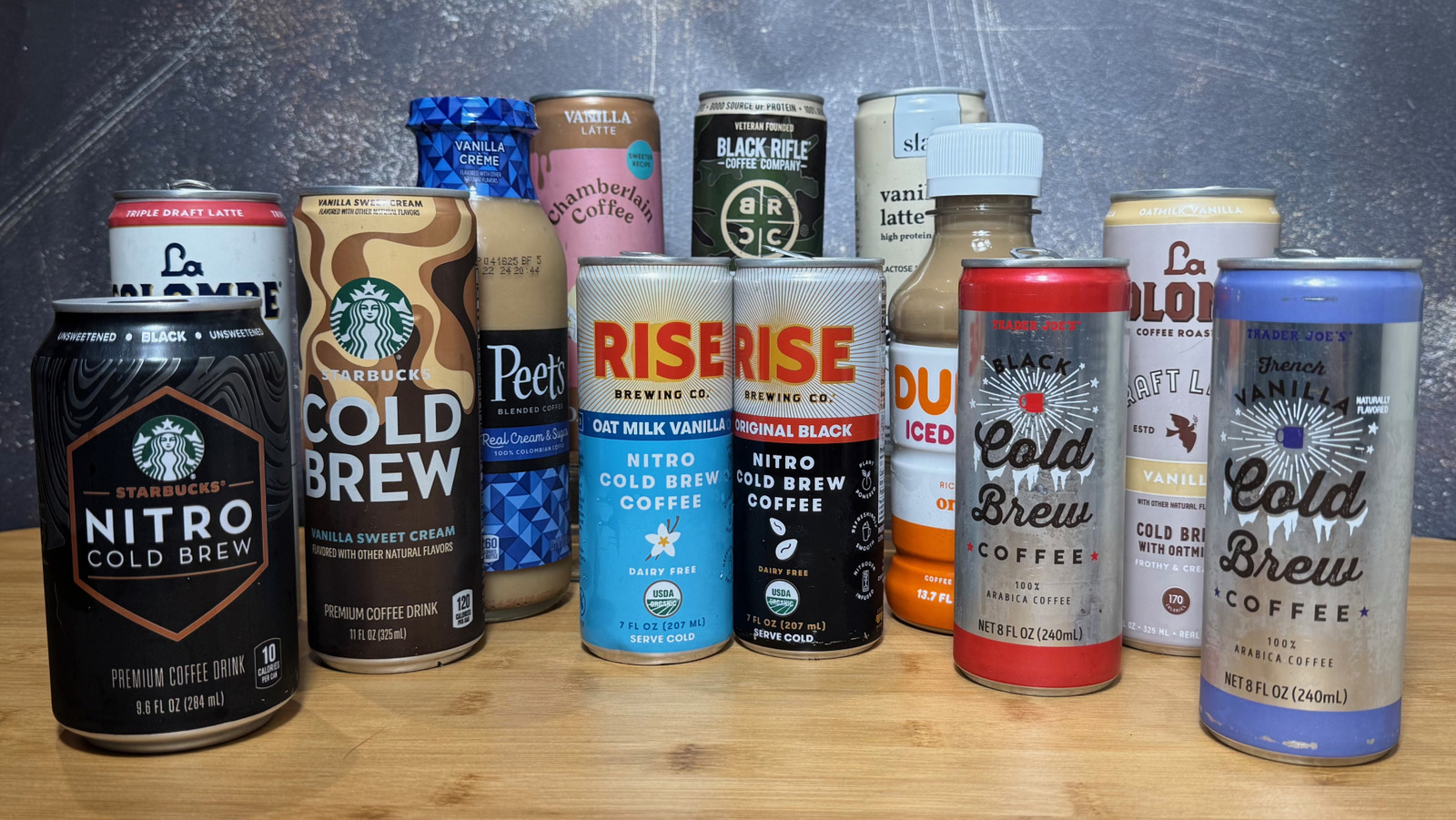
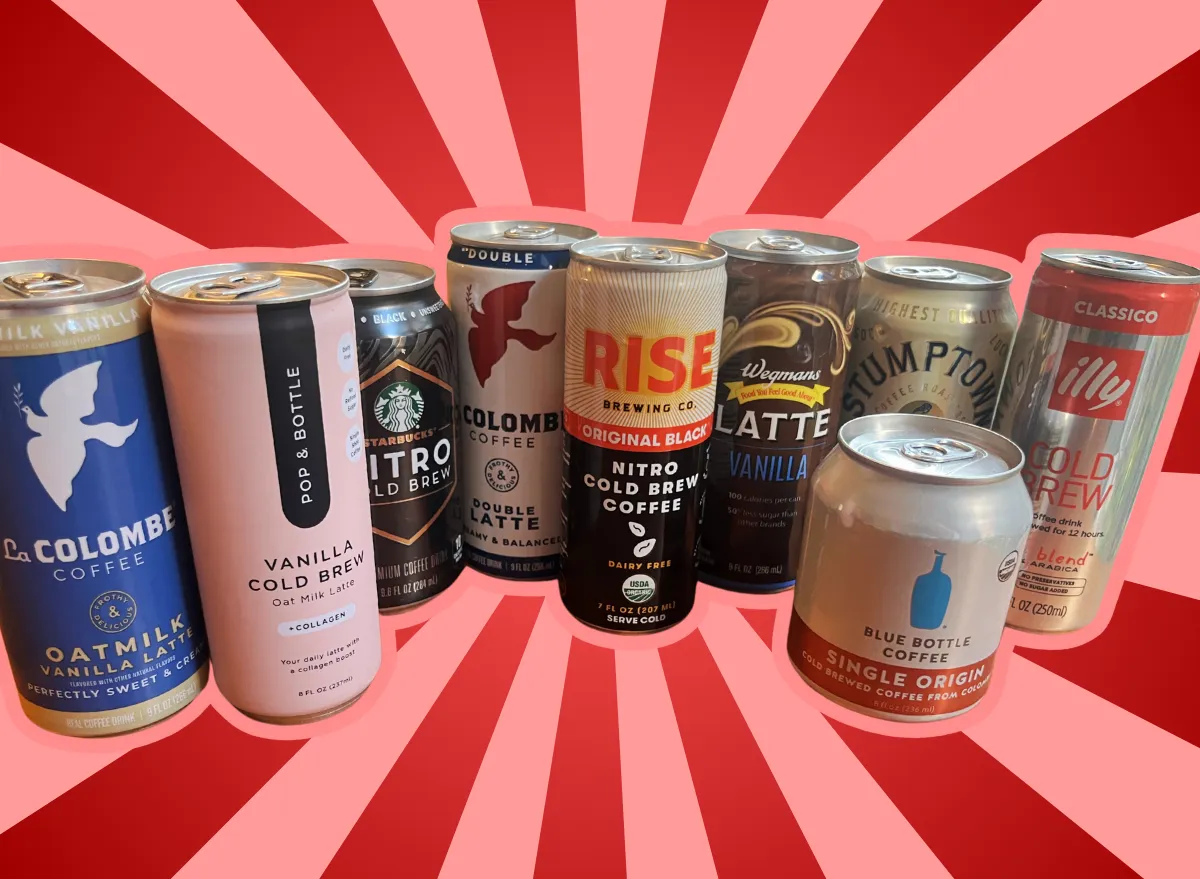
Finding the perfect healthy bottled coffee drink can feel like searching for a needle in a haystack, given the sheer volume of options available. However, based on my extensive experience taste-testing and scrutinizing ingredient labels, there are definitely some standouts that consistently deliver on both health and flavor. These brands and types often prioritize clean ingredients, sensible sweetness, and quality coffee, making them excellent choices for your daily routine.
When I recommend healthy bottled coffee drinks, I always emphasize variety and personal preference. What tastes great to one person might not to another, but the underlying principles of low sugar and natural ingredients remain universally good. I've seen a surge in innovations, from nitrogen-infused cold brews to oat milk lattes, all vying for the attention of the health-conscious consumer.
Brands and Types That Hit the Mark
- Unsweetened Cold Brews: Many brands now offer plain, unsweetened cold brew in bottles or cans. These are fantastic because they give you the flexibility to add your own preferred sweetener (or none at all) and milk. Look for those made with single-origin beans for a unique flavor profile.
- Why they're great: Zero added sugar, smooth taste, highly customizable.
- Oat Milk Lattes with Minimal Sweetener: Oat milk has become a star in the plant-based milk world due to its creamy texture. Several brands now offer healthy bottled coffee drinks as oat milk lattes that are lightly sweetened with natural sugars like dates or maple syrup, or even unsweetened versions.
- Why they're great: Dairy-free, creamy, often lower in saturated fat than traditional milk lattes, and can be very low in added sugar.
- Black Coffee with Functional Ingredients: Some healthy bottled coffee drinks integrate beneficial ingredients like adaptogens (e.g., ashwagandha, reishi) or MCT oil. These are usually unsweetened or very lightly sweetened and offer an extra boost beyond just caffeine.
- Why they're great: Offers potential additional health benefits, often low in calories and sugar.
- Ready-to-Drink Protein Coffees (Carefully Chosen): While many protein coffees can be loaded with artificial ingredients, some emerging brands are using clean protein sources (like grass-fed whey or pea protein) and natural sweeteners. Always read the label carefully here.
- Why they're great: Provides protein for satiety and muscle support, alongside caffeine.
When making your selection of healthy bottled coffee drinks, remember to consider not just the brand, but the specific product line. Even within a "healthy" brand, there might be options with more sugar or different ingredients. Always take a moment to read the nutrition facts and ingredient list before you buy.
Making Smart Choices: Reading Labels
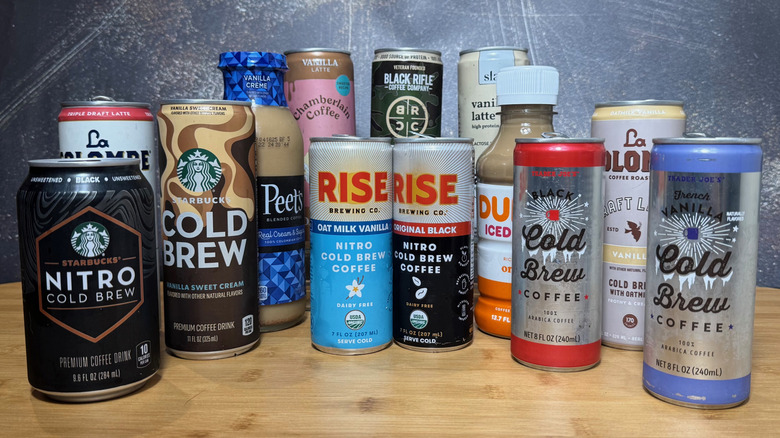
Understanding how to read food labels effectively is a superpower, especially when it comes to selecting healthy bottled coffee drinks. It's easy to be swayed by front-of-package claims like "natural" or "low-calorie," but the real story lies in the fine print on the back. My journey into healthy eating truly took off when I committed to deciphering these labels, and it's a skill I believe everyone should cultivate for making informed choices.
Many times, a product might seem healthy because it's coffee, but a quick glance at the "Nutrition Facts" panel can reveal a surprisingly high amount of added sugars or questionable ingredients. The key is to look beyond marketing hype and focus on the data. For healthy bottled coffee drinks, specifically, there are a few critical areas on the label that deserve your immediate attention.
Key Label Areas to Scrutinize
- Serving Size: This is foundational. All the nutritional information listed pertains to one serving. Many bottled coffee drinks contain more than one serving, meaning you'd need to multiply all the listed values if you consume the whole bottle. Be mindful of this to get an accurate picture of what you're consuming.
- Added Sugars: This is arguably the most important metric for healthy bottled coffee drinks. The FDA now requires "Added Sugars" to be listed separately from total sugars. Aim for options with very low or zero added sugars. Remember that even natural sugars like honey or maple syrup are counted as "added" if they're put into the product.
- Total Sugars: This includes naturally occurring sugars (like lactose in milk) and added sugars. While naturally occurring sugars aren't typically a concern, the "added sugars" number is where you want to focus your reduction efforts.
- Ingredients List: Ingredients are listed in descending order by weight. This means the first few ingredients make up the largest portion of the product. Look for healthy bottled coffee drinks where coffee, water, and a simple milk or milk alternative are at the top, and where artificial ingredients are absent or very far down the list.
- Fats: Pay attention to saturated fat, especially if the drink contains dairy or coconut products. While some healthy fats are good, excessive saturated fat can be a concern. Trans fats (listed as "partially hydrogenated oils" in ingredients) should be avoided entirely.
- Sodium: While usually not a primary concern for coffee drinks, some flavored versions or those with added ingredients might have higher sodium levels.
- Caffeine Content: Healthy bottled coffee drinks can vary significantly in their caffeine levels. If you're sensitive to caffeine or monitoring your intake, check this number. A standard cup of coffee is around 95 mg, but some bottled cold brews can easily contain 200-300 mg or more.
By systematically reviewing these sections of the label, you can quickly assess whether a healthy bottled coffee drink truly aligns with your dietary goals. It's a small investment of time that pays off in healthier choices.

Frequently Asked Questions about Healthy Bottled Coffee Drinks
Are all bottled coffees unhealthy?
No, not all bottled coffees are unhealthy. Many brands now offer "healthy bottled coffee drinks" specifically formulated with less added sugar, natural ingredients, and high-quality coffee, distinguishing them from traditional, sugar-laden options.
What should I look for to ensure a bottled coffee is healthy?
To ensure a bottled coffee is healthy, check the label for low or zero added sugars, a short list of natural ingredients (like real coffee, water, and plant-based milks), and the absence of artificial flavors or sweeteners.
Can I drink healthy bottled coffee drinks every day?
Yes, you can generally drink healthy bottled coffee drinks every day, especially those with minimal sugar and natural ingredients, as part of a balanced diet, provided you are mindful of your total caffeine intake.
Do healthy bottled coffee drinks contain a lot of caffeine?
The caffeine content in healthy bottled coffee drinks varies widely by brand and type; cold brew options tend to have higher caffeine levels, so always check the nutrition label if you are monitoring your intake.
Are plant-based milks in bottled coffee drinks always healthier?
Plant-based milks in bottled coffee drinks can be a healthier alternative to dairy for many, but it's important to choose options that are unsweetened or minimally sweetened to avoid extra sugars.
Conclusion
Embracing the world of healthy bottled coffee drinks means unlocking a convenient, delicious, and mindful way to enjoy your daily caffeine ritual. By focusing on factors like low added sugar, real ingredients, and transparent labeling, you can easily navigate the vast array of options and select beverages that truly support your well-being. This journey isn't just about choosing a drink; it's about making an informed decision that aligns with a healthier lifestyle, offering that perfect balance of energy and nutritional integrity without compromise. So, the next time you're reaching for a ready-to-drink coffee, empower yourself with the knowledge to pick a truly healthy bottled coffee drink that tastes great and fuels your day. Dive deeper into ingredient lists, explore new brands, and discover your new favorite healthy pick-me-up!