Both shine: Arabica is a species; Colombian highlights origin, balance, and brightness.
I’ve had to settle the arabica coffee vs colombian debate many mornings. You see Arabica covers a whole species, while Colombian points to where it’s grown. Both brew a great cup, but they deliver different strengths. I tested each in my drip maker, pour-over, and French press to help you choose. Below, I share what stood out and who each suits best in the arabica coffee vs colombian matchup.
Is Arabica coffee Good?
Yes—especially if you like smooth, sweet, and low-bitterness coffee. Arabica coffee is a safe daily pick. It is great for drip, pour-over, or French press. If you want a mellow cup that still has aroma and nuance, Arabica nails it. It also works well if you take milk, since it stays gentle and silky.
In my kitchen tests, Arabica was my weekday workhorse. I brewed a medium-roast Arabica for a 7 a.m. meeting and got a clean, cocoa-leaning cup that stayed kind to my stomach. On weekends, I used it as a base for iced coffee. Even diluted, it kept its soft sweetness. In the arabica coffee vs colombian face-off, Arabica won for ease and everyday comfort.

What Makes It Stand Out / Key Features
- 100% Arabica beans for smooth taste and low bitterness
- Medium roast profile for balance and everyday drinking
- Ground format for quick, consistent home brewing
- Versatile across drip, pour-over, and French press
- Gentle acidity with sweet cocoa and nut hints
What I Like
- Very forgiving to brew; hard to mess up
- Smooth and sweet without harsh edges
- Great base for milk drinks and iced coffee
- Works well for guests with mixed tastes
- Reliable cup when you want comfort over surprise
What Could Be Better
- Ground coffee loses aroma faster once opened
- Less “wow” factor than distinct single-origin lots
- Medium body may feel too light for espresso lovers
My Recommendation
If you want a smooth, daily coffee with low bitterness, pick Arabica. It’s easy to brew, consistent, and a solid value online.
| Best For | Why |
|---|---|
| Daily drip and pour-over | Smooth, balanced taste that stays consistent |
| Milk and iced drinks | Sweet notes hold up with milk and dilution |
| Beginner brewers | Forgiving extraction and low bitterness |
Is Colombian coffee Good?
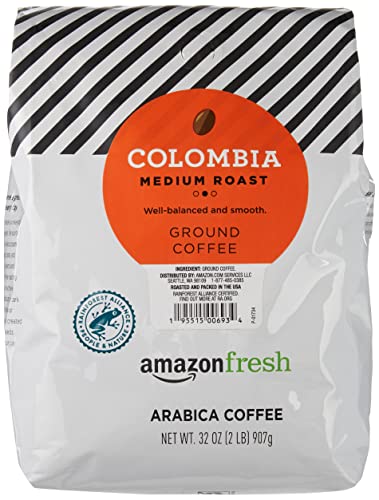
It depends on what you like, but for me it’s a big yes. Colombian coffee usually means Arabica from Colombia, known for balance, gentle citrus, and caramel notes. If you like a bright but friendly cup that feels clean, Colombian coffee hits a sweet spot.
In my tests, Colombian shined on slow Sunday pour-overs. I got a lively, caramel-citrus cup that felt crisp but not sour. In the office drip machine, it stayed clear and crowd-pleasing. When friends came over, Colombian won the “safe for all palates” prize. In the arabica coffee vs colombian decision, Colombian took the edge for origin character and brightness.
What Makes It Stand Out / Key Features
- Single-origin Colombian profile for clarity and balance
- Medium roast with caramel, cocoa, and gentle citrus
- Ground coffee for easy, quick brewing at home
- Great for drip and pour-over clarity
- Clean finish that appeals to many palates
What I Like
- Bright yet smooth; lively without being sharp
- Clear flavor identity from a trusted origin
- Stays tasty black or with a splash of milk
- Consistent cup-to-cup in drip machines
- Good value for a crowd-pleasing profile
What Could Be Better
- Less chocolatey depth than some non-Colombian Arabicas
- Ground format goes stale faster once opened
- Flavor can feel “safe” to those seeking bold, wild notes
My Recommendation
Choose Colombian if you want a bright, balanced cup with a clean finish and easy crowd appeal. It’s widely available and fairly priced.
| Best For | Why |
|---|---|
| Black coffee drinkers | Clean, balanced profile that shines without milk |
| Office and guest brews | Dependable flavor that suits many tastes |
| Pour-over fans | Good clarity and gentle citrus |
arabica coffee vs colombian: Side-by-Side Test
I brewed both back-to-back to see real differences. This arabica coffee vs colombian trial looked at flavor, brewing range, value, and more. Here is what I found from daily use at home and at work.
Flavor Profile & Acidity: Which Tastes Better to You?
Both offer smooth cups, but they lean in different directions. Here’s how the arabica coffee vs colombian flavors compare for daily sipping.
| Aspect | Arabica coffee | Colombian coffee |
|---|---|---|
| Sweetness | Soft cocoa, mild sugar | Caramel-like, honeyed |
| Acidity | Low to medium, gentle | Medium, citrusy and bright |
| Body | Light to medium | Medium, rounder mouthfeel |
| Notes | Nutty, chocolate, mild fruit | Citrus, cocoa, caramel |
Rating: Arabica coffee – 8.5/10 | Colombian coffee – 9/10
“Colombian edges ahead for a lively, balanced cup with a clean finish.”
Consistency & Sourcing: Which Is More Predictable?
In the arabica coffee vs colombian comparison, “Arabica” is a species; “Colombian” is a place.
| Aspect | Arabica coffee | Colombian coffee |
|---|---|---|
| Definition | Species from many countries | Origin-specific (Colombia) |
| Traceability | Varies by brand | Often clearer origin story |
| Flavor variance | Wide range across regions | More consistent profile |
| Expectations | Smooth, low bitterness | Balanced, bright, clean |
Rating: Arabica coffee – 8/10 | Colombian coffee – 9/10
“Colombian wins for predictability and clear origin-led flavor.”
Brewing Versatility: Which Fits More Methods?
I tested drip, pour-over, French press, and a moka pot for this arabica coffee vs colombian check.
| Method | Arabica coffee | Colombian coffee |
|---|---|---|
| Drip | Smooth, reliable | Clean, bright, crowd-pleasing |
| Pour-over | Balanced, sweet | Great clarity and lift |
| French press | Round, chocolaty | Fuller but slightly brighter |
| Moka pot | Gentle, less bitter | Cocoa-citrus, still smooth |
Rating: Arabica coffee – 9/10 | Colombian coffee – 9/10
“Tie—both handle common home methods very well.”
Caffeine & Smoothness: Which Is Easier on the Stomach?
Both felt easy to drink in my arabica coffee vs colombian runs. Differences were small.
| Aspect | Arabica coffee | Colombian coffee |
|---|---|---|
| Perceived caffeine | Moderate | Moderate |
| Bitterness | Low | Low to medium-low |
| Acidity feel | Gentle | A touch brighter |
| Stomach comfort | Very good | Very good |
Rating: Arabica coffee – 9/10 | Colombian coffee – 8.8/10
“Arabica is slightly smoother; Colombian is a bit brighter.”
Freshness & Options: Which Gives You More Choice?
This part of arabica coffee vs colombian comes down to roast variety and packaging.
| Aspect | Arabica coffee | Colombian coffee |
|---|---|---|
| Roast range | Wide across brands | Mainly light–medium–medium-dark |
| Grind options | Whole bean and ground | Whole bean and ground |
| Freshness window | Good; ground needs sealing | Good; ground needs sealing |
| Availability | Very broad | Very broad |
Rating: Arabica coffee – 9/10 | Colombian coffee – 9/10
“Another tie—both are easy to find with many roast options.”
Value for Money: Which Feels Like the Better Buy?
For daily brews, arabica coffee vs colombian are both solid values.
| Aspect | Arabica coffee | Colombian coffee |
|---|---|---|
| Price-to-quality | Strong, everyday value | Strong, with origin appeal |
| Bulk sizes | Common | Common |
| Daily-driver fit | Excellent | Excellent |
| Special-occasion feel | Depends on origin | Feels a bit more “classic” |
Rating: Arabica coffee – 9/10 | Colombian coffee – 9/10
“It’s a draw—both deliver great value for everyday coffee.”
Sustainability & Traceability: Which Tells a Better Story?
In arabica coffee vs colombian, origin identity can help traceability.
| Aspect | Arabica coffee | Colombian coffee |
|---|---|---|
| Certifications (varies) | Available from many brands | Common; origin groups active |
| Farmer premiums | Brand-dependent | Often supported by origin programs |
| Transparency | Can vary widely | Often clearer region/estate info |
| Storytelling | Depends on source | Strong sense of place |
Rating: Arabica coffee – 8.5/10 | Colombian coffee – 9/10
“Colombian gets a slight edge thanks to strong origin identity.”
Final Verdict: Which Should You Buy?
Pick Arabica coffee if you want smooth, low-bitter comfort that is easy to brew every day. It works with milk, shines iced, and stays gentle on the stomach.
Choose Colombian coffee if you like a clean, bright cup with caramel-citrus lift and strong origin character. For arabica coffee vs colombian, I reach for Arabica on weekdays, and Colombian when I want a touch more sparkle.
FAQs Of arabica coffee vs colombian
What is the main difference between arabica coffee vs colombian?
Arabica is a coffee species; Colombian is Arabica grown in Colombia. So Colombian is a type of Arabica with a known origin and a classic balanced, bright taste.
Which is smoother: arabica coffee vs colombian?
Arabica, as a broad category, tends to taste a touch smoother. Colombian is still smooth but a bit brighter with citrus lift.
For drip machines, which should I choose in arabica coffee vs colombian?
Both work great. Choose Arabica for a mellow, cocoa-leaning cup. Choose Colombian for a clean, caramel-citrus profile that many guests love.
Does arabica coffee vs colombian have different caffeine levels?
Not by much. Both are Arabica, so caffeine differences are small and depend more on roast and brew ratio than on “Arabica vs Colombian.”
Which offers better value: arabica coffee vs colombian?
It’s a tie. Both are widely available at fair prices. Pick Arabica for everyday smoothness, or Colombian for a bright, origin-forward flavor.