Bagged vacuums are cleaner and better for allergies; bagless save on bags and show dirt.
If you are torn on the Bagged vs Bagless Vacuum Cleaner debate, you are not alone. I test vacuums for real homes, messy pets, and small apartments. In this guide, I break down how each type works, what the trade-offs are, and how to pick the right fit. You will leave with clear steps and real tips, not hype.
What Bagged vs Bagless Vacuum Cleaner Really Means
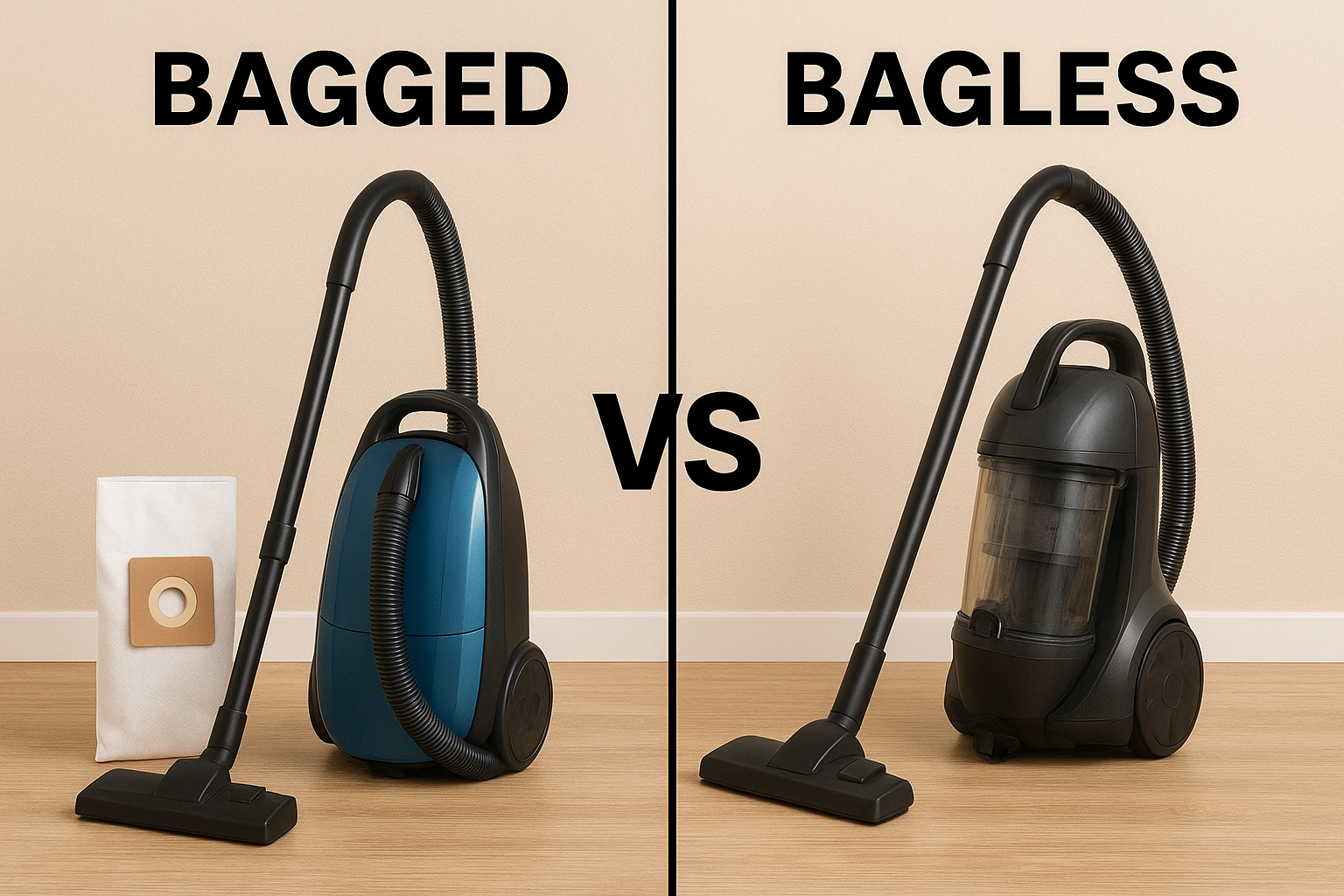
A bagged vacuum traps dust in a sealed bag. You remove the bag and toss it when full. Air passes through the bag, then a filter, then back to your room.
A bagless vacuum uses a bin and cyclone force. The bin catches dust and hair. You empty the bin into the trash. Filters capture the fine stuff that the cyclone misses.
Both can clean well. Your choice comes down to air quality, ease, cost, and habits. This Bagged vs Bagless Vacuum Cleaner choice is less about power and more about what you value day to day.

Bagged vs Bagless Vacuum Cleaner: Pros and Cons
Bagged pros:
- Cleaner to empty. Dust stays sealed in the bag.
- Great for allergies. Many bags act as extra filters.
- Holds more dirt. Good for big homes or lots of hair.
Bagged cons:
- Ongoing bag cost. You must buy replacements.
- You cannot see inside. Harder to spot clogs.
- Less eco-friendly if bags are not recycled.
Bagless pros:
- No bag cost. You see what you picked up.
- Easy to spot clogs or lost items.
- Good for quick, frequent cleans.
Bagless cons:
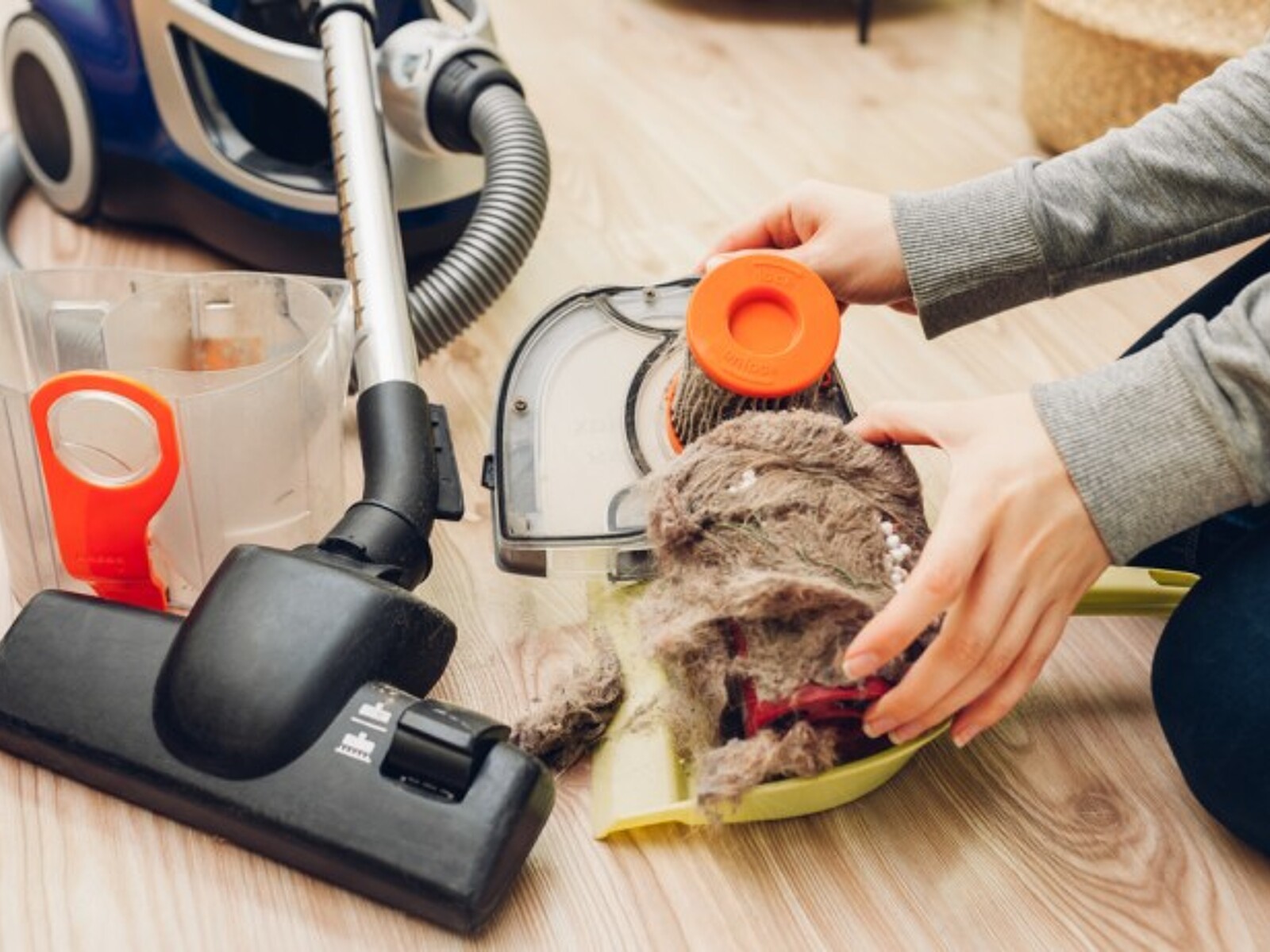
- Emptying can be messy. Fine dust can puff out.
- Filters need more washing and drying time.
- Smaller bins need more trips to the trash.
After years of use, my rule is simple: if you hate dust clouds, bagged is safer. If you love to tinker and save on bags, bagless can shine.

Filtration, Allergies, and Air Quality
For asthma and allergies, air tightness matters. Many bagged models use multi-layer bags plus HEPA filters. HEPA H13 can capture 99.95% of tiny particles down to 0.3 microns under lab standards. That includes pollen and dust mites.
Bagless models can also reach HEPA levels. The key is a sealed system. Look for clear labels like sealed HEPA and tested whole-machine filtration. EPA guidance favors HEPA filters for better indoor air. If you react to dust when emptying, a bagged unit is often the safer bet.
How to check a claim:
- Look for terms like sealed system and HEPA H13 or H14.
- Ask for independent tests or standard numbers, not vague words.
- Check if the filter is washable or needs regular changes.
In the Bagged vs Bagless Vacuum Cleaner choice, sealed systems win more than motor size. If you must pick one factor, pick filtration and seals first.

Cost of Ownership and Ongoing Maintenance
Bagged:
- Bags cost a few dollars each. One bag can last weeks to months.
- HEPA filters may last 6–12 months, based on use.
- Less time spent washing parts.
Bagless:
- No bag cost, but you will clean filters often.
- Wash and dry filters every 1–3 months. Drying can take a day.
- Some models need new filters yearly.
Over two to five years, costs can even out. If time is tight, bagged can be cheaper in hassle. In the Bagged vs Bagless Vacuum Cleaner math, add both money and time to see your true cost.

Performance on Floors, Hair, and Big Messes
Power is not just suction numbers. Airflow paths, brushroll design, and seals matter more.
What I see in homes:
- For long hair and pet hair, bagged units keep airflow stable as the bag fills. Big bags also mean fewer stops.
- For quick crumbs and light dust, bagless works great, if you empty before the max line.
- For fine dust like drywall, use a bagged vac with a HEPA bag. It handles fines with less clogging.
Use cases:
- Hardwood and fine dust: sealed systems with soft brush heads shine.
- Thick carpet: a strong brushroll and adjustable height help, bagged or bagless.
- Sand and litter: look for a larger throat and short air path to avoid clogs.
In the Bagged vs Bagless Vacuum Cleaner debate, design beats labels. Check head design, not just the canister.
Ease of Use, Hygiene, and Noise
Ease of emptying:
- Bagged: pull, seal, toss. Hands stay clean.
- Bagless: open bin, tip to trash. Some dust may escape.
Storage and weight:
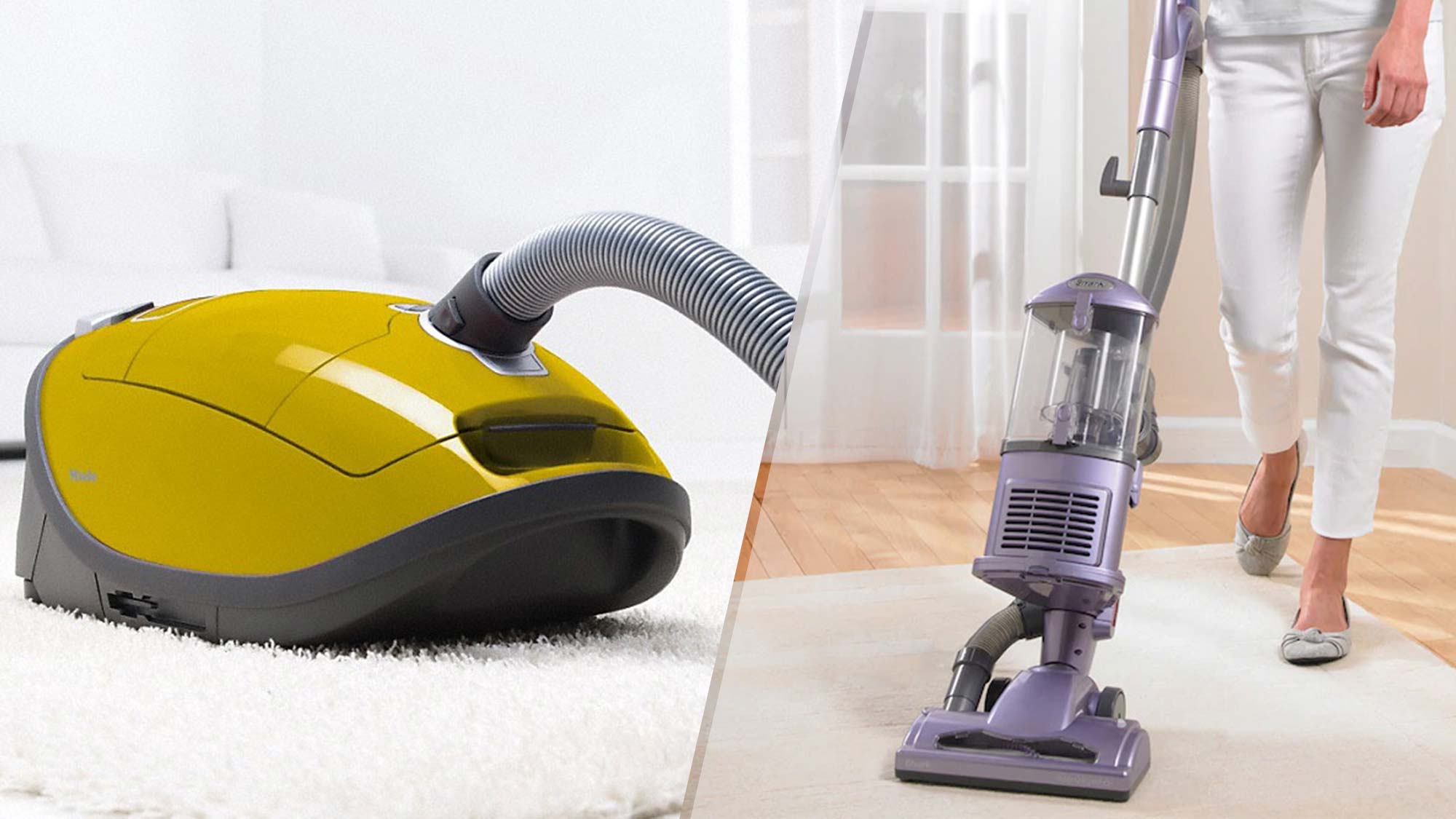
- Bagged canisters often weigh less and glide well.
- Bagless uprights can be top-heavy but quick to park.
Noise:
- Noise depends on airflow and damping, not bag type. Many sealed bagged units sound softer and lower-pitched. Cyclones can be a bit sharper in tone.
Smell control:
- Bagged units trap odor in the bag. Some bags have carbon layers.
- Bagless needs more bin and filter washing to keep smells down.
If you want less fuss in small spaces, bagged is calm and clean. If you love to see your results, bagless is more visual.

Sustainability and Waste
Bags end up in trash, but you wash fewer filters. Some bags use recycled fibers. Check for compostable or recyclable options.
Bagless creates less bag waste, but may use more water for washing. Filters still need replacing. Good habits reduce impact for both:
- Vacuum less air, more dirt. Use the right head to pick up faster.
- Keep filters clean to save power and extend life.
- Repair instead of replace. Choose brands with parts support.
From a green view, the best Bagged vs Bagless Vacuum Cleaner is the one you keep in service for many years.
Real-World Scenarios and My Testing Notes
My home has a shedding dog and mixed floors. Here is what stood out over time.
- Bagged in pet season: I can run long sessions. Hair compacts well in the bag. Emptying is clean, even when the bin would plume dust.
- Bagless for fast pickups: I like to spot clean crumbs after dinner. It is fast and I see results at a glance. But I empty outside to avoid dust puffs.
- Mistakes I made: I once washed a HEPA filter late at night and used it half-dry. Suction dropped and it smelled musty. Let filters dry fully.
- Lessons learned: Buy extra filters so you can swap and wash later. Keep a spare pack of bags. Empty bagless bins before the max line to keep power up.
If I had to choose one Bagged vs Bagless Vacuum Cleaner for allergy season, I would pick bagged. For a small, busy apartment, I like a compact bagless stick with a spare filter set.
Buying Guide: How to Choose Between Bagged vs Bagless Vacuum Cleaner
Start with your top need:
- Do you have allergies or asthma? Choose bagged with sealed HEPA.
- Hate dust clouds? Choose bagged with self-sealing bags.
- Want to avoid bag costs? Choose bagless with easy-wash filters.
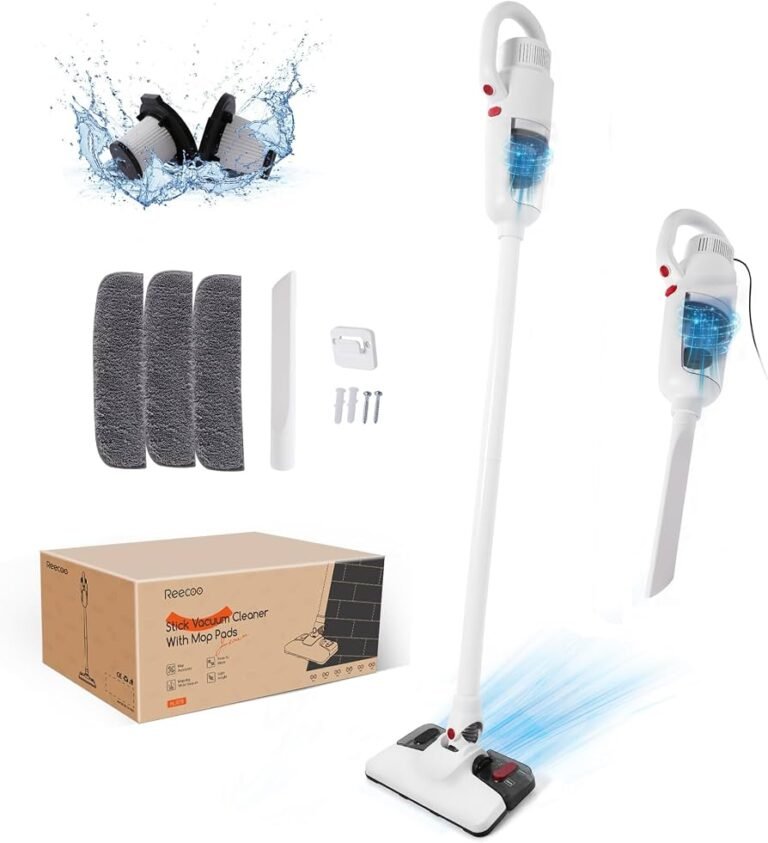
- Small space and quick cleans? Choose bagless stick with a wall mount.
- Big home, lots of hair? Choose bagged with a large bag and strong head.
Key specs to check:
- Sealed system and HEPA rating (H13 or H14 if possible).
- Bin or bag capacity in liters.
- Brushroll type and hair removal features.
- Weight, hose reach, and included floor heads.
- Noise rating in dB, if listed.
- Parts and filter availability.
Red flags:
- Vague “HEPA-like” terms with no rating.
- No spare parts listed on the maker’s site.
- Tiny bins for large homes.
- Hard-to-empty bins that trap dirt in corners.
Use this Bagged vs Bagless Vacuum Cleaner checklist in the store. Bring a small packet of rice or pet hair to test pickup if allowed. Feel the balance and the hose pull. Real feel beats spec sheets.
Frequently Asked Questions of Bagged vs Bagless Vacuum Cleaner
Which is better for allergies, bagged or bagless?
Bagged is usually better due to sealed bags and cleaner disposal. A sealed HEPA system is key in both types.
Do bagless vacuums lose suction faster?
They can if the bin passes the max line or filters clog. Empty often and clean filters to keep power steady.
Are bagged vacuums more expensive long term?
Bags add cost, but you spend less time washing filters. Over years, costs can be close, based on use.
Can a bagless vacuum be as clean as a bagged one?
Yes, with a sealed system and HEPA filters. Empty outside and clean filters often to cut dust release.
What size home fits each type best?
Large homes and heavy pet hair favor bagged for capacity. Small spaces and quick daily cleans fit bagless well.
Do bags reduce odors?
Yes, many bags trap fines and smells better. Carbon-lined bags help even more.
Is a stick vacuum good for carpets?
It can be if it has a powered brushroll. For deep pile carpets, a full-size head often cleans better.
How often should I change bags or filters?
Change bags when near full or when suction drops. Wash or swap filters every 1–3 months, and replace as the maker advises.
Conclusion
The right pick comes down to your air needs, habits, and home. Bagged shines for clean emptying, big jobs, and allergy care. Bagless wins on no bag cost, quick checks, and easy spot cleans. Match the tool to the job, and you will love your choice.
Use this guide to test, compare, and decide today. If you found this helpful, subscribe for more home gear guides, or drop a comment with your Bagged vs Bagless Vacuum Cleaner questions.