You say coffee in Spanish as “café,” pronounced kah-FEH, with an accent.
If you love languages and lattes, you’re in the right place. I’ve spent years studying Spanish in real life cafes, from Madrid to Mexico City. This guide will show you exactly How Do You Say Coffee In Spanish and how to use it like a local. We’ll cover pronunciation, ordering tips, regional twists, and the do’s and don’ts that make a big difference.

What does café mean and how to say it
Café is the Spanish word for coffee. It has an accent on the e. That accent tells you where to stress the word. Say it like this: kah-FEH.
You can ask, How Do You Say Coffee In Spanish, in any class or café, and the answer is café. It refers to the drink and also to a coffee shop, depending on context. When you want the place, Spanish speakers often say cafetería too.
Fun note from real orders: I’ve seen café on menus all over Latin America and Spain. The spelling stays the same, with the accent. The taste and the style change by country, not the word.

Pronunciation and accent tips
The accent matters. Without the accent, the stress might slip. With café, the stress goes on the last syllable.
- Break it into two parts: ca-fé.
- Keep vowels short and clean.
- Do not say “cay-fay.” Aim for “kah-FEH.”
Common mistakes I hear: saying “caff-ay” like in English or dropping the accent sound. If you ever wonder, How Do You Say Coffee In Spanish with the right stress, remember the accent mark is your guide.

Ordering coffee in Spanish: phrases that work
When you walk up to the bar or sit at a table, simple phrases help. Try these:
- Un café, por favor. One coffee, please.
- Un café solo, por favor. An espresso, please.
- Un café con leche, por favor. Coffee with milk, please.
- ¿Me lo pones para llevar? Can I get that to go?
- ¿Lo quiero aquí, por favor? I’ll have it here, please.
Politeness changes with tone more than words. A smile and por favor do a lot. If you’re still asking yourself How Do You Say Coffee In Spanish while you order, just start with café and add the style you want.
Quick role-play:
- You: Buenos días. Un café con leche, por favor.
- Barista: ¿Caliente o frío?
- You: Caliente. Sin azúcar, por favor.
Types of coffee drinks in Spanish
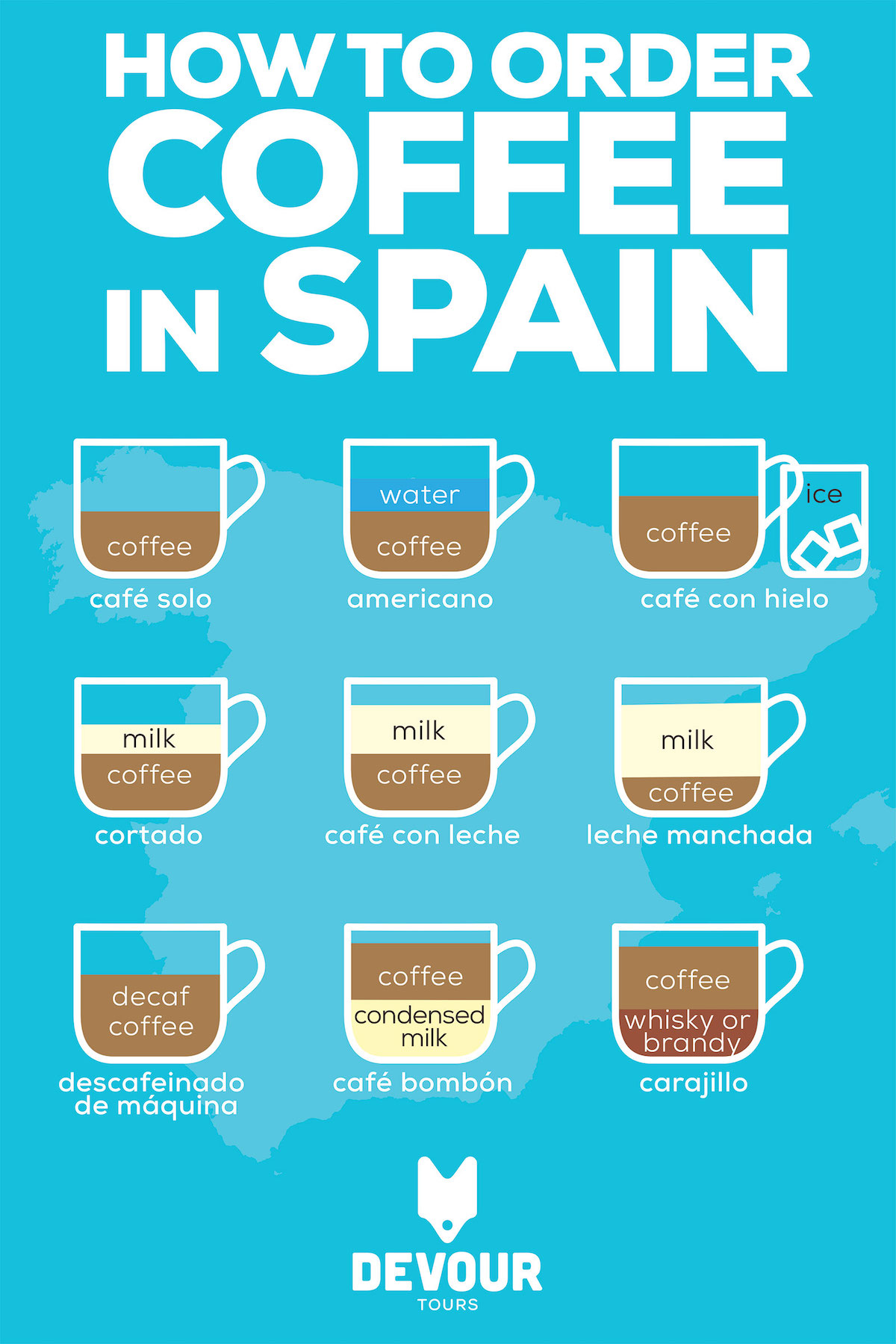
Once you know café, you can explore the menu. Here are common drinks:
- Café solo An espresso shot.
- Doble A double shot.
- Cortado Espresso cut with a splash of milk.
- Café con leche Half coffee, half milk, served hot.
- Americano Espresso with hot water.
- Capuchino Cappuccino.
- Descafeinado Decaf.
- Café helado Iced coffee.
- Café con hielo Hot coffee poured over ice cubes (common in Spain).
- Café bombón Espresso with sweet condensed milk (Spain).
- Café de olla Spiced coffee brewed in a clay pot (Mexico).
- Café cubano or cafecito Strong sweet espresso (Cuba and Miami).
Knowing these names helps with How Do You Say Coffee In Spanish in real life. Order with confidence, and ask for sugar (azúcar) or sweetener (edulcorante) as needed.

Regional variations across Spanish-speaking countries
The word café travels well, but styles and names shift by place.
- Spain Café solo, cortado, café con leche, café bombón.
- Mexico Café de olla, café americano, café con leche.
- Colombia Tinto often means black coffee. Perico is coffee with milk.
- Argentina Un cortado is common; un lagrima is more milk, less coffee.
- Peru Café pasado is strong drip-style coffee.
- Venezuela Guayoyo is a lighter black coffee.
- Caribbean Cafecito or café cubano is strong and sweet.
If you wonder, How Do You Say Coffee In Spanish when the menu looks new, point and ask: ¿Cómo es este café? People love to explain local styles.
Grammar corner: articles, gender, and adjectives
Café is a masculine noun. You say el café for the coffee, and un café for a coffee. The plural is los cafés when you talk about types or several cups.
- Un café One coffee.
- Dos cafés Two coffees.
- Café cargado Strong coffee.
- Café descafeinado Decaf coffee.
You might hear cafecito as a cute or friendly form. It’s common in the Caribbean and parts of Latin America. If grammar worries you while you think about How Do You Say Coffee In Spanish, relax. Using un café gets you what you want.

Culture and café etiquette you’ll notice
Cafes are social spaces in Spanish-speaking places. People linger. They talk. They read. You can do the same.
- In Spain, coffee after meals is normal.
- In many places, you pay at the end, not as you order.
- Tipping is modest. Round up the bill or leave small change.
If you ask How Do You Say Coffee In Spanish when you want it to go, say para llevar. If you want to stay, say para tomar aquí. Staff will guide you either way.
Handy phrases and everyday expressions
You’ll hear café in lots of set phrases. These are quick wins:
- Tomar un café To have a coffee.
- ¿Quedamos para un café? Want to meet for a coffee?
- Café para llevar Coffee to go.
- Café bien cargado Very strong coffee.
- Café con poca leche Coffee with a little milk.
- Sin azúcar, por favor No sugar, please.
- Con hielo With ice.
These phrases answer more than How Do You Say Coffee In Spanish. They help you sound friendly and clear in daily talk.

Mistakes to avoid and smart tips
A few small choices make ordering smooth.
- Do not say “latte” and expect the same drink everywhere. Say café con leche.
- For iced coffee, café con hielo is common. You may get hot coffee and ice on the side in Spain.
- For decaf, ask for café descafeinado.
- If you want less milk, try un cortado. For more milk, café con leche.
- Need sweetener? Pide edulcorante. Want no sugar? Di sin azúcar.
Keep the phrase How Do You Say Coffee In Spanish in mind when menus feel new. Start with café, then describe the style. Simple works best.
My real-world café lessons
In Madrid, my first order was un cortado at a crowded bar. The barista pulled a fast shot and added a splash of milk. It was bold and smooth. I learned to stand at the counter, drink, pay, and go.
In Mexico City, I asked for café de olla. The warm spice and piloncillo sugar changed my idea of coffee. In Bogotá, I asked for un tinto and learned it meant black coffee. Each place taught me more than How Do You Say Coffee In Spanish. It taught me how people share time and care through a simple cup.
Frequently Asked Questions of How Do You Say Coffee In Spanish
Is café the only way to say coffee in Spanish?
Café is the standard word for coffee across Spanish-speaking countries. Some regions use nicknames like tinto for black coffee, but café works everywhere.
How do you pronounce café correctly?
Say kah-FEH, with the stress on the last syllable. The accent mark on é tells you to stress that sound.
What is the difference between café solo and café con leche?
Café solo is a single espresso shot with no milk. Café con leche is half coffee and half hot milk.
How do I ask for decaf coffee in Spanish?
Ask for café descafeinado. You can add por favor and your milk or sugar preference.
What should I say for iced coffee?
Try café con hielo or café helado. In Spain, café con hielo often comes as hot coffee plus a glass with ice.
Can café mean a coffee shop too?
Yes. Café can mean coffee or a coffee shop. You’ll also see cafetería for a café-style place.
How Do You Say Coffee In Spanish when ordering politely?
Say Un café, por favor, and add details like con leche or descafeinado. A friendly tone and por favor go a long way.
Conclusion
You now know the word café, the right way to say it, and how to order it with ease. You’ve seen regional twists, key phrases, and small tips that make a big impact. More than How Do You Say Coffee In Spanish, you’ve learned how to enjoy coffee culture with confidence.
Try one new phrase on your next café visit. Order a style you have not tried yet. If this guide helped, share it with a friend, subscribe for more language tips, or drop a comment with your favorite café order.