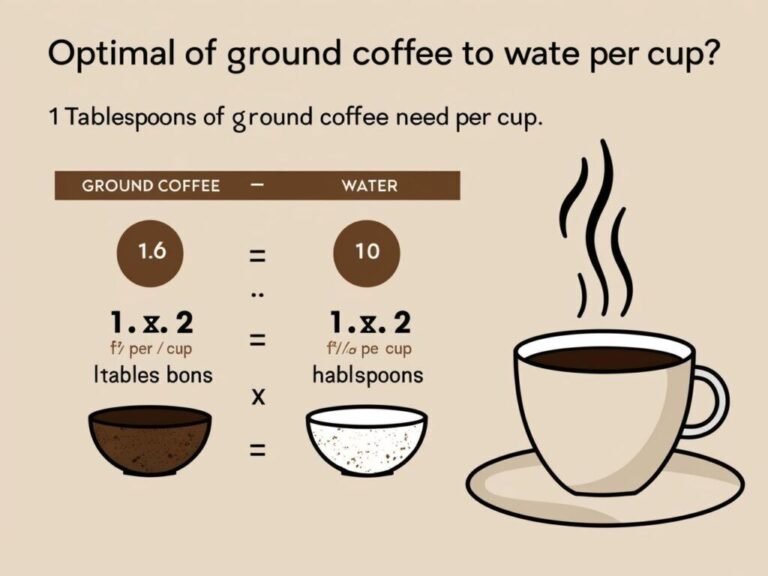
Use 1–2 tablespoons per cup; about 2 tablespoons per 8 ounces.
If you want smooth, bold camp-style coffee without bitterness, this guide is for you. I’ll show you exactly how much coffee in a percolator gives great flavor, along with pro tips on grind, timing, and water. You’ll get clear ratios for stovetop and electric models, plus real-world examples that work every time.
:max_bytes(150000):strip_icc()/Percolators-group-Winners-Irvin-Lin-08-c042c711e1da4ee7a443020d4895ca72.jpeg)
What A Percolator Does And Why Your Dose Matters
A percolator cycles hot water through coffee grounds again and again. This boosts extraction and body. It can also turn bitter if the dose or time runs long.
That is why how much coffee in a percolator is a key choice. With the right ratio, you get rich flavor and a clean finish. With too much coffee or too fine a grind, you get harsh notes.
The Core Ratio: How Much Coffee In A Percolator For Any Size
Here is the simple rule I use on the road and at home. Aim for a brew ratio near 1:17 by weight. That means 1 gram of coffee for 17 grams (or milliliters) of water.
If you measure with spoons, use this quick guide:
- Regular strength: 2 tablespoons per 8 ounces of water
- Stronger: 3 tablespoons per 8 ounces of water
- Lighter: 1.5 tablespoons per 8 ounces of water
For common percolator sizes (many “cups” are 5 ounces each):
- 6-cup percolator (30 ounces water): about 52 grams coffee, or 10–11 tablespoons
- 8-cup percolator (40 ounces water): about 70 grams coffee, or 13–14 tablespoons
- 12-cup percolator (60 ounces water): about 104 grams coffee, or 19–20 tablespoons
These doses come from industry brew ratios adjusted for percolators. If your percolator extracts fast, you can trim the dose by 10 percent. This keeps flavor round and less bitter. If you asked how much coffee in a percolator for bold results, start at 1:17 and move toward 1:15.
:max_bytes(150000):strip_icc()/CoffeePercolatorInherentlyFlawed-d359bb6764e143d090d534b0c4cbed5e.jpg)
Cup Sizes And Markings: Avoid The Classic Mix-Up
A “cup” on many electric percolators equals 5 ounces, not 8 ounces. Mugs at home are often 10–12 ounces. That is why many people underdose or overdose.
To dial in how much coffee in a percolator:
- Check the manual or the fill line for true cup size
- If unsure, measure how much water it holds in ounces
- Plan your tablespoons based on 8-ounce or 5-ounce math, not mug size
I keep a sticky note inside the cabinet with my percolator’s real capacity. It saves me from guesswork at 6 a.m.

Grind Size, Baskets, And Filters
Percolators like a medium-coarse to coarse grind. Too fine and the brew tastes bitter and sludgy. Too coarse and it tastes thin.
Tips that protect flavor:
- Use a coarse grind like French press, but a touch finer
- If your basket has large holes, add a paper disc or reusable mesh filter
- Dose by weight if you can, since scoop size varies
- Start with fresh beans and use them within 3–4 weeks of roast
If you wonder how much coffee in a percolator when using very light roasts, add 5–10 percent more coffee. Light roasts can need a bit more dose to taste balanced.

Step-By-Step: Stovetop vs. Electric Percolator
Both styles use the same ratio. Heat control and time are the key changes.
Stovetop percolator
- Add water to the fill line or your target ounces.
- Add your measured coffee to the basket. Use coarse grind.
- Heat over medium. When it starts to perk, lower the heat.
- Let it perk 6–8 minutes for regular strength. Watch the perk speed.
- Remove from heat. Let grounds settle 30 seconds. Serve.
Electric percolator
- Fill with cold water to your target cups.
- Add measured coffee to the basket. Use coarse grind.
- Turn it on. Most models auto-stop at 6–9 minutes.
- When it switches to keep-warm, pour and enjoy.
Personal note: On camping trips, my 9-cup stovetop sings at 7 minutes with a 1:17 ratio. If I hear fast, hard perking, I lower the flame at once.
Tuning For Taste: Time, Strength, And Heat
If your coffee is bitter, the percolator recycled too long or too hot. If it tastes weak, either the grind was too coarse or the dose was low.
Use these quick tweaks:
- More strength: add 10 percent more coffee or perk 1 minute longer
- Less bitterness: cut 10 percent of coffee or perk 1 minute shorter
- Cleaner cup: use a paper disc filter and let it rest 30 seconds before pouring
When people ask how much coffee in a percolator for guests, I suggest you brew a test pot the day before. Adjust by taste, not only by charts.
Common Mistakes And How To Fix Them
Over-extraction
- Signs: harsh, astringent, dry finish
- Fix: coarser grind, lower heat, shorten perking time, small dose cut
Under-extraction
- Signs: sour, thin, grassy
- Fix: finer grind, perk 1–2 minutes longer, small dose bump
Sediment in cup
- Signs: gritty sip near the bottom
- Fix: coarser grind, add a filter disc, pour gently
Metallic taste
- Signs: tin-like aftertaste
- Fix: descale with a mild citric or vinegar solution, rinse well
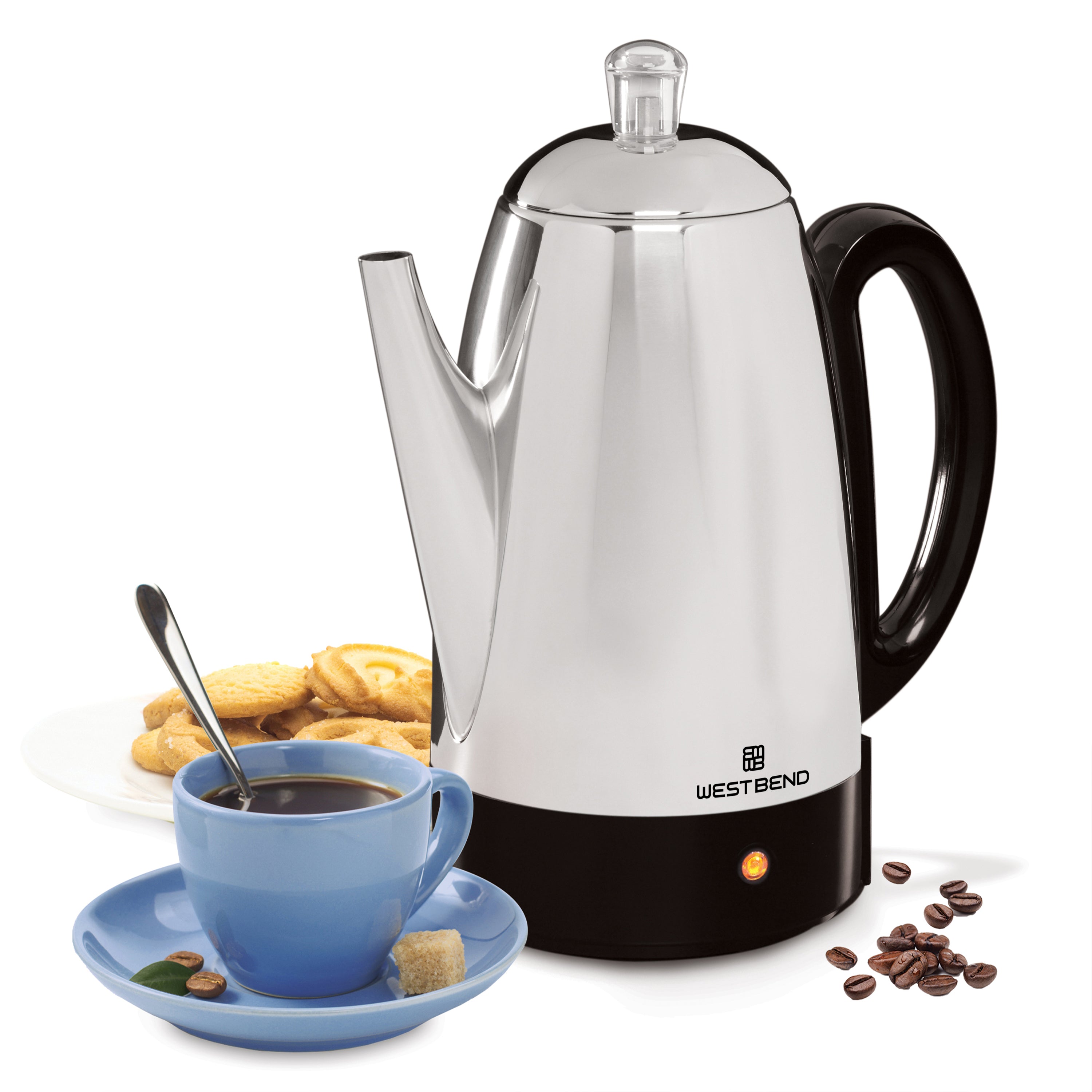
Water, Altitude, And Other Variables
Water sets the stage for flavor. Use fresh, cold water with low to medium mineral content. Hard water mutes notes and builds scale. Very soft water can taste flat.
At high altitude, water boils at a lower temperature. You may need a touch more time or a slightly finer grind. When friends ask how much coffee in a percolator at altitude, I keep the ratio the same and adjust time first.
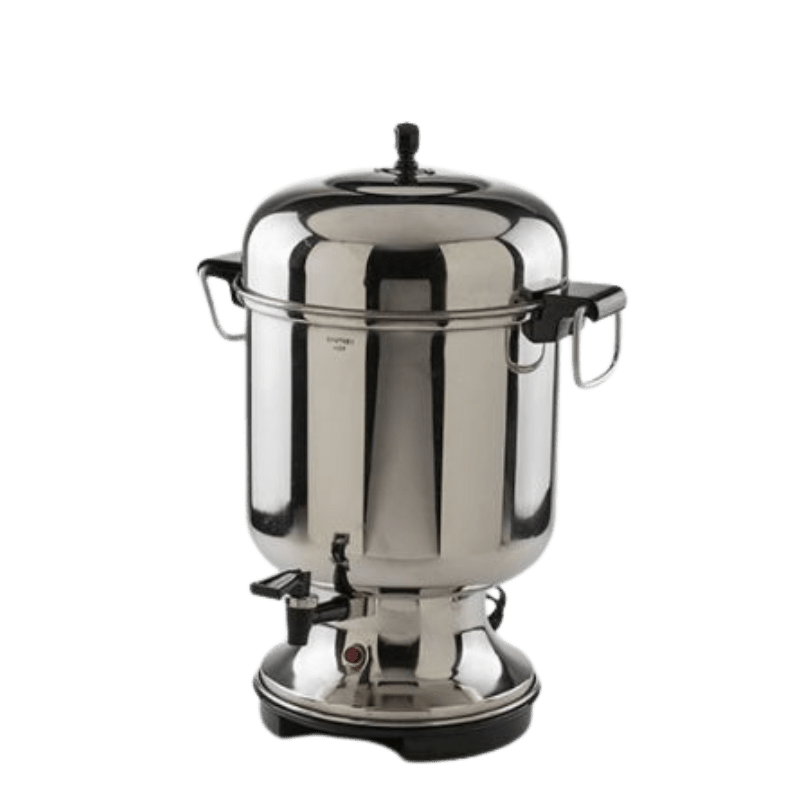
Cleaning And Care For Consistent Flavor
Old oils cling to metal parts and darken the taste. A clean percolator brews a sweeter cup.
Simple routine:
- After each brew: wash the basket, stem, and pot with warm, soapy water
- Weekly: run a water-only cycle, then dry parts fully
- Monthly: descale with a mild citric solution, then rinse until no smell remains
Good care keeps your how much coffee in a percolator settings steady and repeatable.
Quick Reference: Tablespoons And Grams By Ounces
Here are easy anchors you can memorize. They match a 1:17 starting point and fit most beans.
By 8 ounces of water:
- Light cup: 1.5 tablespoons (about 8–9 grams)
- Regular cup: 2–2.5 tablespoons (about 12–14 grams)
- Strong cup: 3 tablespoons (about 16–18 grams)
By full pot size:
- 24 ounces: 42 grams, about 8 tablespoons
- 36 ounces: 63 grams, about 12 tablespoons
- 48 ounces: 84 grams, about 16 tablespoons
- 60 ounces: 104 grams, about 19–20 tablespoons
If you need to explain how much coffee in a percolator to a beginner, share this: use 2 tablespoons per 8 ounces, then adjust by taste. It is easy to remember, and it works.
Frequently Asked Questions Of How Much Coffee In A Percolator
How many tablespoons of coffee per cup in a percolator?
Use 2 tablespoons per 8 ounces for regular strength. For a 5-ounce percolator “cup,” use about 1.5 tablespoons.
What grind should I use for a percolator?
Choose medium-coarse to coarse. This avoids bitter flavors and keeps grounds out of the cup.
Does a percolator need less coffee than drip?
Often yes, because water recirculates and extracts more. Start with the same ratio, then trim 10 percent if it tastes harsh.
How long should I let a percolator brew?
Aim for 6–8 minutes of gentle perking. Shorten by a minute for lighter taste or extend by a minute for more body.
Is weighing coffee better than using scoops?
Yes. A scale gives repeatable results and removes scoop size guesswork. If you use spoons, keep them consistent.
Conclusion
You now have a clear path to great percolator coffee. Start at 2 tablespoons per 8 ounces (about a 1:17 ratio), use a coarse grind, and perk 6–8 minutes with steady heat. Adjust in small steps until the cup matches your taste.
Make your next pot today and log your dose, time, and taste. Want more tips like this? Subscribe for brew guides and simple, tested coffee advice.