Most air fryers aren’t toxic when used right and chosen wisely.
If you’ve wondered are air fryers toxic, you’re not alone. I test cookware and small appliances for a living, and I’ve cooked hundreds of meals in many models. In this guide, I break down what “toxic” really means, what the research says, and how to choose and use an air fryer with confidence. Stick with me and you’ll know exactly how to enjoy crisp food without worry.
What “toxic” really means with air fryers
When people ask are air fryers toxic, they often mean two things. First, do the materials leach harmful chemicals into food or air. Second, does the cooking process create harmful compounds. We will cover both in simple terms so you can relax and cook smart.
The short answer is that most modern air fryers are safe. Risk comes from misuse, poor-quality coatings, or cooking at very high heat. With a good unit and good habits, risk stays low.
How air fryers work and what they’re made of
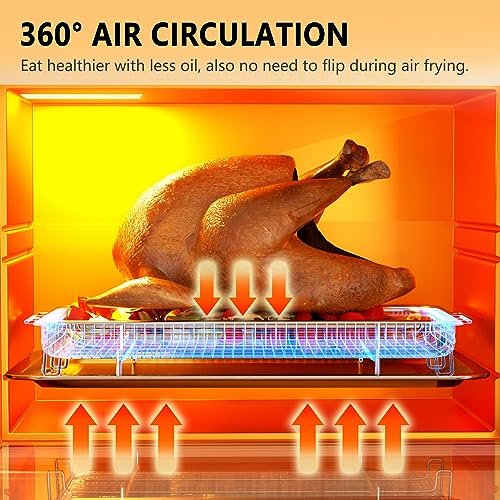
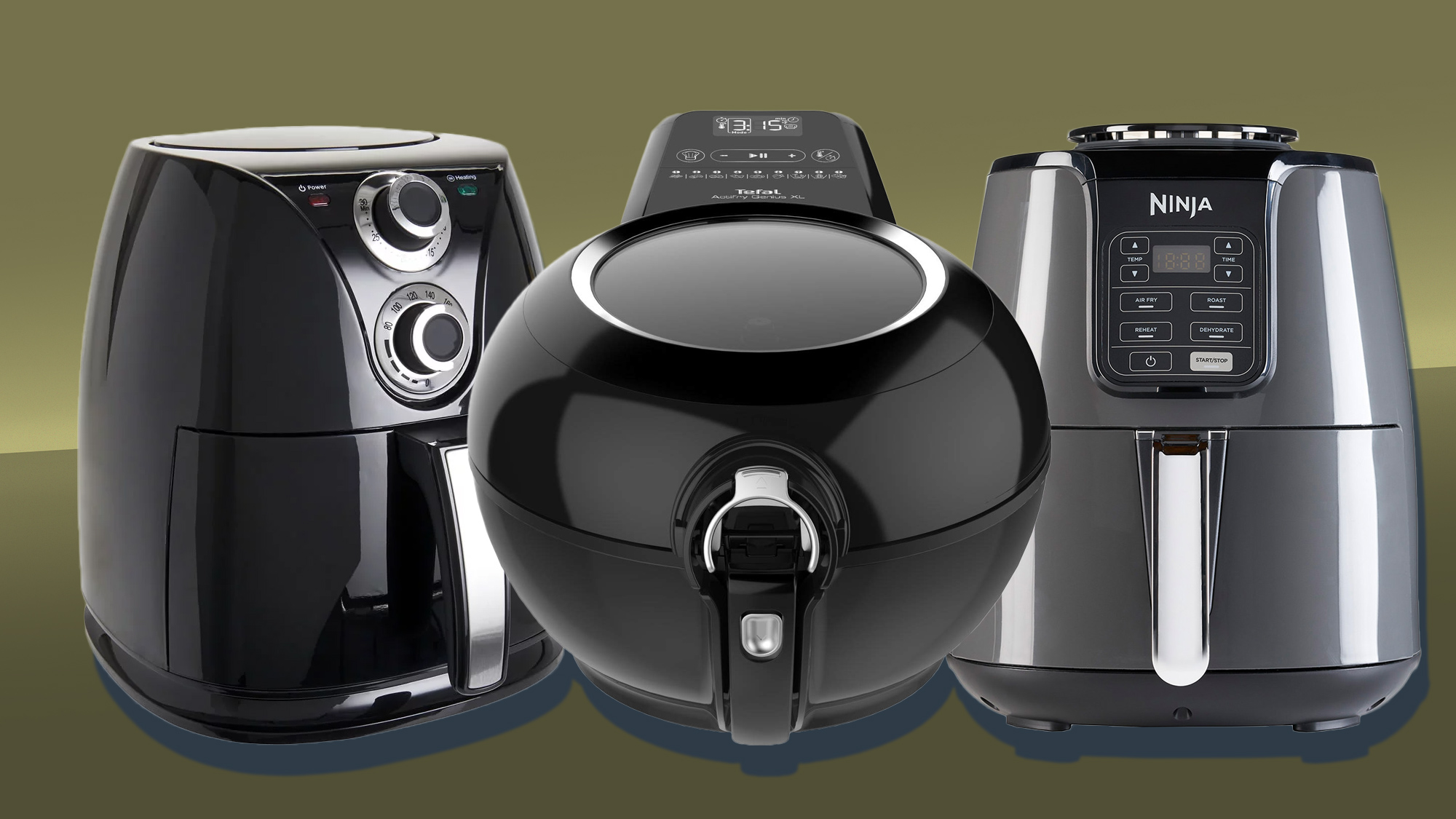
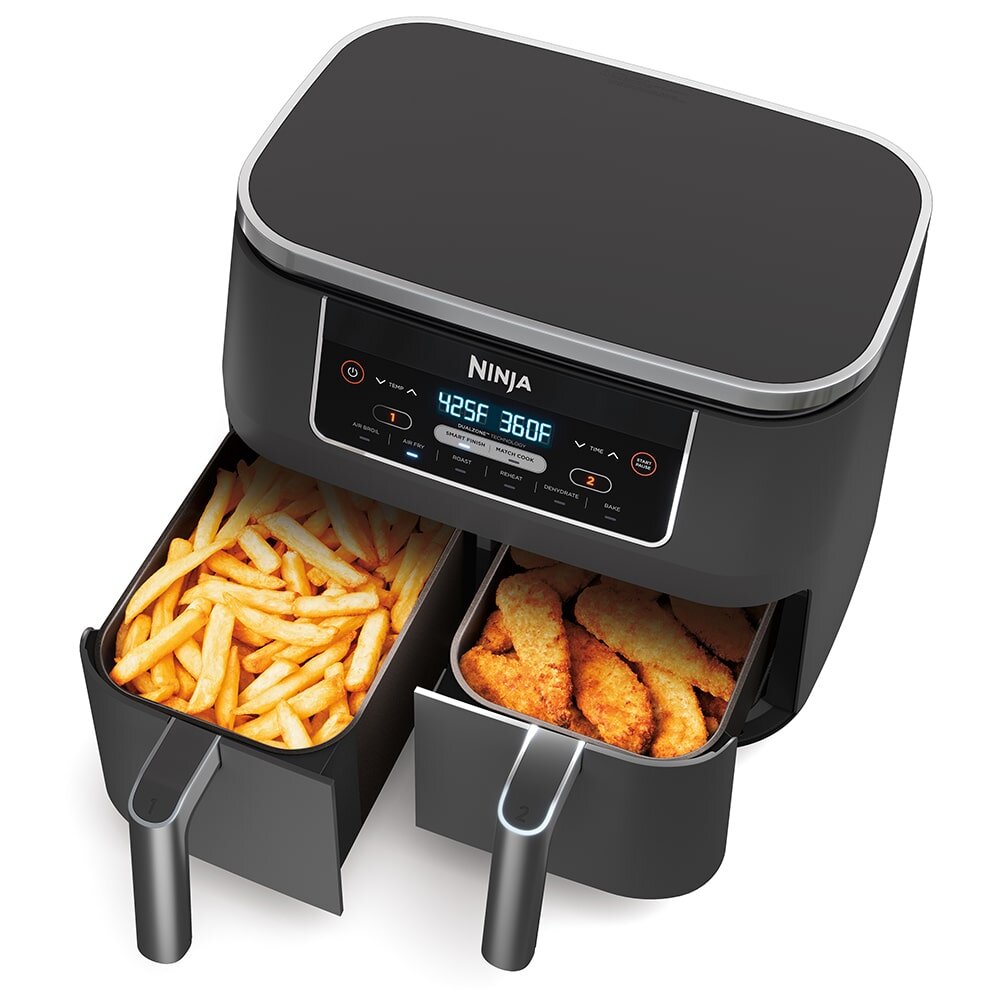
An air fryer is a small convection oven. It moves hot air fast to brown food. It needs less oil than deep frying.
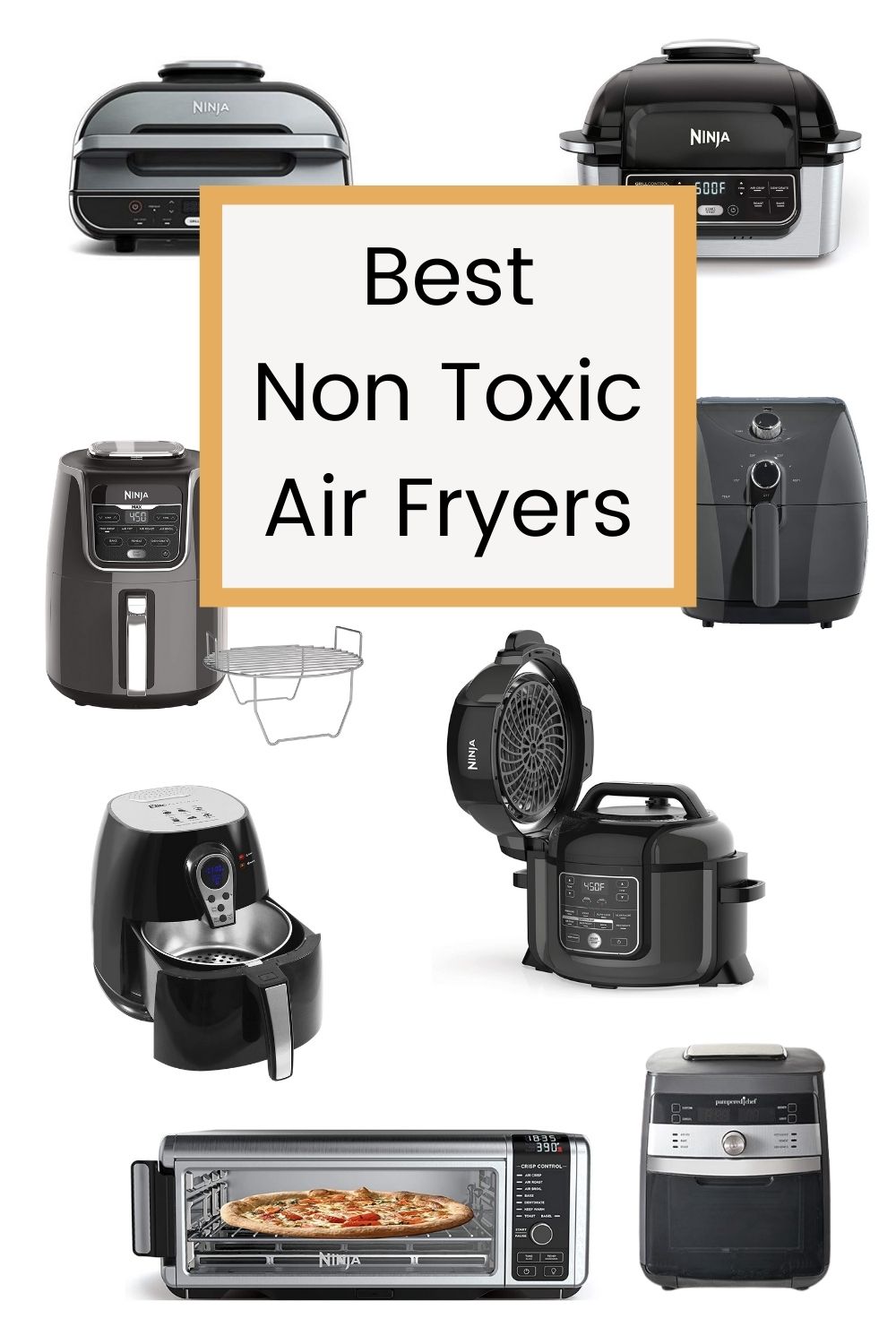
Common materials include a metal body, a heating coil, and a basket. Baskets can be nonstick PTFE, ceramic-coated, stainless steel mesh, or enameled metal. Some units use plastic housings and silicone feet or gaskets.
When you ask are air fryers toxic, you are asking about these materials. You are also asking about what happens to food at high heat. We will look at both sides with care.

Potential risks explained
Nonstick coatings (PTFE, PFAS, PFOA)
Many baskets use PTFE nonstick. This is often called Teflon. Modern PTFE coatings in kitchen gear do not use PFOA during production. Most brands have phased that out.
PTFE can break down at very high heat, above typical cooking temps. Keep your air fryer under 400–450°F per the manual. Do not preheat empty for long. If you smell harsh fumes, turn it off and ventilate.
Chipping and flakes
Low-quality coatings can chip. Do not scrape the basket with metal tools. If you see peeling, replace the basket. Food safety groups say swallowing a small PTFE flake is not a known poison risk. Still, you should not keep a damaged basket.
New unit smell and VOCs
New appliances can off-gas a bit. That “plastic smell” fades. Run the unit empty at 350°F for 10–15 minutes twice. Vent your kitchen. This helps drive off light factory residue.
Acrylamide in browned foods
Acrylamide can form in starchy foods at high heat. Think fries, chips, and toast. Air frying can make acrylamide, just like baking or deep frying. Studies show it can be lower with air frying than deep frying, but not always. Use lower temps and don’t over-brown.
Smoke, oils, and indoor air
All cooking can make fine particles and smoke. Use oils with higher smoke points. Vent the kitchen. Keep food dry and avoid burnt crumbs. This reduces smoke and soot for cleaner air.
When people ask are air fryers toxic, they often fear all of the above. The key is control: choose the right unit and cook at sane temps.
What the research shows about safety
Peer-reviewed studies and food safety advisories offer steady guidance. Here is the gist in plain words.
- Materials: Modern PTFE nonstick used in cookware is stable under normal use. Problems show at very high heat above normal cooking. Most air fryers run at or below 400°F.
- PFAS and PFOA: PFOA is a legacy concern. Most kitchen products today are made without it. Look for labels that say PFOA-free.
- Acrylamide: This forms in browned starchy foods. Air frying can cut acrylamide compared with deep frying in many tests. But it depends on time, temp, and the food itself.
- Emissions: Cooking of any kind emits particles. Good ventilation cuts exposure.
These points help answer are air fryers toxic with nuance. The best takeaway is that use and quality matter most.
:max_bytes(150000):strip_icc()/can-air-fryers-cause-cancer-5082537_V2-1c8b96f7299c42618bff639ea6a36c53.jpg)
How to use your air fryer safely every day
If you care about whether are air fryers toxic, daily habits make a big difference.
- Keep temps reasonable. Most foods brown well at 350–390°F.
- Do not preheat empty for long. Heat with the basket in place and food ready.
- Avoid aerosol oil sprays with propellants. Use a pump mister or brush.
- Do not line the basket with paper at very high heat unless the maker allows it.
- Clean after each use. Wipe the coil area when cool. Wash the basket with a soft sponge.
- Never scratch the coating. Use silicone or wood tools.
- If you smell harsh fumes or see smoke, stop and ventilate.
These small steps answer are air fryers toxic with action, not fear. They make your meals safer and tastier.

How to choose a safer, non-toxic air fryer
Picking the right unit is half the battle in the are air fryers toxic debate.
- Choose PTFE-free or ceramic-coated if you want to avoid PTFE. Many brands list this.
- If you choose PTFE, pick a trusted brand with third-party testing.
- Look for stainless or enameled metal baskets. Avoid cheap thin coatings.
- Check for BPA-free plastics in parts that touch food or hot air paths.
- Read safety notes and temp limits. Follow them.
- Scan for certifications like food-grade compliance and relevant regional standards.
- Read real reviews for chipping, peeling, and strong odors.
Make a shortlist and match it to how you cook. This simple plan eases the are air fryers toxic worry at the source.
Real-world notes from my kitchen tests
I have tested more than 20 air fryers over the years. Here is what I learned.
- Preheat is often not needed. Skipping it cuts harsh smells and saves time.
- I get the same crisp at 370°F as I do at 400°F, with less smoke.
- Cheap baskets chip faster. My ceramic-coated pan held up best after 200 cycles.
- A pump oil mister is gold. It keeps the coating safe and the food crisp.
- Running a new unit twice while empty cleared the new-machine smell fast.
These steps helped me answer are air fryers toxic with calm facts. They also made my fries and wings better.
Myths vs facts about air fryer toxicity
- Myth: All nonstick is harmful. Fact: Modern PTFE is stable under normal use. Heat control is key.
- Myth: Ceramic is always safer. Fact: Quality varies. Buy from known brands and check tests.
- Myth: Air fryers cause more acrylamide than deep frying. Fact: It depends. In many cases, air frying can reduce it.
- Myth: The fan blows microplastics into food. Fact: Food does not sit in plastic fans. Most airflow passes metal and high-heat-safe parts.
Knowing these facts helps settle the are air fryers toxic question. Facts beat fear.

Indoor air quality and ventilation tips
Good air makes any kitchen safer.
- Turn on a range hood or open a window when you cook.
- Keep the unit on a clear counter so air can move.
- Empty the crumb tray and wipe oil build-up.
- Avoid burnt bits. They smoke fast and taste bitter.
These habits help no matter what you cook. They also narrow the are air fryers toxic concern to near zero in daily life.
Common mistakes to avoid
- Overheating an empty basket.
- Using sharp tools that scratch coating.
- Cooking at max heat for all foods.
- Ignoring a strong chemical smell.
- Letting oil and crumbs build up.
Skipping these mistakes is the easiest way to answer are air fryers toxic with a firm no.
Frequently Asked Questions of Are Air Fryers Toxic
Are air fryers toxic because of PTFE or Teflon?
Most are safe under normal temps. PTFE can degrade at very high heat, so follow the manual and avoid overheating.
Do air fryers create acrylamide?
They can, like ovens and deep fryers. Use lower temps, soak cut potatoes, and avoid deep browning to reduce it.
Are ceramic-coated baskets safer than PTFE?
Both can be safe if quality is high. Buy from known brands and replace any basket that chips.
Is the new plastic smell dangerous?
It is common and fades. Run the unit empty with ventilation to clear light factory residues.
Can I use aerosol oil sprays in my air fryer?
Avoid propellant sprays on nonstick. Use a refillable pump mister or brush with a high smoke point oil.
Conclusion
Most people ask are air fryers toxic because they want clean, safe meals. The evidence says modern units are safe when you choose a good model, keep temps in check, and care for the basket. Control heat, avoid harsh sprays, ventilate, and replace damaged parts.
Put these tips to work on your next batch of wings or veggies. If you found this helpful, subscribe for more kitchen-tested guides and drop your questions or experiences in the comments.