Cordless vacuums offer convenience; corded vacuums deliver stronger, consistent suction and uptime.
Choosing between a cordless vs corded vacuum depends on how you clean, your floors, and your time. I test vacuums for a living and see the trade-offs every day. This guide breaks down cordless vs corded vacuum performance, runtime, filtration, costs, and real-life use cases. By the end, you’ll know which one fits your home, your schedule, and your budget.

Cordless vs Corded Vacuum: Key Differences That Matter
Cordless vs corded vacuum is a choice between freedom and force. Both have strengths. Both can keep your home clean. The trick is matching the machine to your space and habits.
- Power and consistency: Corded vacuums plug in, so suction stays strong for the whole job. Cordless models rely on a battery, which can fade on high power.
- Runtime and coverage: Corded units run as long as you need. Cordless vacuums last 10 to 60 minutes per charge, depending on mode and model.
- Weight and reach: Most cordless sticks are light and easy to lift. Corded uprights and canisters can be heavier but often reach under furniture with a hose.
- Maintenance: Cordless adds a battery that will age and may need replacing. Corded units avoid battery wear but may need bags, belts, or filters.
- Price and long-term cost: Cordless can cost more up front and over time due to batteries. Corded is often cheaper to own over five years, especially bagged models.
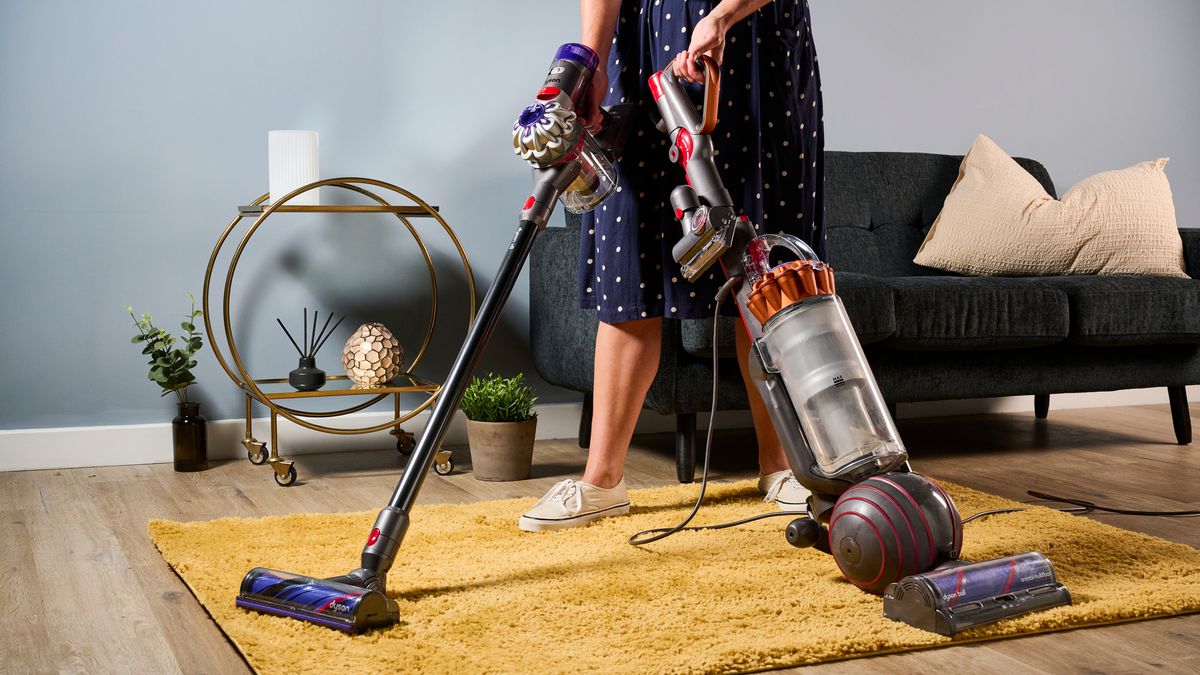
Suction and Real-World Cleaning Performance
Here is where corded models usually win. In lab tests and real homes, corded vacuums tend to deliver higher sustained suction and airflow.
- Suction metrics: Many corded vacuums hit higher air watts and airflow (CFM), and stronger sealed suction (kPa). That helps on deep carpet and thick rugs.
- Debris types: Corded machines usually pull more fine dust from carpet in a single pass. Cordless models do great with daily crumbs, sand, and pet hair on hard floors.
- Brushroll design: Good cordless sticks with anti-tangle brushrolls can beat older corded uprights on pet hair pickup. Look for a motorized floorhead and a soft roller for hard floors.
Personal note: I compared a premium cordless stick to a mid-tier corded canister on a wool rug. The cordless was quick and great for surface hair. The corded unit pulled out a shocking amount of fine grit on the second pass. On tile, the cordless won for speed and ease.
Tip: If you have wall-to-wall carpet or lots of rugs, corded will likely clean deeper. If you have mixed floors and clean often, a high-end cordless can be enough.

Battery Life, Runtime, and Charging
Cordless vs corded vacuum comes into focus here. Runtime rules your cleaning rhythm.
- Typical runtime: Expect 10 to 15 minutes on max power, 25 to 60 minutes on eco or auto. Larger homes may need two batteries.
- Battery care: Modern lithium-ion packs last 300 to 800 cycles. Heat and full discharges shorten life. Store and charge in a cool, dry place.
- Swappable packs: Some cordless models let you swap batteries. This doubles runtime and reduces downtime.
- Charging: Wall docks are handy. A full charge can take 2 to 4 hours.
Cost note: Replacement batteries can cost 20% to 40% of the vacuum price. Factor this into total cost over 3 to 5 years.

Filtration, Allergies, and Indoor Air Quality
Both cordless and corded can protect air quality. The build matters more than the plug.
- HEPA and sealed systems: Look for a fully sealed body and HEPA filtration that captures 99.97% of particles down to 0.3 microns.
- Bagged vs bagless: Bagged corded vacuums trap dust in a self-sealing bag, so you release less dust while emptying. Bagless bins save money but can puff dust when dumped.
- Cyclonic separation: Strong cyclones keep fine dust out of the filter and hold suction longer. Many cordless sticks use multi-cyclonic designs today.
If you have allergies or asthma, choose a sealed HEPA model. If you want mess-free disposal, lean bagged. I keep a bagged corded canister for deep cleans when pollen spikes.
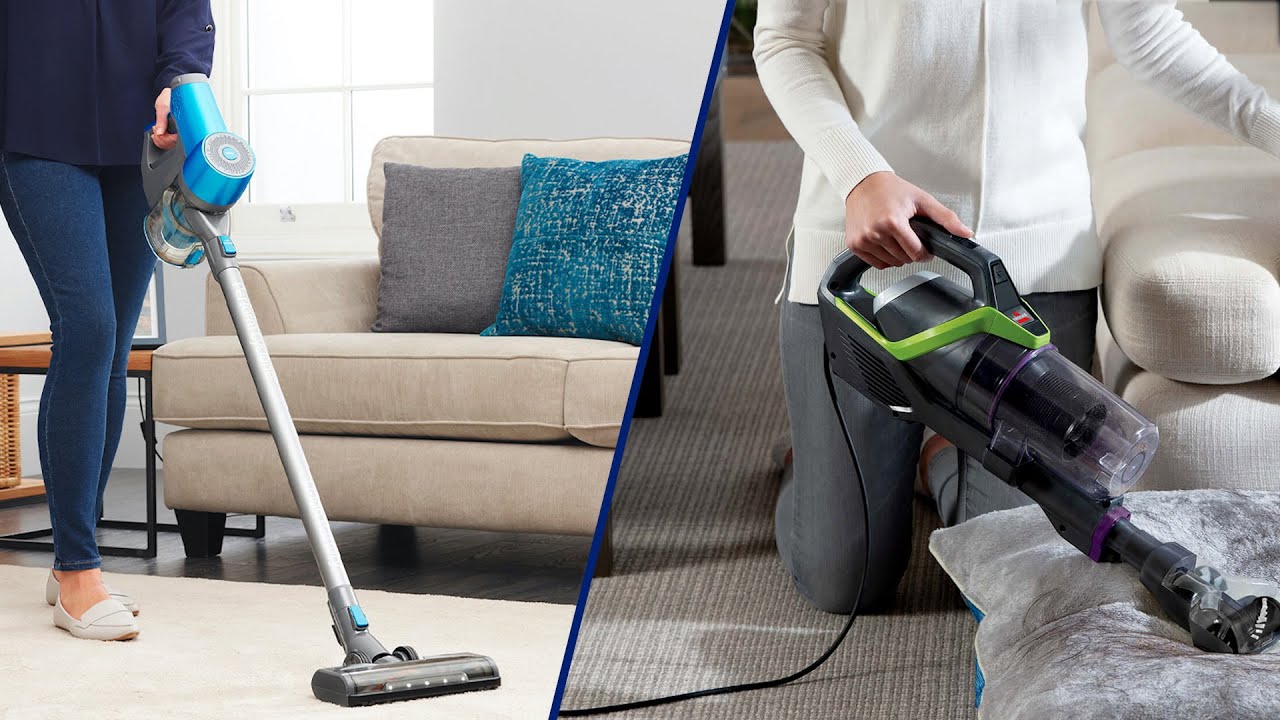
Ease of Use, Weight, and Ergonomics
A tool you love is a tool you use. This is where cordless shines.
- Weight and balance: Cordless sticks are light and quick. But most carry the motor near your hand, which can strain wrists on long sessions.
- Triggers and buttons: Some cordless sticks use a trigger you must hold. If you have hand pain, pick a model with an on/off button instead.
- Cords and outlets: Corded vacuums remove battery stress but add cord fuss. Plan your route to avoid re-plugging.
If you clean in small bursts, cordless feels great. If you do full-house sessions on weekends, corded can be less tiring over time.
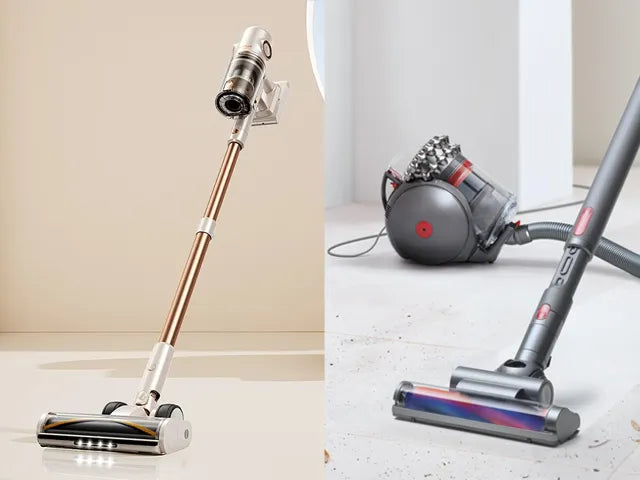
Maintenance and Total Cost of Ownership
Cordless vs corded vacuum costs are not just the sticker price.
- Consumables: Bagged corded models use bags and sometimes belts. Bagless need filter washing or replacing. Cordless adds battery replacements.
- Brushroll care: Hair wraps happen. Look for a tangle-cutting design. Keep scissors nearby for quick trims.
- Five-year picture: A mid-range corded bagged unit plus bags and filters often costs less over five years than a high-end cordless with one battery replacement.
My rule: Budget for filters and one battery over the life of a cordless. For corded, budget for bags or a yearly filter.
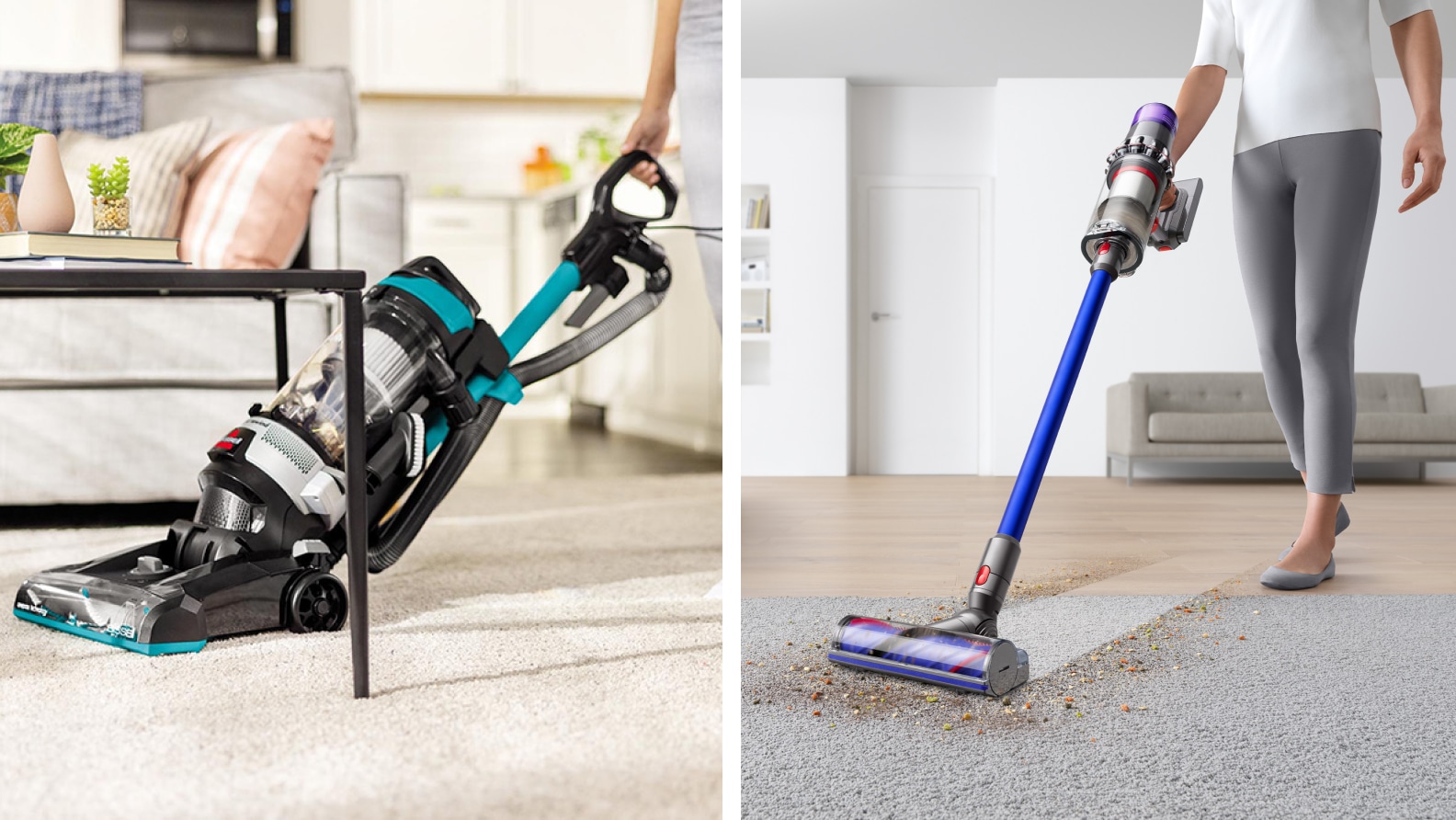
Best Use Cases by Home and Floor Type
Make cordless vs corded vacuum match your space, not your wish list.
- Small apartments and condos: Cordless wins. Light, fast, easy to store. One battery is enough.
- Large homes with carpet: Corded wins. Strong, steady suction and no runtime stress.
- Stairs and cars: Cordless wins. Quick grabs with a mini motorized tool.
- Pet hair and dander: Tie. A good cordless with an anti-tangle head is great for daily hair. A corded deep clean every week or two keeps rugs fresh.
- Workshops and heavy debris: Corded or a shop vacuum is safer and stronger for screws, sawdust, or glass.
Many families do both: a cordless for daily touch-ups and a corded for monthly deep cleans. That combo works wonders.
Noise, Sustainability, and Safety
These details matter more than you think.
- Noise: Cordless sticks are often quieter on low power but can whine on max. Corded can be deeper and louder but steady.
- Energy use: Cordless draws power during charging; corded draws during use. Over a year, energy use is similar for the same cleaning time.
- Battery recycling: Spent batteries need proper recycling. Many retailers accept them. Avoid tossing in the trash.
- Safety: Keep cords clear to prevent trips. For cordless, do not charge on soft surfaces or near heat. Check batteries for swelling.

How to Choose: A Simple Decision Checklist
Use this quick path to decide between a cordless vs corded vacuum.
- Home size: Under 1,200 sq ft points to cordless. Over 1,800 sq ft points to corded or dual setup.
- Floors: Lots of thick carpet favors corded. Mostly hard floors favors cordless.
- Cleaning style: Short, daily bursts favor cordless. Weekly, whole-home sessions favor corded.
- Allergies: Sealed HEPA is a must. Bagged corded is the cleanest to empty.
- Budget: Add battery costs for cordless. Add bags for corded bagged models.
- Storage: Tight closets favor slim cordless sticks with wall docks.
- Pets: Get a motorized mini tool and anti-tangle brushroll, corded or cordless.
If you check more boxes on convenience, go cordless. If you check more boxes on deep clean and long sessions, go corded.
Frequently Asked Questions of Cordless vs Corded Vacuum
Is a cordless vacuum as powerful as a corded vacuum?
Cordless models are catching up, but most corded vacuums still deliver stronger and steadier suction. Premium cordless sticks can match performance for quick cleans, especially on hard floors.
How long do cordless vacuum batteries last?
Most lithium-ion batteries last 2 to 5 years, depending on use and care. Expect 300 to 800 charge cycles before capacity drops.
Are bagged vacuums better for allergies than bagless?
Bagged models reduce dust exposure when you empty them. A sealed HEPA system matters most, whether you choose bagged or bagless.
Can I deep clean carpets with a cordless vacuum?
Yes, if you buy a high-end model with strong suction and a motorized brushroll. For thick carpets or whole-house deep cleans, a corded vacuum is more reliable.
What is the best vacuum for pet hair?
Look for a strong motorized brushroll with anti-tangle features and a mini motorized tool for furniture. Daily hair pickup is easy with cordless; deeper carpet grooming is easier with corded.
How much should I spend on a vacuum?
Good cordless sticks start performing well around the mid-range. Solid corded uprights and canisters offer great value at mid to upper mid-range prices.
Are stick vacuums good for large homes?
They can be, if you have spare batteries and plan your cleaning zones. Otherwise, a corded unit saves time on long sessions.
Conclusion
Cordless vs corded vacuum comes down to your space, your floors, and how you like to clean. Cordless gives speed, freedom, and easy daily upkeep. Corded gives deep, steady power and lower long-term costs. Many homes thrive with both: cordless for daily touch-ups, corded for monthly resets.
Pick the path that fits your routine today. If you are still unsure, list your floors, your square footage, and your cleaning style, then match the checklist above. Ready to go deeper? Subscribe for hands-on reviews, or drop a comment with your home setup and I’ll help you choose.