Place a fitted, perforated liner under food after preheating; don’t block airflow.
If you want cleaner baskets, crisp results, and easier cleanup, you’re in the right place. I’ve tested countless batches to master how to use air fryer liners in real kitchens. This guide explains how to use air fryer liners step by step, when they shine, when to skip them, and how to pick the best type for your fryer and recipes.

What Are Air Fryer Liners?
Air fryer liners are accessories that sit between food and the basket or tray. They protect the surface, reduce sticking, and make cleanup fast. The most common types are:
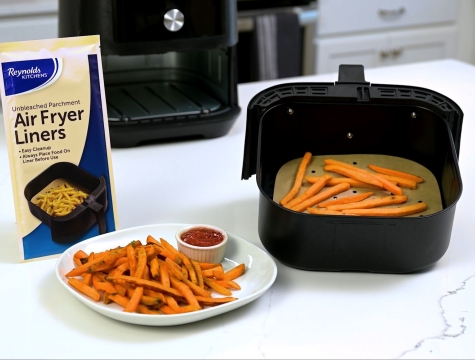
- Perforated parchment liners. Single-use paper with holes that allow airflow and crisping.
- Silicone liners. Reusable, heat-safe mats or baskets with holes and raised ridges.
- Parchment sheets with lifted edges. Paper cups or bowls that keep sauces and crumbs contained.
- Foil with holes. Works in some models, but always check your manual and never block vents.
Most brands warn against placing lightweight paper in an empty, hot fryer. Always weigh down a liner with food, and keep it within the basket so it cannot touch the heating element.
Pros and Cons of Using Air Fryer Liners
Using liners can be a game-changer, but they are not perfect. Here is what to expect.
Benefits
- Faster cleanup. Grease and crumbs lift out with the liner.
- Less sticking. Great for fish, cheese, glazed wings, and saucy foods.
- Basket protection. Fewer scratches and longer nonstick life.
- Better portioning. Paper cups keep muffins, eggs, or small bites tidy.
Limitations
- Airflow can drop if holes are too small or edges curl. That can slow browning.
- Paper can scorch at high heat or if it touches the element.
- Some foods steam more than crisp if the liner blocks air.
- Not all liners fit every basket. Poor fit can cause fly-ups or curling.
How to Use Air Fryer Liners Step-by-Step
Follow these simple steps to get crisp, even results without a mess. This is the same flow I use when teaching friends how to use air fryer liners.
- Check your manual. Confirm parchment, silicone, or foil are allowed for your model.
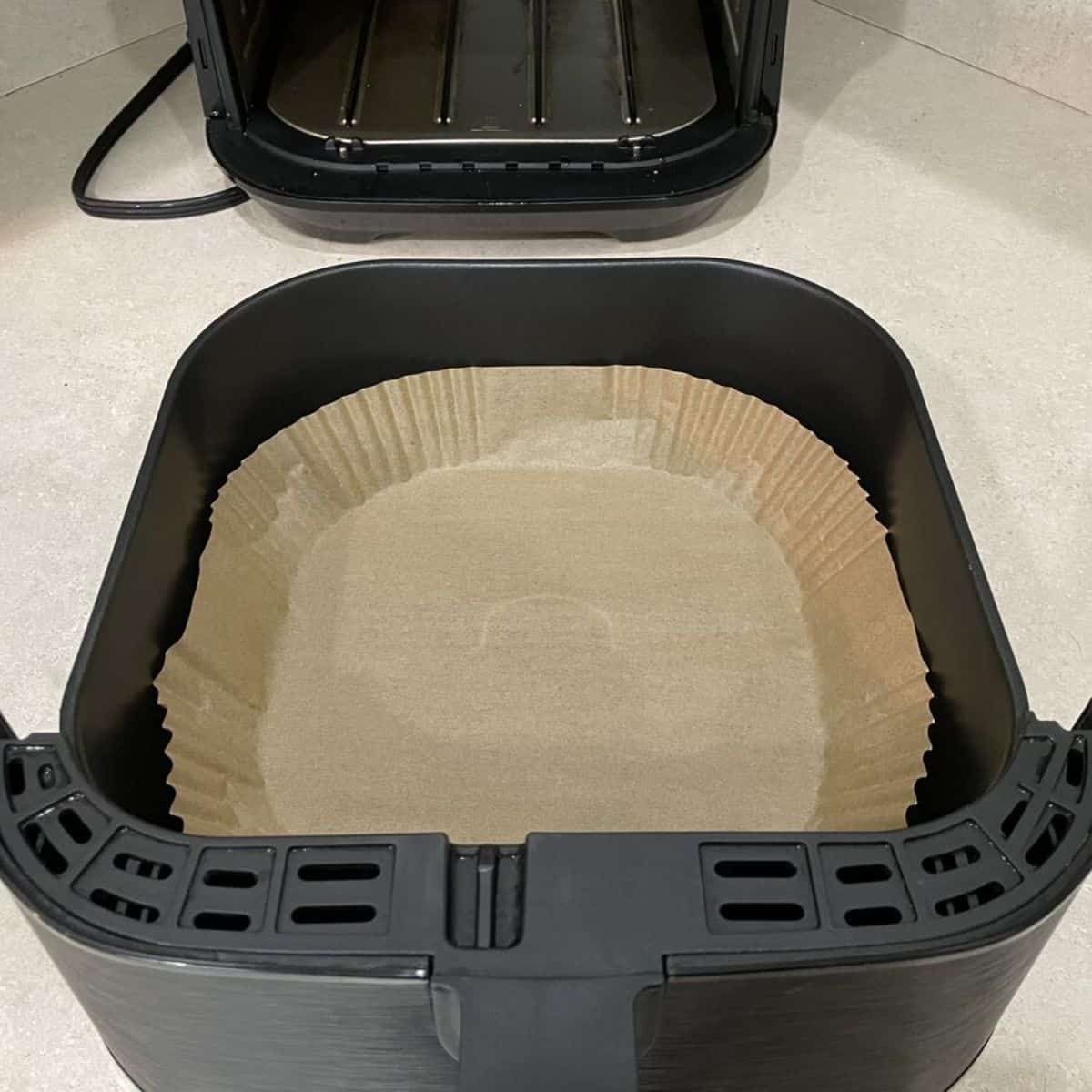
- Pick the right liner. Use a fitted, perforated liner that matches the basket shape.
- Preheat the air fryer. Heat empty, without paper, unless your manual says otherwise.
- Load the liner with food. Place the liner flat in the basket and weigh it down with food.
- Keep edges clear. Do not cover vents, fan inlets, or the heating element area.
- Avoid overloading. Leave gaps between pieces for airflow and crisping.
- Adjust time if needed. Add 1 to 3 minutes when using thicker silicone liners.
- Shake or turn food. Lift edges with tongs if needed to keep the liner flat.
- Check doneness early. Different liners change browning speed a little.
- Cool before removing. Let the liner cool, then lift it out to avoid grease spills.
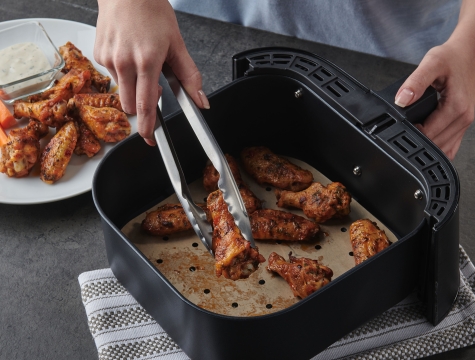
Pro tip from my kitchen: When cooking juicy wings, I trim a small corner off a parchment liner to create a drip path. It keeps the center crisp and prevents pooling.
Safety Tips, Mistakes to Avoid, and When Not to Use Liners
Safety Tips
- Never add empty parchment to a hot basket. Always weigh it down with food.
- Keep paper away from the heating element. It can scorch or burn if it floats.
- Use food-grade parchment or silicone rated for at least 425°F.
- Pat wet foods dry before cooking to prevent steam pockets.
Common Mistakes
- Using non-perforated paper. It blocks air and turns fries soggy.
- Covering the whole basket edge to edge. Leave space around the rim for air.
- Reusing greasy parchment. It breaks down and can smoke on round two.
- Letting liner edges curl up. Trim or pick a better fit.
When to Skip Liners
- You want deep Maillard browning on steaks or burgers.
- You are cooking very light foods that can fly, like kale chips, unless you use a rack.
- Your fryer has a very tight airflow path and warns against liners.
Cleaning, Reuse, and Disposal
Parchment Liners
- Single use only. Discard after cooking once.
- If unstained and uncoated, they may be compostable where allowed.
- Let cool before lifting to avoid dripping hot grease.
Silicone Liners
- Reusable. Wash with warm soapy water or top-rack dishwasher.
- Do not scrub with metal pads. Use soft sponges to protect the surface.
- Dry fully before storage to prevent odors.
Basket Care
- Wipe the basket after each cook. A little dish soap and warm water work best.
- Avoid aerosol sprays with propellants. Use pump oil misters instead.
- If sticky residue builds up, soak for 10 minutes and wipe clean.

Choosing the Right Air Fryer Liners
Picking the right liner makes a big difference. Here is how to choose with confidence.
- Size and shape. Match round or square baskets, and keep edges inside the rim.
- Perforation. More holes mean better airflow for fries and wings.
- Material. Parchment for convenience; silicone for reuse and raised ridges.
- Temperature rating. Look for at least 425°F on parchment and 480°F on silicone.
- Rimmed vs flat. Rimmed cups are great for eggs, muffins, and saucy foods.
- Food safety. Choose food-grade, BPA-free, and dye-free materials.
From years of testing, I’ve found that a pack of pre-cut, perforated parchment plus one good silicone basket covers almost every need. That simple kit made it easy to teach friends how to use air fryer liners without fuss.
Quick Ideas: Best Foods to Cook with Liners
Use liners to make sticky, cheesy, or crumbly foods a breeze. These are my go-to picks.
- Wings with glaze, teriyaki salmon, or barbecue thighs.
- Battered fish, coconut shrimp, or breaded tofu.
- Breakfast bakes, egg cups, and mini frittatas in paper cups.
- Stuffed mushrooms, cheesy garlic bread, or nachos.
- Cookies, hand pies, and reheated pizza slices.
If you care most about crisp fries or steak-level sear, skip the liner or use a thin, well-perforated one. That keeps the focus on airflow and browning.

Troubleshooting Common Issues
Paper flying or burning
- Add food first, then the liner.
- Use a fitted liner with enough weight from the food.
Soggy fries or pale crust
- Use perforated liners and avoid crowding.
- Increase heat or cook 1 to 3 minutes longer.
Smoke during cooking
- Trim excess parchment. Excess paper near elements can scorch.
- Drain rendered fat halfway through if your fryer allows.
Hard-to-clean silicone
- Soak in warm, soapy water for 10 minutes.
- Use a baking soda paste for stubborn film, then rinse well.
If you are still stuck, revisit how to use air fryer liners with a focus on airflow: the more open space around the food and holes in the liner, the better your crunch.

Frequently Asked Questions of How to Use Air Fryer Liners
Do air fryer liners affect cooking time?
Yes, a little. Silicone can slow browning, so add 1 to 3 minutes. Thin, perforated parchment changes time less.
Can I preheat with a liner in the basket?
Do not preheat with empty parchment. Preheat first, then add a liner and food. Silicone is usually fine, but check your manual.
Are silicone liners safe at high heat?
Quality silicone liners are food-grade and heat-safe, often up to 480°F. Always check the rating on the package.
Can I reuse parchment liners?
No. Parchment liners are single-use. They weaken with heat and grease and can tear or smoke if used again.
Do liners reduce crispiness?
They can if airflow is blocked. Choose perforated liners, leave space around the edges, and avoid crowding food.
Is foil safe to use as a liner?
It depends on your model. If allowed, punch holes for airflow and keep foil away from the heating element.
What size liner should I buy?
Measure your basket’s bottom. Buy liners that fit inside without curling up or touching the top.
Conclusion
You now know how to use air fryer liners like a pro: pick the right type, keep airflow open, avoid preheating with empty paper, and match the liner to the recipe. With a fitted, perforated liner, you will get crisp food and easy cleanup, without risking scorch or soggy results.
Try one new recipe this week using a liner, then tweak time and placement until it is perfect. If this guide helped, share it with a friend, subscribe for more real-world kitchen tips, or leave a comment with your best liner hack.