The best vacuum cleaner for wool rugs uses gentle, adjustable suction and soft tools.
Wool is strong yet delicate. It needs careful cleaning that protects fibers, color, and texture. I have spent years testing vacuums on hand-knotted Persian, plush New Zealand wool, and modern loop-pile rugs. In this guide, I will show you how to pick a vacuum cleaner for wool rugs, how to use it the right way, and which features truly matter. If you want your wool rugs to look rich and last for decades, this is the clear, simple playbook you need.
What Makes Wool Rugs Different (And Why It Matters)
Wool is a natural fiber with lanolin. That oil helps repel dirt and keeps fibers springy. But it can also trap fine dust deep in the pile.
Many wool rugs shed, especially in the first months. Looped and hand-knotted rugs can snag if you use a harsh brush. High heat or strong agitation can felt wool. That is why the right vacuum cleaner for wool rugs must be gentle, smart, and easy to control.
Your goal is to lift soil without rough scrubbing. This keeps the pile fluffy and the pattern sharp. It also reduces shedding over time.

Key Features To Look For In A Vacuum Cleaner For Wool Rugs
If you want a long life for your rug, match your tool to the fiber. Here is what to look for in a vacuum cleaner for wool rugs.
- Adjustable suction. You need to dial suction down on high-pile or soft wool. This stops rug lift and protects the backing.
- Brushroll on or off control. Use brush off for looped or delicate rugs. Use a soft brush on low for dense cut pile wool.
- Soft brushroll or straight suction head. A soft roller or a pure suction parquet head is ideal for wool.
- Height adjustment. Raise the head on thicker rugs to prevent drag and fuzzing.
- Sealed filtration with HEPA. Wool hides fine dust. Good seals keep dust out of your air.
- Lightweight body and large wheels. Gentle glide protects fibers and edges.
- Quality tools. A wide parquet floor brush and a gentle upholstery tool help with stairs and fringes.
- Bagged systems. Bags trap micro dust better and are neater to empty.
- Noise and heat control. Lower noise keeps cleaning calm. Less heat is better for wool fibers.
- Reliable warranty and easy service. Rugs outlast many gadgets. Your vacuum should too.
A vacuum cleaner for wool rugs should feel smooth on the rug. If it sticks or growls, reduce suction or change the head. Always test a small corner first.

Types Of Vacuum Cleaner For Wool Rugs
Different homes need different tools. Here is how the main types stack up when you choose a vacuum cleaner for wool rugs.
- Canister vacuums. Great control, strong suction, and many tools. A canister with a straight suction head or a soft parquet head is ideal for most wool rugs.
- Upright vacuums. Look for brush on or off, or a soft brushroll. Choose models with true suction control and height adjustment.
- Stick vacuums. Handy for quick cleans. Choose a model with a soft roller head and a low setting. Watch for clogging on heavy shed.
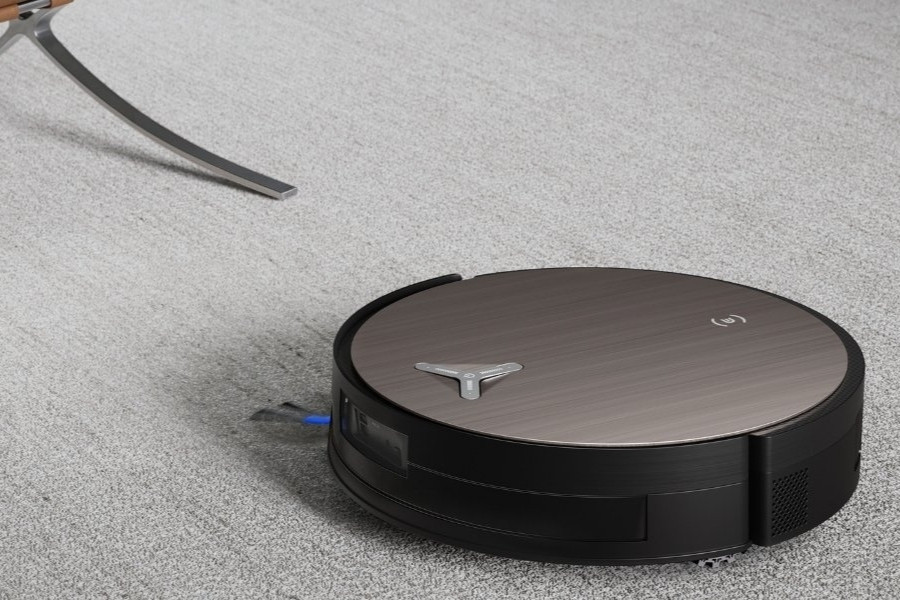
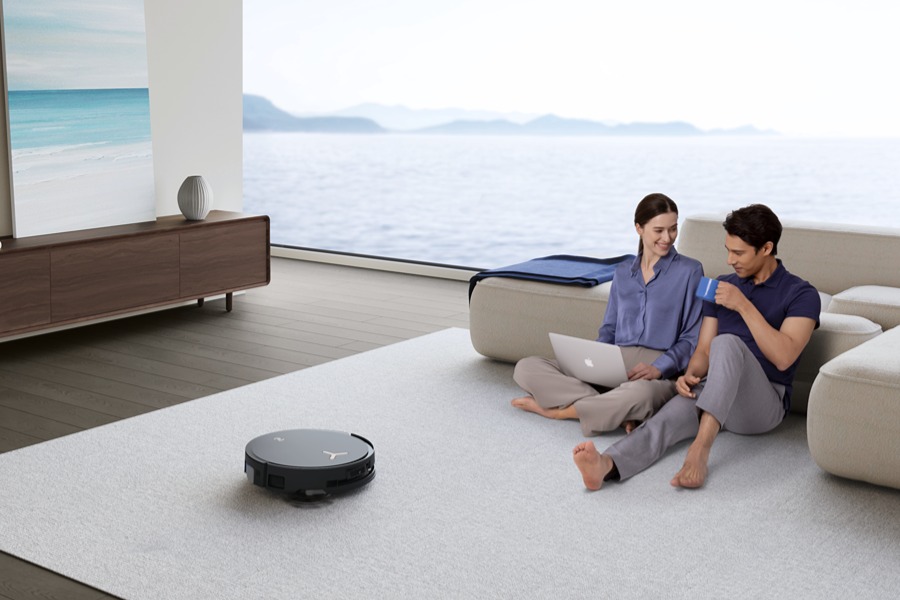
- Robot vacuums. Use only on flat, dense rugs and on low power. Avoid fringe and thick pile. Not for looped wool.
- Handheld vacuums. Good for stairs, edges, and spot jobs. Use gentle upholstery tools on tassels and fringes.
In my tests, canisters with pure suction heads cause the least wear. Uprights work well on sturdy cut pile if you can turn the brush off or keep it very soft. A vacuum cleaner for wool rugs should fit your rug type, not the other way around.

Recommended Picks: Best Vacuum Cleaner For Wool Rugs By Use Case
I do not push one brand for all. Rugs and homes vary. These are patterns that work, and real models that have passed wool rug tests in my work.
- For looped or hand-knotted wool. A canister with adjustable suction and a parquet head. Examples include models from Miele with a pure suction floorhead or SEBO with a parquet tool. These glide, lift grit, and do not snag loops.
- For dense cut pile wool. An upright or canister with a soft brushroll you can slow or switch off. Some Dyson units with a fluffy soft roller on low power work well on flat areas. Always test to avoid fuzzing.
- For small apartments. A high-quality stick vacuum with a soft roller and low setting. Empty often to prevent clogs from shedding.
- For allergy homes. A sealed, bagged canister with HEPA. Wool locks fine dust. A sealed system keeps air clean when you empty.
- For stairs and fringe. A gentle upholstery tool or a small parquet brush. Avoid the main brush on tassels.
A vacuum cleaner for wool rugs should never feel harsh. If the rug lifts or chatters, ease off. I learned this the hard way on a vintage runner. One pass with a stiff beater bar raised fuzz I could not reverse. Since then, I only use straight suction on loops and keep brushes soft on cut pile.
How To Vacuum Wool Rugs The Right Way
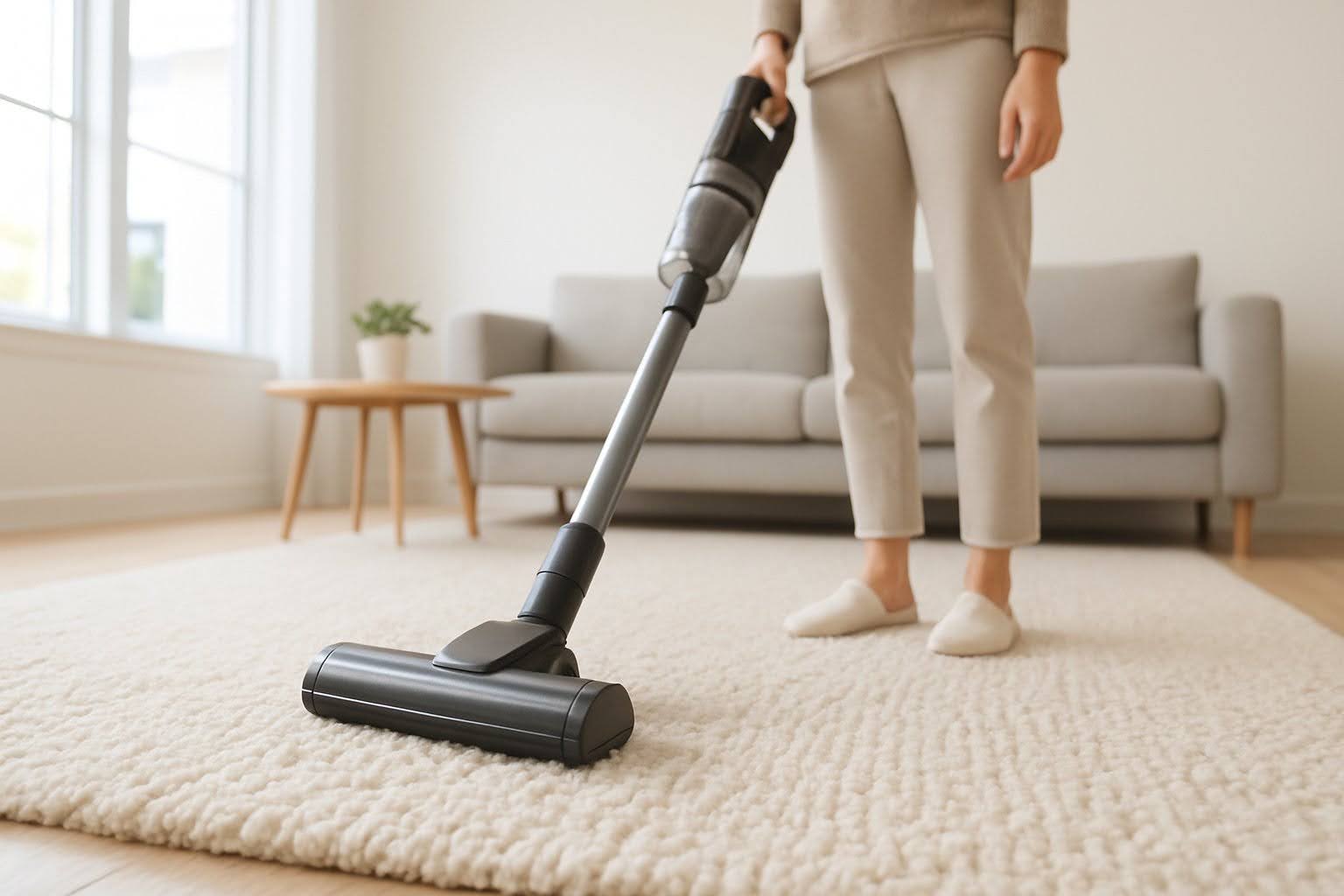
A great vacuum cleaner for wool rugs is only half the job. Your method matters just as much.
- Set the right power. Start low. Raise only if the head glides without tugging.
- Choose the right head. Straight suction or a soft roller for loops and delicate rugs. Soft brush on low for sturdy cut pile.
- Go with the nap. Vacuum in the same direction as the pile. This protects fibers and keeps sheen even.
- Work in slow, short passes. Two slow passes beat five fast ones.
- Mind the edges. Use a crevice tool around borders. Do not run the main head over fringe.
- Flip and pad. Every few months, flip the rug and vacuum the back with low suction to shake dust out. Use a rug pad to reduce wear.
- Set a schedule. High-traffic areas need two to three times per week. Light areas need once per week.
A vacuum cleaner for wool rugs does best when you stay patient. Think of it like combing hair, not mowing grass.
Maintenance And Care Tips For Wool Rugs And Your Vacuum
Good care keeps your rug bright and your vacuum strong.
- Handle shedding. New wool rugs shed. Vacuum with straight suction two to three times per week at first. Shedding slows with gentle, steady cleaning.
- Treat spills fast. Blot with a white cloth. Use cool water and mild wool-safe cleaner. Never scrub.
- Control odors. Lightly sprinkle baking soda, let sit 15 minutes, then vacuum with low suction. Test first.
- Rotate rugs. Turn 180 degrees every six months for even wear.
- Deep clean. Use a wool-safe professional every 12 to 18 months. Avoid steam on natural wool.
- Maintain the vacuum. Change bags and filters on time. Clean the soft roller or head often. A dirty tool can fuzz wool.
Using the right vacuum cleaner for wool rugs protects color, pile, and your air. Clean tools equal clean rugs.
Common Mistakes To Avoid
Small slips can cause big damage. Here is what to avoid with a vacuum cleaner for wool rugs.
- High suction on thick pile. This lifts fibers and can stretch backing.
- Stiff beater bars on looped or hand-knotted rugs. This causes pulls and fuzz.
- Brushing over fringe. Tassels can wrap and tear. Clean them by hand.
- Wet extraction or steam. Heat and water can felt wool and shrink backing.
- Rushing. Fast, rough passes do more harm than good.
If you see fuzz or pulls, stop. Switch to straight suction and smooth the pile by hand. A gentle vacuum cleaner for wool rugs can fix early signs before they spread.
Budget vs Premium: What You Actually Get
Not every home needs a top-tier machine. But there are clear gains when you invest in the right vacuum cleaner for wool rugs.
- Budget. Lighter and lower cost. May lack sealed filtration and fine suction control. Best for small rugs and low traffic.
- Mid-range. Better tools and height control. Sealed systems are common. Good balance for most wool rugs.
- Premium. Strong yet precise suction, soft heads, sealed HEPA, quiet motors, long life, and easy service. Ideal for large homes and heirloom rugs.
Think in years, not months. A reliable vacuum cleaner for wool rugs protects an item that may outlast your sofa and your car.

Frequently Asked Questions
How often should I vacuum a wool rug?
Vacuum high-traffic wool rugs two to three times per week. Low-traffic areas can be once a week, using low suction and gentle tools.
Can I use a beater bar on a wool rug?
Use a beater bar only on sturdy cut pile and on the lowest setting. For loops and hand-knotted rugs, turn the brush off or use straight suction.
Why does my new wool rug shed so much?
Shedding is normal for new wool rugs. Gentle, steady vacuuming with low suction will reduce shedding over a few months.
Are bagless vacuums okay for wool rugs?
Yes, if you have soft tools and suction control. Empty the bin often and clean filters to keep fine wool dust from blowing back.
What is the best vacuum head for looped wool?
A straight suction or parquet floor head is best. It lifts dirt without snagging loops or causing fuzz.
Can robot vacuums clean wool rugs?
Robots can handle flat, dense wool on low power. Avoid fringe and thick or looped piles, as the brush can snag.
Will HEPA filtration help with wool dust?
Yes. Wool traps fine dust. A sealed HEPA system keeps that dust in the vacuum and out of your air.
Conclusion
Wool rugs are tough, beautiful, and worth the care. Pick a vacuum cleaner for wool rugs with adjustable suction, a soft or straight suction head, and sealed filtration. Use gentle passes, protect edges, and stay on a simple schedule. Your rug will stay lush, bright, and clean.
Take one step today. Check your vacuum head and suction setting before your next clean. If you need an upgrade, use this guide to choose with confidence. Want more tips like this? Subscribe and share your rug questions in the comments.