Coffee manga blends café life, brewing craft, and heartfelt stories in comic form.
If you love the smell of fresh beans and cozy café scenes, coffee manga is your lane. I’ve spent years reading food and slice-of-life series, brewing along as I turned the pages. In this guide, I’ll show you what makes coffee manga special, how it grew from Japanese kissaten culture, and how to find great reads. You will also get practical tips, brewing ideas, and picks to match your mood. Settle in with a warm cup and explore coffee manga with me.

What Is Coffee Manga?
Coffee manga is a subgenre of food and slice-of-life manga that centers on coffee. It focuses on cafés, baristas, beans, and the small moments that start over a cup. It can be sweet, serious, or even romantic. But at the core, it celebrates the ritual of brewing and the people it brings together.
These stories are often slow and gentle. Many use sensory detail to show aroma, steam, and the shine of a perfect crema. Some go deep on gear and craft. Others use coffee as a symbol for care, rest, or change.
Common traits include:
- Café or kissaten settings with repeat regulars
- Barista characters learning skills or life lessons
- Bean origins, roasting, and brewing methods
- Warm themes like found family and second chances
Coffee manga feels like a pause in a busy day. It is a small joy you can hold in your hands.

Why Coffee Manga Captivates Readers
Coffee manga makes you slow down. The pages breathe. You can almost hear the gentle drip and clink of cups. That quiet mood pairs well with stories about work, love, and community.
I love the way coffee manga teaches through scenes, not lectures. A character explains pour-over to a friend who is having a rough day. Another learns to dial in a grinder to win a small local event. The craft serves the story.
Readers come for different reasons:
- Comfort after a long day at work
- Insight into brewing at home
- A cozy world where small acts matter
- Light romance or friendship built over cups
Coffee manga is also great for beginners. You can learn simple tips without heavy jargon. And you enjoy it even if you never brew at home.

The Cultural Roots: From Kissaten To Third Wave
Kissaten are classic Japanese coffee houses. Many use siphon brewers and serve light meals. They value quiet space, slow service, and care. That vibe shaped the mood of coffee manga. It set the scene for warm counters and a regular cast of guests.
As third wave coffee grew, cafés shifted too. Light roasts, single origin beans, and manual brews took off. Manga began to show pour-over gear like the Hario V60 and gooseneck kettles. You see tasting notes, origins like Ethiopia or Colombia, and seasonal menus.
Japan is one of the world’s biggest coffee importers. Convenience store coffee is a daily habit for many. With coffee woven into daily life, it is no surprise coffee manga found a large, loyal audience.

Representative Works And Where They Fit
Coffee manga spans many tones. Some titles are romance-forward. Others are craft-focused or pure slice-of-life.
Useful frames to explore:
- Cozy café slice-of-life. Light comedy, regulars, small wins, and latte art.
- Romance with a coffee motif. Love blossoms in offices or cafés; coffee signals trust or care.
- Craft and competition. Baristas train, learn extraction, and enter small contests.
- Nostalgic kissaten stories. Showa-era shops, jazz records, and siphon brews.
A familiar romance example is Coffee & Vanilla, where coffee is a style cue and soft mood. Café-focused, cute daily-life series also shine. You can find them in anthologies and four-panel formats. There are craft-heavy indie works too, often in seinen magazines or on web platforms.

Core Themes, Tropes, And Why They Work
Coffee manga uses coffee to explore change and care. It turns everyday acts into meaning.
Frequent themes:
- Healing and routine. Brewing is a grounding ritual for stressed characters.
- Skill and service. Baristas learn, fail, and improve for the sake of guests.
- Community and belonging. Regulars form a gentle support net.
- Curiosity and travel. Beans, farms, and origins spark wonder and respect.
Typical tropes:
- The quiet master barista who listens more than they talk
- The nervous new hire who grows through practice
- The lost guest who finds a seat and a new start
- The old kissaten with a secret blend and deep history
These patterns feel human. They show patience and craft without drama overload. The result is calm but not dull.

How Coffee Is Shown On The Page
Great coffee manga makes you taste with your eyes. Artists use texture, steam curls, and light to suggest flavor. A thick black panel can hint at deep body. Thin lines can imply a bright, citrus cup.
Common visual cues:
- Close-ups of bloom and drip timing
- Sound effects for grind, pour, and hiss
- Diagram-like frames that teach without breaking the scene
- Tasting notes in captions that match faces and mood
When I tested recipes from a chapter, the panels acted like a guide. Timing, kettle height, even grind size were there in the art. It felt like a friend showing me the steps.
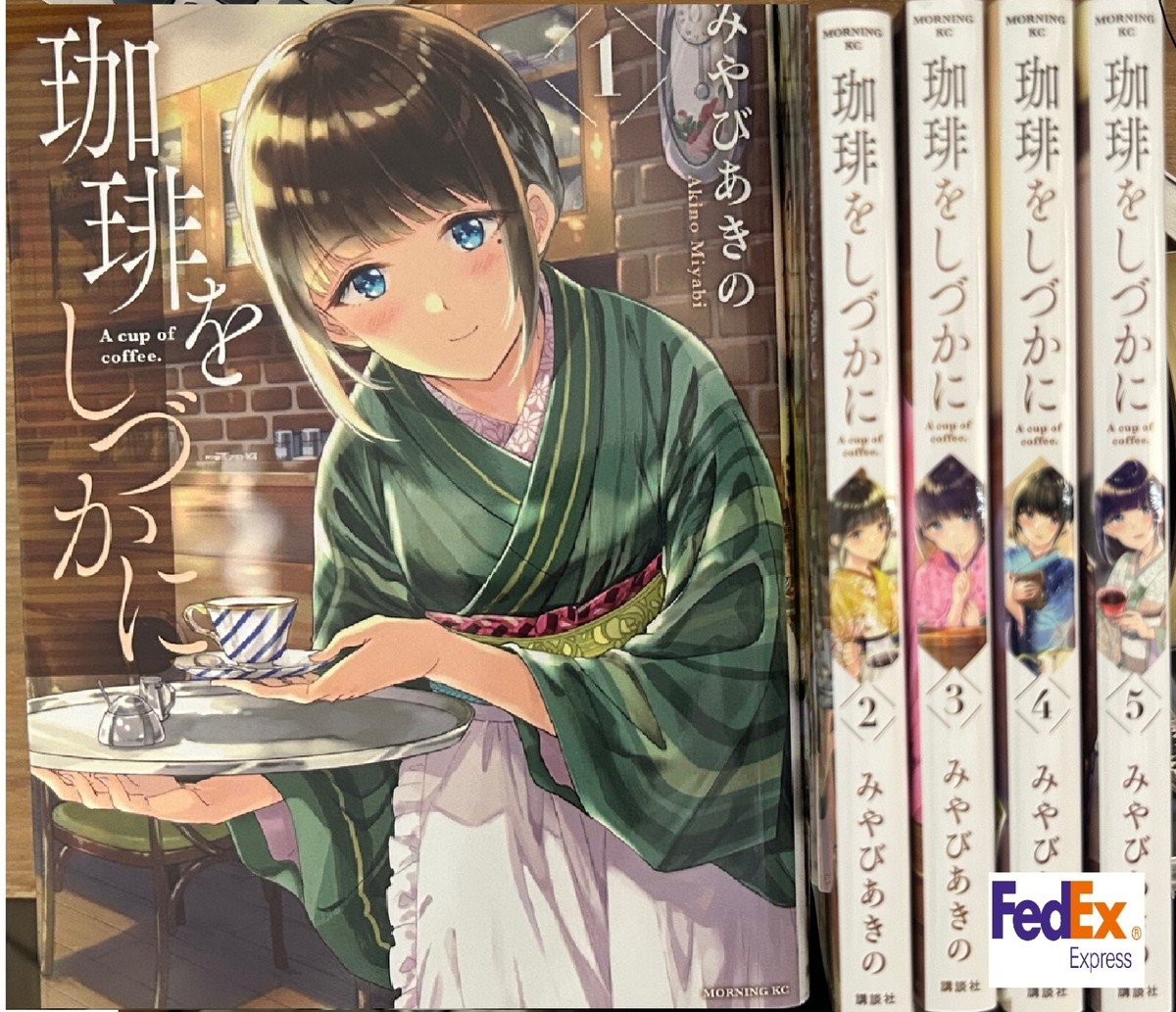
How To Start Reading Coffee Manga
You can begin with what you already love. Do you want romance, craft, or cozy life? Pick one mood and try a sample chapter.
Practical steps:
- Search terms like coffee manga, café manga, kissaten manga, or barista manga
- Check legal platforms for previews and digital volumes
- Look for four-panel formats if you want quick, light reads
- Read a volume at a café and see if the mood fits you
If you read in English, start with licensed editions or official web releases. Some series use coffee as a theme more than a lesson. That is fine. Enjoy the tone, then move to craft-heavy picks when you want more depth.

Brew-Along: A Simple Pour-Over Inspired By Coffee Manga
Here is a gentle method you can use while you read. It is simple, calm, and forgiving.
You need:
- Fresh medium-light roast beans
- Burr grinder set to medium-fine
- Dripper and filter
- Kettle with a steady pour
- Scale and timer
Steps:
- Use 15 grams coffee to 250 grams water, about 1:16.7.
- Heat water to around 200°F. Rinse the filter.
- Bloom with 40 grams water for 35 seconds.
- Pour in slow circles to 150 grams by 1:15.
- Finish to 250 grams by 2:10. Let it draw down by 2:45 to 3:00.
- Sip. Note sweetness, acidity, and body.
This is the kind of recipe you see in craft-forward coffee manga. Tweak grind or pour pace to taste.

Personal Notes, Lessons, And Mistakes To Avoid
My first coffee manga made me buy a hand grinder. I was sure I would nail it on day one. I did not. My cup was bitter and flat. The next day, I slowed my pour and raised the grind two clicks. It bloomed better and tasted sweet.
What I learned:
- Go slower than you think
- Take one small note per brew
- Change only one thing at a time
- Pair chapters with cups to mark progress
Avoid these common errors:
- Rushing the bloom. Let gas escape.
- Overfilling the filter. Keep the bed even.
- Skipping water quality. Use filtered water.
- Chasing gear before skill. Practice first.
Recommendations By Mood And Taste
Different readers want different flavors. Use your taste to guide your next pick.
Try these paths:
- You want pure cozy. Look for café slice-of-life with regulars and soft humor.
- You want craft tips. Seek barista training arcs and small contests.
- You want romance. Choose office or campus stories where coffee sets the tone.
- You want retro vibes. Search for kissaten settings with jazz and siphon scenes.
As you explore, keep a small reading journal. Note what each coffee manga does well. Match it with a bean or brew you tried. It turns reading into a fun ritual.
Industry And Creator Insights
Creators often consult real baristas to keep scenes accurate. They watch extraction, record times, and sketch tools. That is why panels feel true to life. You can see the care in the details.
Market notes:
- Café and food stories do well in magazines known for slice-of-life
- Digital platforms help niche genres like coffee manga find global fans
- Readers value gentle stakes and steady release schedules
Surveys show strong interest in everyday craft stories. Coffee manga fits that trend. It mixes know-how and heart in a way that travels well.
Collecting, Formats, And Care
You can read coffee manga in print or digital. Each has perks.
Print perks:
- Thicker paper shows texture and tones well
- Feels right for cozy reading at a café
- Easy to lend to a friend
Digital perks:
- Quick access and lower cost
- Space-friendly for long series
- Zoom helps with small text and diagrams
Collecting tips:
- Buy from official stores to support creators
- Use book sleeves to prevent bent corners
- Keep volumes away from sun and moisture
Frequently Asked Questions
What is coffee manga?
Coffee manga is a type of comics that focus on cafés, baristas, and brewing. It blends craft details with slice-of-life stories and warm themes.
Is coffee manga only about brewing tips?
No. Many series use coffee as a backdrop for relationships and growth. Some do teach brewing, but story and mood come first.
Where can I legally read coffee manga?
Check official digital platforms and licensed print releases. Many offer free sample chapters to help you choose.
Do I need coffee gear to enjoy it?
Not at all. You can enjoy the art and stories on their own. If you want to brew along, start with a simple pour-over setup.
Is Coffee & Vanilla considered coffee manga?
It is more of a romance that uses coffee as a motif. If you want deep brewing detail, look for craft-focused coffee manga instead.
Are there café manga suitable for younger readers?
Yes. Some café slice-of-life series are light and wholesome. Always check age ratings and content notes first.
How realistic are the brewing scenes?
Many are quite accurate and often based on real methods. Times, ratios, and tools in coffee manga usually reflect café practice.
Can coffee manga help me brew better?
It can spark interest and offer simple tips. Pair it with basic guides and practice to improve your cup.
Conclusion
Coffee manga is comfort, craft, and community poured into panels. It slows the day and gives you a seat at a small, kind world. You learn by watching people care for each other, one cup at a time.
Try one series that fits your mood and brew a cup while you read. Note what you taste and what you feel. If this guide helped, subscribe for more reading picks, brewing tips, and cozy culture deep dives.