
For many homes in the United States, a bagged vacuum cleaner is a simple and clean way to remove dust, pet hair, crumbs, and soil from carpets and floors. It stores debris in a replaceable bag instead of a bin. This can reduce contact with dust during emptying, but it also adds the ongoing cost of buying bags.
A bagged model is often a good fit for people with allergies, homes with pets, large carpeted areas, or anyone who wants low-mess maintenance. A bagless vacuum may cost less to run, but it can release dust when its bin is emptied. The better choice depends on your floor type, cleaning habits, storage space, and budget.

What Is a Bagged Vacuum Cleaner?
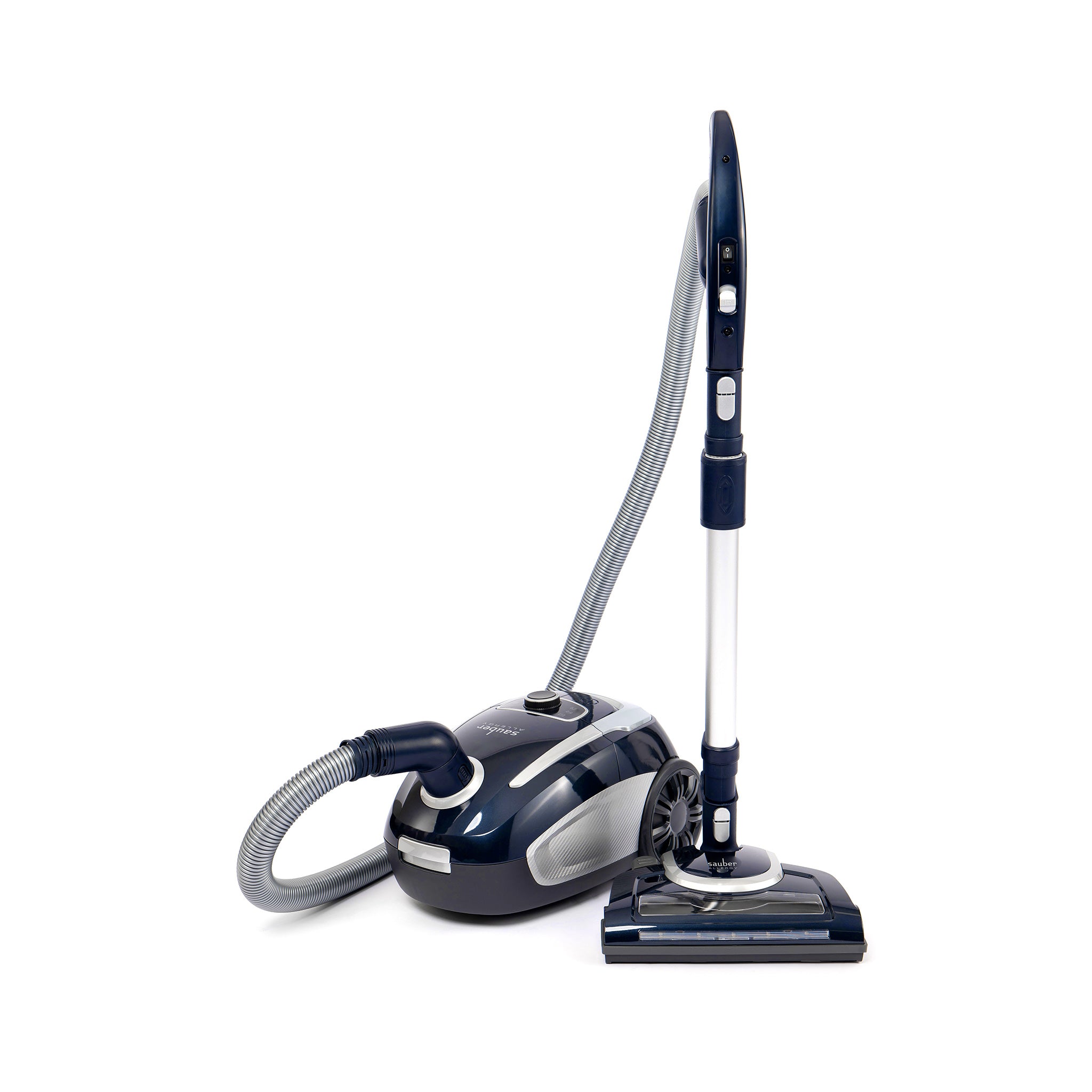
A bagged vacuum cleaner uses a disposable or reusable bag to collect dirt. The motor creates suction, draws air through the floor head, and moves dust into the bag. The bag acts as a storage chamber and, in many models, as part of the air filtration system.
Most bagged vacuums include:
- A motor and fan
- A floor head or cleaning nozzle
- A dust bag
- One or more filters
- A hose or air path
- A full-bag indicator on some models
- A power cord or rechargeable battery, depending on the design
When the bag fills, you remove it and install a new one. Some bags close automatically when removed. This feature helps keep dust inside, but the exact design varies by brand and model.
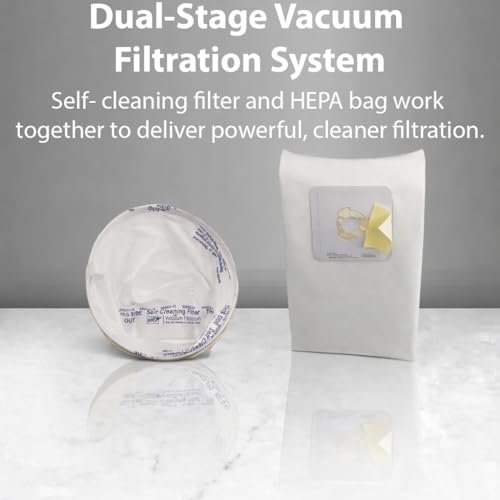
A bag is not the same as a HEPA filter. The bag may trap much of the dirt, while a separate HEPA filter cleans the air that leaves the machine. The U.S. Environmental Protection Agency defines HEPA filtration by a test performance of at least 99.97% removal of particles measuring 0.3 microns under specified conditions. A vacuum labeled “HEPA” should still be checked for the exact model and filter design.

How Does a Bagged Vacuum Work?
A bagged vacuum works by moving dirty air through the floor head, hose, bag, and filters before sending the cleaned air back into the room.
The basic process is:
- The motor spins a fan.
- The fan lowers air pressure inside the vacuum.
- Air moves from the floor into the cleaning head.
- Dirt travels through the hose or air path.
- The bag catches most of the debris.
- The filters catch smaller particles.
- Filtered air exits through the exhaust port.
The bag must allow air to pass through while holding back dirt. As the bag fills, its pores become covered with dust. Airflow may then drop, even if the motor is still running.
This is why a vacuum can sound normal but clean poorly. A full bag, blocked hose, dirty filter, or worn floor brush can reduce cleaning performance.
A bagged vacuum does not automatically have stronger suction than a bagless vacuum. Cleaning ability also depends on the motor, airflow, floor head, brush design, seals, and filtration system. Independent tests should be used when comparing specific models.
Bagged vs. Bagless Vacuum Cleaners
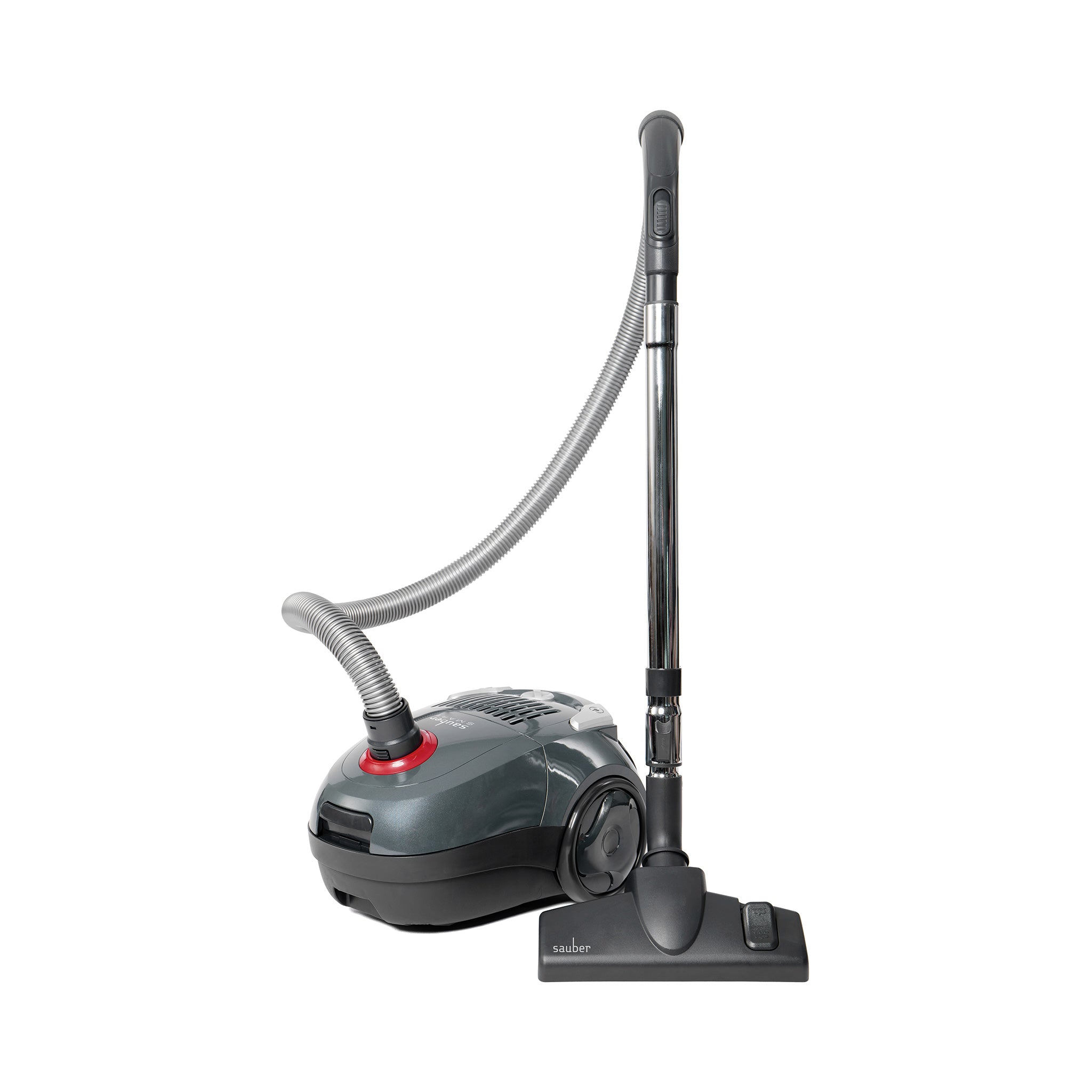
The main difference is how each vacuum stores dirt. A bagged model uses a sealed or semi-sealed bag. A bagless model stores dirt in a reusable dust bin, often with a cyclone system.
| Feature | Bagged vacuum | Bagless vacuum |
|---|---|---|
| Dust storage | Replaceable bag | Reusable bin |
| Emptying | Usually low mess | Can release dust during emptying |
| Ongoing cost | Requires replacement bags | Usually no bags to buy |
| Airflow when full | May drop as the bag fills | May drop when the bin or filter is dirty |
| Maintenance | Replace bags and filters | Empty bin and wash or replace filters |
| Storage | Requires extra bags | Does not need bag storage |
| Allergy concerns | Often easier to empty cleanly | May expose the user to dust |
| Environmental impact | Creates used bags | Creates less disposable waste but may use more washable parts |
A bagged vacuum may suit you better if you:
- Have asthma or allergies and want less dust contact
- Own pets that shed heavily
- Clean large areas at once
- Prefer simple disposal
- Do not want to wash a dust bin
- Want the vacuum to hold a large amount of dirt
A bagless vacuum may suit you better if you:
- Want to avoid buying bags
- Prefer to see when the bin needs emptying
- Have limited storage space
- Are comfortable cleaning filters and bins
- Need a compact or cordless design
Neither type is best for every home. The most useful comparison is not “bagged or bagless” alone. Check how well the exact vacuum cleans your floor, controls dust, and handles routine care.

Benefits of a Bagged Vacuum Cleaner
A bagged vacuum can offer several practical advantages.
Less Dust During Emptying
A closed bag can reduce the dust cloud that may occur when a bin is emptied. Some bags have a self-sealing flap that closes the opening before removal. This can be useful in homes with dust-sensitive people.
However, no vacuum can guarantee that no particles escape. The bag, housing, seals, and exhaust filter all affect dust control.
Larger Dirt Capacity
Many full-size bagged vacuums hold more dirt than compact bagless models. This can reduce how often you stop to empty the machine, especially in homes with pets or wall-to-wall carpet.
The capacity listed by a manufacturer may not equal the amount of dirt you can use before performance falls. Airflow can decline before the bag looks completely full.
Simple Routine Care
Routine care is often straightforward:
- Replace the bag when full or when airflow drops
- Check the brush roll
- Replace filters as the manual directs
- Inspect the hose for clogs
- Keep the floor head free of wrapped hair
You do not usually need to wash a dirt bin after each use. Still, a bagged vacuum is not maintenance-free.
Good Dust Containment Potential
A bagged system can provide strong dust containment when the bag fits correctly and the vacuum has good seals and filters. This is a system feature, not a guarantee that every bagged vacuum is suitable for allergy control.
Look for specific wording such as:
- HEPA exhaust filter
- Sealed filtration system
- Self-sealing bag
- Certified filtration claims
- Replacement bag compatibility
Treat broad phrases such as “allergy-friendly” as marketing unless the manufacturer explains the test or design behind the claim.

Drawbacks of Bagged Vacuums
The main disadvantages are ongoing bag costs, limited bag compatibility, and the need to keep replacement bags available.
Replacement Bags Add Cost
The yearly cost depends on how often you vacuum and how much dirt your home produces.
Hypothetical example:
- One bag every 6 weeks
- About 8.7 bags per year
- $4 per bag
- Estimated annual bag cost: about $35
A home with several pets may use bags faster. A small apartment with hard floors may use fewer. Check the price and availability of bags before buying the vacuum.
You Can Run Out of Bags
A bagged vacuum may become unusable if you do not have the correct replacement. This matters more for older models or brands with limited U.S. distribution.
Before purchase, check:
- The bag number
- Whether the bag is sold in local stores
- Whether generic bags fit safely
- Whether the vacuum requires a specific sealing collar
- Whether the bags are still made
A bag that fits loosely can allow dust to bypass the intended filtration path.
Performance Can Decline as the Bag Fills
Some vacuums maintain airflow well as the bag fills. Others lose suction sooner. The manual may state when to replace the bag, but a full-bag indicator is more useful than guessing from appearance.
Replace the bag when:
- The full-bag indicator changes
- Suction drops
- The vacuum makes an unusual sound
- The exhaust becomes warmer than usual
- The bag looks swollen or packed with debris
Do not compress the bag to force more dirt into it. That can restrict airflow and place extra strain on the motor.

How to Choose the Best Bagged Vacuum Cleaner for Your Home
Choose the vacuum based on your floors, debris, cleaning area, and maintenance needs. “Best” depends on the home, not just the brand.
1. Match the Vacuum to Your Floors
For mostly carpet, look for:
- A powered brush roll
- Height adjustment or automatic floor sensing
- Strong edge cleaning
- A brush-roll shutoff for delicate rugs
- A wide cleaning head for large rooms
For mostly hard floors, look for:
- A soft floor setting
- Brush-roll shutoff
- A floor tool that does not scatter crumbs
- Gentle wheels that will not mark finished floors
For homes with both carpet and hard floors, a vacuum with easy floor controls is more convenient than one that requires frequent tool changes.
2. Consider Pets and Long Hair
Pet hair can wrap around a brush roll and reduce cleaning performance. If you have dogs, cats, or people with long hair, choose a model with:
- A powered brush roll
- Easy brush-roll access
- A pet tool for stairs and furniture
- Strong airflow at the hose
- A bag with enough capacity for frequent fur
A “pet” label does not prove that a vacuum will remove all hair from every carpet. Carpet height, hair type, and brush design still matter.
3. Check Filtration Claims Carefully
If dust control is a priority, look for a documented filter type and a well-sealed design. A HEPA filter can capture very small particles under its test conditions, but the complete vacuum must direct air through the filter.
Ask these questions:
- Is the HEPA filter included or sold separately?
- Is it washable or replaceable?
- How often does the manual say to replace it?
- Does the manufacturer describe a sealed system?
- Are replacement filters easy to find in the United States?
Do not wash a filter unless the manual says it is washable. Water can damage some filter media and may allow mold growth if the part is put back while damp.
4. Check Weight, Reach, and Storage
A heavy upright vacuum may clean carpet well but feel tiring on stairs. A canister vacuum may be easier to pull across floors but require more storage space.
Compare:
- Vacuum weight
- Cord length
- Hose length
- Wand reach
- Handle height
- Stair-cleaning method
- Onboard tool storage
- Parking or storage position
A long cord can reduce outlet changes. A long hose can help with stairs and ceiling corners, but only if the hose remains easy to control.
5. Calculate the Total Cost
Do not compare only the purchase price.
Use this simple estimate:
Total first-year cost = vacuum price + bags used in one year + replacement filters + likely accessories
For example, a $250 vacuum that uses $35 of bags and $20 of filters in its first year has an estimated first-year cost of $305. This is a hypothetical calculation, not a prediction of actual use.
Also consider warranty length, repair support, and whether parts are available. A low purchase price may not be a good value if bags and filters are difficult to find.

How to Use a Bagged Vacuum Correctly
Correct use helps protect airflow and improves cleaning results.
- Set the floor control correctly. Use the carpet setting for carpet and the hard-floor setting when the manual recommends it.
- Move slowly on carpet. A slower pass gives the brush roll and airflow more time to lift dirt.
- Overlap each pass. Slight overlap reduces uncleaned strips.
- Do not vacuum wet material unless the machine is designed for it. A standard household vacuum is usually for dry debris only.
- Keep large objects out of the floor head. Coins, toys, and hard debris can block the hose or damage the brush roll.
- Watch the full-bag indicator. Replace the bag before airflow drops sharply.
- Clean the brush roll. Cut away wrapped hair only when the vacuum is unplugged or powered off.
- Store replacement bags in a dry place. Damp bags can become damaged or develop odor.
For a high-traffic U.S. home, vacuuming frequency depends on occupants, pets, outdoor soil, and floor type. Clean entrance areas and busy paths more often than spare rooms.

Bagged Vacuum Troubleshooting
Start with the safest and simplest checks. Unplug a corded vacuum before inspecting the brush roll or clearing a blockage.
| Symptom | Likely causes | What to check |
|---|---|---|
| Weak suction | Full bag, blocked hose, dirty filter | Replace bag, inspect hose, check filters |
| Loud or high-pitched sound | Blockage, damaged fan, brush problem | Turn it off and inspect the air path |
| Poor carpet cleaning | Wrong height, worn brush, full bag | Adjust setting and inspect brush roll |
| Dust around the vacuum | Poorly fitted bag, damaged seal, missing filter | Reinstall bag and inspect seals |
| Burning smell | Wrapped hair, slipping belt, motor fault | Turn off and unplug at once |
| Vacuum shuts off | Overheating or blockage | Let it cool, then check bag, hose, and filters |
| Brush roll does not spin | Brush switch off, jam, broken belt | Check controls and follow the manual |
Stop using the vacuum if you smell melting plastic, see smoke, hear grinding, or find a damaged power cord. Do not open the motor housing unless the manufacturer permits it and you can do so safely. For a suspected electrical fault, use an authorized repair service.

Common Mistakes to Avoid
Several small mistakes can make a good vacuum perform poorly.
Using the Wrong Bag
A bag may appear to fit but fail to seal at the collar. Use the exact part number or a replacement that the manufacturer identifies as compatible.
Ignoring the Filters
A new bag cannot solve a blocked exhaust filter. Follow the manual for filter cleaning and replacement. Some filters are designed to last for a set period; others need inspection based on use.
Vacuuming Ash, Fine Construction Dust, or Liquids
Standard household vacuums are not automatically safe for fireplace ash, drywall dust, concrete dust, or liquids. These materials can damage the motor or create a health risk. Use equipment designed for the material and follow its instructions.
Pulling the Vacuum by the Cord
Dragging a vacuum by its power cord can damage the cord and plug. Use the handle or hose as intended.
Treating a HEPA Label as a Complete Safety Guarantee
HEPA filtration can be useful, but it does not remove every exposure risk. Dust can escape from a poor seal, a damaged bag, or during replacement. People with serious respiratory conditions should follow advice from their clinician and use cleaning methods that fit their needs.
Key Takeaways
- A bagged vacuum cleaner stores dirt in a replaceable bag.
- It can make emptying cleaner and less dusty than emptying a bin.
- A bagged model does not automatically clean better than a bagless model.
- Check the floor head, airflow, seals, filter type, and bag cost.
- Replace the bag before it becomes tightly packed.
- Use only dry debris unless the vacuum is designed for wet or specialty materials.
- Check replacement bag and filter availability before buying.
Frequently Asked Questions
Are bagged vacuums better for allergies?
They can be easier to empty with less dust contact, especially when the bag self-seals. Allergy performance also depends on the vacuum’s seals, exhaust filter, bag fit, and maintenance. A bagged vacuum is not automatically an allergy-safe device.
How often should I replace a vacuum bag?
Replace it when the full-bag indicator shows that it is full, when suction drops, or when the manufacturer recommends replacement. Homes with pets may need more frequent changes than homes with little carpet and low debris.
Can I use generic bags in a bagged vacuum?
Only use generic bags when the package clearly lists your vacuum model or bag number as compatible. A loose or poorly shaped bag may leak dust or restrict airflow.
Do bagged vacuums lose suction?
They can lose airflow as the bag fills. A blocked hose, dirty filter, worn brush roll, or damaged seal can cause the same symptom. Check the bag first, then inspect the airflow path and filters.
Are bagged vacuums better for pet hair?
They can be a good choice for pet homes because many models offer large bags and powered brush rolls. The most important features are brush design, airflow, tool quality, and easy brush-roll maintenance—not the bag alone.
Conclusion
A bagged vacuum cleaner is a practical option for U.S. homes that value clean disposal, large dirt capacity, and simple routine care. It may be especially useful for homes with pets, carpet, or people who prefer not to empty a dusty bin.
Before buying, compare the floor head, filtration system, bag price, replacement-part supply, weight, and warranty. The right model is the one that fits your floors and is easy for you to maintain.



One Comment