
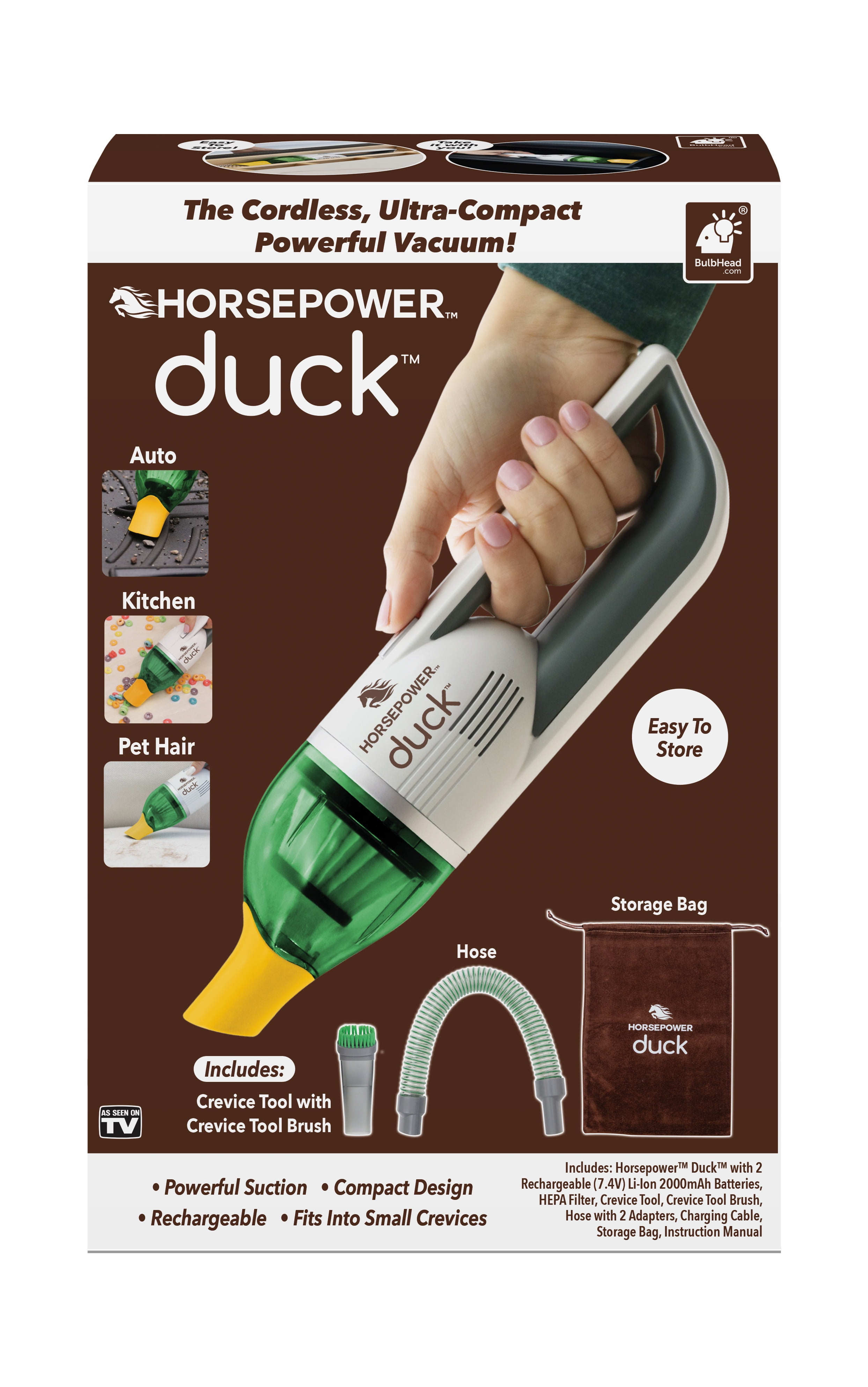
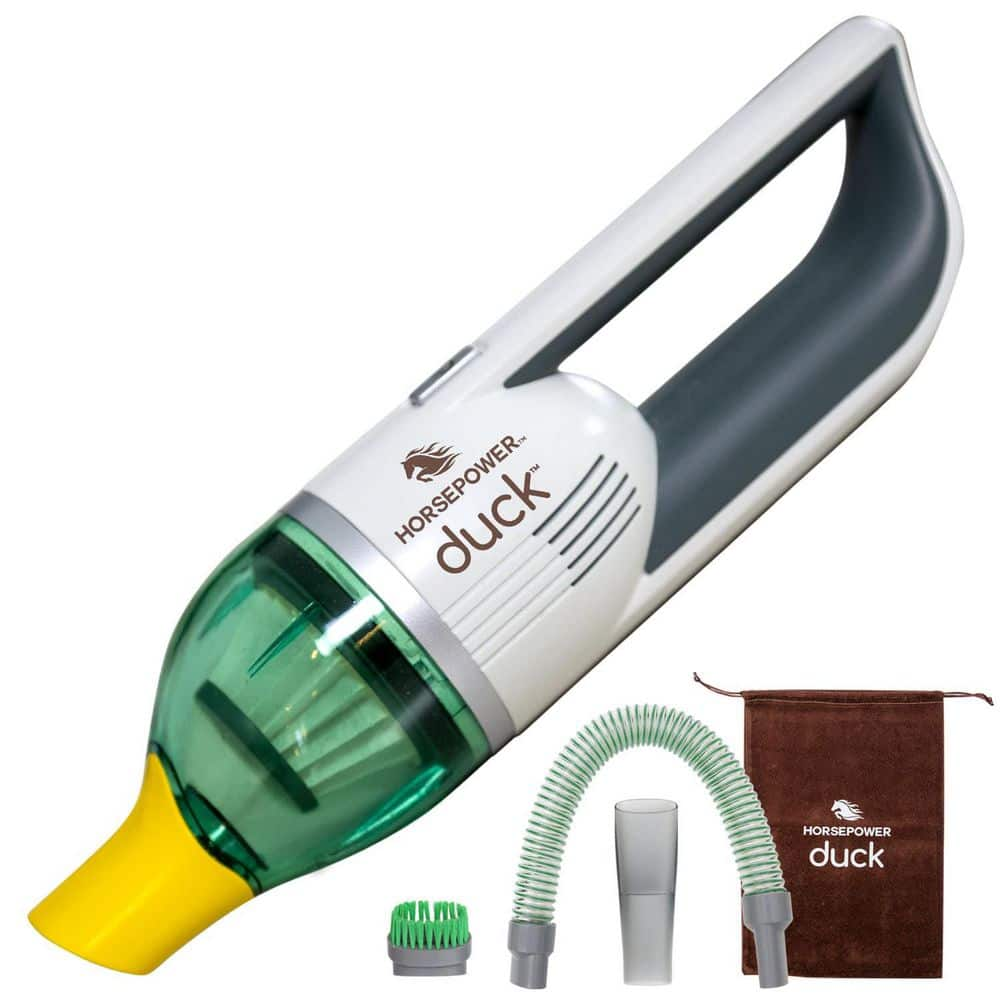
If you searched for “duck vacuum cleaner” in the United States, the phrase may refer to one of three things: a duck-shaped toy vacuum, a vacuum for cleaning duck feathers or bird areas, or a product listed under the word “Duck” by a seller. There is no single, widely recognized US vacuum category called a duck vacuum cleaner.
The right choice depends on your goal. A child’s toy needs safety features. A home vacuum for feathers needs strong filtration and easy cleaning. A machine for a poultry area needs a washable system and careful dust control.
This guide explains the differences so you can avoid buying the wrong product.

What does “duck vacuum cleaner” mean?
The term duck vacuum cleaner is ambiguous. Online listings may use “duck” to describe the shape, the animal being cleaned around, or a product name.
| Possible meaning | What the buyer usually wants | Best type of product |
|---|---|---|
| Duck-shaped vacuum | A pretend cleaning toy for a child | Battery-free or low-power toy vacuum |
| Vacuum for duck feathers | A home or small-area cleaner | HEPA-filtered canister, upright, or shop vacuum |
| Vacuum for a duck coop | A tool for bedding, dust, and debris | Dedicated wet/dry vacuum or shop vacuum |
| “Duck” product name | A specific branded item | Check the exact model and seller |
| Vacuum for bird feathers indoors | A cleaner that limits fine dust | Sealed vacuum with replaceable filtration |
The phrase does not identify one standard design, motor size, filter, or safety rating. Always check the full product title, model number, voltage, filter type, and intended use before ordering.
Duck-shaped toy vacuum cleaners
A duck-shaped toy vacuum is made for pretend play. It is not designed to collect real dust, feathers, food, bedding, or animal waste.
Some toy vacuums use batteries and may make sounds or move across the floor. Others are simple push toys. Their cleaning action is usually weak or decorative, and many have no real dust filter.
What to check before buying a toy
Look for:
- The recommended age range
- Small parts and choking warnings
- Battery access and battery type
- Smooth edges and secure wheels
- A clear statement that the item is a toy
- Instructions in English
- A seller with a clear return policy
- Compliance information required for children’s products sold in the US
The US Consumer Product Safety Commission provides guidance on toy hazards, small parts, magnets, batteries, and age labels. A toy vacuum should not be used near a child’s face, around loose powders, or as a real cleaning device.
Can a child use a real vacuum?
Young children should not operate a full-size household vacuum without close adult supervision. A real vacuum can expose a child to moving parts, electric cords, loud noise, dust, and tipped furniture.
A toy duck vacuum can support pretend play. It cannot replace a real vacuum cleaner.

Choosing a vacuum for duck feathers and bird debris
If you need to clean feathers, hay, bedding, or bird debris, choose a vacuum based on the material and location. A small household vacuum may work for a few loose feathers, but it can clog when used on large amounts of bedding or dust.
For indoor areas, a sealed vacuum with a high-efficiency filter is usually the better starting point. For a garage, porch, shed, or coop, a wet/dry shop vacuum may offer more capacity and easier cleaning.
Important features
1. A sealed dust path
A sealed system helps reduce the amount of collected dust that escapes around the filter or body. This matters when you are cleaning fine feathers, dander, or dry bedding.
A filter alone does not tell the whole story. A vacuum may have a high-efficiency filter but still leak air through poor seals.
2. A replaceable filter
Feathers and bedding can block filters quickly. A replaceable filter is useful when the filter becomes dirty, damaged, or hard to clean.
Check whether the filter is:
- Washable
- Disposable
- Designed for dry material only
- Safe to use after washing while still damp
- Available for the exact model
Never put a wet filter back into a vacuum unless the manual specifically permits it.
3. A large collection bin or bag
A small cordless vacuum may fill after only a few handfuls of feathers. A larger bin or bag reduces interruptions and may keep the motor cooler.
For occasional indoor cleanup, a canister or upright vacuum may be practical. For repeated coop cleaning, a shop vacuum with a larger tank is often easier to manage.
4. A wide floor tool
A wide nozzle can collect feathers and dry bedding faster than a narrow crevice tool. Avoid forcing bulky material into a small opening because it can create a blockage.
5. Easy hose cleaning
Feathers can collect inside bends in the hose. A removable hose and smooth internal path make maintenance easier.
6. A motor protection system
Some vacuums shut down when airflow drops or the motor becomes too hot. This feature can help when the filter or hose begins to clog, but it does not replace regular cleaning.
Household vacuum or shop vacuum?
| Cleaning job | Better starting choice | Main reason |
|---|---|---|
| A few feathers on a hard floor | Stick, canister, or upright vacuum | Quick and easy to store |
| Feathers on carpet | Vacuum with brush control | Helps clean the carpet without tangling |
| Large amounts of dry bedding | Shop vacuum | Larger capacity and stronger airflow |
| Damp bedding or small liquid spills | Wet/dry vacuum rated for liquids | Designed for wet pickup |
| Fine dust in an indoor room | Sealed vacuum with high-efficiency filtration | Better dust control |
| Animal waste | Dedicated equipment | Reduces cross-contamination |
Do not assume that every shop vacuum is suitable for indoor fine dust. Some models are designed mainly for coarse debris. Use the filter and bag system listed in the manual.
How to clean duck feathers safely with a vacuum
Before cleaning, move the duck or other bird away from the area. Do not use a vacuum directly on a live bird. The noise, suction, and moving brush can cause injury or severe stress.
Step 1: Remove large objects by hand
Pick up long feathers, straw, twine, plastic, and other items that could block the hose. Wear disposable gloves when handling soiled bedding or waste.
Step 2: Improve ventilation
For an indoor room, increase fresh-air flow when practical. Avoid blowing feathers around with a fan because this can spread dust.
Step 3: Use the correct floor setting
Turn off the rotating brush when cleaning hard floors or loose feathers. A spinning brush can wrap long feathers around the roller.
On carpet, use the setting recommended by the vacuum manufacturer. Stop if the brush becomes tangled.
Step 4: Vacuum in small sections
Work slowly instead of making fast passes. Small sections make it easier to see whether feathers are collecting or simply moving across the floor.
Step 5: Empty the vacuum outdoors when possible
Take the collection bin or bag outside before emptying it. Avoid shaking a dusty filter indoors.
Step 6: Clean the equipment
Inspect the hose, brush roll, filter, and seals. Wash only parts that the manufacturer identifies as washable. Let washable parts dry fully before reinstalling them.
Signs the vacuum is not handling the job well
Stop and check the machine if you notice:
- A sudden loss of suction
- A hot or burning smell
- A change in motor sound
- Dust blowing from the exhaust
- A full-bin warning
- A blocked hose
- A brush roll that stops turning
- Repeated automatic shutoffs
Continuing to run a blocked vacuum can overheat the motor or spread dust.
Can a vacuum remove duck dander and fine dust?
A vacuum can reduce loose material on surfaces, but it cannot remove every airborne particle. Bird areas may contain fine dust from feathers, bedding, dried waste, and feed.
A sealed vacuum with a high-efficiency filter can help capture more small particles than a basic, poorly sealed machine. However, the result depends on the filter condition, air leaks, collection system, and cleaning method.
The US Environmental Protection Agency recommends source control, ventilation, and filtration as parts of indoor air-quality management. Vacuuming is only one part of that process.
For dusty indoor work:
- Keep the bird away from the cleaning area.
- Avoid dry sweeping when possible.
- Use a damp method for surfaces that can tolerate moisture.
- Replace or clean filters as directed.
- Wash your hands after handling bedding or waste.
- Use suitable respiratory protection if the area is very dusty.
- Follow local rules for cleaning animal housing.
People with asthma, allergies, or weakened immune systems may need extra caution. A health professional can give advice for a specific medical condition.
Vacuuming a duck coop or outdoor shelter
A coop or shelter can contain bedding, feathers, feed, mud, and waste. A household vacuum may be difficult to clean after this work and may spread odors or contamination if used indoors later.
A wet/dry vacuum can be more practical when the manual permits the material you need to collect. Use a dedicated hose, filter, and collection container if possible.
A safer coop-cleaning process
- Move the ducks to a clean, secure area.
- Remove large waste and wet bedding by hand.
- Open doors or improve ventilation.
- Vacuum dry debris only if the machine is rated for it.
- Do not mix wet waste with dry filters unless the vacuum supports wet pickup.
- Clean and disinfect surfaces with a product labeled for that use.
- Allow the area to dry before returning the birds.
- Clean the vacuum outdoors and store it away from food areas.
Do not use a household vacuum for animal waste if you cannot clean its internal parts. A vacuum can become a source of odor and bacteria when organic material remains inside the hose or bin.

How to choose the best duck vacuum cleaner for your need
There is no single best duck vacuum cleaner. Use the following decision guide.
Choose a toy duck vacuum if:
- The item is for pretend play.
- The child fits the stated age range.
- You want a lightweight, low-risk play item.
- You do not expect real cleaning performance.
Choose a household vacuum if:
- You are cleaning a small amount of feathers indoors.
- You need to clean floors, upholstery, or carpet.
- You want a machine for normal home use after the bird-related cleanup.
- The vacuum has suitable filtration and a washable or replaceable collection system.
Choose a shop vacuum if:
- You clean a garage, shed, porch, or coop.
- You collect large amounts of dry bedding.
- You need a larger bin and longer hose.
- You can dedicate the machine to animal-area cleaning.
Choose a wet/dry vacuum if:
- The cleaning area may contain moisture.
- You need to collect liquid only within the model’s approved limits.
- You will install the correct filter or attachment for wet pickup.
A simple buying checklist
Before you buy, confirm:
- The vacuum is sold for use in the United States.
- Its voltage matches US household power if it is corded.
- The manufacturer lists the filter type.
- Replacement filters or bags are available.
- The bin or bag is large enough for your task.
- The hose diameter fits the debris.
- The model supports wet pickup if you need it.
- The warranty covers your region.
- The manual explains cleaning and storage.
- The machine is not being marketed only as a novelty toy.
A low price may be less useful if replacement filters are unavailable. For repeated cleaning, ongoing filter and bag costs can matter more than the purchase price.

Common mistakes to avoid
Using a toy as a real vacuum
A duck-shaped toy may look like a small vacuum, but its motor, bin, and filter may not be designed for dirt. Use it only as directed.
Vacuuming a live duck
Never place a nozzle near a bird’s feathers, skin, eyes, beak, or feet. Vacuum suction can cause injury.
Using a dry filter for wet material
A wet filter may clog, tear, or damage a vacuum that is not built for liquid pickup. Follow the exact manual.
Removing the filter to increase suction
Running a vacuum without its required filter can send dust into the motor or back into the room. It may also void the warranty.
Cleaning animal waste with a shared home vacuum
Waste can remain in the hose, bin, brush, or seals. Use dedicated equipment when possible.
Ignoring fine dust
Large feathers are easy to see, but fine dust may remain airborne. Use ventilation, source control, and suitable filtration rather than relying only on visible cleanup.

Frequently asked questions
Is there a brand called Duck that makes vacuum cleaners?
The word “Duck” may appear in a product title, seller name, or toy description. It does not, by itself, identify a standard US vacuum brand. Check the manufacturer, model number, warranty, and user manual before buying.
Can I use a regular vacuum to pick up duck feathers?
Yes, a regular vacuum can handle a small amount of dry feathers if the manual allows that type of debris. Turn off the brush roll on hard floors, watch for hose blockages, and clean the filter afterward.
Is a HEPA vacuum required for duck feathers?
Not always. A HEPA or high-efficiency filter can be helpful for fine dust and dander, especially indoors, but the full vacuum must also seal well. A filter labeled “HEPA” does not guarantee that the entire machine is sealed.
Can I vacuum a duck coop?
You can use a vacuum if the machine is suitable for the debris and environment. A dedicated wet/dry or shop vacuum is often easier to maintain than a household vacuum. Remove wet waste and large objects first.
How do I clean a vacuum after picking up feathers?
Unplug the vacuum, empty the bin or replace the bag, inspect the hose and brush roll, and clean or replace the filter according to the manual. Wash only approved parts and dry them fully before reuse.
Final recommendation
Treat “duck vacuum cleaner” as a broad search phrase rather than a precise product type. For pretend play, choose a safe duck-shaped toy. For a few feathers indoors, use a household vacuum with good filtration. For bedding, coop debris, or repeated outdoor cleaning, choose a dedicated shop or wet/dry vacuum that is easy to empty and maintain.
Before purchasing, confirm the machine’s intended use, filter system, collection capacity, replacement-part supply, and safety instructions. That short check can prevent a toy purchase from being mistaken for a real cleaner—or a household vacuum from being pushed beyond its design limits.



One Comment