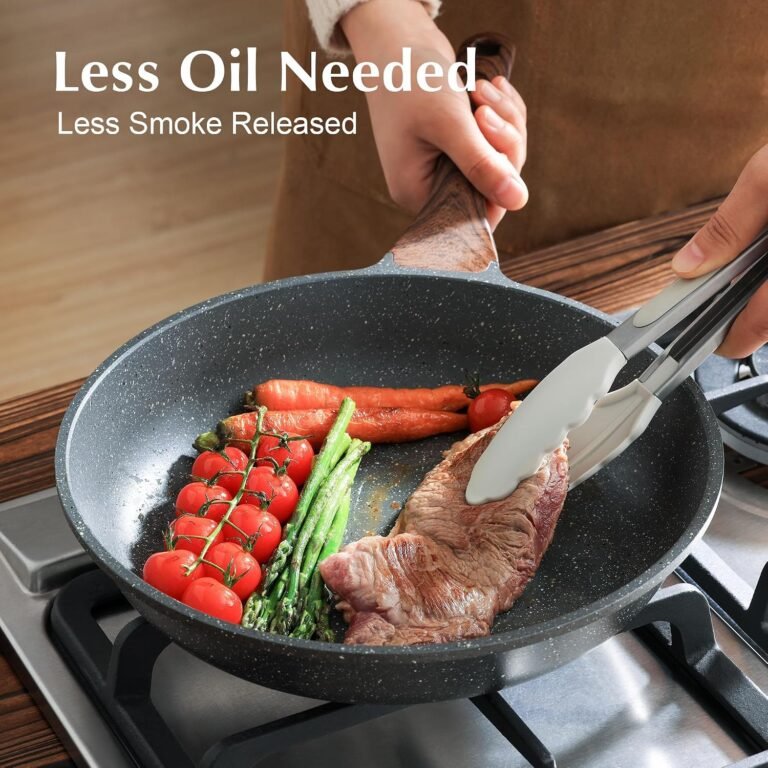
For home cooks in the United States, a non stick frying pan can make eggs, pancakes, fish, and grilled cheese easier to cook and clean. The best pan depends on more than the word “nonstick.” You also need to check the coating type, pan size, cooktop fit, heat limits, handle design, and care rules.
A PTFE-coated pan usually gives the slickest and longest-lasting nonstick surface when used at low to medium heat. A ceramic-coated pan avoids PTFE but may lose its release more quickly. Neither type lasts forever, and both work best when you follow the maker’s care guide.

What Is a Non Stick Frying Pan?
A non stick frying pan is a shallow cooking pan with a surface designed to keep food from sticking. Most models sold in the United States use either a PTFE coating or a ceramic-style coating.
PTFE stands for polytetrafluoroethylene. It is a fluoropolymer used in many nonstick cooking surfaces. “Teflon” is a brand name, not the name of every PTFE coating.
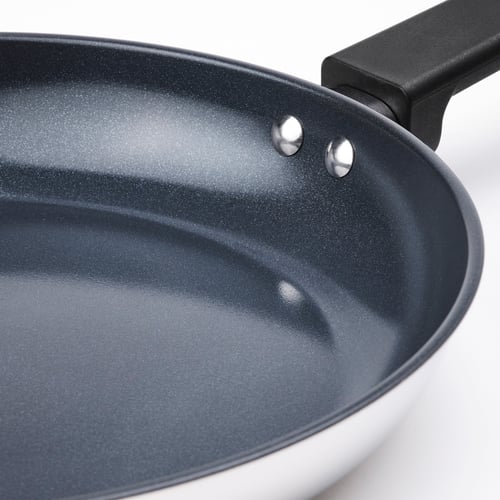
Ceramic nonstick pans usually use a coating made with a silica-based sol-gel material. They are not normally made from a solid block of ceramic. The coating sits on a metal pan, often aluminum.
Common pan parts
A non stick skillet often has these parts:
- Cooking surface: The coated area that touches the food.
- Pan body: Usually aluminum, stainless steel, or a mix of metals.
- Base plate: A layer that may improve heat spread or induction use.
- Riveted or welded handle: The way the handle joins the pan.
- Rim and side walls: These affect pouring, tossing, and access with a spatula.
A coating does not tell you everything about the pan. A thin pan may heat fast but develop hot spots. A heavier pan may heat more evenly but take longer to warm.
PTFE vs. Ceramic Nonstick
PTFE usually offers stronger food release and better performance over time, while ceramic coatings appeal to shoppers who want a PTFE-free option. The better choice depends on your heat habits, cooking style, and care routine.
| Feature | PTFE nonstick | Ceramic-style nonstick |
|---|---|---|
| Food release | Usually very strong when new and well cared for | Strong when new |
| Best heat range | Low to medium heat | Low to medium heat |
| PTFE | Yes | Usually no |
| High-heat use | Poor choice | Poor choice |
| Metal utensil use | Usually not advised | Usually not advised |
| Cleaning | Hand washing often helps extend life | Hand washing often helps extend life |
| Long-term release | Often more consistent | May decline sooner, depending on design and use |
| Induction use | Depends on the base | Depends on the base |
These are broad categories, not guarantees. The exact coating, pan thickness, and manufacturer instructions matter.
What does “PFOA-free” mean?
PFOA-free means the product was made without perfluorooctanoic acid, a chemical formerly used in some industrial processes. It does not mean the pan is free of all PFAS or that it uses ceramic.
PTFE is part of the larger PFAS chemical family. A pan labeled “PFOA-free” may still have a PTFE coating. If you want to avoid PTFE, look for clear wording such as “PTFE-free” or choose a documented ceramic-style coating.
Marketing terms can be unclear. “Granite,” “stone,” and “diamond” may describe the look or reinforcement of a coating, not the main chemistry of the cooking surface.

Are Non Stick Frying Pans Safe?
A non stick frying pan is generally safe when used as directed and kept below its stated heat limit. The main safety concern is overheating an empty or nearly empty coated pan, not normal low- or medium-heat cooking.
The U.S. Food and Drug Administration evaluates substances used in food-contact applications. Properly made cookware coatings must meet applicable food-contact requirements. That does not mean every pan is equal, so buy from a known seller and follow the instructions for the specific model.
Avoid extreme heat
Do not preheat a nonstick pan for a long time while it is empty. A pan can become very hot faster than you expect, especially on a powerful burner.
Avoid these uses unless the manufacturer clearly permits them:
- Broiling
- Cooking over an open flame
- Heating an empty pan for long periods
- Using a burner larger than the pan base
- Leaving the pan unattended on high heat
- Using the pan in an oven above its rated temperature
PTFE coatings can produce irritating fumes if severely overheated. Pet birds are especially sensitive to cooking fumes, so keep birds away from the kitchen and provide good ventilation.
What if the coating is scratched?
A small scratch is usually a performance problem first. It can make food stick and allow more coating to wear away. Do not scrape the surface with a knife or metal edge.
Replace the pan if:
- The coating is peeling or flaking.
- The pan is badly scratched.
- The base is warped.
- The handle is loose.
- The pan no longer sits flat.
- Food sticks over most of the surface despite proper care.
Do not use a damaged pan as a high-heat searing pan. Choose stainless steel, cast iron, or carbon steel for that job.

How to Choose the Right Non Stick Frying Pan
Choose the pan size, base, handle, and coating together. A good non stick skillet should match your cooktop, the number of people you feed, and the food you cook most often.
Pick the right diameter
Pan size refers to the diameter measured across the top. The usable cooking area is smaller because of the sloped sides.
| Pan size | Useful for |
|---|---|
| 8 inches | One egg, a small omelet, or a single portion |
| 10 inches | Two eggs, grilled cheese, vegetables, or meals for one or two |
| 12 inches | Larger omelets, several portions, fish, or family meals |
| 14 inches | Large batches, if your burner and storage space allow it |
A 10-inch pan is a useful general size for many U.S. kitchens. A 12-inch pan gives more room but may be heavy when full.
Check cooktop compatibility
Most non stick pans work on gas and electric stoves. Induction cooktops need a magnetic base.
To check a pan at home, place a magnet against the underside. If the magnet sticks firmly, the pan may work on induction. Still, confirm the product listing because a magnetic base alone does not confirm every performance detail.
Do not place a pan across two burners unless it is designed for that use. The center may heat differently from the edges.
Look for a stable base
A useful non stick pan should sit flat and resist rocking. A thicker base often helps spread heat, but weight alone does not prove quality.
Check for:
- A flat bottom
- Even contact with the cooktop
- No wobble
- A handle that does not twist
- A comfortable grip
- A helper handle on larger pans
Review the oven rating
The pan body, coating, lid, and handle may have different heat limits. The lowest-rated part controls safe use.
Some handles contain silicone, wood, or plastic. These may limit oven use even when the pan itself can tolerate higher heat. Glass lids also need their own temperature instructions.
Consider the lid
A lid helps with steaming, simmering, and keeping food warm. If the pan includes a lid, check whether the handle stays cool and whether the lid is oven-safe.
A lid is less useful for crisp foods because trapped steam can soften the surface.
How to Use a Non Stick Frying Pan
Use low to medium heat, add food after the pan warms, and choose tools that will not damage the coating. You usually need little oil, but a small amount can improve browning and flavor.
Basic cooking steps
- Match the pan to the burner. Use a burner close to the pan’s base size.
- Warm the pan briefly. A short preheat is enough for most foods.
- Add a small amount of oil or butter. Use the amount your recipe needs.
- Add dry food. Excess water can cause splatter and reduce browning.
- Let the food set. Many foods release more easily after their surface cooks.
- Use a soft or approved utensil. Silicone, wood, or nylon are common choices.
- Lower the heat if food browns too fast.
- Move the pan off the hot burner when finished.
Do not heat oil until it smokes. Smoke means the oil is breaking down and the pan may be too hot for the coating.
Foods that suit nonstick pans
Nonstick cookware works well for foods that tend to cling:
- Eggs and omelets
- Pancakes
- Crepes
- Delicate fish
- Tofu
- Grilled cheese
- Thin chicken cutlets
- Small amounts of vegetables
- Sauces that need gentle heat
A non stick pan is not the best tool for hard searing. High heat can shorten coating life, and the surface may not create the same crust as stainless steel, cast iron, or carbon steel.
Do not use cooking spray unless the maker allows it
Aerosol cooking sprays can leave a sticky residue on some coatings. Oil applied with a brush, paper towel, or pour spout gives you better control.
Check the pan manual before using spray. Some makers permit it, while others advise against it.

How to Clean and Care for a Non Stick Pan
Hand wash a non stick frying pan with warm water, mild dish soap, and a soft sponge unless the manufacturer gives different instructions. Gentle cleaning helps protect the coating and can extend useful life.
A simple cleaning method
- Let the pan cool before washing it.
- Remove loose food with a soft utensil.
- Wash with mild soap and a non-abrasive sponge.
- Rinse away all soap.
- Dry the pan before storing it.
- Place a cloth or pan protector between stacked pans.
Do not pour cold water into a very hot pan. A sudden temperature change can warp the metal.
Avoid these cleaning tools:
- Steel wool
- Scouring powder
- Abrasive pads
- Metal scrapers
- Knives
- Harsh oven cleaner
A dishwasher may be allowed, but repeated dishwasher use can fade the exterior, dull the surface, or reduce coating life. Hand washing is the safer choice when durability matters.
How to remove stuck food
Fill the cooled pan with warm water and a little dish soap. Let it soak, then lift the food with a soft sponge.
For stubborn residue, follow the maker’s cleaning advice. Do not attack the spot with a metal tool. A scratch is harder to fix than a stuck meal.

Common Non Stick Pan Problems
Most problems come from excess heat, worn coating, wrong utensils, or poor pan placement. Check the symptom before replacing the cookware.
| Symptom | Likely cause | What to do |
|---|---|---|
| Eggs stick after a few uses | High heat, residue, or a damaged coating | Clean gently and lower the heat |
| Food burns in the center | Burner is too large or heat is too high | Use a smaller burner and lower heat |
| Pan rocks on the stove | Warped base | Stop using it if the wobble is severe |
| Coating looks dull | Dishwasher use, abrasion, or normal wear | Hand wash and avoid abrasives |
| Handle becomes loose | Loose fastener or damaged joint | Tighten only if the design allows; replace if unsafe |
| Food sticks across most of the surface | Coating has worn out | Replace the pan |
| Strong fumes appear | Pan was overheated | Turn off heat, ventilate, and leave the area |
If a pan smokes, turn off the burner and move people and pets away from the fumes. Do not pour water into a hot pan with oil.
How Long Does a Non Stick Frying Pan Last?
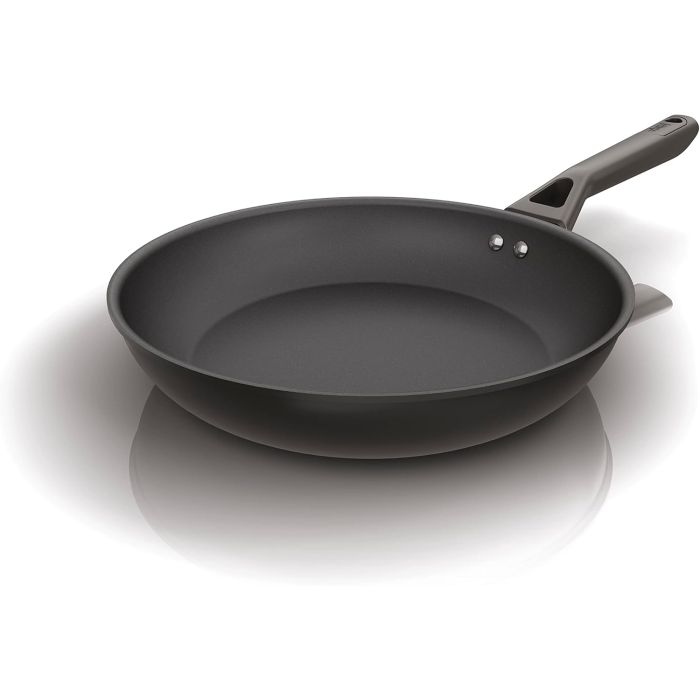
A non stick frying pan may last several years, but its useful life depends on heat, cleaning, utensils, storage, and cooking frequency. There is no reliable universal lifespan for every pan.
A pan used daily on high heat may wear much sooner than one used a few times per week on low heat. Coating wear can also happen gradually. The pan may still look acceptable while food release gets worse.
Replace the pan when the cooking surface peels, flakes, becomes heavily scratched, or stops releasing food during normal use. A worn pan is not the right tool for heavy-duty cooking, even if the metal body remains sound.
A simple rule helps: use nonstick for gentle cooking and keep a separate uncoated pan for high heat. This reduces stress on the coating and gives each pan a clear job.
Non Stick Pan Alternatives
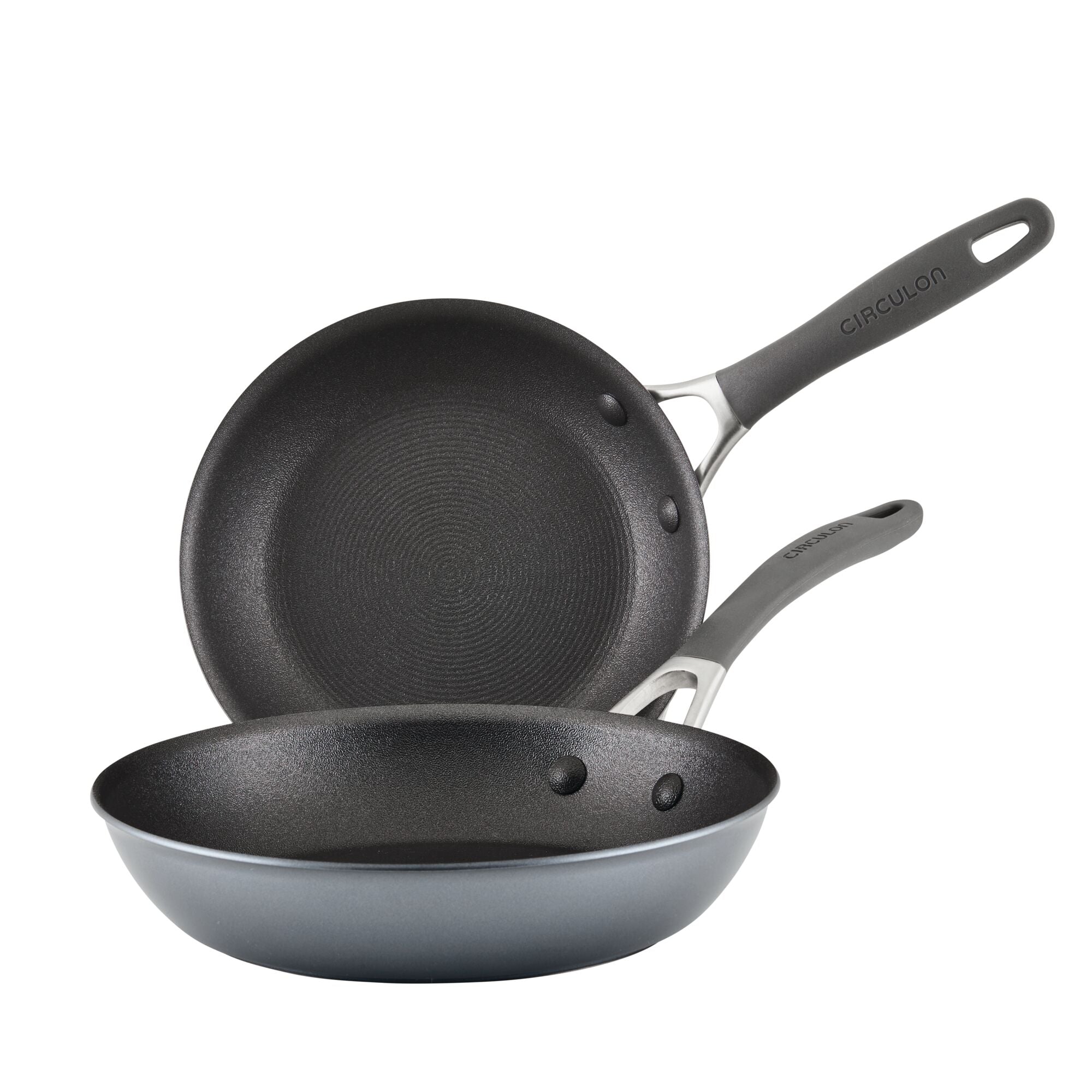
Choose stainless steel, cast iron, or carbon steel when you want high-heat cooking, browning, or a surface with no synthetic nonstick coating.
- Stainless steel: Good for browning, pan sauces, and high heat. It needs more oil and better temperature control.
- Cast iron: Holds heat well and can last for decades. It is heavy and needs seasoning and drying.
- Carbon steel: Lighter than cast iron and useful for high-heat cooking. It needs seasoning and care.
- Enameled cast iron: Useful for braising and acidic foods, but it is heavy and not naturally nonstick.
- Uncoated aluminum: Heats quickly but may react with some foods and does not provide nonstick release.
Many kitchens benefit from two or three pan types rather than one pan for every task. Use nonstick for eggs and delicate foods, then use stainless steel or cast iron when you want a dark sear.

Frequently Asked Questions
Can I use a non stick frying pan on an induction stove?
Yes, if the pan has a magnetic induction base. Check the product instructions or test the underside with a magnet. The pan should also match the size and power of your induction cooking zone.
Should I preheat a non stick pan?
Yes, but keep the preheat short and use low or medium heat. Do not leave the pan empty on a hot burner. Add food or oil soon after the pan warms.
Can I put a non stick pan in the oven?
Only if the manufacturer lists an oven-safe temperature. The handle, lid, and coating may have lower limits than the metal body.
Is ceramic nonstick better than PTFE?
Neither is best for every cook. PTFE often provides stronger and more consistent release, while ceramic-style coatings may suit people who want a PTFE-free option. Heat control and care matter for both.
Can I use olive oil in a non stick pan?
Yes, olive oil can be used for low- to medium-heat cooking. Avoid heating any oil until it smokes, and follow the oil’s intended cooking temperature.
Key Takeaways
- A PTFE pan usually offers strong food release and needs careful heat control.
- A ceramic-style pan is usually PTFE-free but may lose its release sooner.
- Use low to medium heat and avoid long empty preheating.
- Choose a magnetic base for induction cooking.
- Use wood, silicone, or approved nylon tools.
- Hand wash with mild soap and a soft sponge.
- Replace the pan if the coating peels, flakes, or becomes badly scratched.
- Keep stainless steel, cast iron, or carbon steel for high-heat searing.
Conclusion
The best non stick frying pan is one that fits your stove, cooking style, and care habits. For eggs, pancakes, fish, and other delicate foods, a well-made pan used on low or medium heat can be convenient and effective.
Before buying, check the coating type, diameter, induction compatibility, oven rating, handle, and care instructions. Then protect the surface with gentle tools, controlled heat, and hand washing. That simple routine gives the pan its best chance to perform well and last.