Your air fryer is smoking because of excess grease, food debris, fatty foods, or incorrect oil usage.
It can be quite startling to see smoke billowing from your air fryer when you're just trying to make some crispy fries or chicken wings. As someone who's spent countless hours experimenting with various air fryer models and recipes, I understand that initial moment of panic. But don't worry, in most cases, a smoking air fryer isn't a sign of catastrophe. It usually points to a few common, easily fixable issues that we'll dive into, ensuring you can get back to enjoying perfectly cooked meals without the unexpected smoke show.

Understanding Your Air Fryer: What's Normal, What's Not
Before we jump into panic mode about why is my air fryer smoking, it's helpful to understand what's normal during operation. Air fryers circulate hot air to cook food, and sometimes, you might mistake steam or light wisps for actual smoke. Knowing the difference is your first step in troubleshooting.
How Air Fryers Work
An air fryer operates much like a convection oven, using a heating element and a powerful fan to circulate extremely hot air around your food. This process creates a crispy, golden-brown exterior, often mimicking the results of deep frying but with significantly less oil. The hot air rapidly cooks the food from all sides, resulting in that delightful crunch we all love.
The Difference Between Steam and Smoke
Often, what looks like smoke is actually steam escaping from the air fryer, especially when cooking foods with high moisture content. Steam typically appears white or translucent and dissipates quickly, carrying a mild, sometimes pleasant, food aroma. True smoke, on the other hand, is usually denser, gray or blue-tinged, and often comes with a strong, acrid, or burning smell. If you're wondering why is my air fryer smoking, pay close attention to the color and smell – these are key indicators.
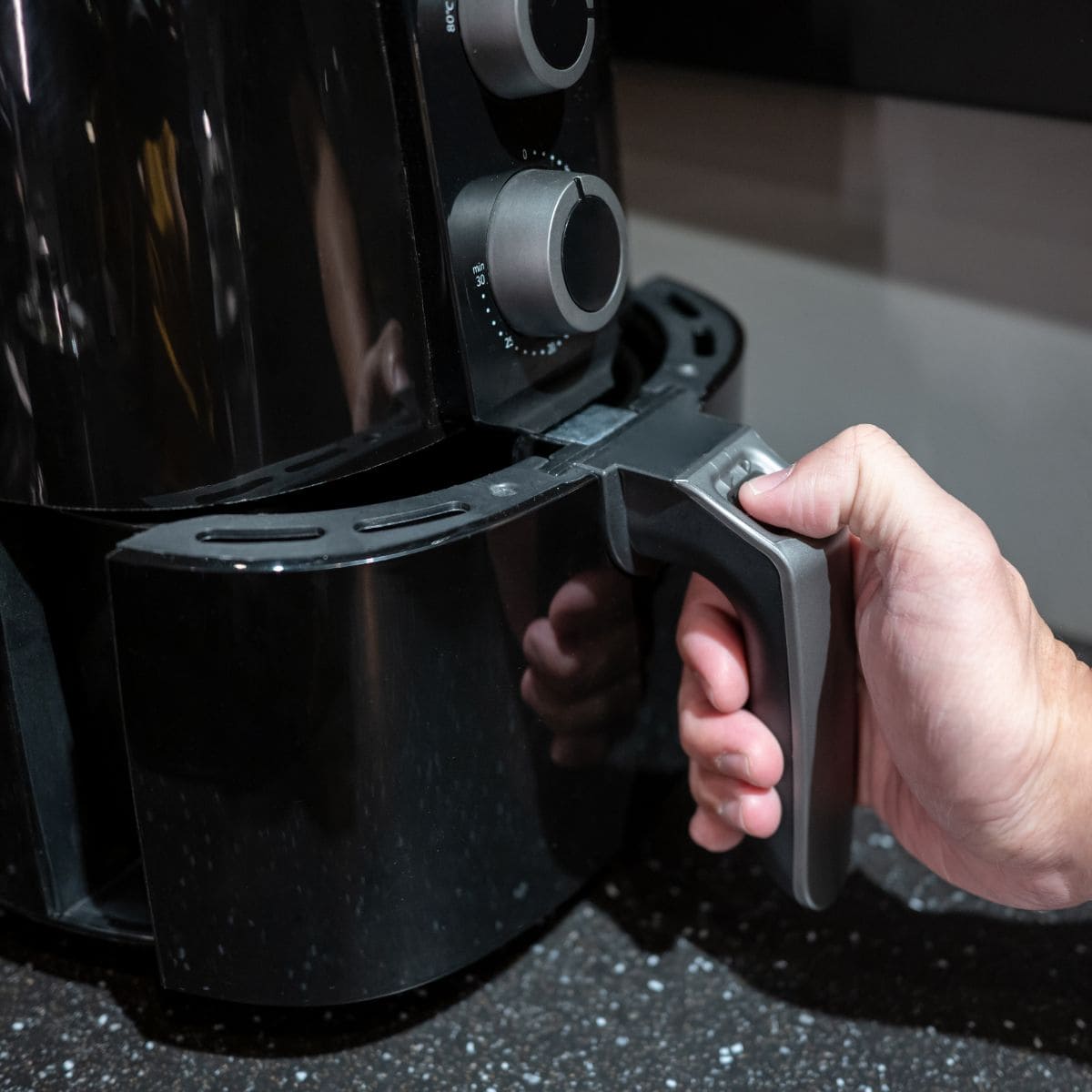
Common Culprits: Why Your Air Fryer Might Be Smoking
So, you've determined it's definitely smoke and not just steam. Now, let's explore the most common reasons why is my air fryer smoking, drawing from my own experiences and common observations.
Excess Oil or Grease Buildup
This is by far the most frequent reason I've encountered for a smoking air fryer. If there's residual oil or grease from previous cooking sessions accumulated in the basket, drawer, or even on the heating element, it can heat up and burn. This often happens after cooking greasy foods like bacon or sausages, where fat splatters and pools in hard-to-reach areas. The smoke comes from this old, burnt grease, not necessarily your current food.
Fatty Foods Releasing Juices
When you cook foods with a high fat content, like chicken wings, pork belly, or burgers, the melting fat can drip down into the air fryer's drawer. If a significant amount of fat collects and gets too hot, it can start to smoke. I’ve definitely had this happen with chicken wings – the delicious fat renders out, but sometimes it pools and gets too hot, leading to a smoky surprise.
Food Particles Left Behind
Just like with grease, small bits of food – crumbs, sauces, or marinade drippings – can get left behind after cooking. These tiny fragments can burn when the air fryer heats up again, producing smoke and an unpleasant smell. It's easy to miss these bits, especially under the basket or around the heating coil.
Using the Wrong Cooking Oil
Not all oils are created equal, especially when it comes to high-heat cooking. Oils have different smoke points, which is the temperature at which they start to break down and smoke. Using an oil with a low smoke point, like extra virgin olive oil or butter, for air frying can easily lead to smoke. For example, I once used regular olive oil for a batch of veggies and quickly learned my lesson about smoke points!
Overfilling the Basket
Cramming too much food into the air fryer basket can impede proper air circulation. This can lead to uneven cooking and, in some cases, certain parts of the food burning because they're too close to the heating element. When food burns, it creates smoke. It’s always better to cook in batches if you have a lot of food.
Burnt Food or Spices
Sometimes, the simplest answer to why is my air fryer smoking is that your food, or the seasonings on it, is burning. This can happen if the cooking temperature is too high, the cooking time is too long, or if spices and marinades contain sugars that caramelize and then burn quickly. Blackened spices are a common cause of unexpected smoke.
Malfunctioning Heating Element (Less Common, More Serious)
While much rarer than other issues, a faulty heating element can also cause smoke. If the smoke is coming directly from the heating coil itself, looks very dark, and is accompanied by a strong electrical burning smell, it might indicate a more serious problem. In such cases, it's crucial to stop using the appliance immediately.
New Air Fryer Odor (Initial Burn-Off)
When you first unbox a new air fryer, it's not uncommon for it to emit a slight burning plastic smell or even a little smoke during its first few uses. This is often just a normal "burn-off" process as manufacturing oils or coatings on the heating elements get heated for the first time. It usually subsides after a few uses, but it's a temporary answer to why is my air fryer smoking if it's brand new.
What to Do When Your Air Fryer Smokes: Immediate Steps and Solutions
When you see smoke, it's natural to feel a bit of panic. But knowing what to do immediately can prevent further issues and get you back on track. Here’s a quick guide based on what I’ve learned.
Act Quickly and Safely
- Unplug Immediately: The very first thing you should do is unplug your air fryer from the power outlet. This cuts off power to the heating element and fan, stopping the cooking process and preventing any potential electrical hazards.
- Move to a Well-Ventilated Area (If Safe): If the smoke is intense, and it's safe to do so, carefully move the air fryer to an area with good ventilation, like near an open window or under an exhaust fan.
- Do Not Open Immediately: Resist the urge to yank open the basket right away, as this can release a burst of smoke and potentially flames if the issue is a grease fire. Give it a minute or two for the internal temperature to drop slightly.
Addressing Oil and Food Residue
Once the air fryer has cooled down a bit, you can investigate.
- Check the Drawer and Basket: Carefully pull out the basket and drawer. Look for pools of oil, burnt food debris, or splattered grease.
- Clean Thoroughly: If you find residue, clean the basket, drawer, and any removable parts with warm, soapy water. For stubborn baked-on grease, a non-abrasive scrub brush or sponge can work wonders. I've found that a good soak often helps loosen everything up.
- Inspect the Heating Element: Gently wipe down the visible parts of the heating element (usually located at the top interior) with a damp cloth once it’s completely cool. Be careful not to get it too wet.
Adjusting Cooking Practices
- Reduce Temperature or Time: If burnt food was the culprit for why is my air fryer smoking, try lowering the cooking temperature or reducing the cooking time in future batches.
- Use Less Oil: For very fatty foods, try to pat them dry before air frying and use a minimal amount of high smoke point oil.
- Don't Overfill: Ensure there’s enough space for air to circulate around the food.
- Use Water in the Drawer: A neat trick for very fatty foods: add a tablespoon or two of water to the bottom of the air fryer drawer (underneath the basket). This can help cool down dripping fat and prevent it from smoking.

Source: youtube.com
Preventing Smoke: Best Practices for a Happy Air Fryer
Prevention is always better than cure, especially when it comes to a smoking appliance. By adopting a few simple habits, you can significantly reduce the chances of ever asking why is my air fryer smoking again.
Regular Cleaning is Key
This is the golden rule for air fryer longevity and smoke prevention. After every use, once the air fryer has cooled, clean the basket and drawer thoroughly with warm, soapy water.
- Deep Clean Periodically: Every few uses, take the time to clean not just the basket, but also the interior of the air fryer, including gently wiping down the heating element and the inner walls. A non-abrasive cleaner designed for kitchen appliances can be helpful. This attention to detail prevents grease and food particles from accumulating and burning.
- Check for Hidden Spots: Remember to look under the basket and in any crevices where fat or crumbs might hide.
Smart Cooking Habits
Adjusting your cooking methods can make a big difference.
- Trim Excess Fat: Before air frying fatty meats, trim off any excessive fat. This reduces the amount of drippings that can pool and smoke.
- Pat Food Dry: Removing surface moisture from food before cooking can lead to crispier results and also prevent some oils from sputtering.
- Avoid Overfilling: Always cook in single layers or small batches to allow hot air to circulate freely. This promotes even cooking and reduces the chance of food burning.
- Use Foil or Parchment: For very greasy or saucy foods, you can line the bottom of the basket (below the food) with air fryer-safe parchment paper or a small piece of aluminum foil. Make sure not to block air circulation or place it under the main heating element. This helps catch drips and makes cleanup easier. I've found this especially useful when cooking things like marinated chicken.
Choosing the Right Oils
Understanding oil smoke points is crucial for preventing smoke.
- High Smoke Point Oils: Opt for oils with high smoke points, such as avocado oil (my personal favorite for air frying), grapeseed oil, canola oil, or refined sunflower oil. These oils can withstand the high temperatures of an air fryer without breaking down and smoking.
- Avoid Low Smoke Point Oils: Steer clear of extra virgin olive oil, butter, or unrefined coconut oil for air frying, as they tend to smoke at lower temperatures.
- Use Sparingly: Even with high smoke point oils, use them sparingly. A light mist or a quick brush is usually all you need to get that desirable crisp.

Source: reddit.com
Frequently Asked Questions about Why is My Air Fryer Smoking
Why does my air fryer smoke only when I cook fatty foods?
Your air fryer smokes with fatty foods because the rendered fat drips to the bottom of the basket. This accumulated fat then gets excessively hot and burns, creating smoke and a burnt odor.
Can a dirty air fryer cause smoke?
Absolutely, a dirty air fryer is one of the most common reasons for smoke. Old grease, oil buildup, or tiny food particles left behind from previous cooking sessions can burn when reheated, leading to significant smoke.
What should I do if my air fryer is smoking and smells like burning plastic?
If your air fryer is smoking and smells like burning plastic, unplug it immediately. This could indicate an issue with the appliance's internal components, and it's best to stop using it until it can be inspected by a professional.
Is it safe to continue using an air fryer that has smoked?
It depends on the cause. If the smoking was due to excess grease, food debris, or incorrect oil usage, and you've cleaned it thoroughly, it's generally safe to continue. However, if the smoke was from a burning electrical smell or an unknown source, it's best to discontinue use and seek professional inspection.
How often should I clean my air fryer to prevent smoking?
You should clean the air fryer basket and drawer after every use to prevent grease and food buildup. A more thorough cleaning of the interior and heating element should be done every few uses or as needed, depending on how frequently you use it and what you cook.
Conclusion
Understanding why is my air fryer smoking often boils down to a few straightforward, preventable issues like excess grease, food debris, or the type of oil you're using. By making regular cleaning a habit, being mindful of the foods you cook, and using appropriate oils, you can easily prevent most smoke incidents. Don't let a little smoke deter you from enjoying this fantastic kitchen appliance. Take these tips to heart, and you'll soon be air frying with confidence and zero smoke alarms! If you found this guide helpful, consider subscribing for more kitchen wisdom, and feel free to share your own air fryer experiences in the comments below!