
Transforming a raw engine block into a stunning piece of furniture is a rewarding DIY project that adds unique industrial flair to any space. Making an engine block coffee table involves sourcing, cleaning, finishing, and assembling a used engine block with a custom top and base. As someone who has salvaged countless automotive components and reimagined them into home decor, I can attest that learning how to make an engine block coffee table is an exciting journey into creative upcycling. This guide will walk you through every critical step, ensuring you have the expertise to craft a durable, eye-catching centerpiece that perfectly blends automotive passion with interior design.

Why an Engine Block Coffee Table? The Allure of Industrial Chic
The appeal of an engine block coffee table goes beyond mere functionality; it embodies a raw, industrial aesthetic that resonates deeply with modern design trends and automotive enthusiasts alike. It is more than just a table; it is a conversation starter, a statement piece that speaks volumes about your style and ingenuity. Imagine guests admiring the intricate casting of a V8 engine, perfectly repurposed, right in your living room.
My own journey into creating an engine block coffee table began years ago, sparked by a friend's garage full of discarded parts. I saw past the grease and grime, envisioning the elegant lines hidden beneath. The process of taking something destined for scrap and turning it into something beautiful and functional felt incredibly satisfying. This form of upcycling not only reduces waste but also infuses your home with genuine character. It's a testament to the beauty of mechanical engineering, proudly displayed.

Choosing Your Engine Block: The Foundation of Your Masterpiece
The first crucial step in learning how to make an engine block coffee table is selecting the right core component: the engine block itself. Not all engine blocks are created equal for this purpose. Considerations like size, weight, and aesthetic appeal play a significant role. A V8 engine block, for instance, often offers a more robust and visually impressive footprint, while a smaller inline-4 might be better suited for a more compact space.
You can often find suitable engine blocks at local junkyards, automotive recycling centers, or even through online marketplaces and mechanic shops clearing out old stock. When scouting for your block, look for one that is relatively intact, without significant cracks or damage to the exterior casting. While cast iron blocks are incredibly durable, they are also very heavy. Aluminum blocks offer a lighter alternative but might require different cleaning and finishing techniques. I recall spending a good afternoon sifting through a junkyard, carefully inspecting each candidate, feeling the weight and imagining the finished product. This initial selection truly sets the stage for the entire project.

Cleaning and Preparation: From Grime to Glamour
Transforming a greasy, used engine block into a clean, display-worthy centerpiece is arguably the most labor-intensive part of learning how to make an engine block coffee table. This stage requires patience and thoroughness. You will need heavy-duty degreasers, stiff wire brushes, scrapers, and ideally, access to a pressure washer.
Start by manually scraping off any large chunks of grease, carbon buildup, or old gaskets. Next, liberally apply an engine degreaser, allowing it to penetrate the grime before scrubbing vigorously with wire brushes. A pressure washer is incredibly effective for blasting away stubborn dirt from intricate crevices. Remember to remove all internal components like the crankshaft, pistons, connecting rods, and camshafts. These can be cleaned separately if you wish to display them, or simply discarded. Safety is paramount here; wear gloves, eye protection, and work in a well-ventilated area. I’ve learned that a meticulous cleaning job at this stage saves a lot of headaches later, ensuring paint adheres properly and your table looks professional.

Finishing Touches: Painting and Polishing Your Block
Once your engine block is thoroughly cleaned and dry, it is time for the finishing touches that will define its aesthetic. This stage is where you truly start to see your engine block coffee table come to life. Surface preparation is key; lightly sand any rough areas and apply a high-quality automotive primer to ensure excellent paint adhesion and corrosion resistance, especially if using a cast iron block.
For paint, consider durable automotive paints, which can withstand bumps and provide a professional finish. Clear coats are essential for protecting the paint and adding a glossy or matte sheen. Powder coating is another excellent, highly durable option if you have access to such services. Think about the color scheme that best suits your home decor. A classic matte black or a vibrant custom color can dramatically change the table's character. If you want to highlight certain features, you can polish exposed metal areas for a striking contrast. One common pitfall I’ve observed is rushing the drying process; give each coat ample time to cure for a flawless, long-lasting finish.

Designing the Base and Top: Stability Meets Style
The base and top are critical elements that complete your engine block coffee table, providing both stability and aesthetic appeal. The choice of base depends on the desired height and mobility. Many DIYers opt for heavy-duty casters if they want a movable table, or weld a custom metal frame for a static, robust base. Alternatively, you can craft a wooden frame that complements the industrial look. Ensure the base is incredibly sturdy, as engine blocks are exceptionally heavy.
For the tabletop, tempered glass is a popular choice. It allows the intricate details of the engine block to remain visible and is durable enough for daily use. Measure carefully and have the glass professionally cut with polished edges for safety. Other options include reclaimed wood for a rustic feel, or even a thick piece of acrylic for a modern touch. The method for attaching the top also varies. Glass tops often rest on rubber bumpers or are secured with custom brackets, while wood tops might be bolted directly to the block. Consider the overall balance and ensure the top is securely mounted to prevent accidents.

Assembly: Bringing Your Vision to Life
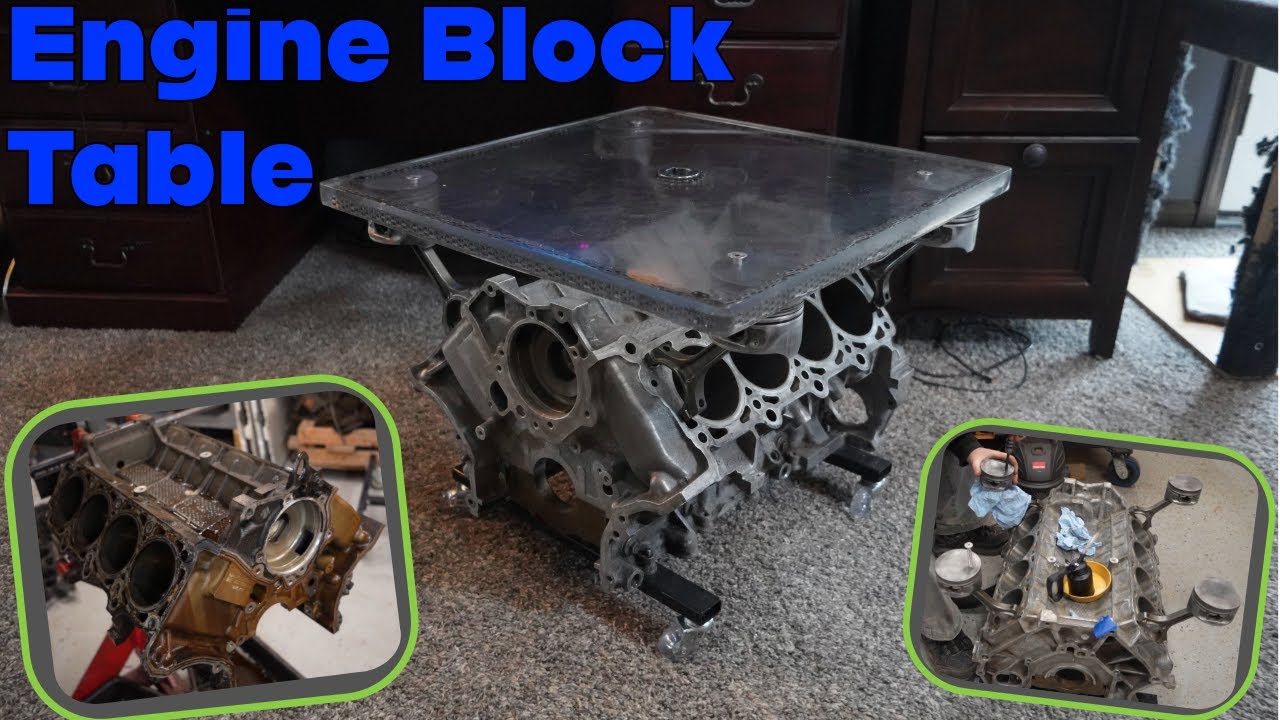
With all components prepped and finished, the assembly phase is where you finally see your vision realized as a fully functional engine block coffee table. This step requires careful handling and possibly an extra pair of hands due to the weight of the engine block. Start by securely attaching the chosen base to the underside of the engine block. Depending on your base design, this might involve drilling and bolting or welding. Ensure all connections are tightened and stable.
Next, carefully position the engine block assembly in its intended location. Once the base is secure, it is time to attach the tabletop. For glass tops, gently lower the glass onto the support points, ensuring it is centered and level. If using brackets or adhesive, follow the manufacturer’s instructions precisely. For wooden tops, align and secure them with appropriate screws or bolts. Finally, double-check that the entire table is level and stable. A well-assembled engine block coffee table should feel solid and immovable, a testament to your hard work.
Maintenance and Care: Keeping Your Table Pristine
Once you have successfully learned how to make an engine block coffee table and brought it into your home, maintaining its pristine condition is straightforward. Regular dusting with a soft cloth will keep the finish looking fresh. For painted surfaces, a damp cloth with mild soap can tackle smudges or spills, followed by immediate drying to prevent water spots. Avoid abrasive cleaners or harsh chemicals, as these can damage the paint or clear coat.
Glass tops are easily cleaned with glass cleaner, but be mindful of overspray getting onto the engine block itself. For polished metal accents, occasional polishing with a metal cleaner will maintain their shine. Regularly inspect all connections between the block, base, and top to ensure they remain secure. With proper care, your unique engine block coffee table will continue to be a stunning centerpiece for many years, enduring as a true work of art and functionality.
Frequently Asked Questions of how to make an engine block coffee table?
How heavy is an engine block coffee table?
The weight largely depends on the engine block chosen; a V8 cast iron block can weigh 150-200 pounds or more, while an aluminum block or a smaller inline-4 will be considerably lighter. Always ensure your chosen base and floor can support the weight.
What kind of engine block is best for a coffee table?
V6 or V8 engine blocks are popular due to their size and aesthetic appeal, but inline-4s can also work well for smaller tables. Cast iron blocks are durable but heavy, while aluminum blocks are lighter and easier to maneuver.
Can I leave the internal components in the engine block?
While you technically can, it is highly recommended to remove all internal components like the crankshaft, pistons, and rods. This makes the block significantly lighter, easier to clean thoroughly, and prevents any lingering oil or grease from seeping out.
What is the best way to clean an engine block?
The most effective method involves scraping off heavy grime, applying a strong engine degreaser, and then thoroughly scrubbing with wire brushes. A high-pressure washer is invaluable for removing stubborn dirt and getting into all the crevices.
Is it safe to have an engine block coffee table indoors?
Yes, as long as the engine block is meticulously cleaned of all oil, grease, and fluids, it is perfectly safe to have indoors. Proper cleaning ensures there are no lingering odors or fire hazards associated with flammable residues.
Creating an engine block coffee table is an incredibly rewarding project that transforms automotive history into a striking piece of furniture. It challenges your creativity, tests your DIY skills, and results in a unique conversation starter that truly embodies industrial chic. So, gather your tools, embrace the grit, and start crafting your own extraordinary engine block coffee table today. Share your progress and insights with a community of fellow makers, and inspire others to transform the mundane into magnificent.