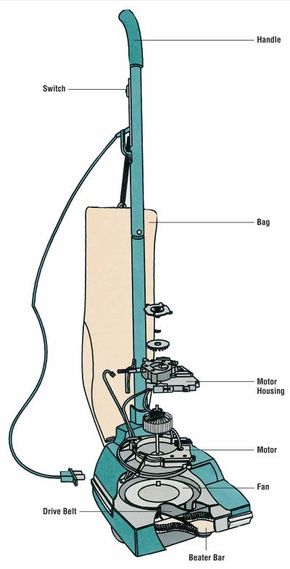
Vacuum cleaners consist of a motor, fan, filtration system, cleaning head, collection bin, and various attachments.
Ever wondered what makes your vacuum cleaner tick, or why some models perform better than others? Understanding the intricate components and what are the parts of a vacuum cleaner called is key to appreciating its efficiency and making informed choices when buying or troubleshooting. As someone who has spent years testing and dissecting cleaning appliances, I’m excited to share a comprehensive guide that will demystify the inner workings of these household heroes, transforming you into a true vacuum connoisseur. Get ready to explore every crucial piece that contributes to that satisfyingly spotless finish.
The Heart of the Clean: Power and Suction System
At the core of every vacuum cleaner's ability to gobble up dust and debris lies a sophisticated system dedicated to power generation and suction creation. This is where the magic truly happens, turning electricity into the force that lifts dirt from your floors. Without these foundational elements, a vacuum would just be a fancy, wheeled box.
Motor: The Unsung Hero
The motor is arguably the most vital part of a vacuum cleaner. It's the engine that drives everything, spinning the fan at incredibly high speeds to create the suction force. A powerful motor doesn't just mean more noise; it translates directly into stronger airflow and better dirt extraction from carpets and hard floors alike. From personal experience, a robust motor is the difference between a quick pass and multiple frustrating attempts to pick up stubborn crumbs.
Fan/Impeller: Creating the Airflow
Directly connected to the motor, the fan, or impeller, is responsible for creating the low-pressure area that generates suction. As the fan rapidly spins, it pushes air out of the vacuum, creating a partial vacuum inside. This pressure difference then pulls air, along with dirt and dust, into the machine. Think of it like a mini-tornado contained within your appliance, constantly drawing in everything in its path.
Air Filter System: Trapping the Nasties
Once dirt-laden air enters the vacuum cleaner, it must pass through a filter system to trap particles and prevent them from being expelled back into your home. This is crucial for maintaining indoor air quality.
- HEPA Filters: These High-Efficiency Particulate Air filters are a gold standard, designed to capture at least 99.97% of airborne particles 0.3 micrometers in diameter. If you or anyone in your household suffers from allergies or asthma, a vacuum with a true HEPA filter is a game-changer. I’ve personally noticed a significant reduction in dust and allergen levels in homes using vacuums equipped with these filters.
- Pre-filters and Post-filters: Many vacuums use a multi-stage filtration system, including pre-filters to catch larger debris before it reaches the main filter, extending the life of the more expensive HEPA filter. Post-filters are often located at the exhaust to catch any final microscopic particles before the air returns to the room.
Suction Inlet/Hose: The Gateway to Grime
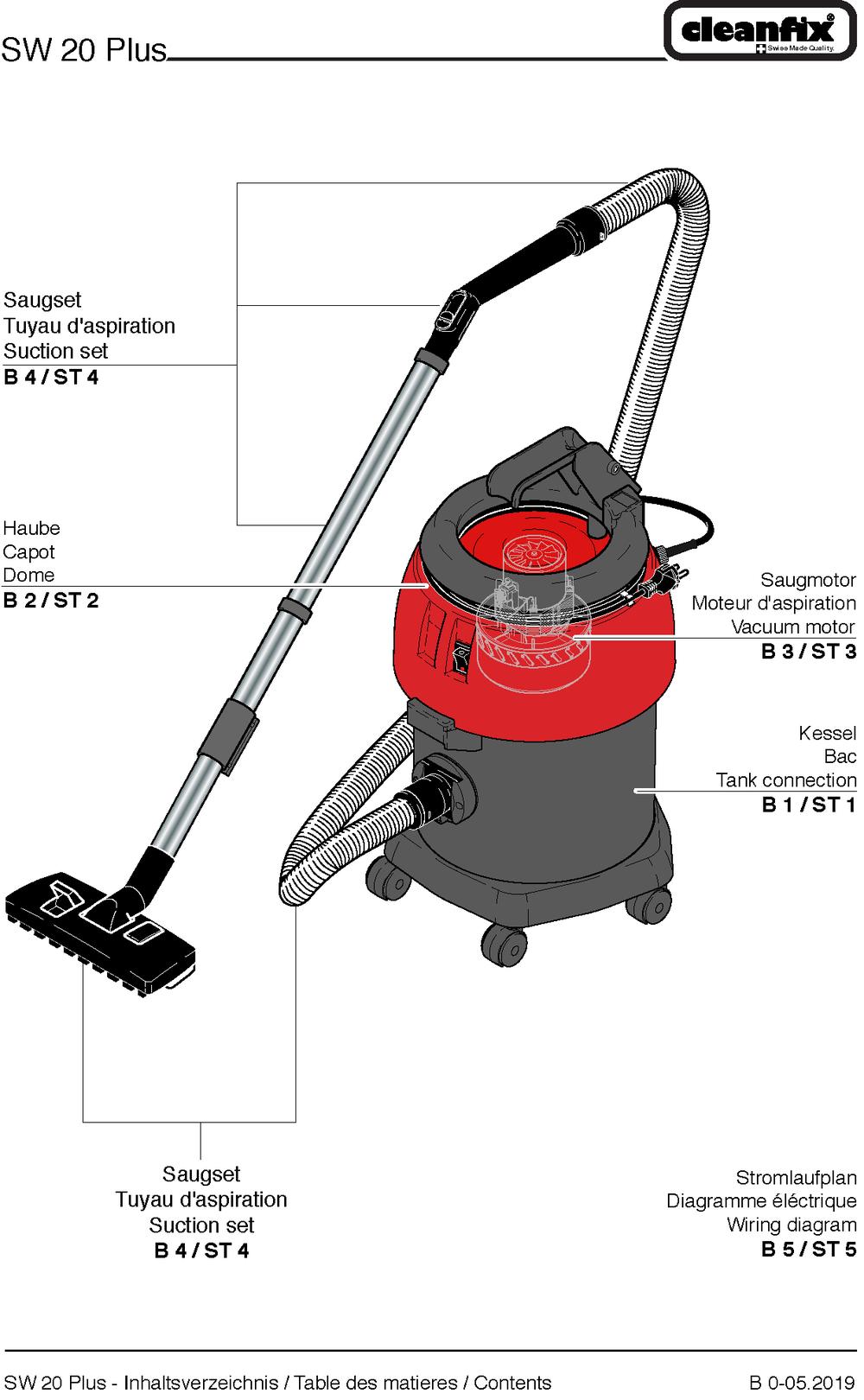
The suction inlet is the opening through which air and debris enter the vacuum cleaner. On upright models, this is often located at the base of the cleaning head, while canister and stick vacuums typically use a hose and wand assembly. The design of the inlet and hose is critical for efficient airflow and preventing clogs, making sure all the parts of a vacuum cleaner work in harmony. A wider, smoother hose can minimize blockages, which is a common frustration I’ve helped many friends troubleshoot.
Collection Bin/Bag: Where the Dirt Goes to Rest
After passing through the filter system, the collected dirt and debris need a place to be stored until disposal. This is the role of the collection bin or bag.
- Bagged Systems: These vacuums use disposable bags that capture dirt, dust, and allergens. When the bag is full, you simply remove and discard it, minimizing contact with dust. This system is often preferred by allergy sufferers due to its contained disposal.
- Bagless Systems: These models feature a reusable dirt cup or bin that you empty directly into the trash. They eliminate the ongoing cost of bags and are generally considered more environmentally friendly. However, emptying a bagless bin can sometimes create a small cloud of dust, which is something to consider if you have severe allergies. I’ve owned both types, and while bagless is convenient, I sometimes miss the no-mess disposal of a bagged system.
Getting Down to Business: The Cleaning Head and Attachments
While the motor provides the power, the cleaning head and its various attachments are where the vacuum cleaner truly engages with your floors and surfaces. These components are designed to agitate, lift, and funnel dirt into the suction path. The versatility of these parts of a vacuum cleaner can greatly enhance your cleaning experience.
Brush Roll/Beater Bar: Agitation is Key
Found primarily in upright and stick vacuums, the brush roll (or beater bar) is a rotating brush located within the main cleaning head. Its purpose is to agitate carpet fibers, dislodging embedded dirt and pet hair, making it easier for the suction to pull them away.
- Different Types for Different Floors: Some brush rolls have stiff bristles for deep carpet cleaning, while others feature softer bristles or are designed to be turned off for delicate hard floors to prevent scratching. My personal preference is for vacuums that allow you to switch the brush roll off, as it makes transitioning between carpeted and hard surfaces seamless without damaging floors.
Nozzles and Attachments: Versatility is the Vacuum Cleaner's Superpower
Beyond the main cleaning head, a range of specialized attachments allows your vacuum cleaner to tackle a multitude of cleaning tasks beyond just floors. These accessories dramatically increase the utility of your cleaning tool.
- Crevice Tool: This long, slender nozzle is perfect for reaching into tight corners, between couch cushions, and along baseboards where dust tends to accumulate. It’s an absolute lifesaver for cleaning car interiors!
- Upholstery Tool: Designed with a wide, flat head and sometimes a fabric strip, this tool is gentle yet effective for cleaning furniture, curtains, and other upholstered surfaces without snagging or damage.
- Dusting Brush: Featuring soft bristles, this attachment is ideal for cleaning delicate surfaces like bookshelves, lamp shades, and window blinds without scratching them. I use mine constantly for electronics to gently remove dust.
- Extension Wand: A simple tube that extends the reach of your hose, allowing you to clean high ceilings, ceiling fan blades, or under heavy furniture without bending or stretching excessively.
Headlights: Illuminating the Dirt
Many modern vacuum cleaner heads come equipped with LED headlights. While seemingly a minor feature, these lights illuminate dust and debris on the floor that you might otherwise miss, especially in dimly lit areas or under furniture. It’s a small detail that makes a big difference in ensuring a thorough clean. I can't tell you how many times these lights have revealed hidden dust bunnies lurking under cabinets!

Guiding the Clean: The Body, Wheels, and Controls
Beyond the core cleaning functions, the structural elements and user interface of a vacuum cleaner play a crucial role in its usability, durability, and overall effectiveness. These are the parts of a vacuum cleaner that you interact with directly.
Main Housing/Body: The Protective Shell
The main housing is the outer casing of the vacuum cleaner, holding all the internal components securely in place. It protects the motor, filters, and collection system from external damage and also provides the structural integrity for the entire unit. The design and material of the housing contribute to the vacuum's weight, durability, and aesthetic appeal. A well-designed body means less rattling and a longer lifespan.
Wheels: Smooth Navigation
Wheels enable the vacuum cleaner to glide smoothly across various floor types, making it easy to maneuver around furniture and obstacles. Different vacuums feature different wheel types and sizes; larger, rubberized wheels often provide better traction and protect delicate hard floors from scratches. The ease of rolling can significantly impact how much you enjoy, or dread, vacuuming.
Handle and Controls: Your Command Center
The handle is your primary interface with the vacuum, allowing you to push, pull, and steer the machine. It should be ergonomically designed for comfortable grip and reduced strain during cleaning. Integrated into or near the handle are the controls, which typically include:
- Power Button: To turn the vacuum on and off.
- Suction Control: Allows you to adjust the suction power, useful for delicate fabrics or lighter rugs.
- Brush Roll On/Off: As mentioned earlier, this allows you to engage or disengage the brush roll depending on the floor type.
These controls should be intuitive and easily accessible. A poorly placed power button or a cumbersome suction control can really interrupt your cleaning flow.
Power Cord/Battery: Fueling the Clean
Every vacuum cleaner needs a power source.
- Power Cord: Traditional corded vacuums use a power cord that plugs into an electrical outlet, providing continuous power. Cord length can vary, and a retractable cord feature is a definite plus for easy storage.
- Battery: Cordless stick and handheld vacuums rely on rechargeable batteries (often lithium-ion) for power. The battery capacity determines the run time, and battery life is a key consideration for these models. I've found that having a spare battery for larger homes with cordless models is incredibly helpful to avoid interruptions.
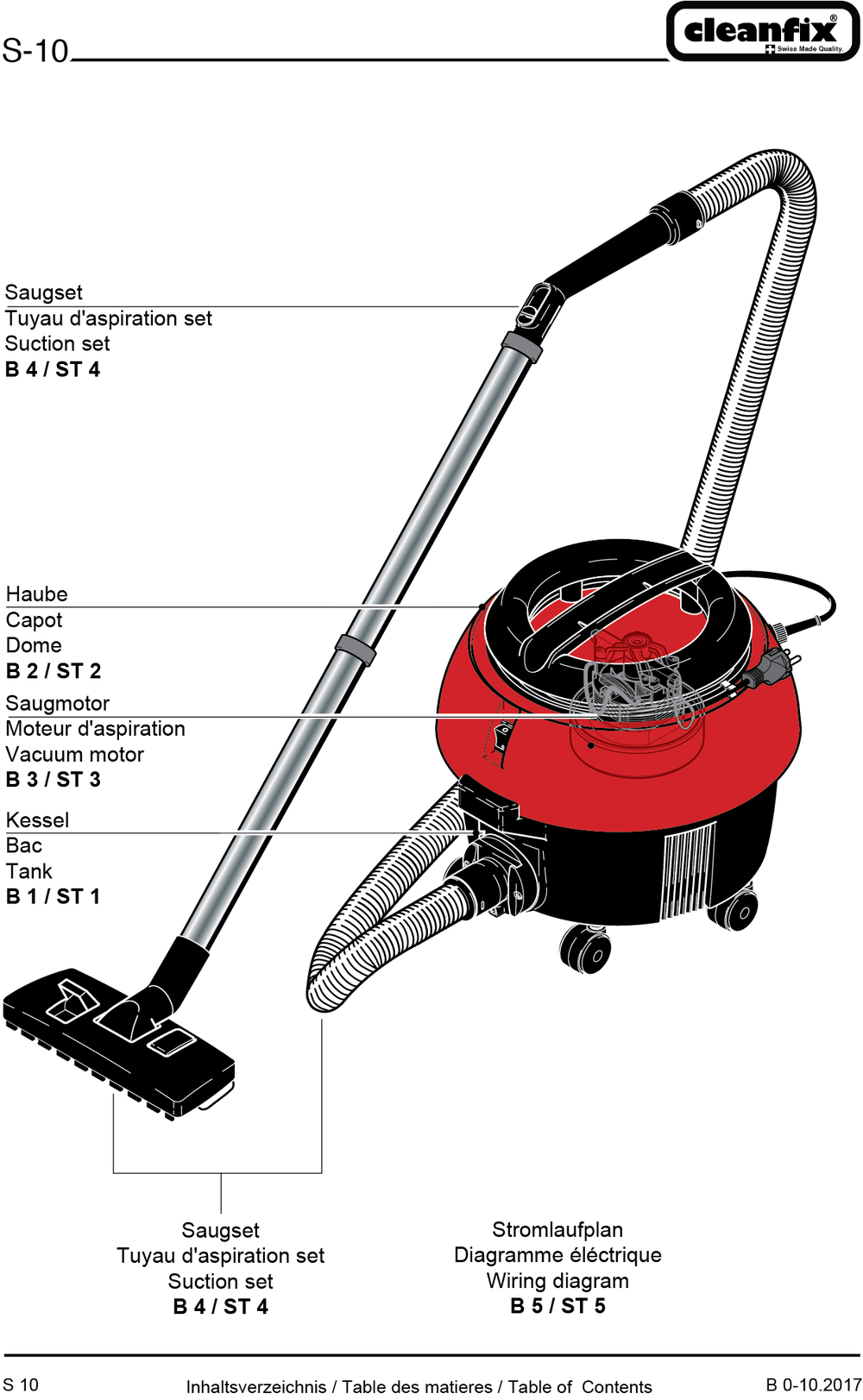
Understanding Your Vacuum Type: A Quick Look
While the fundamental parts of a vacuum cleaner remain consistent across models, their arrangement and emphasis change significantly depending on the vacuum type. Knowing these variations helps clarify why certain designs are better suited for specific tasks.
- Upright Vacuums: These are traditionally powerful, with the motor and collection bin typically integrated into a single unit that you push forward. Their cleaning head is usually wide, making them great for large carpeted areas.
- Canister Vacuums: Featuring a separate motor/collection unit (the canister) connected to a long hose and cleaning wand. They offer excellent maneuverability and are often preferred for hard floors, stairs, and above-floor cleaning with various attachments.
- Stick Vacuums: Lightweight and slender, these are great for quick clean-ups and smaller spaces. Many are cordless and can often convert into handheld models. Their integrated design makes them very convenient.
- Handheld Vacuums: Compact and cordless, perfect for small spills, car interiors, and quick spot cleaning. They prioritize portability over power.
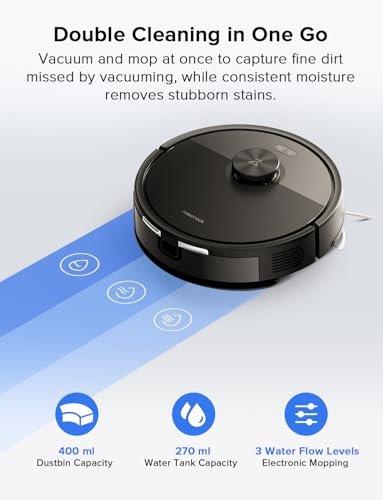
- Robotic Vacuums: These autonomous devices feature sophisticated sensors and mapping technology to navigate and clean floors on their own. While they share core components like motors and collection bins, their unique parts include advanced sensors and programming modules for navigation.

Frequently Asked Questions
What is the main purpose of a vacuum cleaner's motor?
The motor is the primary component that powers the vacuum cleaner. Its main purpose is to rapidly spin the internal fan (impeller), which creates the powerful suction needed to lift dirt and debris from surfaces.
How often should I change my vacuum cleaner filter?
Filter change frequency depends on usage and filter type. Generally, disposable filters should be replaced every 3-6 months, while washable filters should be cleaned regularly and replaced annually or when they show signs of wear or reduced performance.
What's the difference between a bagged and bagless vacuum?
A bagged vacuum collects dirt in a disposable bag, offering hygienic disposal with minimal dust exposure. A bagless vacuum uses a reusable dirt bin that needs to be emptied, eliminating the cost of bags but potentially exposing you to dust during emptying.
Can I use any attachment with my vacuum cleaner?
While many attachments use standard sizes, compatibility isn't universal. Most vacuum cleaners come with specific attachments designed to fit their hose or wand. Always check your vacuum's manual or attachment specifications to ensure proper fit and function.
What is a brush roll and why is it important?
A brush roll, also known as a beater bar, is a rotating brush located in the vacuum's cleaning head. It's important because it agitates carpet fibers, loosening embedded dirt, dust, and pet hair, making it much easier for the vacuum's suction to pick them up.
Conclusion
Understanding what are the parts of a vacuum cleaner called and how they work together truly empowers you to get the most out of your cleaning tool. From the mighty motor generating suction to the specialized attachments tackling every nook and cranny, each component plays a vital role in keeping your home spotless. Knowing these intricate details helps you troubleshoot issues, perform basic maintenance, and ultimately choose a vacuum cleaner that perfectly suits your needs. So, next time you power up your vacuum, you’ll not just be cleaning, but appreciating the marvel of engineering in your hands. Dive deeper into the world of home cleaning by exploring guides on vacuum maintenance or sharing your own vacuum cleaner experiences in the comments below!