Distilled water is not ideal for coffee. It tastes flat and can harm extraction.
You came here for a clear answer, and you will get one backed by tests, science, and daily barista work. Is Distilled Water Good for Making Coffee? I have brewed hundreds of cups with it across pour-over, drip, espresso, and cold brew. This guide shows what really happens in the cup and in your machine, plus the easy fixes that make better coffee today.
What Makes Great Coffee Water
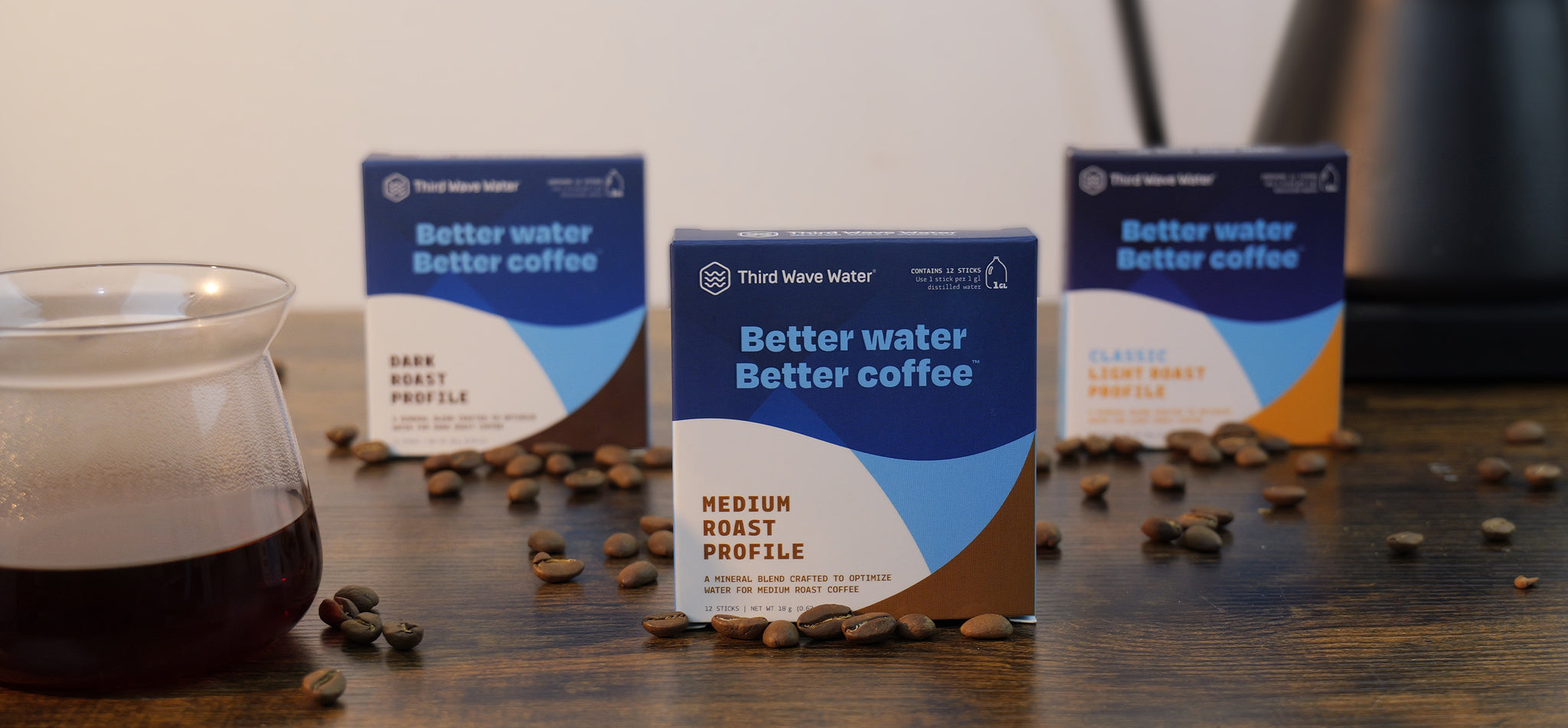
Water is an ingredient. In brewed coffee, it is about 98 percent of your drink. Good water carries flavor. It also balances acids and sweetness.
Two parts in water matter most for coffee.
- Hardness helps extract flavor. It comes from calcium and magnesium.
- Alkalinity controls acidity. It comes from bicarbonates and acts like a buffer.
When these are in balance, coffee tastes clear, sweet, and full. When they are off, you get sour or bitter cups.
Helpful target ranges to aim for at home:
- Total dissolved solids, or TDS: about 50 to 150 ppm
- Hardness as CaCO3: about 40 to 100 ppm
- Alkalinity as CaCO3: about 30 to 70 ppm
- Sodium low, chloride very low
These targets line up with common specialty coffee guidance. They are not strict rules. They are a safe, proven zone.
You may ask, Is Distilled Water Good for Making Coffee? Keep reading and tie this back to these numbers.
Is Distilled Water Good for Making Coffee?
Short answer: not really. Distilled water has almost zero minerals. That means almost no hardness and almost no alkalinity. The result is thin body, sharp acidity, and a flat aftertaste. Many machines also do not like it.
Why it struggles:
- No minerals to help extract flavor. Calcium and magnesium act like tiny magnets for coffee compounds.
- No buffer to tame acids. Without alkalinity, bright coffees can taste harsh or sour.
- Brewing can feel unstable. Small changes in grind or time swing the taste a lot.
Pros of distilled water:
- No limescale in kettles and boilers.
- A clean base for adding minerals on purpose.
- Repeatability when you mix known mineral recipes.
Cons of distilled water:
- Flat, hollow taste in most brews.
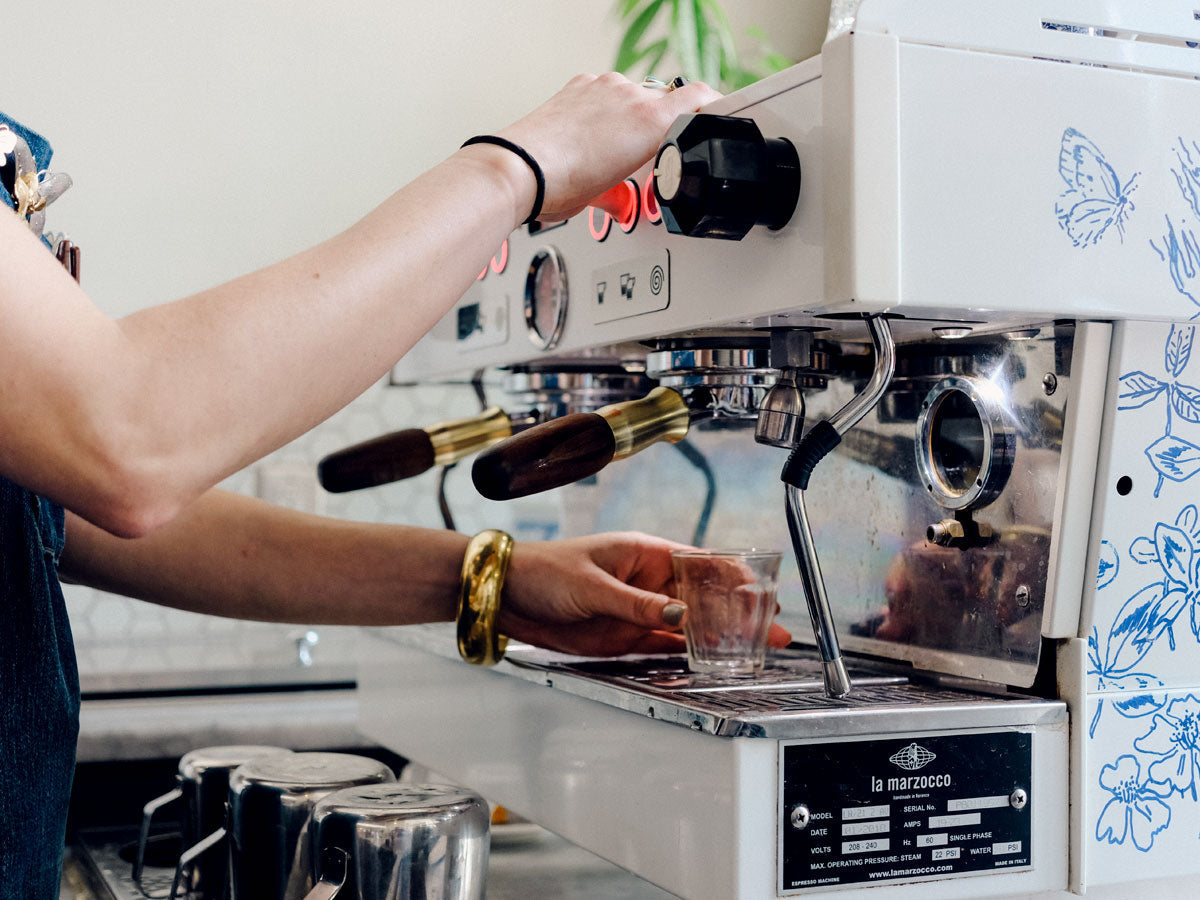
- Can confuse brewers that use water sensors. Low conductivity can cause “add water” errors.
- May increase corrosion risk in some boilers over time due to very low mineral content.
So, Is Distilled Water Good for Making Coffee? Not by itself. It shines only when you add the right minerals back in.
How Distilled Water Changes Flavor And Extraction
I tested this many times with the same beans, grinder, and recipe. I brewed side by side with filtered spring water and pure distilled water.
What I tasted:
- Pour-over: the distilled cup was bright but thin, with a quick, rough finish. The spring water cup was sweet, round, and clear.
- Espresso: shots with distilled water ran fast or channeled more. The taste was sharp up front, then bitter. Remineralized water pulled richer shots with better crema and balance.
- Cold brew: distilled gave a tea-like body and less chocolate notes. A little magnesium brought the cocoa back.
Tweaks like a finer grind, longer time, or hotter water helped a little. But they did not fix the hollow center. Minerals did.
Is Distilled Water Good for Making Coffee? My palate says no, not without help.

Machine Care: Scale, Sensors, And Safety
Your machine needs the right water too. Hard water makes scale. Scale clogs pipes, slows flow, and hurts heat transfer. You will need to descale more often.
Distilled water makes no scale. That sounds perfect, but there are trade-offs.
- Some coffee makers and espresso machines use sensors that need conductive water. Distilled water can trigger fill errors or odd behavior.
- Very low mineral water can be more aggressive to metals over long periods. Many makers advise against straight distilled in boilers.
- Gaskets and valves like stable water too. Light minerals help keep things predictable.
If you use reverse osmosis or distilled as a base, add minerals back. Aim for at least 30 to 40 ppm alkalinity and some magnesium. Your machine and your coffee will thank you.
Is Distilled Water Good for Making Coffee from a maintenance view? Only after remineralization.
Better Water Options For Coffee At Home
You have several easy paths to better water. Pick what fits your budget and setup.
Good, simple choices:
- Filtered tap water. Use a carbon filter to remove chlorine and odors. This keeps natural minerals but cleans taste. If your tap is very hard, add a scale-reducing cartridge or blend with distilled.
- Lightly mineralized spring water. Look for labels that list calcium around 10 to 30 mg/L, magnesium around 5 to 15 mg/L, and bicarbonate around 40 to 80 mg/L. TDS near 80 to 150 ppm works well for most brews.
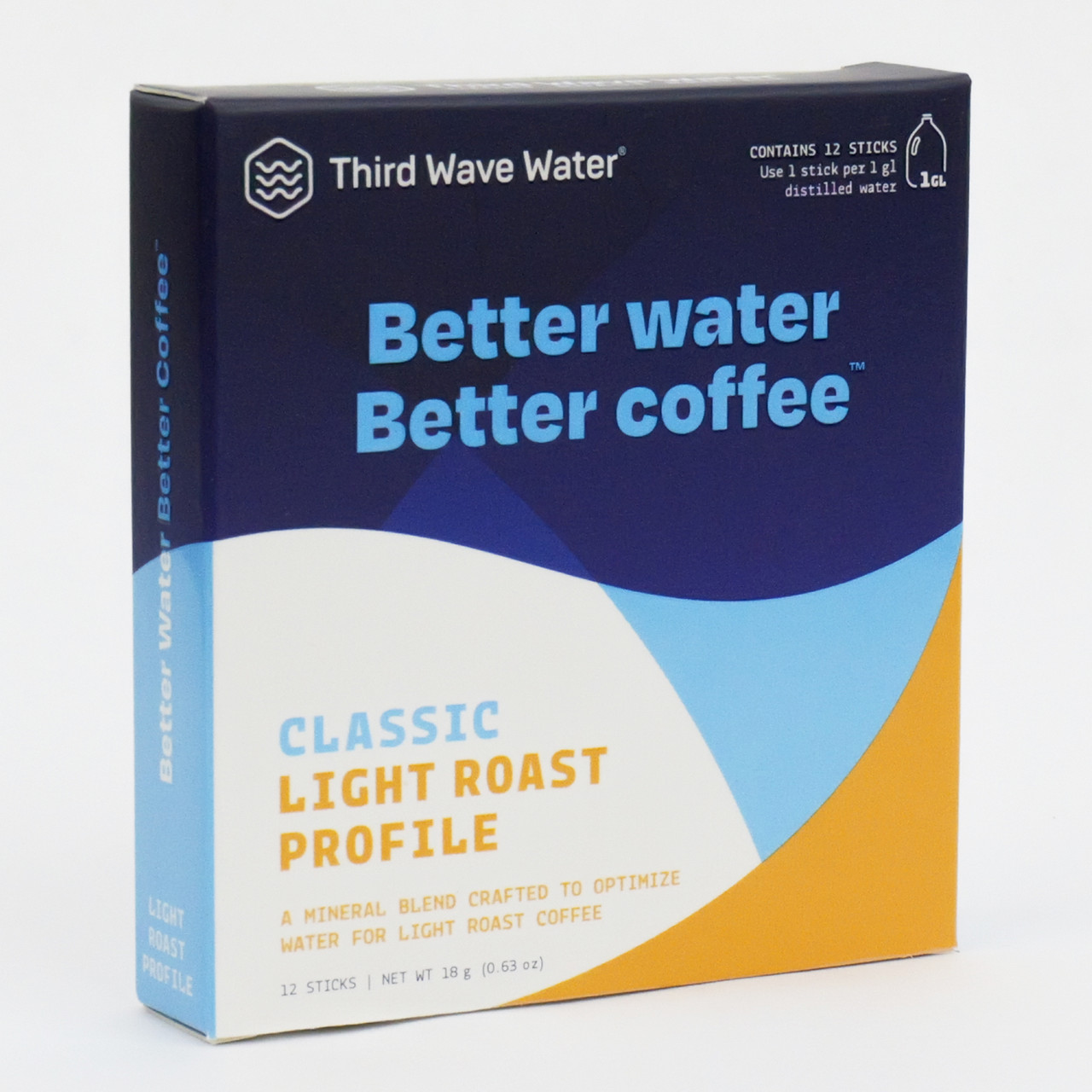
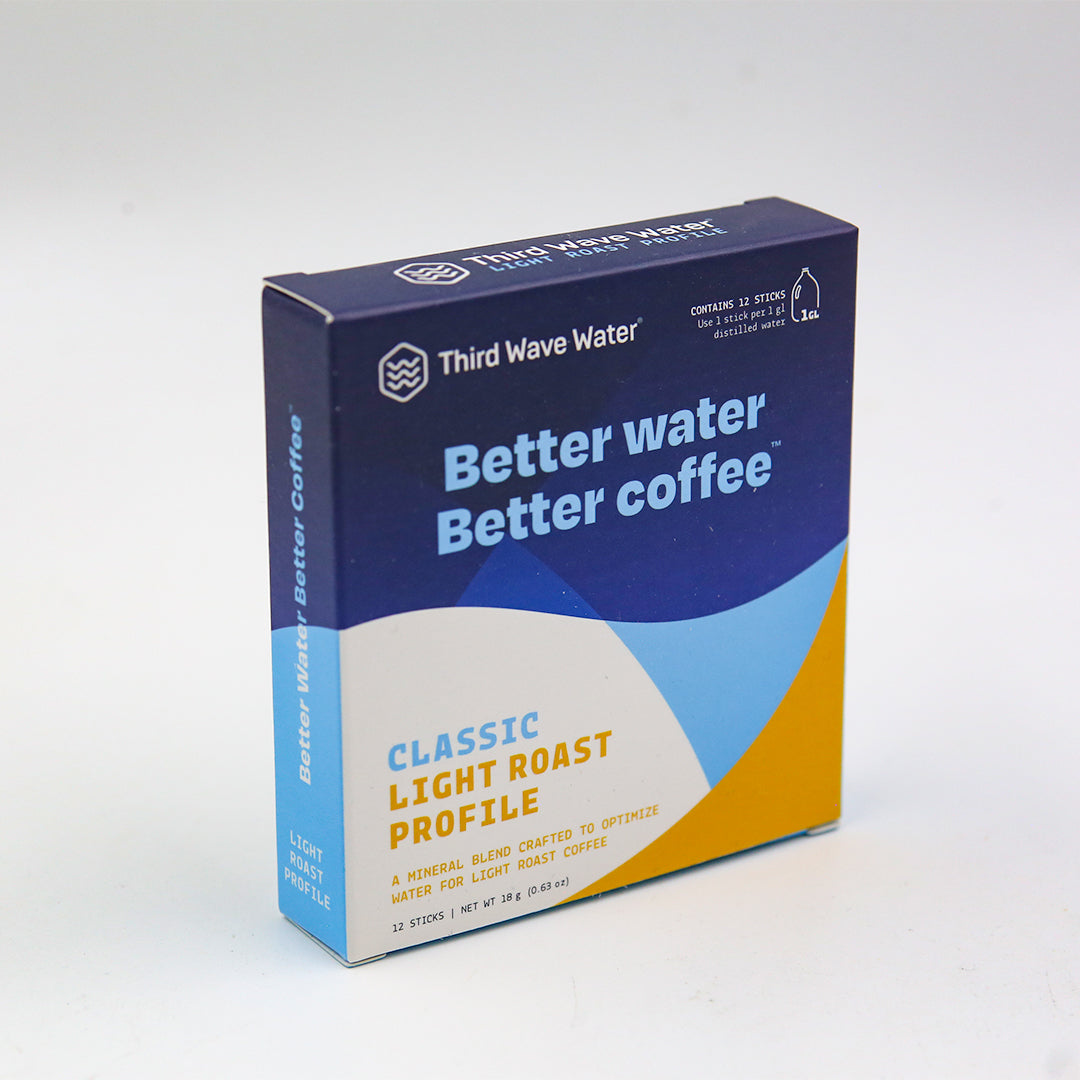
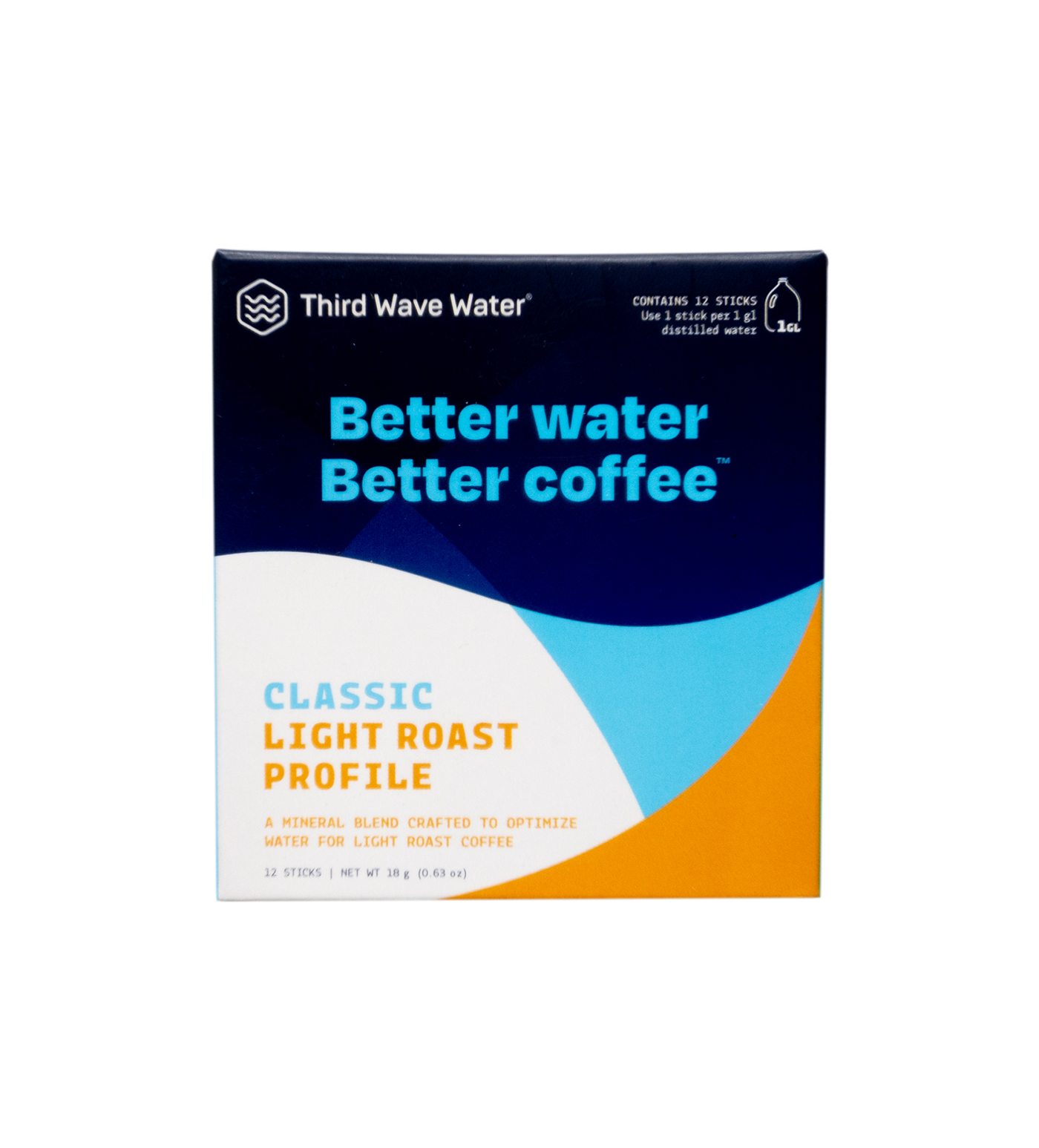
- Mineral packets. Pre-measured packets made for coffee are fast, consistent, and beginner-friendly. You add them to distilled water, shake, and you are done.
- DIY remineralization. If you like to tinker, you can add safe, food-grade minerals to distilled water.
Simple DIY recipe to fix distilled water:
You will need a small gram scale that reads to 0.01 g, clean jars, and a spoon.
Per 1 liter of distilled water:
- Add 0.12 g Epsom salt, food grade. This adds magnesium for better extraction.
- Add 0.08 g baking soda, food grade. This adds alkalinity to soften acidity.
- Stir until fully dissolved. Taste and adjust next time if needed.
What to expect:
- Balanced cups with more sweetness and body.
- Less bite from acidity, more clarity in flavors.
- TDS near 90 to 120 ppm, depending on your ingredients.
Start here, then tune to your beans. Dark roasts may like a touch more alkalinity. Light roasts often love a nudge more magnesium.
Is Distilled Water Good for Making Coffee if you remineralize it? Yes. It becomes a great, repeatable base.

How To Test And Tune Your Brew Water
You do not need a lab. A few simple tools help a lot.
- Use hardness and alkalinity test strips. They are cheap and fast. Read the colors and note your levels.
- Try a basic TDS meter. It is not perfect, but it helps you hit a range and track changes.
- Keep notes. Log the water used, brew recipe, and taste. Adjust minerals in small steps.
A quick method to dial in:
- Brew two small cups. One with your current water. One with the DIY recipe above.
- Taste warm and cool. Sweetness and aftertaste show best as the cup cools.
- If the cup tastes sharp, add a tiny bit more baking soda next time. If it tastes dull, lower alkalinity or add a bit more Epsom salt.
This simple loop builds your taste memory and your best house water over time. Is Distilled Water Good for Making Coffee? It can be, once you shape it to your taste.
Frequently Asked Questions of Is Distilled Water Good for Making Coffee?
Is Distilled Water Good for Making Coffee?
Not by itself. It lacks minerals needed for balanced extraction and flavor. Remineralize it or use filtered, lightly mineralized water.
Can I use distilled water in my Keurig or espresso machine?
Many makers advise against straight distilled water. Low conductivity can fool sensors and may increase corrosion risk over time.
What water is best for coffee at home?
Filtered water with moderate minerals works great. Aim for TDS around 80 to 150 ppm, some calcium and magnesium, and modest alkalinity.
Is reverse osmosis water better than distilled for coffee?
They are both very low in minerals. Use either as a base and add minerals back for best taste and machine health.
Will distilled water prevent scale in my machine?
Yes, it prevents scale. But remineralize a little to protect sensors, improve taste, and keep brewing stable.
Does water affect grind and brew time?
Yes. Softer water can speed extraction and make coffee taste sharp. Balanced minerals let you use a normal grind and get sweeter cups.
Can I make cold brew with distilled water?
You can, but it often tastes thin. Add minerals or blend with spring water for fuller body and richer flavor.
Why do people ask, Is Distilled Water Good for Making Coffee?
Because it prevents scale and seems “pure.” But flavor and stability improve when you add back a little magnesium and alkalinity.
Is Distilled Water Good for Making Coffee in espresso machines?
Not straight. Espresso needs stable water chemistry. Add minerals to protect the machine and to pull sweet, balanced shots.
Conclusion
Distilled water looks clean on paper, but coffee needs minerals to sing. With zero minerals, you get thin, sharp cups and fussy brews. Add a little magnesium and alkalinity, or start with filtered spring water, and your coffee opens up with sweetness, body, and balance.
Try the simple recipe above this week. Brew side by side and trust your taste. If this helped, subscribe for more easy coffee upgrades, share your water tweaks in the comments, and keep dialing in the cup you love.