A robot vacuum senses its surroundings, maps rooms, and sucks debris while roaming.
Curious about how the robot vacuum cleaner works in real homes? I test these bots for a living, from budget bouncers to laser-guided pros. In this guide, I explain how the robot vacuum cleaner works in plain words, with real tips, clear steps, and lessons I learned the hard way. Stick with me, and you will know how the robot vacuum cleaner works, what to buy, and how to get the best clean for your space.

The core parts that make the bot move and clean
To grasp how the robot vacuum cleaner works, start with its parts. Think of it as a small car with a fan, brushes, and a brain. Each piece does a simple job, and the system ties it all together.
Key components you will find inside:
- Sensors that watch the floor and walls. These include bumpers, cliff sensors, and often lidar or a camera.
- A drive system with two wheels and a caster. The wheels turn at different speeds to steer.
- A brush system that pulls in dust. This has a main brushroll and a side edge brush.
- A suction fan that creates airflow. It pulls dirt through the intake to the bin.
- A dustbin with a filter. Some use HEPA class filters to trap fine dust.
- A battery pack and a charge port or pads. Most use lithium-ion cells.
- A processor and memory. This runs maps, routes, and safety checks.
- Wireless radios for the app. This handles Wi‑Fi and updates.
All these parts work like a team. That is how the robot vacuum cleaner works so well in a compact body.

Navigation and mapping: how it knows where to go
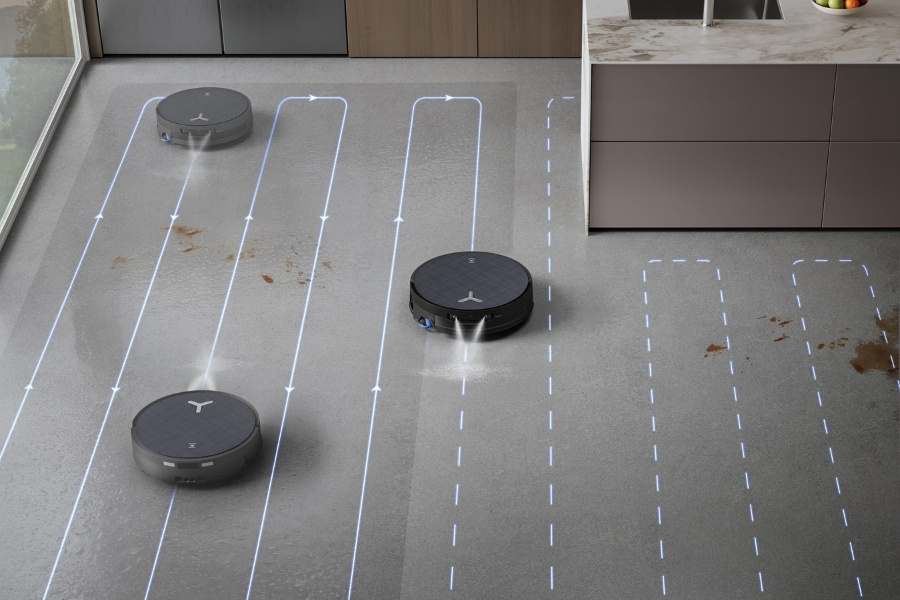
How the robot vacuum cleaner works gets smart with mapping. Early bots bounced in random paths. Newer bots scan the room, build a map, then clean in neat lines.
Common navigation methods:
- LiDAR. A laser spins to read room shape and distance. It works well in low light.
- VSLAM. A camera tracks features and uses visual cues to map. It needs light.
- Gyro and optical flow. Cheaper bots use simple sensors to track turns and drift.
- Infrared and ultrasonic. These help detect walls and furniture edges.
- Bumper and cliff sensors. They protect from hits and drops on stairs.
The bot builds a map as it drives. It uses SLAM math to place itself in that map. Then it plans a route in rows and around edges. Many apps let you name rooms, set zones, and block spots. That is how the robot vacuum cleaner works to cover more floor in less time.
The cleaning system: airflow, brushes, and dust capture
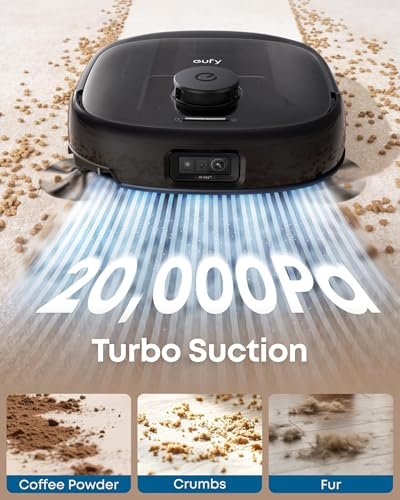
The cleaning heart shows how the robot vacuum cleaner works under the hood. Airflow is the star. The fan makes a pressure drop that lifts dirt. The brushroll loosens grit. The side brush flicks crumbs from edges.
What happens under the shell:
- The edge brush sweeps debris to the intake path.
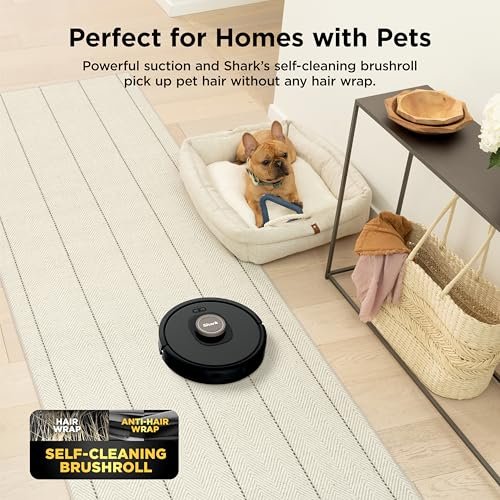
- The main brushroll lifts hair and dust from rugs and cracks.
- The fan pulls air and dirt through a sealed channel into the bin.
- The filter traps fine dust before air exits the bot.
Useful details from real use:
- Carpet boost raises suction when the bot senses fibers.
- Rubber brushrolls resist hair tangles. Bristle rolls dig into low pile.
- A well sealed path beats raw motor power alone.
- Good filters hold more dust and help with allergies.
If you ever find poor pickup, check the path for clogs. Clear hair from the brush ends. This small care step restores how the robot vacuum cleaner works at its best.

Power, charging, and runtime management
How the robot vacuum cleaner works also depends on smart power use. Most bots run 60 to 180 minutes. They dock to charge, then resume if needed.
Power basics:
- Lithium-ion packs give steady power and fast charge.
- The dock emits an IR beacon so the bot can home in.
- Many models use recharge and resume for large homes.
- Firmware balances route length and battery health.
My tips for longer life:
- Charge on a hard, open floor with space on both sides.
- Keep the dock out of bright sun and heat.
- Empty the bin often. A full bin hurts airflow and drains the pack.
- Update the app and firmware. Power logic often gets better over time.
This is how the robot vacuum cleaner works day after day without your help.

Obstacles, floors, and tricky spots
Real homes are messy. Cords snake under sofas. Rugs flip. Dark floors can fool sensors. This is where you see how the robot vacuum cleaner works when life gets real.
What to expect:
- Thresholds. Most bots cross 0.6 to 0.8 inches. Taller lips may need ramps.
- Rugs. Light rugs can bunch. Secure corners with tape dots.
- Cords and socks. These are hair traps for wheels and brushes. Pick them up first.
- Stairs and cliffs. Downward IR sensors stop falls. Very dark or shiny floors may need sensor tweaks in the app.
- Pet mess. High-end bots can spot small objects. Still, do a quick scan if pets have accidents.
A story from my tests: I once forgot a phone cable under a bed. The bot ate it and stalled. The fix was simple. I added a no-go zone on the map. Since then, the run is smooth. This small step shows how the robot vacuum cleaner works best with a tiny bit of prep.
Smart features, apps, and voice control
The app is where you steer how the robot vacuum cleaner works for your life. You can set rooms, set times, and link to voice.
Useful features to look for:
- Room names and per-room cleaning with power and pass count.
- Zone cleaning for spills or busy areas.
- No-go and no-mop lines to block cords and rugs.
- Multi-floor maps if you move the bot between levels.
- Voice control for quick starts and pauses.
- Routines with other devices. Clean when you leave home.
Some bots use AI to spot shoes, cords, and pet toys. Others keep data local. Read the privacy page in the app. Choose what you share. This mix of features shapes how the robot vacuum cleaner works for your space and habits.

Maintenance and care that make it work better
A few minutes each week can double pickup. This small habit is the secret to how the robot vacuum cleaner works like new.
Simple care plan:
- Empty the bin after each run if you have pets. Check filters weekly.
- Wash foam pre-filters when allowed. Replace HEPA filters as the manual says.
- Cut hair off brushroll ends and axles. Look at the side brush hub for wraps.
- Wipe sensors and the lidar glass with a soft cloth.
- Check wheels for hair under the hubs. Clean the charging pads.
My rule of thumb: if you see more dust left on edges, clean the edge brush and the intake seal. Those two spots cause half the issues I see.

Buying guide: match the tech to your home
To make sure how the robot vacuum cleaner works fits your needs, match features to your home. Do not chase specs alone.
What to weigh before you buy:
- Home size. Larger spaces need mapping, recharge and resume, and bigger bins.
- Floors. High pile rugs need strong brush contact and carpet boost.
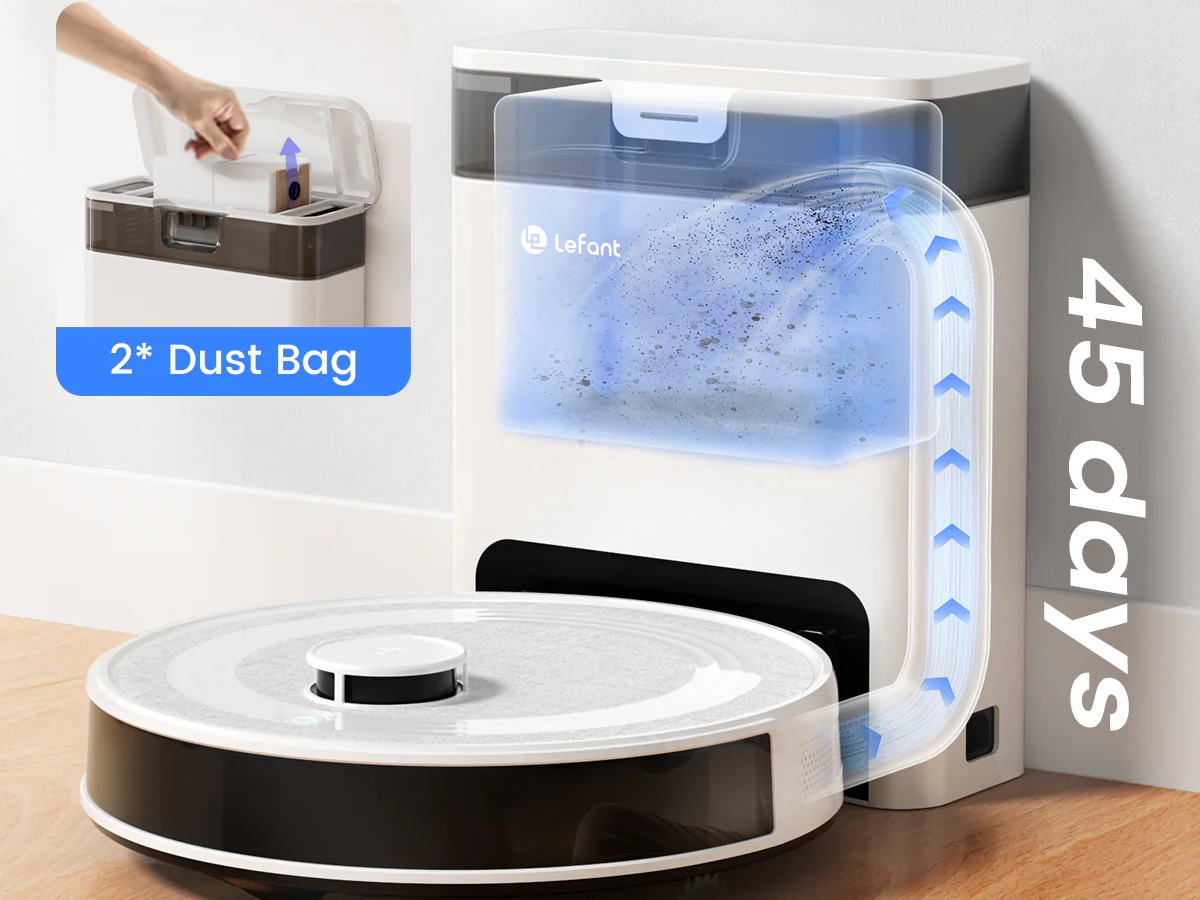
- Pets. Look for rubber brushes, good seals, and self-empty docks.
- Allergies. HEPA class filters and sealed bins help a lot.
- Layout. Complex homes benefit from lidar or strong VSLAM.
- Noise. Brush and airflow design can matter more than motor power.
- Budget. Spend on navigation and airflow first. Fancy extras can wait.
If you want quick help: small studio, get a simple gyro bot. Mixed floors with pets, get lidar and a self-empty dock. That is how the robot vacuum cleaner works best in most cases.
Safety, privacy, and reliability
Safety and trust are part of how the robot vacuum cleaner works. Treat it like any smart device in your home.
Good practices:
- Charge on a flat, hard surface. Keep the dock clear of curtains and paper.
- Unplug the dock if you see a damaged cord or hot adapter.
- Review data settings. Some bots store maps locally. Others sync to the cloud.
- Keep firmware updated for fixes and security.
- Use child locks and block stairs with no-go zones if sensors struggle.
Lab tests and field reviews show that most units are safe and robust when used as directed. Problems often come from damaged cords, poor vents, or blocked fans. If something seems off, stop the run and check the intake and wheels. Clear faults first. This care builds trust in how the robot vacuum cleaner works over the long term.
Frequently Asked Questions of How the Robot Vacuum Cleaner Works
How does a robot vacuum find its way back to the dock?
It follows a beacon from the dock and a saved map path. If the map is lost, it searches in a pattern until it detects the dock signal.
Do robot vacuums work in the dark?
LiDAR models work fine with no light. Camera-based models need some light to see features and keep the map stable.
How often should I run a robot vacuum?
Daily for pets and high traffic areas. Every two to three days for small homes with hard floors.
Can a robot vacuum replace an upright?
It can handle daily dust and hair. You still need a deep clean with a full-size vacuum now and then.
Will it fall down stairs?
Cliff sensors prevent falls in most cases. Keep the sensors clean and add a no-go zone if you have tricky steps.
How loud are robot vacuums?
Most run between quiet talk and normal TV volume. Self-empty docks make a short loud burst when they empty the bin.
What is the best way to improve pickup?
Clear cords, open doors, and set zones for tough spots. Clean the brush and filter often to keep airflow strong.
Conclusion
You now know how the robot vacuum cleaner works, from sensors and maps to airflow and care. The bot scans your space, plans clean routes, and lifts dust with a tight brush and fan system. With light prep and simple upkeep, it can keep floors tidy every day.
Try this plan today. Pick up loose cords, set room zones, and schedule a run. You will see a cleaner floor and save time each week. Want more tips or model picks? Subscribe for updates or drop your questions in the comments.