
Making coffee concentrate at home is simple: mix finely ground coffee with a small amount of water, let it brew, filter out the grounds, and dilute the result when you are ready to drink it. For most home kitchens in the United States, cold brew concentrate is the easiest method because it needs no special machine and keeps well in the refrigerator for several days.
This guide explains how to make coffee concentrate with a jar, pitcher, or French press. It also covers ratios, brewing time, dilution, storage, common mistakes, and ways to use the concentrate in hot or iced drinks.

What Is Coffee Concentrate?
Coffee concentrate is strongly brewed coffee that you dilute before drinking. It contains more coffee flavor per ounce than regular brewed coffee, so a small amount can make iced coffee, hot coffee, lattes, coffee cocktails, or baking recipes.
The term usually refers to cold brew concentrate, but people also use it for strong hot-brewed coffee. These methods are not the same:
- Cold brew concentrate: Coffee grounds steep in cool or room-temperature water for many hours.
- Hot coffee concentrate: Coffee brews with hot water at a higher coffee-to-water ratio.
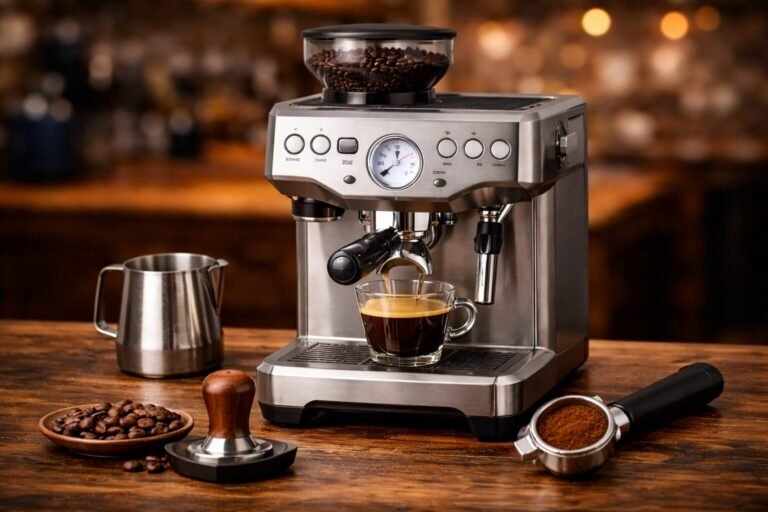
- Espresso: A separate brewing method that uses pressure, fine grounds, and a short extraction time.
Cold brew concentrate often tastes smooth and less sharp because the coffee is not exposed to high heat during brewing. It can still contain a large amount of caffeine, however. A smoother taste does not mean lower caffeine.
For home use, concentrate gives you control. You can make one strong batch, store it in the refrigerator, and adjust each serving to taste.
Coffee Concentrate Ratio: Start With 1:4
Use 1 part coffee by weight to 4 parts water by weight for a strong cold brew concentrate. For example:
- 100 grams coffee
- 400 grams water
This ratio is easier to repeat with a kitchen scale than with cups or tablespoons. Coffee grounds vary in size and density, so volume measurements can produce different results.
If you do not have a scale, use this rough starting point:
- 1 cup coarsely ground coffee
- 4 cups filtered water
The cup method is less exact, but it works for a small home batch.
How much concentrate does the recipe make?
Coffee grounds hold on to some water. A batch made with 100 grams of coffee and 400 grams of water may produce about 300 to 350 grams of filtered liquid, depending on the grind and filter.
That is normal. Do not add extra water simply to replace liquid trapped in the grounds unless you want a weaker concentrate.
Suggested ratios
| Strength | Coffee-to-water ratio | Best use |
|---|---|---|
| Mild concentrate | 1:5 | Ready-to-dilute iced coffee |
| Strong concentrate | 1:4 | Iced coffee, hot coffee, and milk drinks |
| Very strong concentrate | 1:3 | Small servings or coffee desserts |
A stronger ratio does not always create better coffee. If the concentrate tastes harsh, dry, or bitter, use a coarser grind, a shorter brew time, or more dilution.
How to Make Cold Brew Coffee Concentrate
You need coarsely ground coffee, filtered water, a clean container, and a way to filter the finished brew. A large jar, covered pitcher, French press, or cold brew maker can work.
Ingredients and equipment
For about two to four servings, gather:
- 100 grams coarsely ground coffee
- 400 grams filtered water
- A jar or pitcher with a lid
- A kitchen scale
- A spoon or spatula
- A fine-mesh strainer, paper coffee filter, or clean cloth filter
- A clean bottle or jar for storage
Choose coffee that you already enjoy. Medium or medium-dark roasts often make a rich cold brew, while light roasts can produce brighter, fruitier flavors. The roast level is a taste choice, not a safety rule.
Step-by-step method
-
Grind the coffee coarsely.
The grounds should look similar to coarse sea salt. Fine grounds can make the concentrate muddy and bitter. -
Add the coffee to the brewing container.
Make sure the container is clean and large enough to hold the grounds and water without spilling. -
Pour in the water.
Add 400 grams of filtered water. Pour slowly so all the grounds become wet. -
Stir gently.
Use a clean spoon to break up dry pockets. Do not whip or shake the mixture, since this can make filtering harder. -
Cover and steep.
Let the coffee sit for 12 to 16 hours in the refrigerator or at cool room temperature. Refrigerated brewing takes longer but keeps the mixture colder. -
Filter the coffee.
Pour the mixture through a fine-mesh strainer lined with a paper coffee filter. Let it drain on its own. Pressing the grounds can push fine particles into the concentrate. -
Transfer and chill.
Pour the filtered concentrate into a clean, covered container. Refrigerate it promptly. -
Dilute before drinking.
Start with one part concentrate and one part water or milk. Add ice if you want iced coffee. Adjust from there.
How to make cold brew concentrate in a French press
A French press can simplify the first filtering step. Add the coffee and water, stir, cover, and steep for 12 to 16 hours. Press the plunger down slowly, then pour the coffee through a paper filter for a cleaner drink.
The French press screen alone may leave fine sediment behind. A second paper filter helps if you want a smoother concentrate.
Signs that the concentrate worked
Good coffee concentrate should:
- Smell fresh and clearly like coffee
- Taste strong but not sharply bitter
- Have a smooth or full body
- Pour freely after filtering
- Mix well with water, milk, or ice
Some cloudiness is normal, especially with a metal filter. A paper-filtered batch will usually look cleaner and feel lighter.

How to Dilute Coffee Concentrate
Dilute the concentrate after brewing, not before. This lets you make each serving as strong or mild as you like.
Start with these combinations:
- Strong iced coffee: 2 parts concentrate to 1 part water
- Balanced iced coffee: 1 part concentrate to 1 part water
- Mild coffee: 1 part concentrate to 2 parts water
- Creamy coffee: 1 part concentrate to 1 part milk
- Hot coffee: Mix concentrate with hot water, then taste and adjust
Example serving calculation
Suppose you have 6 ounces of concentrate. For a 1:1 drink, add 6 ounces of water. That gives you 12 ounces of coffee before adding ice.
For a stronger 2:1 drink, use:
- 6 ounces concentrate
- 3 ounces water
Ice will melt and add water over time. If you plan to serve coffee over a full glass of ice, make the drink slightly stronger or use coffee ice cubes.
Can you heat cold brew concentrate?
Yes. Cold brew concentrate can be mixed with hot water or warmed gently in a saucepan or microwave-safe container.
Do not boil it. High heat can create a harsher taste and may cause the coffee to foam or spill. Heat the diluted drink rather than heating a very strong concentrate by itself.
Choosing Coffee, Water, and Grind Size
The three biggest flavor controls are coffee quality, water, and grind size. Small changes in each can make a large difference in a concentrated recipe.
Coffee beans
Use fresh beans when possible and grind them just before brewing. A coarse grind helps water move through the grounds during filtering and reduces over-extraction.
Good starting choices include:
- Medium roast: Balanced, nutty, and easy to dilute
- Medium-dark roast: Rich, chocolate-like, and bold
- Light roast: Bright, floral, or fruity
- Decaf: A useful option for evening drinks, though decaffeinated coffee is not completely caffeine-free
Avoid using stale coffee if you want a clean flavor. Concentrate can make stale or burnt notes more noticeable because the brew is so strong.
Water
Use clean, pleasant-tasting water. If your tap water tastes strongly of chlorine, minerals, or sulfur, filtered water may improve the result.
Very soft or very hard water can change extraction. You do not need specialty water for a good home batch, but consistent water helps you repeat a recipe.
Grind size
Use a coarse grind for immersion cold brew. If the coffee tastes:
- Bitter or dry: Grind more coarsely, steep for less time, or dilute more.
- Weak or sour: Grind slightly finer, steep longer, or use less dilution.
- Muddy: Use a better filter or grind more coarsely.
- Uneven: Stir the grounds well at the start.
Change one variable at a time. That makes it easier to learn what improved the batch.

Cold Brew Concentrate vs. Hot Coffee Concentrate
Cold brew is not the only way to make coffee concentrate. A hot method can be faster when you need coffee within minutes.
Fast hot-brew method
Use:
- 30 grams medium-fine coffee
- 240 grams hot water, just off the boil
Brew with a pour-over cone, AeroPress, or French press. The exact method will change the result, so treat this as a starting point rather than a fixed rule.
For an AeroPress, use a short brew with less water and dilute afterward. For a French press, steep the strong mixture for about four minutes, then press and filter. For a pour-over, pour slowly and evenly to prevent clogging.
Hot concentrate works well for:
- Hot lattes
- Small iced coffees
- Baking
- Coffee sauces
- Drinks made on demand
Cold brew concentrate works better when you want a batch that is ready for several days. Hot concentrate is faster but usually does not keep its best flavor for as long.
How to Store Homemade Coffee Concentrate
Store coffee concentrate in a clean, covered container in a refrigerator set at 40°F or below. The U.S. Food and Drug Administration recommends keeping the refrigerator at 40°F or colder to slow the growth of harmful bacteria.
For best quality, use homemade concentrate within about four days. Some people keep cold brew for up to a week, but storage time depends on cleanliness, filtration, temperature, and the container. A conservative four-day window is easier to follow at home.
Follow these storage rules:
- Refrigerate the concentrate soon after filtering.
- Use a clean container with a tight lid.
- Do not store it with milk or cream already mixed in.
- Pour servings with a clean cup or spoon.
- Discard it if it smells sour, fermented, moldy, or otherwise unusual.
- Do not taste questionable coffee to decide whether it is safe.
Coffee concentrate is not shelf-stable simply because it contains coffee. Never leave it at room temperature for a long period, especially in a warm kitchen.

Common Coffee Concentrate Mistakes
Most problems come from the ratio, grind, brew time, or filtering method. The table below gives a quick fix.
| Problem | Likely cause | What to try next |
|---|---|---|
| Bitter taste | Too fine a grind or steeping too long | Grind coarser or reduce the time |
| Thin flavor | Too much water or too little coffee | Use a 1:4 ratio or dilute less |
| Sour flavor | Under-extraction or stale coffee | Steep longer or use fresher beans |
| Gritty texture | Fine grounds passed through the filter | Add a paper filter |
| Strong but unpleasant taste | Dark roast or over-extraction | Use a medium roast or shorter steep |
| Cloudy coffee | Natural oils and fine particles | Filter twice with paper |
| Weak after adding ice | Ice melted too quickly | Use less dilution or coffee ice cubes |
| Noisy, messy filtering | Grounds packed into the filter | Pour in smaller amounts and do not press |
Mistake: using fine grounds
Fine grounds expose more surface area to water. In a long cold brew, that can create an overly intense and rough taste. Fine particles also clog paper filters.
Mistake: judging the concentrate before dilution
Concentrate should taste too strong to drink straight. Taste a small spoonful after dilution. The final drink is what matters.
Mistake: using hot water for cold brew
Hot water changes the extraction process and can produce a different flavor. If you want cold brew, use cool or room-temperature water. If you want fast coffee, use a hot-brew method instead.
Mistake: pressing the grounds
Pressing or squeezing the grounds may increase the yield, but it can also add sediment and bitter flavors. Let the filter drain naturally when possible.

How to Use Coffee Concentrate
Coffee concentrate can replace regular brewed coffee in many recipes. Add it slowly because the flavor builds quickly.
Try it in:
- Iced coffee with water, milk, or oat milk
- Hot coffee with hot water
- Vanilla or mocha lattes
- Protein shakes and smoothies
- Coffee ice cubes
- Tiramisu and other desserts
- Chocolate cake or brownie batter
- Coffee cocktails
- Homemade coffee syrup
For a balanced iced coffee, fill a glass with ice, add 4 ounces of concentrate, then add 4 to 6 ounces of water or milk. Sweeten after dilution so you do not over-sweeten the stronger base.
Because caffeine content varies by bean, roast, grind, ratio, and serving size, do not assume that a small volume of concentrate contains little caffeine. If you limit caffeine, use less concentrate, choose decaf, or check the caffeine information for the coffee you use. The FDA’s consumer guidance on caffeine explains that individual sensitivity and total intake matter.

Key Takeaways
- Use a 1:4 coffee-to-water ratio by weight for a strong cold brew concentrate.
- Steep coarse grounds for 12 to 16 hours.
- Filter well and store the concentrate in a clean, covered container.
- Refrigerate it at 40°F or below.
- Use homemade concentrate within about four days for best quality.
- Start with a 1:1 dilution, then adjust to taste.
- If the coffee tastes bitter, change the grind or steep time before adding more sweetener.
Frequently Asked Questions
Is coffee concentrate the same as cold brew?
Not always. Cold brew describes coffee made with cool water over a long brew time. Coffee concentrate describes the strength of the finished coffee. Cold brew can be made as a concentrate, but it can also be brewed at a ready-to-drink strength.
Can I make coffee concentrate without a scale?
Yes. Use about 1 cup of coarsely ground coffee for every 4 cups of water. A scale gives more consistent results because coffee grounds vary in size and density.
How long should homemade coffee concentrate last?
Keep it covered and refrigerated, and use it within about four days for best quality. Discard it sooner if it develops an unusual smell, flavor, mold, or signs of fermentation.
Can I use pre-ground coffee?
Yes, but choose a coarse pre-ground coffee if available. Standard supermarket coffee may be finer than ideal for cold brew, so filter it carefully to reduce grit.
Why is my cold brew concentrate too bitter?
The coffee may be too finely ground, steeped too long, or made with a very dark roast. Try a coarser grind, a shorter steep, or a lighter roast. Dilution can soften the taste, but it will not fully remove harsh extraction.
Can I freeze coffee concentrate?
You can freeze it in small portions, such as ice cube trays, but freezing may slightly change the flavor. Use frozen concentrate cubes in iced coffee or blended drinks. Store them in a sealed freezer container to limit odors and freezer burn.
Conclusion
The simplest coffee concentrate recipe is 100 grams of coarse coffee steeped with 400 grams of water for 12 to 16 hours. Filter it well, refrigerate it promptly, and dilute each serving with water or milk.
Start with a 1:1 dilution, then adjust the strength. If the flavor is harsh, change the grind or brew time before changing the sweetener. Once the basic ratio works, you can use the concentrate for iced coffee, hot drinks, lattes, smoothies, and desserts.

2 Comments