A vacuum cleaner is a motorized tool that sucks up dust to keep floors clean.
If you want a calm, clean home, your vacuum cleaner is your best friend. I’ve tested uprights, canisters, cordless sticks, and robots in real homes with pets, stairs, and messy kids. This guide breaks down how a vacuum cleaner works, which type fits your space, how to measure real suction, and how to avoid common mistakes. Read on to buy smarter and clean faster.
What is a vacuum cleaner and how it works
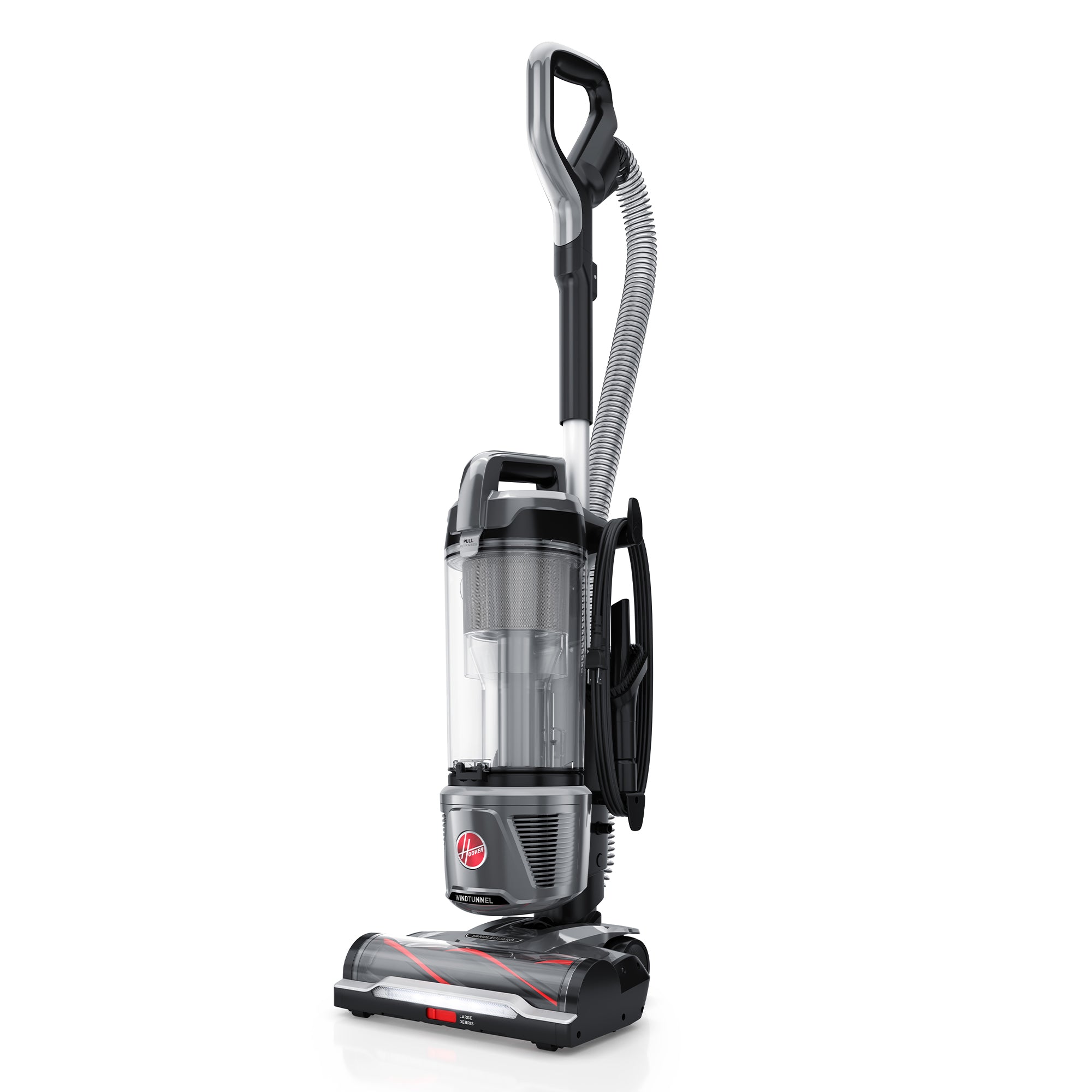
A vacuum cleaner uses a motor to create airflow and negative pressure. That airflow lifts dust and debris. It then traps dirt in a bag or a dustbin with filters that protect the motor and your air.
Most modern models use cyclonic action. Spinning air separates heavy dirt before it reaches the filter. Brushes or a beater bar agitate carpet so the vacuum cleaner can pull out deep grit. Good seals keep suction strong from the floor to the bin.
Key parts you will see:
- Motor and fan move air
- Inlet, hose, and wand guide airflow
- Brush roll or soft roller picks up debris
- Filters and bags hold dust and protect lungs
- Control board and sensors in robot units
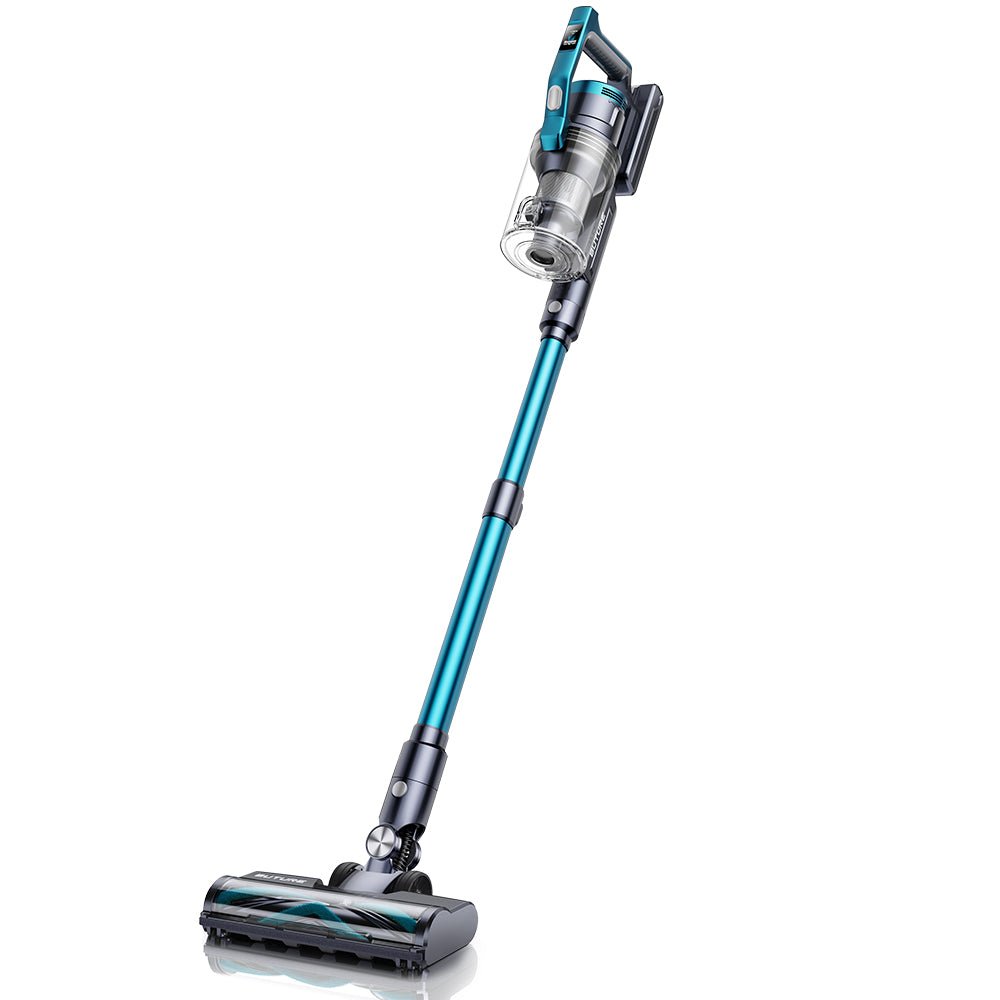
Types of vacuum cleaners
Your space and habits should shape the vacuum cleaner you buy. Each type has strengths.
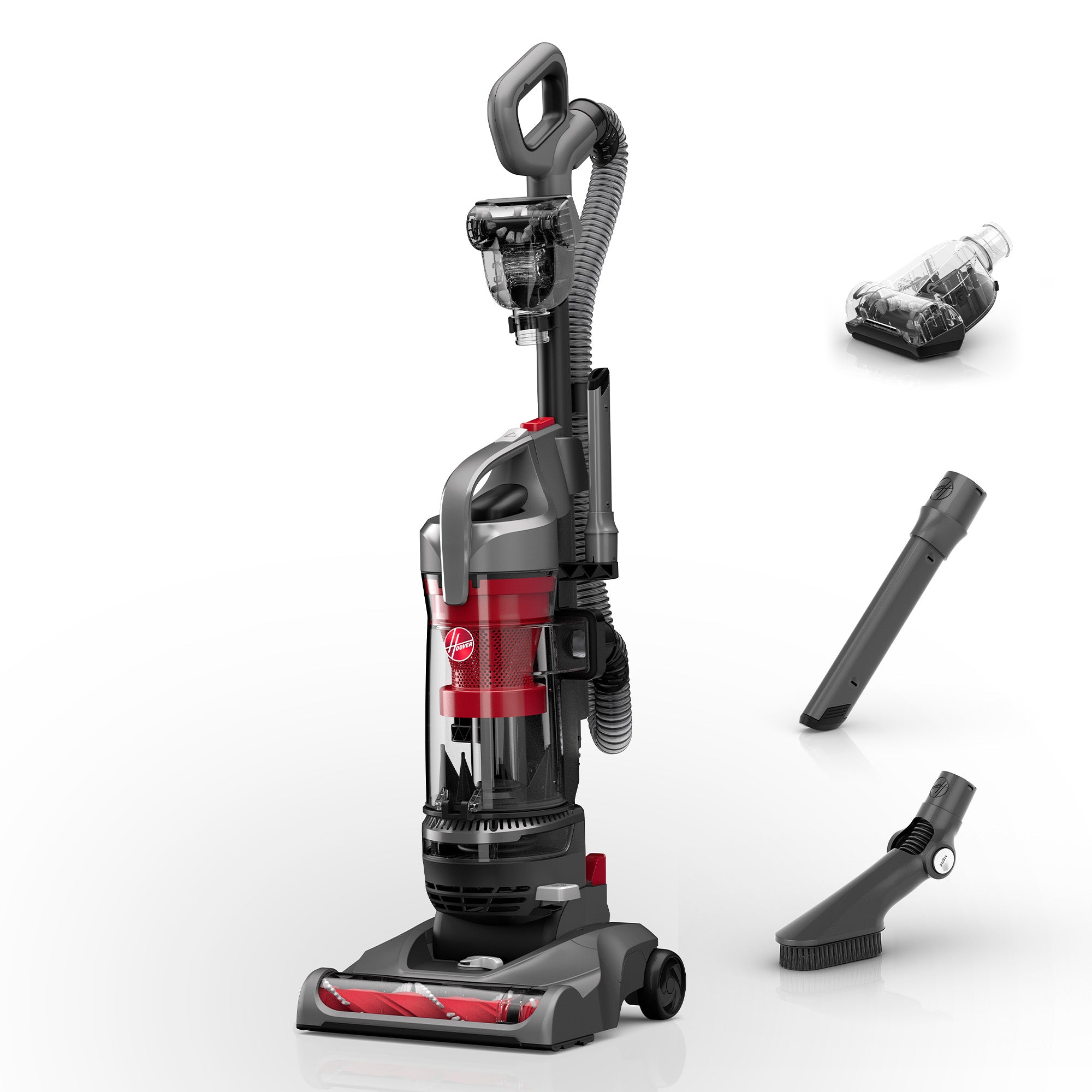
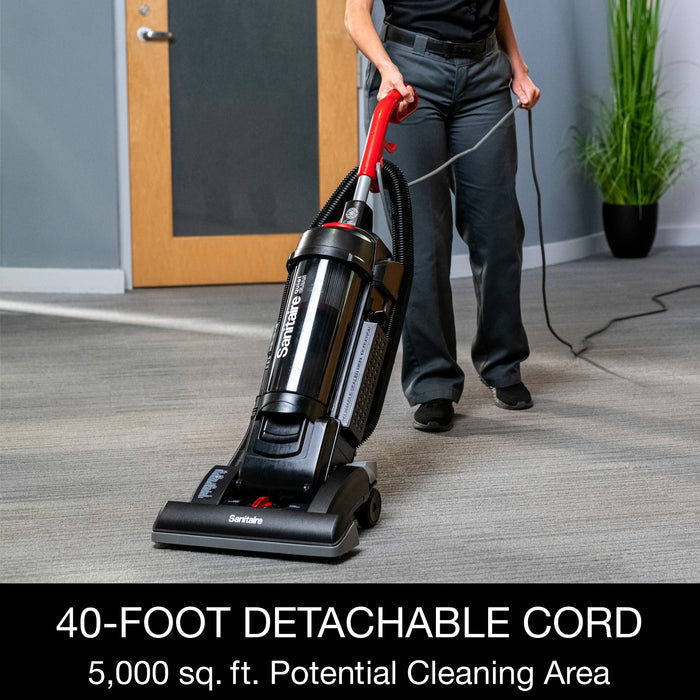
- Upright vacuum cleaner: Great on carpet. Wide head. Easy to park. Heavier on stairs.
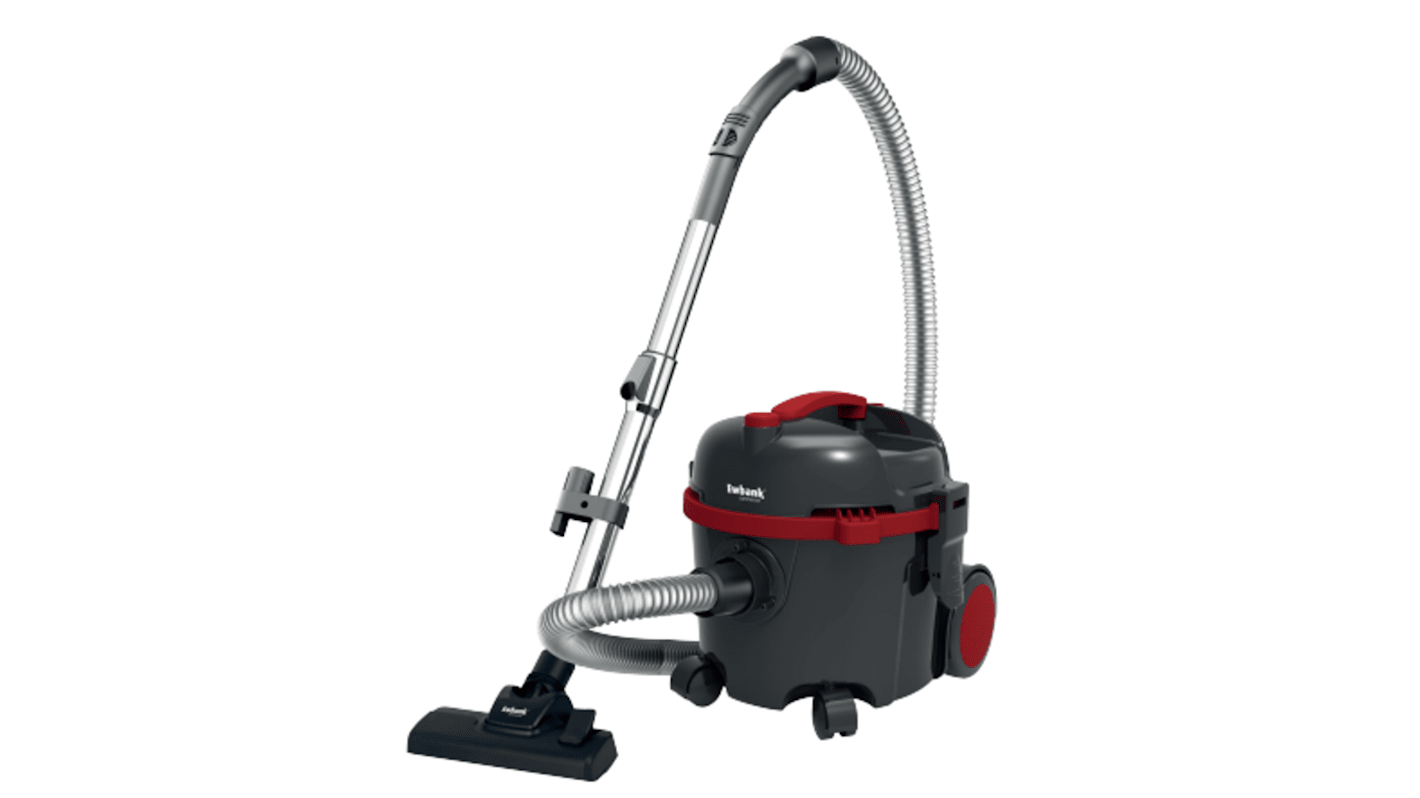
- Canister vacuum cleaner: Powerful and quiet. Flexible hose for furniture and stairs. Needs storage space.
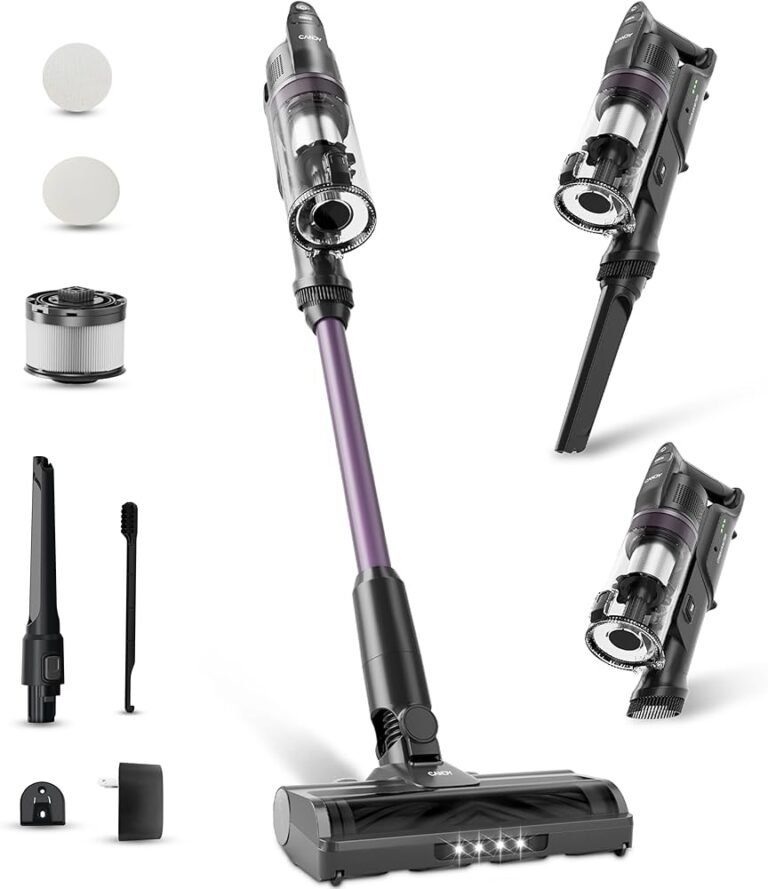
- Cordless stick vacuum cleaner: Light and fast. Great for daily touch-ups. Battery limits run time.
- Handheld vacuum cleaner: Spot cleaning in cars, sofas, and stairs. Short bursts, small bin.
- Robot vacuum cleaner: Automates routine cleaning. Best for hard floors or low-pile carpet. Works even when you are out.
- Wet/dry shop vacuum cleaner: Tough messes, garages, and renovation work. Loud but rugged.
- Central vacuum cleaner: Wall inlets and a big motor in the garage. Low noise at the nozzle. Higher install cost.
Key features that matter
Power alone does not tell the full story. Focus on the basics that affect cleaning.
- Suction and airflow: Look for strong airflow and sealed paths. Better seals mean better pickup at the floor.
- Brush roll design: Carpet needs stiff bristles. Hard floors like soft rollers that won’t scatter debris.
- Filtration: A sealed HEPA system captures fine dust and allergens.
- Capacity: Bigger bag or bin means fewer trips to empty.
- Weight and handling: Swivel heads and light frames reduce fatigue.
- Battery and charge time: For cordless, aim for 40–60 minutes in standard mode.
- Noise: Under 72 dB is friendly for apartments and pets.
- Smart features: Robots with mapping, no-go zones, and multi-floor memory save time.
Suction power, airflow, and real performance
Specs can confuse. Here is a quick guide you can trust.
- Air watts (AW): Mix of airflow and suction. Higher is better on sticks and uprights.
- kPa or Pa: Static suction. Good for comparing robots and sticks.
- CFM: Airflow volume. Good airflow helps with larger debris.
Real test you can do at home:
- Sprinkle rice on hard floor and on carpet. One slow pass should clear most.
- Try fine sand in a small strip on medium-pile carpet. Check how much remains.
- Lift test: Pick up heavy crumbs from a small gap. If the vacuum cleaner struggles, airflow is low or seals leak.
Tip from the field: I once chased “max suction” numbers and still got poor pickup. Seals and head design fixed it, not just motor power.

Filtration, allergies, and indoor air quality
If you have allergies, filtration is key. A sealed HEPA system (often H13 or H14 rating) can trap fine particles. That includes pollen and pet dander. A non-sealed path can leak dust back into the room.
What to check:
- True HEPA labeling and sealed body
- Washable pre-filters to extend life
- Bag as part of the filter in bagged models
- Robot filters with easy access and spares
Some studies show that better filtration can lower indoor particle counts after cleaning. That helps reduce sneezing and dust on shelves. Still, no vacuum cleaner replaces good ventilation and regular cleaning.
Bagged vs bagless: which vacuum cleaner fits you
Both work. Your choice depends on mess type and comfort.
Bagged vacuum cleaner:
- Pros: Cleaner emptying, better for allergies, often better airflow over time
- Cons: Ongoing bag cost, must keep spares on hand
Bagless vacuum cleaner:
- Pros: No bag cost, see what you pick up, easy to spot clogs
- Cons: Dust plume when emptying, more filter cleaning
My rule: If you have pets or allergies, choose bagged or a sealed bagless with great filters. For quick daily use, a bagless stick works well.

Attachments and cleaning techniques
The right tool changes everything.
- Crevice tool: Baseboards, sliding door tracks, car seats
- Dusting brush: Blinds, lampshades, keyboards
- Upholstery tool: Sofas, mattresses, pet hair
- Turbo or motorized mini brush: Stairs, car mats, pet beds
- Soft roller head: Hard floors and large debris
Practical moves:
- Low and slow on carpet. Let the brush groom fibers.
- Use edge cleaning passes along walls.
- On hard floors, switch to soft roller or turn off the beater bar.
- For rugs, reduce suction to stop them lifting.
I learned to vacuum in two directions on high-pile carpet. The second pass pulls what the first missed.
Maintenance and longevity
A well-kept vacuum cleaner lasts years. Set simple routines.
- Empty bin or replace bag when two-thirds full
- Wash foam pre-filters monthly if washable
- Replace HEPA filter every 6–12 months as advised
- Cut hair off the brush roll every few weeks
- Check hoses and wands for clogs after big messes
- For belts, inspect for cracks and slip
If suction drops, it is almost always a clog, a full bin, or a dirty filter. Fixing those beats buying a new unit.
Energy use, noise, and safety
Amps do not equal performance. Watts show power draw, but head design matters more. Quiet models with better sealing clean well without shouting.
Safety tips:
- Unplug before clearing clogs or changing belts
- Keep cords away from hot surfaces
- Do not vacuum wet messes unless rated wet/dry
- For robots, pick up cords and socks first
For apartments, pick models under 72 dB. Your neighbors and pets will thank you.
Budget and buying guide by home type
Match the vacuum cleaner to your space and lifestyle.
Small apartment, mostly hard floors:
- Cordless stick vacuum cleaner with soft roller
- Robot vacuum cleaner for daily upkeep
- Handheld for crumbs and quick spots
Family home with stairs and mixed floors:
- Canister or upright vacuum cleaner with multi-floor head
- Cordless stick for stairs and quick runs
- Turbo tool for sofas and pet zones
Pet owners:
- Strong brush roll and anti-tangle design
- Sealed HEPA filtration
- Bagged system or easy-to-wash filters
Allergy focus:
- Sealed HEPA, bagged vacuum cleaner
- Tight seals and tested filtration
- Avoid emptying bins indoors if bagless
Budget tip: Spend on the head and filtration first. Fancy screens do not pick up dirt. A solid mid-range vacuum cleaner often beats a flashy high-end one with poor seals.
Common mistakes and how to avoid them
- Running on max all the time: Saves little dirt, drains batteries fast, and wears filters.
- Ignoring the brush roll: Hair wrap kills pickup. Cut it off often.
- Vacuuming wet messes: Causes clogs and mold unless the unit is wet/dry rated.
- Skipping filter care: Dirty filters block airflow and overheat motors.
- Wrong head on hard floors: Stiff bristles can scatter dirt or scratch.
Real-life tests and lessons learned
I track how many passes it takes to clear a known mess. Rice on tile, sand on low pile, glitter in car mats. This shows which vacuum cleaner respects your time.
What surprised me most:
- A modest canister beat a pricey cordless on deep carpet pickup.
- A robot with mapping cut my weekly manual vacuum time in half.
- Bagged units kept the smell and dust down when emptying, which helped my allergies.
Best habit I picked up: Empty bins outside and tap pre-filters gently. Quick, clean, effective.
Environmental impact and disposal
A durable vacuum cleaner is the green choice. Repair beats replace.
Ways to lower impact:
- Choose models with replaceable batteries and parts
- Wash and reuse filters when designed for it
- Avoid cheap heads that fail early
- Recycle e-waste at approved centers
- Use low-power modes for daily dust, boost only for deep clean
Cleaning smarter saves energy too. Keep paths clear so robots finish faster. Maintain seals so you do fewer passes.
Setup, storage, and quick troubleshooting
Set up right and store smart to make it last.
Setup:
- Charge cordless fully before first use
- Update robot firmware and map during the first week
- Adjust brush height for your carpet
Storage:
- Keep tools together on a caddy or wall mount
- Do not crush hoses; hang them with a gentle loop
- Store robots on a hard, flat surface near the dock
Quick fixes:
- Sudden noise: Check for a hard object in the brush
- Weak suction: Empty bin, clean filters, check seals
- Robot misses rooms: Reset map or clean sensors and wheels
Frequently Asked Questions
How often should I vacuum my home?
High-traffic areas benefit from a pass every two to three days. Bedrooms and low-traffic rooms once a week is fine.
What is the best vacuum cleaner for pet hair?
Look for a strong brush roll with anti-tangle features and sealed HEPA filtration. A bagged upright or canister often handles heavy shedding best.
Do I need a HEPA filter?
If you have allergies or pets, yes. A sealed HEPA system keeps fine dust out of the air while you clean.
Are robot vacuums worth it?
They are great for daily maintenance and hard floors. You may still need a manual vacuum cleaner for deep cleaning and stairs.
How long do vacuum cleaner batteries last?
Most cordless sticks run 20–60 minutes per charge depending on mode. Expect 2–5 years of battery life with normal use and proper charging habits.
Can a vacuum cleaner damage hardwood floors?
It can if the brush is too stiff or dirty. Use a soft roller or turn off the brush roll to avoid scratches.
What is the difference between air watts and watts?
Watts measure power draw. Air watts reflect usable suction at the head, so they are more helpful for performance.
Conclusion
A clean home starts with the right match between your space, your habits, and your vacuum cleaner. Focus on floor type, filtration, head design, and real-world tests, not just big power numbers. Care for the filters and brush, and you will get years of strong, quiet cleaning.
Ready to make a choice? Pick the type that fits your life, set a simple care routine, and try the tests above. If this guide helped, share it with a friend, subscribe for more home tips, or drop your questions in the comments.