A Non-Toxic Air Fryer avoids PFAS, lead, and harmful fumes while cooking safely.
If you care about clean cooking and safer materials, you’re in the right place. I’ve tested and researched air fryers across labs and home kitchens, and this guide explains how to choose a Non-Toxic Air Fryer that cooks well without hidden hazards. We’ll unpack coatings, metals, labels, and real-world use so you can buy once and feel good every time you press start.

What a Non-Toxic Air Fryer really means
A Non-Toxic Air Fryer is a unit designed to limit chemical exposure during cooking. It uses materials that are safer for food contact, and it avoids coatings that can break down into risky fumes. It also minimizes off-gassing from plastics, adhesives, and paints, especially at high heat.
The big confusion comes from labels. PFOA-free does not mean PFAS-free. PTFE-free does not prove that all fluorinated chemicals are gone. BPA-free plastics can still use other bisphenols. A Non-Toxic Air Fryer should be clear about all food-contact materials, coatings, and third-party tests.
I look at the whole system. Basket and crisper plate. Interior walls and door. Grease tray, seals, liners, and accessories. A clean bill of health needs all parts to be safe, not just the basket.

Materials and coatings to seek and avoid
Choosing the right materials is half the battle. Here’s what I check first in a Non-Toxic Air Fryer.
What to seek
- Stainless steel food-contact parts. 304 or 316 stainless is durable, inert, and easy to clean.
- PFAS-free ceramic sol-gel coatings. Look for claims that say PFAS-free, PTFE-free, and PFOA-free, backed by food-contact testing.
- Tempered glass doors and trays. Simple, stable, and easy to inspect.
- Food-grade, platinum-cured silicone accessories. Choose 100% silicone rated for food contact, with no fillers.
- Enamel-coated steel from reputable makers. Quality enamel is stable and non-reactive.
What to avoid
- PTFE and traditional Teflon-style nonstick on baskets and crispers. PTFE begins to degrade around 500°F, with more fumes above about 570°F. Air fryers run up to 400°F, but hotspots near heating elements can go higher.
- Unknown ceramic coatings. Some cheap ceramics can chip early. Seek PFAS-free claims with test standards.
- Bare aluminum in direct food contact. Acidic foods can increase leaching risk. If aluminum is used, it should be well coated and intact.
- Strong plastic odors. Heavy smells suggest poor curing or low-grade materials. A Non-Toxic Air Fryer should have minimal smell after a proper burn-in.
From my testing, a stainless-steel basket is the most robust. A high-quality ceramic-coated basket is a close second for easy release. Both worked great in long-term use when cleaned with soft tools and mild soap.

Safety standards, labels, and what they actually mean
Labels help, but they can mislead. Here’s how to read them on a Non-Toxic Air Fryer.
- Food-contact approvals. Look for compliance with food-contact standards such as FDA 21 CFR for coatings and LFGB for EU-level testing. These help flag heavy metals and overall migration.
- PFAS-free and PTFE-free. Strong claims say PFAS-free, not just PFOA-free. PFAS is a large chemical family, so broader language is better.
- BPA-free. Good to see, but also ask about BPS and BPF. Many safer air fryers use minimal food-contact plastics anyway.
- Prop 65 statements. A warning may appear out of caution. Ask the brand for details, parts affected, and recent testing.
- RoHS. This limits heavy metals and certain hazardous substances in electronics. It supports safer internals.
- UL or ETL safety marks. These address electrical and overheating safety. They do not validate coating chemistry, but they matter for overall safety.
If a brand claims Non-Toxic Air Fryer and “independent lab tested,” ask for the exact test type and date. When a company shares those details, I trust them more.

How to choose a Non-Toxic Air Fryer
Use this simple checklist before you buy.
- Confirm materials. Basket, crisper plate, and racks should be stainless steel or PFAS-free ceramic.
- Ask direct questions. “Are all food-contact parts PFAS-free, lead-free, and cadmium-free?” Get an answer in writing if you can.
- Check for test standards. Look for food-contact compliance, PFAS-free claims, and LFGB or FDA citations.
- Inspect photos closely. Zoom in on the basket to spot black PTFE-like coatings or unknown finishes.
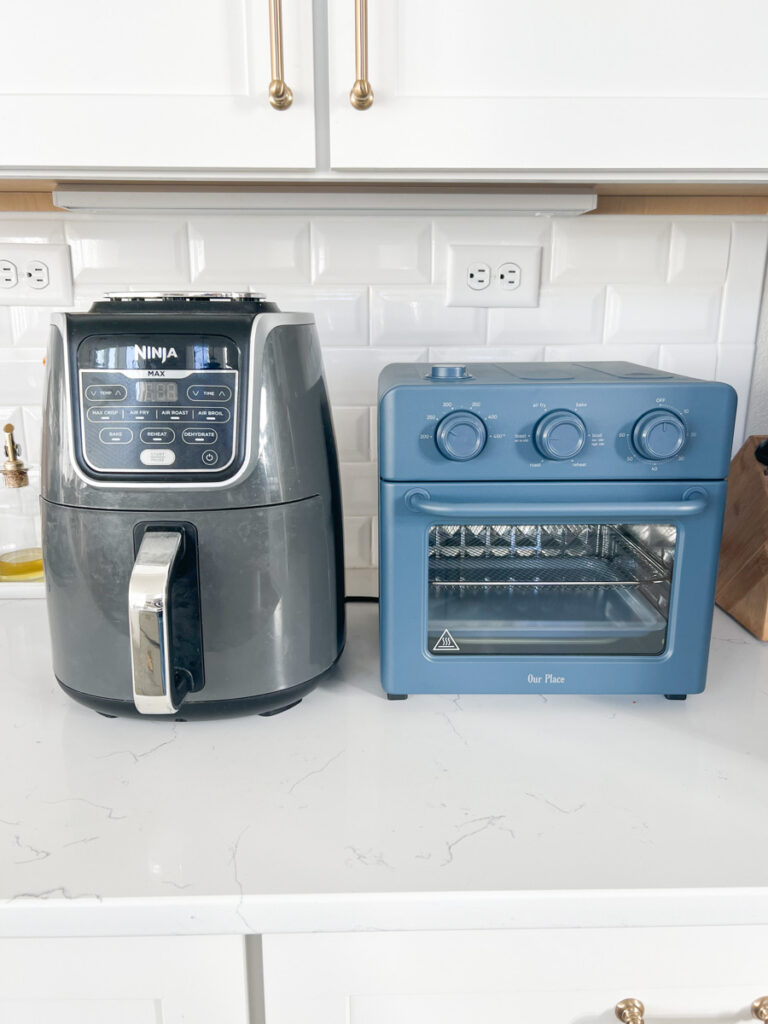
- Consider form factor. An oven-style Non-Toxic Air Fryer with stainless racks often has fewer coatings than basket-only designs.
- Review temperature control. Even heating reduces hotspots that can stress coatings.
- Read real user notes. Look for mentions of smell, chipping, and residue after several months.
- Plan cleaning. A smooth stainless or quality ceramic surface cleans fast with a soft sponge.
Pro tip from my kitchen: I once loved a slick nonstick basket, but it scuffed within months. Switching to a stainless basket saved time and worry. A light spritz of high-smoke-point oil gave me the same crisp without the stress.
Setup, maintenance, and use for less exposure
Small habits keep a Non-Toxic Air Fryer clean and safe.
- Do a burn-in. Run the empty unit at 400°F for 15–20 minutes with windows open. This helps drive off manufacturing residues.
- Wash parts before first use. Use mild soap and warm water. Dry well to prevent spots and rust.
- Skip aerosol spray oils. Propellants can harm coatings. Use a pump sprayer or brush.
- Avoid overheating empty. Preheat as needed, but do not run for long with nothing inside.
- Use soft tools. Silicone or wood avoids scratches on ceramic. Stainless can take more, but gentle tools still help.
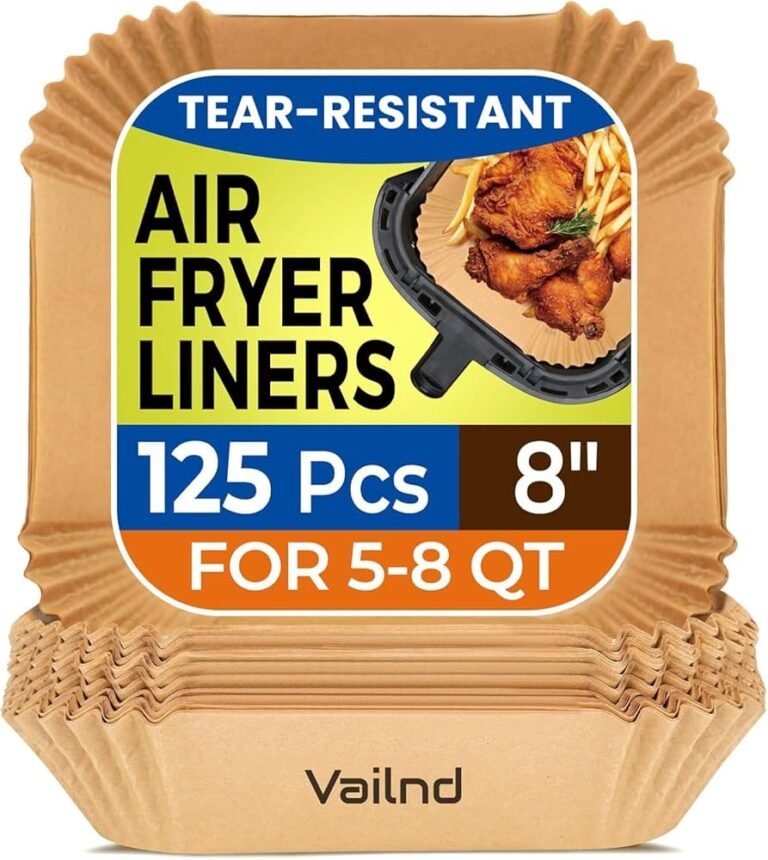
- Line the basket smartly. Perforated parchment reduces mess. Use silicone liners that are LFGB or FDA food-grade and fit with airflow.
- Replace worn parts. If a coating chips or a seal cracks, contact the maker for a new part.
A simple smell test helps. If strong odor returns, deep clean the interior, heat the unit empty for a few minutes, and check for residue under the heating element.
Cooking tips, liners, and accessories
Good technique protects your Non-Toxic Air Fryer and your meal.
- Mind acids. Tomato, citrus, and vinegar can be tough on thin or worn coatings. Use stainless baskets or trays for acidic marinades.
- Keep airflow free. Do not block vents or cover the entire rack with solid sheets. Perforated liners keep air moving.
- Choose high-smoke-point oils. Avocado, refined peanut, or light olive oil crisp well at 375–400°F.
- Rotate and shake. This prevents sticking and hotspots. It also reduces burned bits that smoke.
- Use a stainless rack. Lifting food off the base helps fat drip away and keeps coatings cleaner.
Personal note: My best crispy potatoes came with a stainless rack plus a tiny oil brush. They browned fast, released clean, and left almost no film to scrub.

Frequently Asked Questions of Non-Toxic Air Fryer
What makes an air fryer non toxic?
Safe materials, proven food-contact standards, and PFAS-free surfaces make the difference. A Non-Toxic Air Fryer also limits plastic exposure and off-gassing under heat.
Is Teflon safe in air fryers?
PTFE is stable at normal temps but can degrade and fume at high heat. Because hotspots can exceed set temps, many people choose PTFE-free models for peace of mind.
Are ceramic-coated air fryers better?
Quality ceramic coatings are PFAS-free and perform well, but they can wear faster if scrubbed hard. Use soft tools and avoid aerosol sprays to extend life.
Do silicone liners release chemicals?
Food-grade, platinum-cured silicone rated for high heat is a safe choice. Avoid unknown blends and verify LFGB or FDA food-contact status.
How do I remove chemical smell from a new unit?
Wash parts, then run a burn-in cycle at 400°F for 15–20 minutes with good airflow. If smell lingers, repeat once and contact support if it persists.
Can I put foil in a Non-Toxic Air Fryer?
Yes, but use it sparingly and avoid blocking airflow. Perforated parchment or a stainless rack is usually a better choice.
Are stainless steel air fryers harder to clean?
Stainless can need a brief soak, but residue lifts with warm water and mild soap. It resists scratches and avoids nonstick wear over time.
Conclusion
A Non-Toxic Air Fryer should be simple: safer materials, honest labels, and great food. Focus on stainless or proven ceramic, PFAS-free claims, and real test data. Build good habits with burn-in, soft tools, and smart liners, and your meals will be crisp and clean.
Use the checklist, ask the right questions, and choose a model that matches your values. Ready to go deeper? Save this guide, share it with a friend, and tell me what you’re cooking first.