Use a medium grind for drip coffee, like sand: balanced, clear, and consistent.
Brewing great drip coffee starts with the right grind. I’ve dialed in hundreds of brews for cafés and home setups, and the clearest pattern holds true: what grind for drip coffee you choose controls flavor, clarity, and brew time. In this guide, I’ll show you how to pick, test, and fine-tune the perfect medium grind for drip, with simple steps you can try today.
What Grind For Drip Coffee: The Sweet Spot
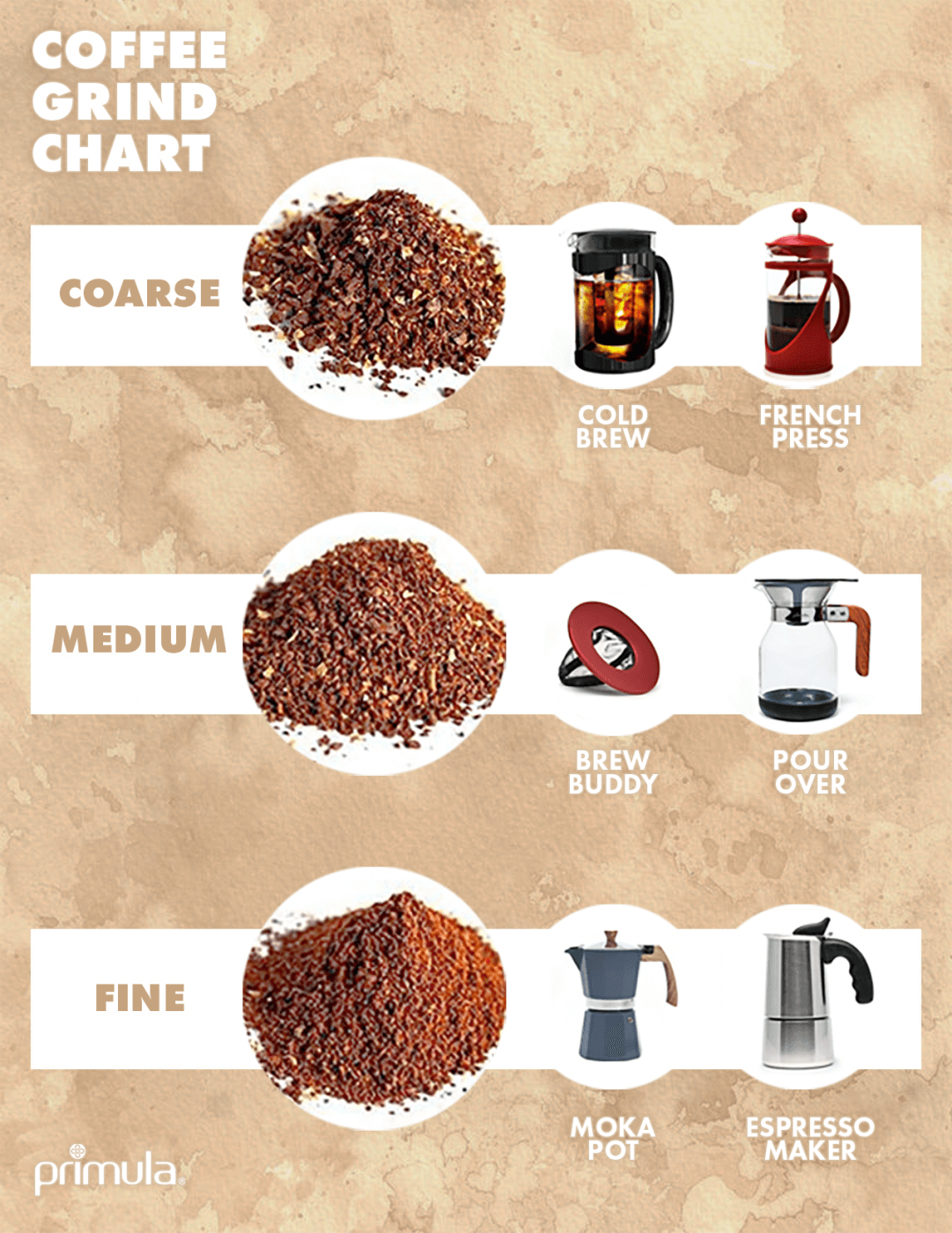
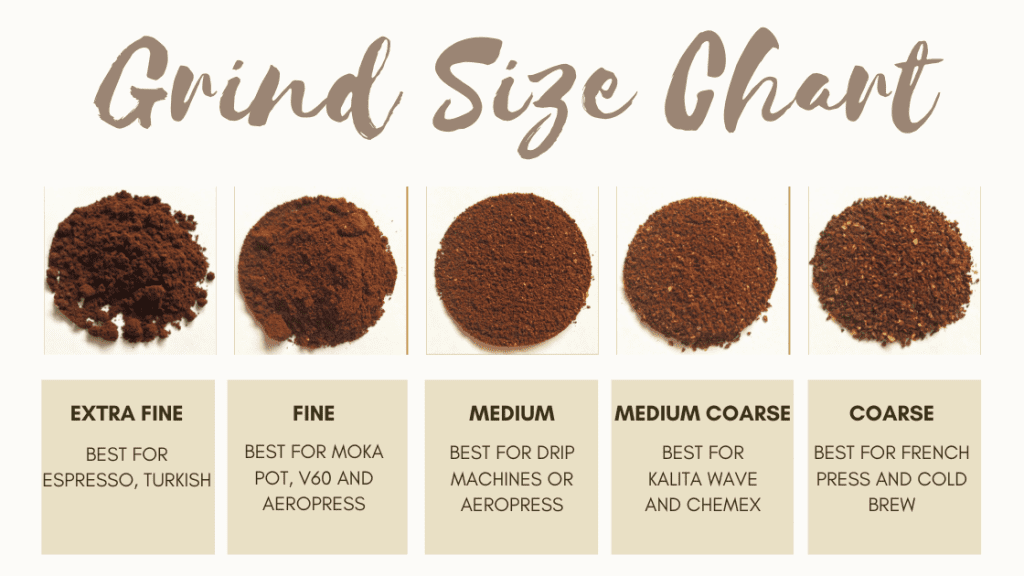
For most machines and paper filters, the best answer to what grind for drip coffee is a true medium grind. Think table salt or beach sand. It should feel gritty, not powdery, and not chunky.
Why medium works:
- It balances flow and contact time.
- It gives clear cups with good sweetness.
- It keeps brew times in the ideal range.
If you have a burr grinder with numbers, start near the middle of its drip range. Each grinder is different, so your sweet spot may shift a few clicks. What grind for drip coffee works on your setup depends on your brewer, filter, and beans.
Why Grind Size Matters For Drip
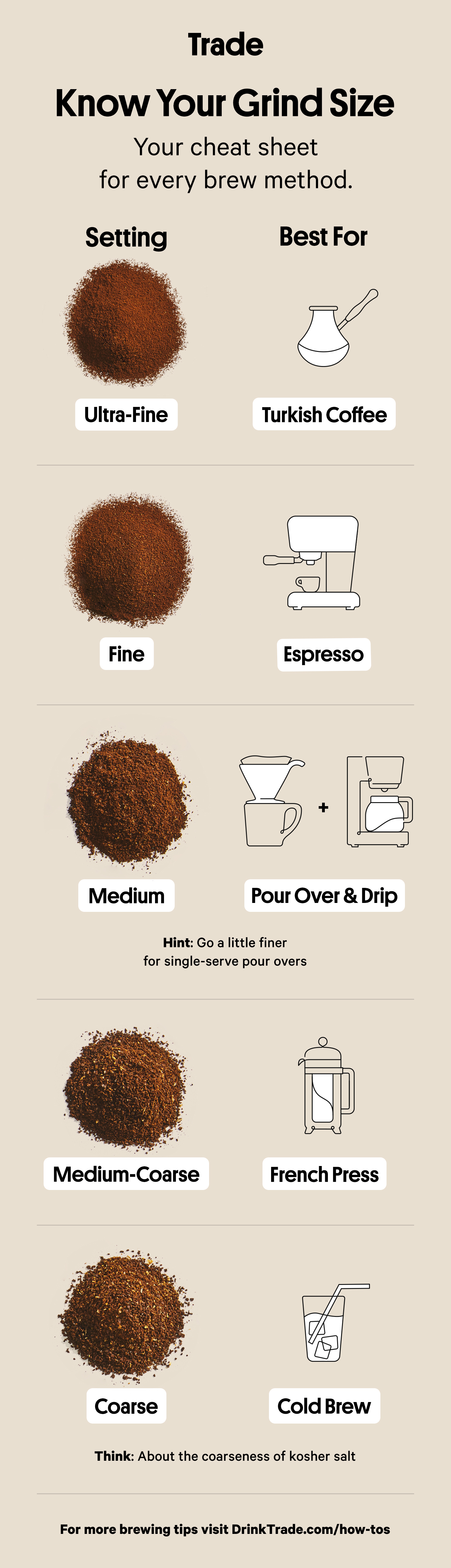
Grind size sets how fast water moves through the bed. Finer grinds slow the flow and extract more. Coarser grinds speed it up and extract less.
Here is a simple way to think about it:
- Too fine: slow drip, bitter notes, flat finish.
- Too coarse: fast drip, sour notes, weak body.
- Just right: steady drip, sweet and balanced cup.
Paper filters add their own resistance. So what grind for drip coffee pairs with your filter must keep brew time on target and avoid clogging.

Dialing In: A Simple Method To Find Your Perfect Medium
Use this repeatable loop to nail what grind for drip coffee fits your taste.
Step-by-step:
- Start recipe: 1:16 coffee to water, 195–205°F water, medium grind.
- Brew: Aim for 4–6 minutes total on an auto-drip. If your machine shows no timer, time it yourself once.
- Taste: Note sweetness, acidity, and finish.
- Adjust: If sour or thin, go one step finer. If bitter or dry, go one step coarser.
Pro tips from my bench:
- Change one variable at a time.
- Keep notes. Two or three brews are enough to lock it in.
- If your brewer runs hot or cold, grind tweaks will feel bigger.
What grind for drip coffee you love may also vary by roast level and filter shape. Use the same loop when you switch beans.
Grinder Settings And Tools
A good burr grinder gives you control and even particles. Blade grinders chop at random and cause harsh notes. If you can, choose burrs.
Useful pointers:
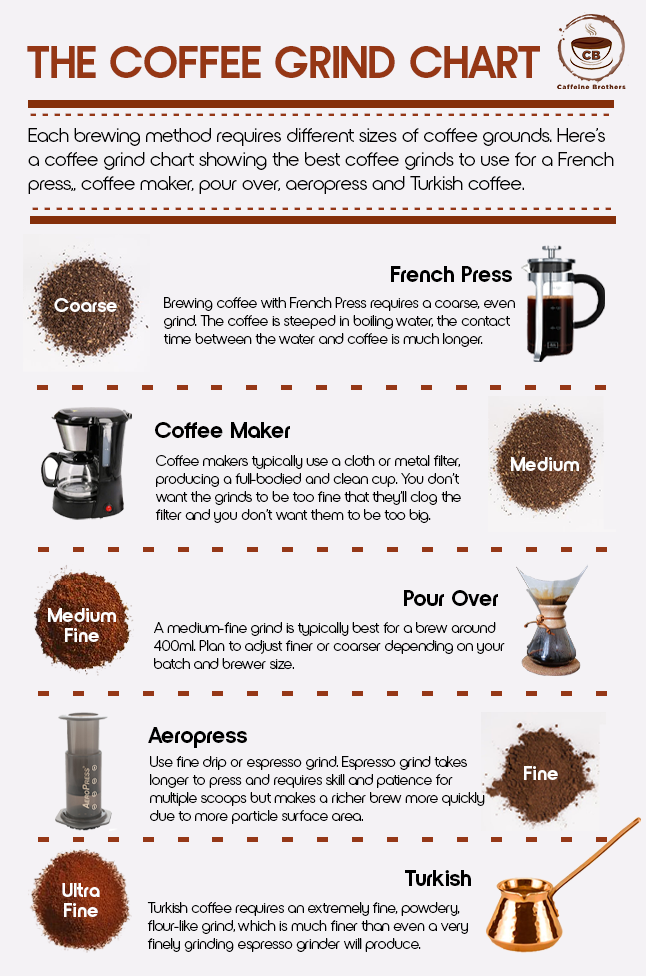
- On many consumer burr grinders, drip sits mid-scale.
- Some popular grinders mark “drip” on the dial. Use that as a start, not a rule.
- Clean burrs often. Old oils dull flavor and clog filters.
What grind for drip coffee on common grinders:
- Entry burr grinders: try the center of the “drip” band.
- Hand grinders: start just finer than your pour-over setting.
- High-end flats: tiny steps matter; move in small clicks.

Matching Grind To Brewer And Filter
Not all drip brewers flow the same. Basket shape and filter type shift your target.
Brewer and filter tips:
- Cone baskets extract more for the same grind. Go a touch coarser for cones.
- Flat-bottom baskets flow slower. Go a touch finer for flats.
- Thick paper slows flow. Go a bit coarser.
- Metal filters flow faster and let fines pass. Go a bit finer, and expect more body.
If you ask what grind for drip coffee suits a reusable metal filter, I suggest a medium-fine grind and a gentle tap to level the bed before brewing.

Beans, Roast Level, And Grind
Roast level changes how fast coffee gives up flavor. Light roasts are dense and need more work. Dark roasts are fragile and extract fast.
Guidelines:
- Light roast: go slightly finer, keep water near 203–205°F.
- Medium roast: classic medium grind, 198–202°F.
- Dark roast: go slightly coarser, 195–200°F to avoid harshness.
Fresh coffee blooms more and can slow flow. If the bed rises and stalls, nudge the grind coarser. What grind for drip coffee you used last week may need a click today if your beans are fresher or older.
Troubleshooting Flavor With Grind
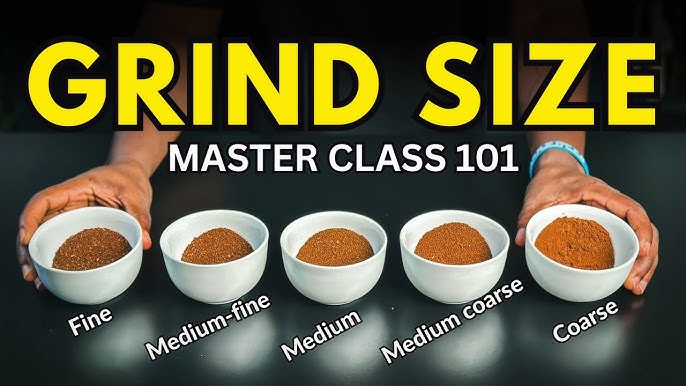
Use flavor as your compass. It will point you to the right grind.
If your cup is:
- Sour, sharp, or thin: grind a bit finer, or brew longer.
- Bitter, ashy, or dry: grind a bit coarser, or reduce brew time.
- Muddy or silty: go coarser, or switch to a thicker paper.
- Hollow or flat: adjust finer and check water temp.
What grind for drip coffee fixes a grassy taste? Often a touch finer and a slightly higher water temp. Small steps make big gains.
Simple Brew Recipes For Drip Coffee
Use a clear starting point. Then tune it to your taste.
Auto drip recipe:
- Dose: 30 g coffee to 480 g water (about 1:16).
- Grind: medium, like sand.
- Water: 195–205°F, filtered.
- Time: 4–6 minutes total brew.
Manual electric drip with bloom (if your machine allows pause):
- Add 60–80 g of water to wet grounds for 30 seconds.
- Resume the brew. This evens extraction and helps sweet notes shine.
What grind for drip coffee in this recipe? Start at medium. If your total time is under 4 minutes, go finer. Over 6 minutes, go coarser.
Frequently Asked Questions of What Grind For Drip Coffee
What grind for drip coffee should I use with paper filters?
Use a medium grind. Adjust one step finer if your brew tastes sour, or one step coarser if it tastes bitter.
How do I know if my grind is too fine for drip?
If the brew drags past 6 minutes and tastes dry or harsh, it is too fine. The bed may look sludgy and the flow may stall.
Can I use espresso grind for drip coffee?
No. Espresso grind is too fine and will cause over-extraction and clogging. Your cup will taste bitter and astringent.
Do I need a burr grinder for good drip coffee?
Yes, if you want repeatable results. Burr grinders make even particles that brew clean and sweet.
Does roast level change what grind for drip coffee I should use?
Yes. Go slightly finer for light roasts and slightly coarser for dark roasts. This keeps balance and sweetness in the cup.
What water temperature pairs best with a medium grind?
Aim for 195–205°F. Cooler water needs a finer grind; hotter water can use a coarser grind.
How often should I change my grind setting?
Any time you switch beans, filters, or brewers, or if your cup drifts off target. Small one-click changes are enough in most cases.
Conclusion
The simple rule holds: choose a medium grind for drip, then fine-tune by taste and time. Start with a steady recipe, make one change at a time, and track your wins. What grind for drip coffee you end up loving is the one that gives sweet, clear, and balanced cups on your brewer.
Ready to brew better tomorrow morning? Grab your grinder, try the 1:16 recipe, and make one click of change. If this helped, share your results, subscribe for more guides, or drop a question so we can dial in together.