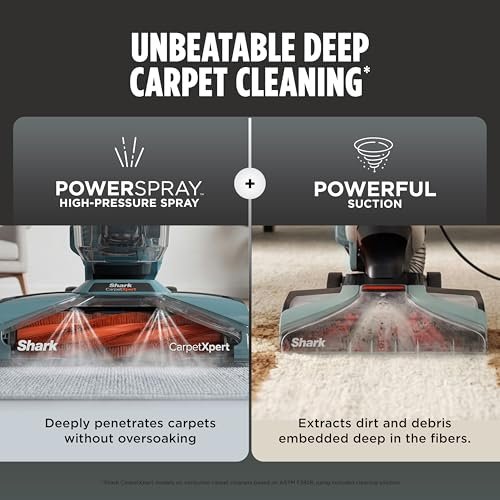
A carpet cleaner sprays solution, scrubs fibers, then vacuums out the dirty water.
Want the full story behind those fresh, fluffy carpets? You’re in the right place. I’ve cleaned hundreds of rooms and tested many machines. Here, I break down how Does a Carpet Cleaner Work\50 step by step. You will learn the science, the parts, and the tips that actually save time and money.

What Is a Carpet Cleaner and What Does It Do?
A carpet cleaner is a wet extraction machine. It lays down a water and detergent mix. It scrubs the carpet to loosen soil. Then it sucks the dirty water back out.
When people ask, How Does a Carpet Cleaner Work\50, I say it is a rinse-and-recover system. It targets soil and sticky residue stuck deep in fibers. It also helps remove odors from spills and pets.
Most home units use hot water extraction. Some call it steam cleaning, but it is not true steam. It is warm water under light pressure. That water breaks up dirt. The vacuum pulls it out.
Core Parts and How Each One Works
Understanding the parts makes everything click. If you know How Does a Carpet Cleaner Work\50, you can choose the right model and use it well.
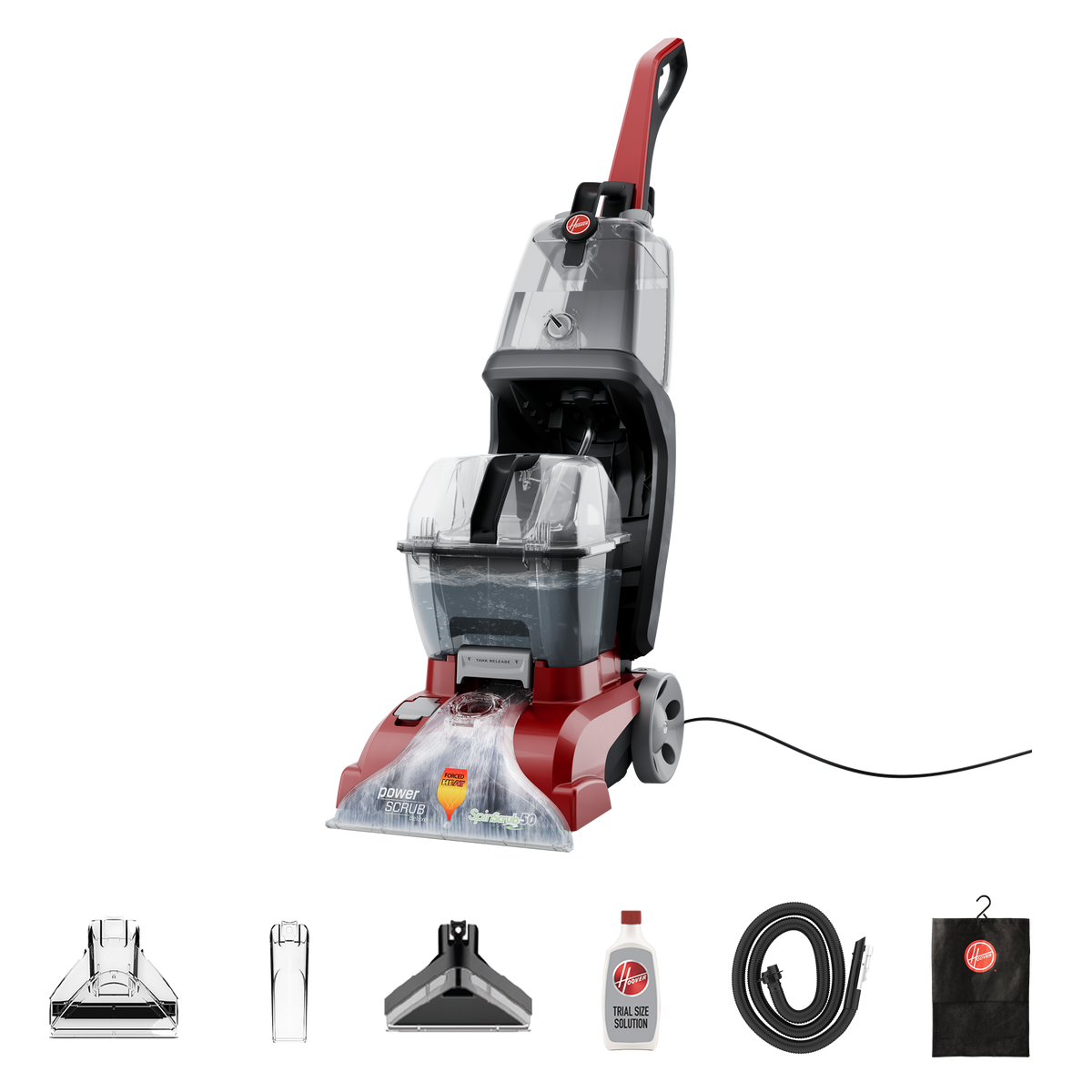
Key components:
- Clean water tank holds tap water and detergent.
- Pump sends the solution to spray nozzles.
- Spray nozzles spread a thin, even fan of solution.
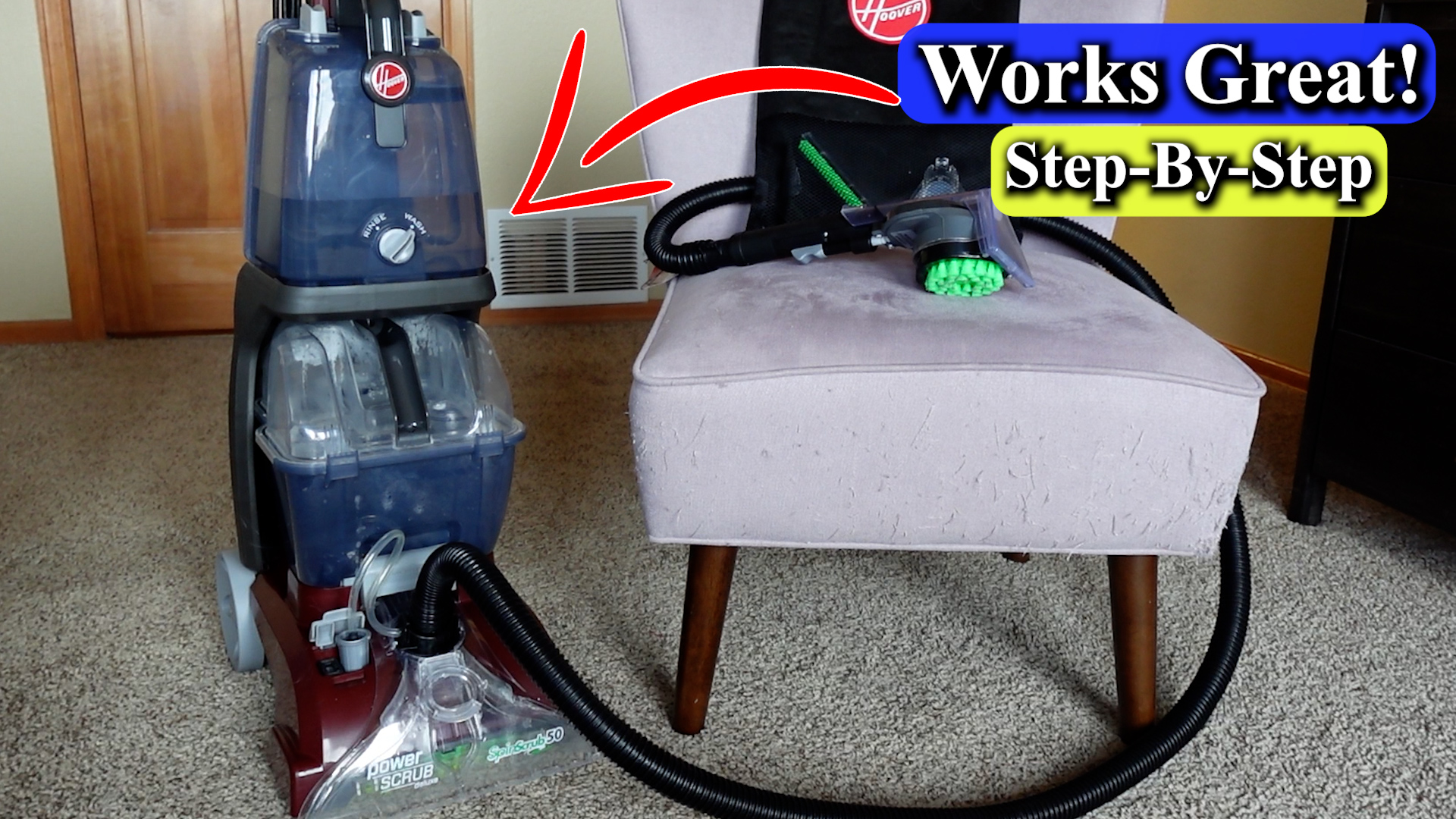
- Brush or beater bar agitates the pile to lift soil.
- Vacuum motor creates airflow and lift to pull water and soil.
- Recovery tank stores the dirty water you remove.
- Filters protect the motor and keep airflow strong.
- Heater or in-line heat coil warms water to boost cleaning.
Each step must be balanced. Too little solution will not rinse soil. Too much water leaves the carpet wet. Strong suction is vital. It removes moisture and avoids musty smells.

The Cleaning Cycle: Step-by-Step
Here is the simple loop that answers How Does a Carpet Cleaner Work\50 in action.
- Pre-vacuum the carpet. Dry soil is easier to remove first.
- Pre-treat stains. Use a spot remover on spills and traffic lanes.
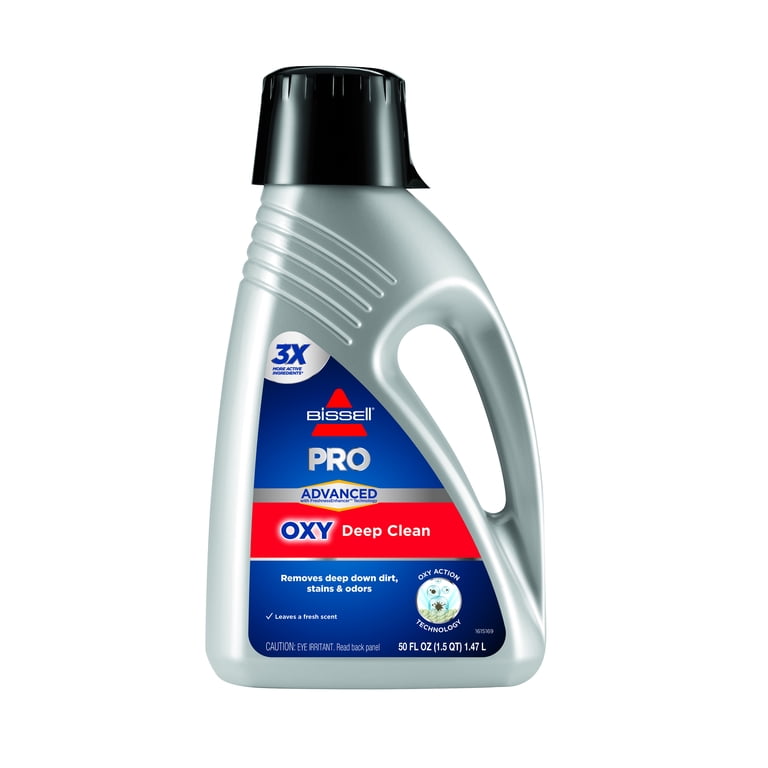
- Fill the clean tank. Add warm water and the right dose of detergent.
- Make a wet pass. Squeeze the trigger to spray and push forward slowly.
- Agitate. Brushes help lift soil during the wet pass.
- Make dry passes. Release the trigger and pull back slowly to extract.
- Repeat if needed. Stubborn spots may take a second pass.
- Rinse only. Fill with plain water and do a rinse pass to cut residue.
- Dry time. Increase airflow with fans and open windows.
Move at a steady pace. I like to count “one-one-thousand, two-one-thousand” per foot on dry passes. You will hear the vacuum change pitch. That tells you it is pulling water well.

The Science: Water, Heat, Chemistry, and Time
How Does a Carpet Cleaner Work\50 relies on four elements that pros call the cleaning “pie.”
- Chemistry. Detergents lower surface tension and lift oils and soil.
- Heat. Warm water speeds chemical action and dissolves grease.
- Agitation. Brushes and vacuum airflow move soil out of fibers.
- Time. Give the solution a short dwell to work on grime.
Use the right pH. Most carpets do best with near-neutral products. Strong alkaline cleaners can brighten traffic lanes but may need an acidic rinse. Many carpet makers approve hot water extraction when done per care guides. That keeps warranties safe.
Types of Carpet Cleaners
Different users ask How Does a Carpet Cleaner Work\50 for each machine type. The core idea is the same. The design changes how well it fits your space.
- Upright home units. Easy for rooms and hallways. Light and simple.
- Portable spot cleaners. Great for stairs, cars, sofas, and pet mess.
- Canister or commercial units. Larger tanks, more power, longer hoses.
- Truckmount systems. Pro gear with high heat and strong vacuum for fast drying.
- Encapsulation machines. Use low-moisture polymers in offices and tiles.
Pick the type by your home size, stain load, pets, and time. Uprights are fine for most homes. Spots units are perfect for quick spills.

Benefits and Limits You Should Know
When you learn How Does a Carpet Cleaner Work\50, you see clear wins and trade-offs.
Benefits:
- Deep soil removal improves indoor air and looks.
- Odor control for pet and food spills.
- Fiber lift makes carpets feel soft again.
Limits:
- Over-wetting can cause wicking and slow dry times.
- Not ideal for delicate rugs like natural silk.
- Poor technique can leave detergent residue.
I have seen wicking come back the next day when users flood a spot. A light re-clean and extra dry passes fix that for good.
Real-World Tips from the Field
Years of cleaning taught me what saves time. It also taught me what to avoid. Keep these in mind as you master How Does a Carpet Cleaner Work\50.
Do this:
- Vacuum first. Remove dry grit to prevent mud.
- Pre-treat traffic lanes. Let it sit 5 to 10 minutes.
- Use warm, not boiling, water. Hot helps, but too hot can set dyes.
- Make more dry passes than wet passes.
- Ventilate. Use fans and crack windows for quick dry times.
Avoid this:
- Do not overuse detergent. More soap means more residue.
- Do not rush. Slow passes extract more water.
- Do not skip a rinse. Rinse reduces re-soiling.
- Do not ignore your machine filters. Clogged filters kill suction.
My best win was a rental property with pet stains. I pre-treated, used two dry passes per wet pass, and did a clear-water rinse. The odor was gone, and the pile stood up like new.

Maintenance and Care of Your Machine
A clean machine cleans better. This is part of How Does a Carpet Cleaner Work\50 in the long run.
- Empty and rinse tanks after each use.
- Clean lint screens and filters every session.
- Check brushrolls for hair and threads.
- Run a quick rinse with warm water through the lines.
- Store dry to prevent mold in hoses and tanks.
Keep spare gaskets and filters on hand. They are cheap and avoid downtime when you need to clean fast.
DIY vs Professional Cleaning
People ask if they should rent, buy, or call a pro. The answer depends on soil load and time. Knowing How Does a Carpet Cleaner Work\50 helps you choose.
DIY works for light soil and regular upkeep. Pros shine when you have heavy traffic lanes, pet accidents, or water damage. Pros use higher heat, stronger vacuum, and better chemistry control. That can mean deeper clean and faster dry times.
A smart plan is to do DIY maintenance every few months. Then book a pro once a year or after a big spill.
Safety and Fabric Care
Good results need safe habits. How Does a Carpet Cleaner Work\50 also means protecting fibers and people.
- Patch test in a hidden area.
- Check carpet labels and maker care guides.
- Keep kids and pets off damp areas until dry.
- Wear gloves if you have sensitive skin.
- Avoid mixing chemicals. Stick to one line of products.
Watch for color bleed on rugs with strong dyes. Use cool water and minimal moisture on those.
Troubleshooting Common Issues
Small issues can spoil a clean. Here is how to fix them fast, based on how Does a Carpet Cleaner Work\50 in practice.
- Weak suction. Empty the dirty tank, reseat seals, and clean filters.
- Streaks or foam. Rinse the tank and reduce detergent dose.
- Bad odors. Add an enzyme pre-spray and extract well.
- Over-wetting. Use more dry passes and set fans in place.
If the pump will not spray, check for kinks in hoses and clogged nozzles. A toothpick can clear fine debris from tips.
Frequently Asked Questions of How Does a Carpet Cleaner Work\50
How often should I clean my carpets?
Every 3 to 6 months for homes with kids or pets. Once a year is fine for light traffic.
Is hot water extraction the same as steam cleaning?
Most people use the terms the same way. True steam is rare in home units; they use hot water extraction.
How long does the carpet take to dry?
Most carpets dry in 4 to 8 hours with good airflow. Use fans to cut that time.
Can I use vinegar or homemade solutions?
Use care. Vinegar is acidic and can strip protectors. Use products made for carpets to protect fibers and color.
Will cleaning remove all stains and odors?
Most stains fade or vanish with good prep and technique. Some set-in dyes or old pet urine may need pro treatment.
Do I need to vacuum before cleaning?
Yes. Dry vacuuming removes grit and hair so the machine can work better. It also prevents mud.
What water temperature works best?
Warm to hot water helps loosen oils. Avoid boiling water to protect dyes and backing.
Conclusion
You now know the full story of How Does a Carpet Cleaner Work\50. It is a simple loop: apply, agitate, extract, and dry. The right balance of water, heat, chemistry, and time brings fibers back to life.
Put this guide to work on your next clean. Pre-vacuum, pre-treat, move slow, and make extra dry passes. Your carpets will look brighter and feel softer.
Ready for more handy home care guides? Subscribe for fresh tips, or drop a comment with your toughest stain story.