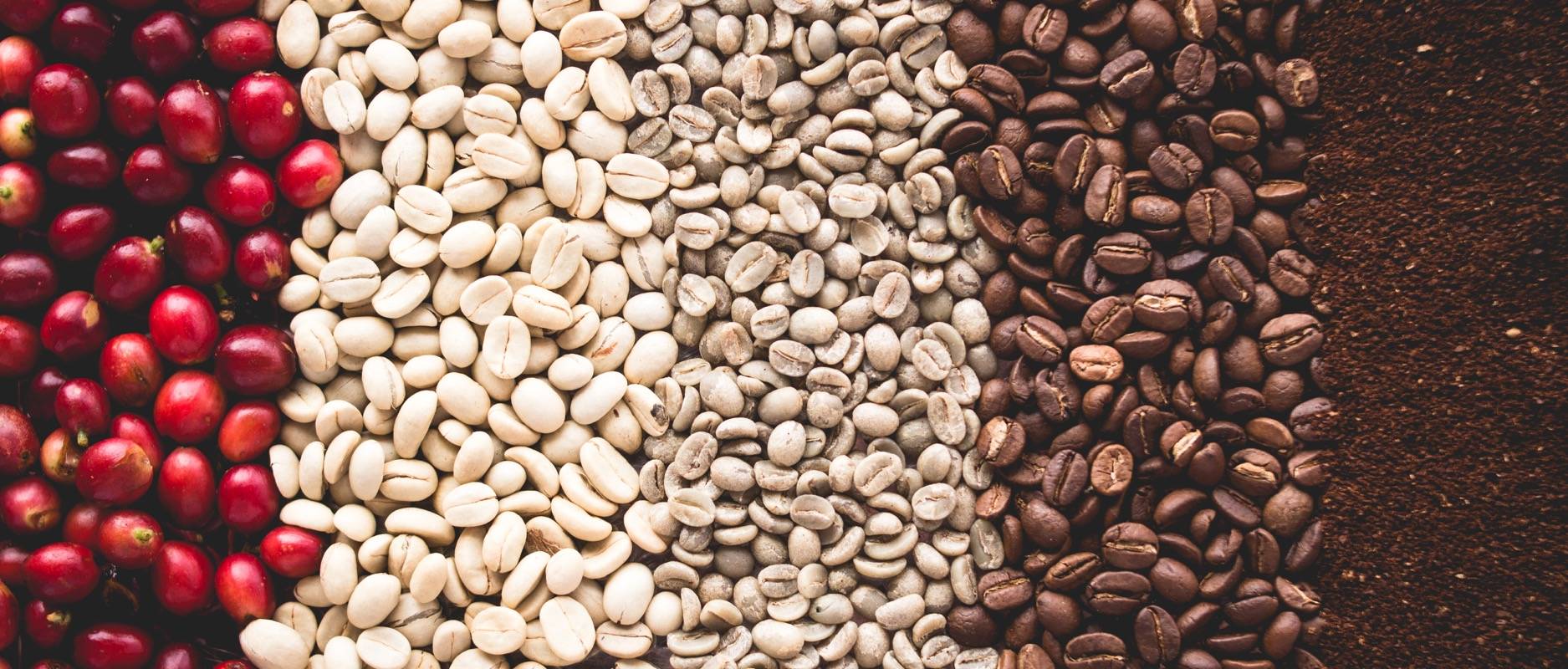
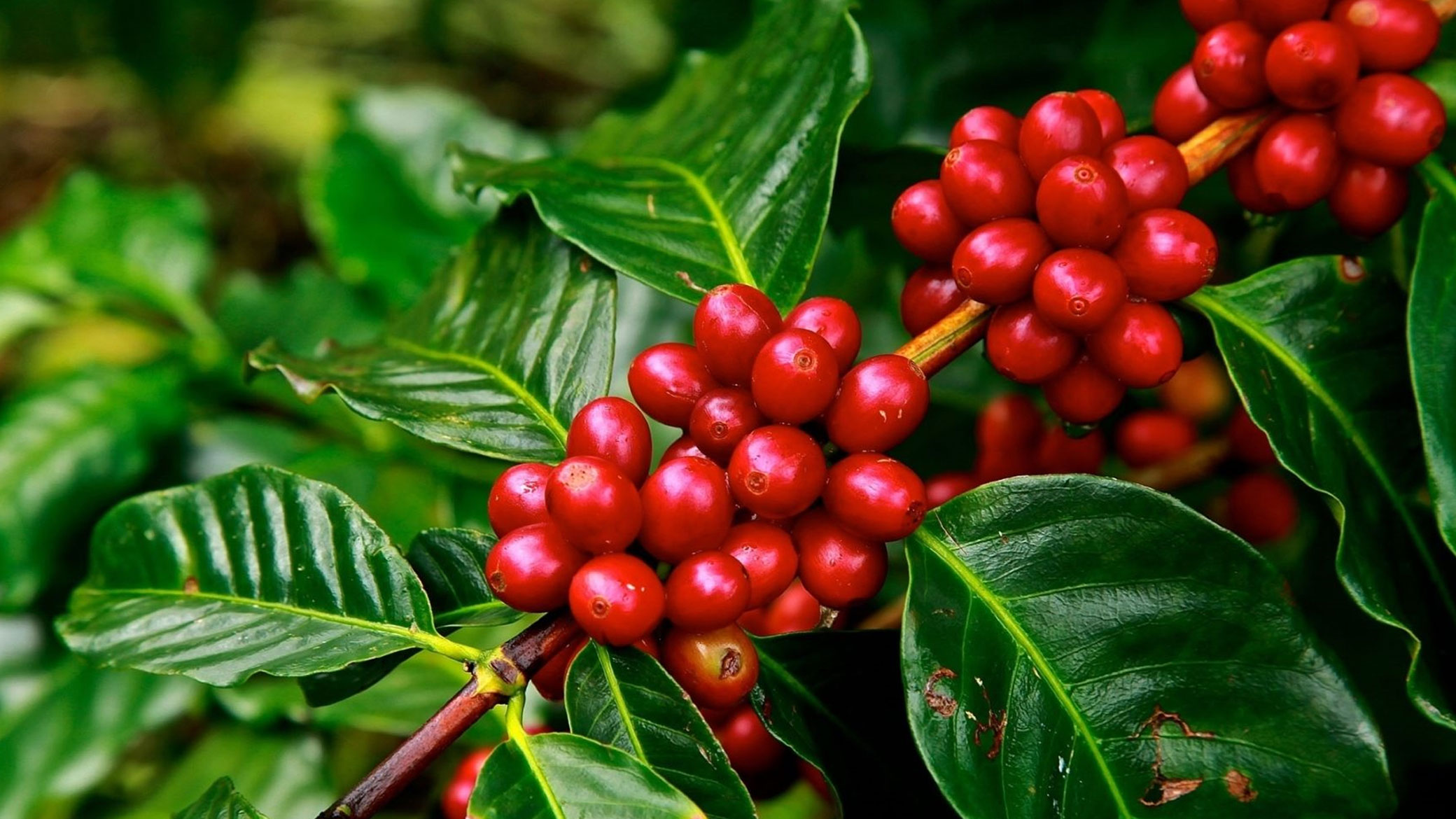
Coffee beans are the seeds inside bright, fleshy coffee cherries grown in the tropics.
Curious about Where Do Coffee Beans Come From and why origins taste so different? You’re in the right place. I’ll break down the coffee plant, the Coffee Belt, processing, and flavor in clear, friendly terms, with tips you can use when you buy or brew. By the end, you’ll understand the full journey and be able to choose coffee with confidence.
Where Do Coffee Beans Come From: The Coffee Cherry and the Seed
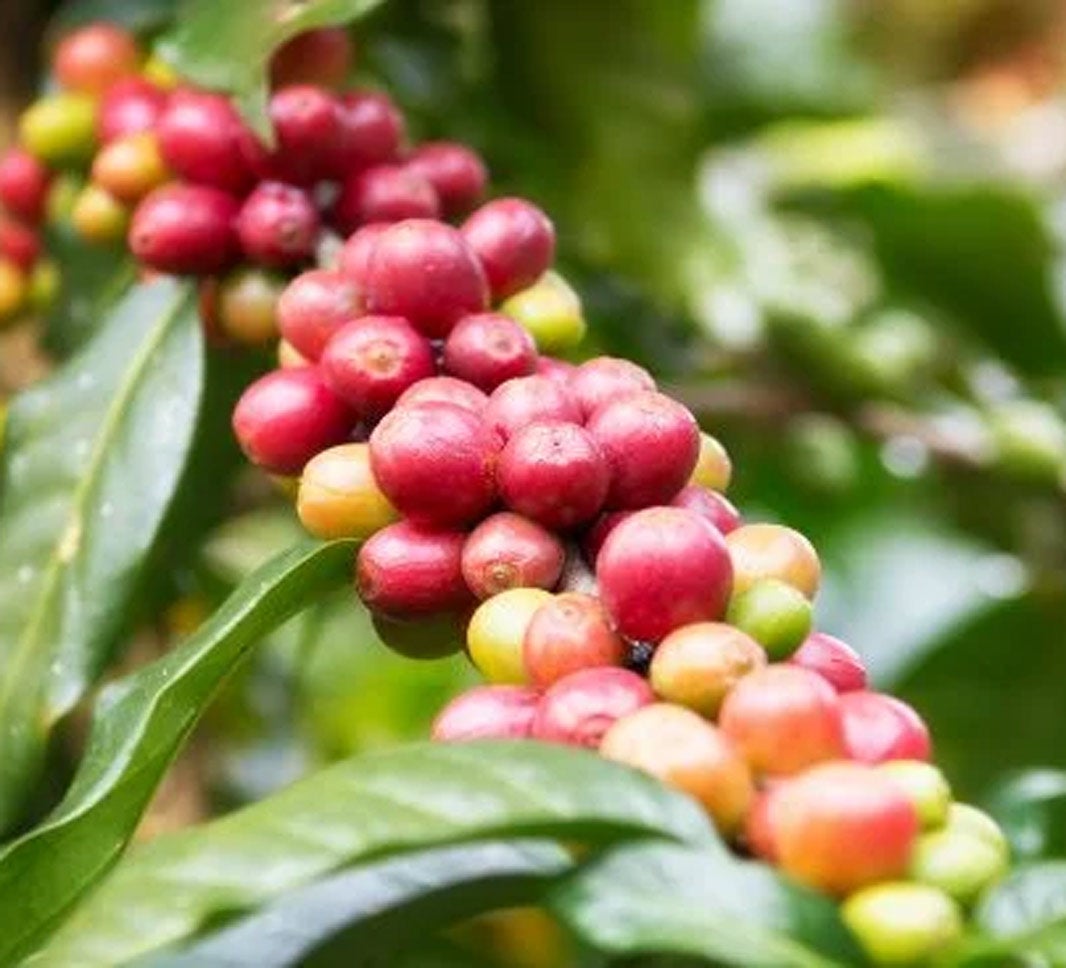
Coffee beans come from the Coffea plant. The plant grows red or yellow cherries. Inside each cherry are two seeds. Those seeds are the “beans” we roast and brew.
Most coffee comes from two species. Coffea arabica is known as Arabica. Coffea canephora is known as Robusta. A few regions grow Liberica and Excelsa too. If you ask Where Do Coffee Beans Come From, the simple start is the cherry, the seed, and the farm.
Key facts you’ll hear from growers and roasters:
- Coffee beans are not true beans. They are seeds.
- A cherry often holds two seeds with flat sides touching.
- A rare single seed forms a peaberry. Peaberries can taste extra sweet.
Where Do Coffee Beans Come From on the Map: The Coffee Belt
Coffee grows in the Coffee Belt. This is the zone between the Tropic of Cancer and the Tropic of Capricorn. The Belt wraps Central and South America, Africa, the Middle East, and Asia. High land, steady rain, and mild heat help the trees.
Major origins you’ll see on bags:
- Latin America: Brazil, Colombia, Guatemala, Costa Rica, Honduras, Peru, Mexico
- Africa and the Middle East: Ethiopia, Kenya, Rwanda, Burundi, Tanzania, Uganda, Yemen
- Asia-Pacific: Vietnam, Indonesia, Papua New Guinea, India, Philippines
Where Do Coffee Beans Come From in numbers? Global reports show Brazil and Vietnam lead output. Colombia, Indonesia, and Ethiopia follow. When you think “Where Do Coffee Beans Come From,” picture altitude lines on a map, not just country names. Those ridges shape taste.
Taste snapshots by region:
- Latin America: clean, nutty, chocolate notes, citrus in higher lots
- East Africa: floral, tea-like, jasmine, berry, stone fruit
- Asia-Pacific: deep body, spice, earth, dark chocolate
Where Do Coffee Beans Come From by Species: Arabica, Robusta, Liberica
Arabica prefers cooler, higher farms. It grows best at 2,000–6,000 feet. It has bright acid and complex aroma. It makes up most specialty coffee.
Robusta thrives at lower heights and in warmer spots. It has more caffeine and a stronger bite. It adds crema and punch in espresso blends.
Less common species:
- Liberica: big beans, fruity and smoky notes, grown in parts of Southeast Asia
- Excelsa: tart, fruity, used in blends for lift
When people ask Where Do Coffee Beans Come From, species is a big part of the answer. Species, plus place, shape your cup.
From Flower to Freight: The Coffee Life Cycle
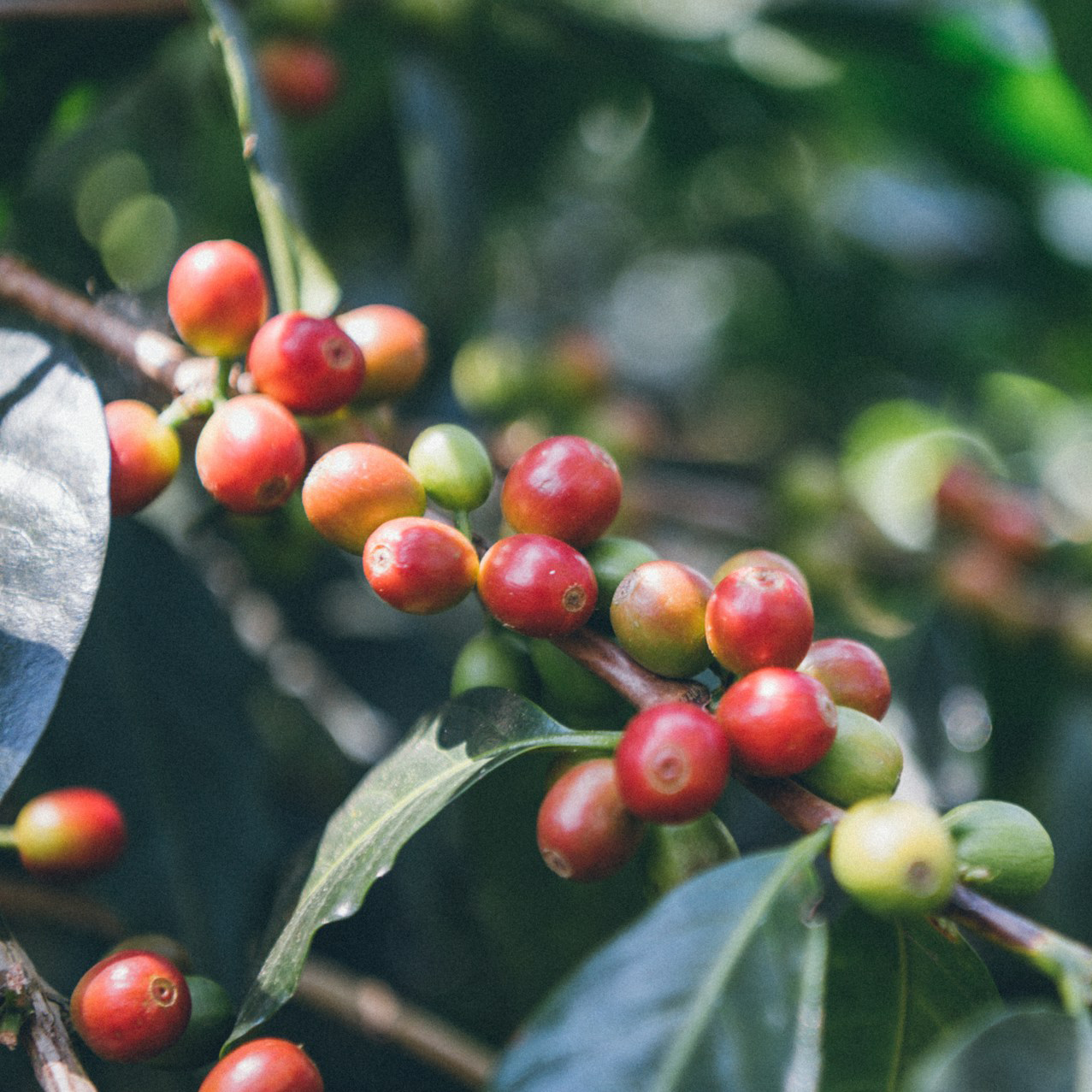
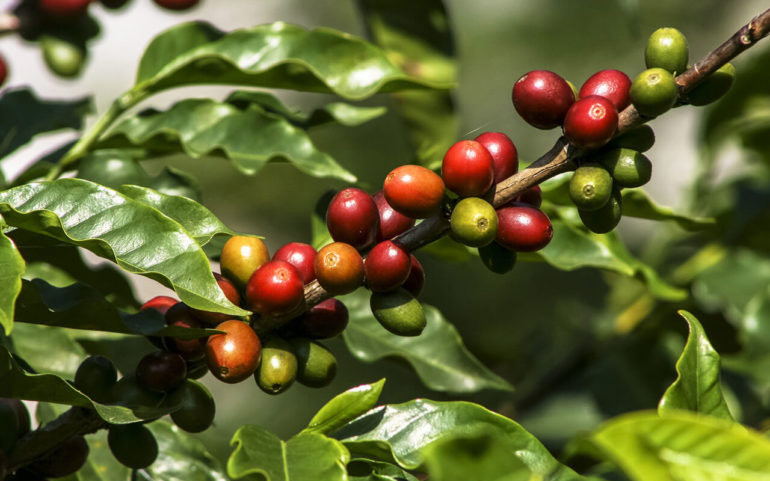
Coffee trees bloom with white flowers that smell like jasmine. Then green cherries form. They ripen to red or yellow. Ripeness timing depends on altitude and climate. Harvest can last weeks or months.
From farm to export, here is the path:
- Picking: Selective handpicking of ripe cherries gives better quality. Strip picking is faster but mixes ripe and unripe fruit.
- Processing: The sticky fruit must come off the seeds. Methods change flavor.
- Drying: Beans dry to about 10–12 percent moisture. Patience here prevents mold.
- Milling: Hulls and parchment come off. Beans are sorted by size and defects.
- Grading: Lots are graded for screen size, density, and defects.
- Shipping: Green coffee moves in jute or GrainPro-lined bags by sea.
Simple tip many pros use: a cup’s sweetness often signals ripe picking and careful drying.

Why Place Matters: Terroir and Taste
Terroir is the mix of soil, climate, sun, shade, and altitude. It changes the seed’s chemistry. That is why two farms in one valley can taste different. Where Do Coffee Beans Come From is also “what conditions did they grow in?”
Important terroir drivers:
- Altitude: Slower growth builds sugars and acids. Higher can mean brighter cups.
- Temperature: Stable days and cool nights help sweetness.
- Soil and minerals: Volcanic soils often add lively acidity.
- Shade and biodiversity: Shade trees protect cherries and can enhance balance.
You can hear this in flavor notes. Think lemon and cocoa from high Andes. Or blueberry and florals from Ethiopian highlands.

Processing Methods and How They Shape Flavor
Processing is how farmers remove fruit from the seeds. It is a huge taste lever. Two bags from the same farm can taste unlike each other if processed in different ways. It is a key layer in Where Do Coffee Beans Come From.
Core methods:
- Washed (wet): Fruit is removed with water and short fermentation. Expect clean cups, bright acid, clear origin notes.
- Natural (dry): Cherries dry whole on patios or beds. Expect fuller body, jammy fruit, and lower perceived acid.
- Honey (pulped natural): Some fruit mucilage stays on during drying. Expect a sweet middle ground with syrupy body.
- Wet-hulled: Common in parts of Indonesia. Delivers deep body and earthy spice.
Helpful example:
- Ethiopia, washed: lemon, black tea, floral
- Ethiopia, natural: blueberry, strawberry jam, cocoa dust

From Farm to Cup: People, Pay, and Planet
Most coffee is grown by smallholders. Many farms are under five acres. Price swings hit them hard. The global C price moves with markets, not costs on the farm. Weather shocks and disease add risk.
What to look for if you care about impact:
- Traceability: Lot names, farm names, or cooperative details.
- Certifications: Organic, Fairtrade, Rainforest Alliance can signal certain standards.
- Direct trade or relationship coffee: Roasters publish price and partner info.
- Climate-smart practices: Shade trees, soil care, water reuse, and drought plans.
Studies show rising heat threatens suitable land in some regions. Picking shade-friendly varieties and better farm practices can help. Buying in-season, traceable coffee supports those efforts. When asking Where Do Coffee Beans Come From, also ask how they got paid.
Roasting and Brewing to Highlight Origin
Roasting turns green seeds brown. Heat drives Maillard reactions and caramelization. Roast level changes how we sense origin. Light to medium roasts keep unique acids and aromas. Dark roasts mute place and push roast flavors.
How origin guides roast:
- Dense, high-altitude beans handle heat and can shine lighter.
- Natural processed lots may pop with fruit at light-medium.
- Some robustas fit best at medium-dark for balance.
Brew tips to taste origin:
- Use fresh coffee and burr grind.
- Start at 1:16 coffee-to-water ratio.
- For bright African coffees, try a pour-over at 200°F.
- For chocolate-heavy Latin coffees, a flat-bottom dripper can boost sweetness.
If you wonder Where Do Coffee Beans Come From while sipping, aim for a brew that lets those place notes speak.
Smart Buying Tips and Storage
You can choose better coffee with a few checks. Look for a roasted-on date, not just “best by.” Aim to drink within 2–4 weeks of roast. Buy in small, sealed bags.
Practical list when you shop:
- Read the origin: country, region, farm, or lot when possible.
- Note variety and process: they predict flavor.
- Match brew method: espresso blends differ from filter roasts.
- Ask for cupping notes: they hint at how the coffee was profiled.
- Store in a cool, dry place in an airtight container. Avoid the fridge.
Use seasonality too. Central American harvests land in late spring to summer. East African coffees often land late summer to fall. Asia-Pacific can land year-round. Track these waves to taste origin at its freshest. These habits turn “Where Do Coffee Beans Come From” into daily drinking joy.
Frequently Asked Questions of Where Do Coffee Beans Come From
Where do coffee beans come from originally?
Coffee originated in Ethiopia and Yemen, according to historical records. It then spread through the Arabian Peninsula, into Europe, and across the tropics.
Are coffee beans actually beans?
No. They are the seeds of a coffee cherry. We call them beans because they look like legumes.
Which country produces the most coffee today?
Brazil is the top producer by volume. Vietnam is second, with strong robusta output.
Why does altitude matter for coffee flavor?
Higher farms grow beans more slowly, building sugars and acids. This often creates brighter, sweeter, and more complex cups.
How is decaf coffee made?
Processors remove caffeine from green beans using solvents, water, or CO2. Good decaf keeps most flavor while cutting about 97 percent of caffeine.
What is the difference between Arabica and Robusta?
Arabica tends to be sweeter and more aromatic, with less caffeine. Robusta has more caffeine, stronger body, and a bolder, bitter edge.
Conclusion
Coffee beans are seeds from tropical cherries, shaped by species, place, and process. The Coffee Belt, farm practices, and roast choices all steer flavor in your cup. Now you can read a bag and picture the journey.
Pick one origin this week and taste it side by side with another. Note fruit, body, and finish. Share your notes, ask questions, and subscribe for more origin guides and brew tips.