A solar-powered French press is usually not a special French press with a built-in solar panel. It is a French press paired with a solar water-heating setup. The solar system heats the water, while the press brews the coffee without electricity.
For most people in the United States, the simplest setup is a solar panel, battery, and low-power electric kettle. A solar oven or solar kettle can also work, but it needs direct sun and more time. The French press itself remains simple: add coffee, pour in hot water, steep, and press.

Quick answer: What is a solar-powered French press?
A solar-powered French press uses solar energy to heat water for French press coffee. The press does not need power. Only the water-heating step needs energy.
You can make one of three setups:
- Solar panel plus electric kettle — the most controlled option.
- Solar generator plus kettle — useful for camping or emergency use.
- Solar thermal cooker plus French press — uses sunlight directly but needs clear weather and careful handling.
A French press needs hot water, ground coffee, and a few minutes of steep time. It does not need a heating coil, pump, app, or built-in battery.
The main trade-off is speed. Solar coffee can be clean and useful off-grid, but it may take longer than a wall outlet or gas stove. Cloud cover, panel angle, wind, air temperature, and battery size all affect the result.
How a solar-powered French press works
The process has two separate parts: solar heating and coffee brewing.
A solar panel changes sunlight into electricity. That electricity may charge a battery or power a kettle. The kettle then turns electrical energy into heat.
A solar thermal cooker skips the electrical step. It uses mirrors, a dark cooking chamber, or an insulated box to trap sunlight and warm the water.
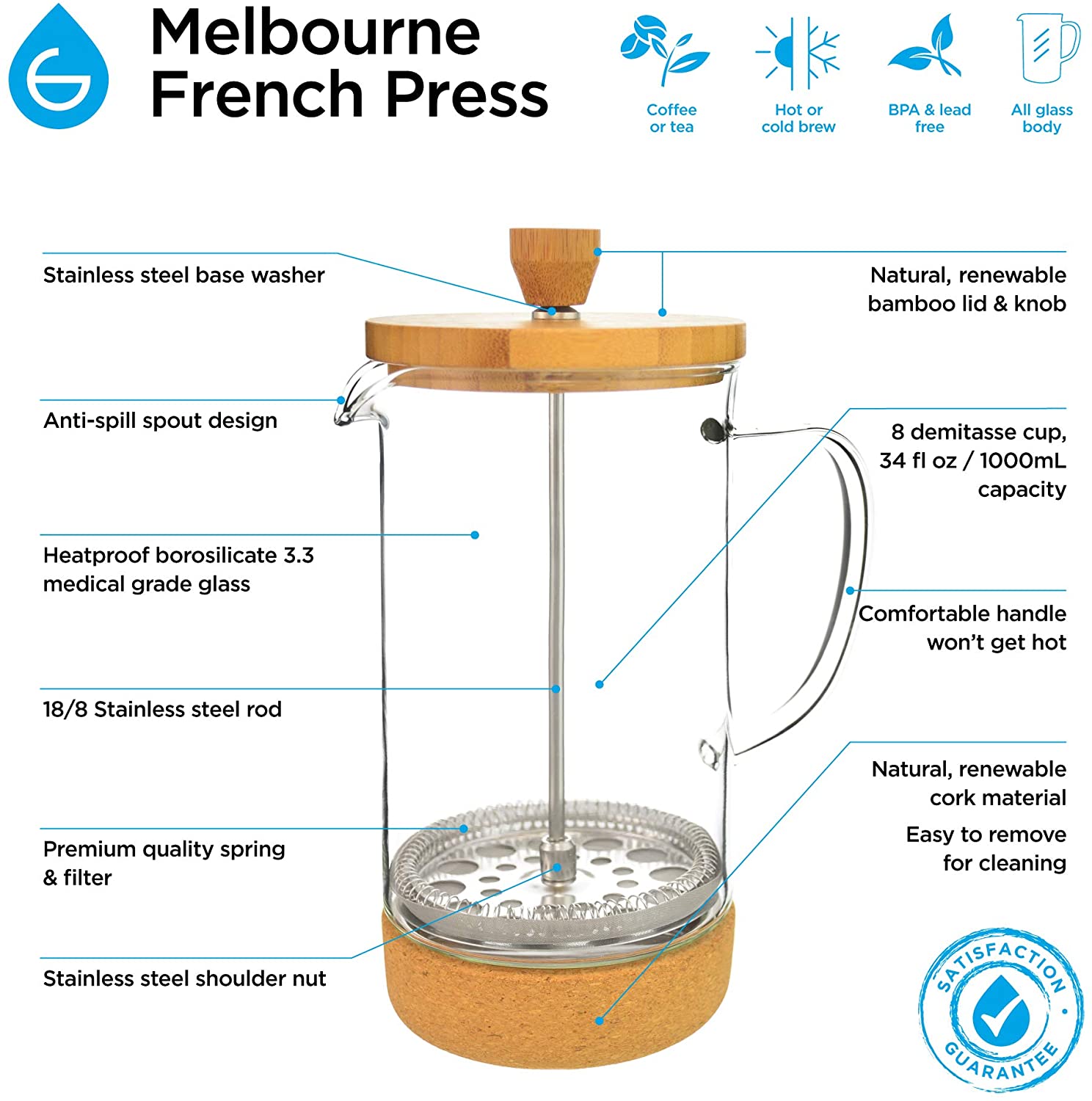
The French press uses a metal or nylon mesh filter. After steeping, you push the plunger down. The filter holds back most of the coffee grounds while brewed coffee passes through.
This means the French press is well suited to solar use. It has no electrical parts and uses little equipment.
The basic energy calculation
Water takes a fair amount of energy to heat. As a simple example, raising about 12 fluid ounces of water from 68°F to 200°F requires roughly 30 watt-hours of heat under ideal conditions.
Real systems lose energy through:
- Heat escaping from the kettle
- Electrical conversion
- Battery charging and discharging
- Wind and cool outdoor air
- Panel shading
- Low sun angles
A practical system may need about 40 to 60 watt-hours for one 12-ounce brew. This is an estimate, not a guarantee. The exact need depends on the starting water temperature and the equipment.
A 100-watt solar panel may produce far less than 100 watts in real use. That rating is measured under set laboratory conditions. A battery can make the process easier because it stores energy while the sun is strong.
The best solar setup for French press coffee
For reliable coffee, use a solar generator or battery with enough output for your kettle. This setup is easier to control than direct solar heating.
Option 1: Solar panel, battery, and electric kettle
This is the most practical setup for many U.S. campers, van users, and emergency kits.
You need:
- A solar panel
- A charge controller, if the system requires one
- A battery or portable power station
- A kettle rated for the battery’s output
- A French press
- Coffee, water, and a thermometer if available
Check both power ratings before use. A kettle may draw 800 to 1,500 watts. Small power banks often cannot run it. A portable power station with an AC inverter may work, but its manual must list enough continuous output.
A low-power kettle may use less energy but take longer. Do not assume that a USB outlet can run a full-size kettle. Many USB ports are made for phones and small devices only.
Option 2: Solar thermal cooker
A solar thermal cooker heats water with sunlight instead of electricity. It can work well in open areas with strong, direct sun.
This method has limits:
- Clouds can stop or slow heating.
- Wind can remove heat.
- Shadows can reduce performance.
- The water may heat unevenly.
- The cooker may need frequent repositioning.
- Hot surfaces can cause burns.
Use a container made for hot liquids. Follow the cooker maker’s instructions. Do not look into concentrated sunlight from a reflective cooker.
Option 3: Solar preheating plus a small backup heater
You can use solar heat to warm the water partway, then finish with a small electric kettle or stove. This may reduce battery use.
This hybrid method helps when:
- The sun is weak
- You have limited battery capacity
- You need coffee at a set time
- The solar cooker gets the water hot but not quite hot enough
Never place a sealed container of water in a solar cooker. Steam pressure can build up.

How to brew French press coffee with solar-heated water
Use the same basic method you would use indoors. The solar part changes how you heat the water, not how you press the coffee.
What you need
For two small cups, use:
- About 16 fluid ounces of water
- About 28 to 32 grams of coarsely ground coffee
- A French press
- A kettle or solar heating vessel
- A spoon
- A timer
- A stable, heat-safe surface
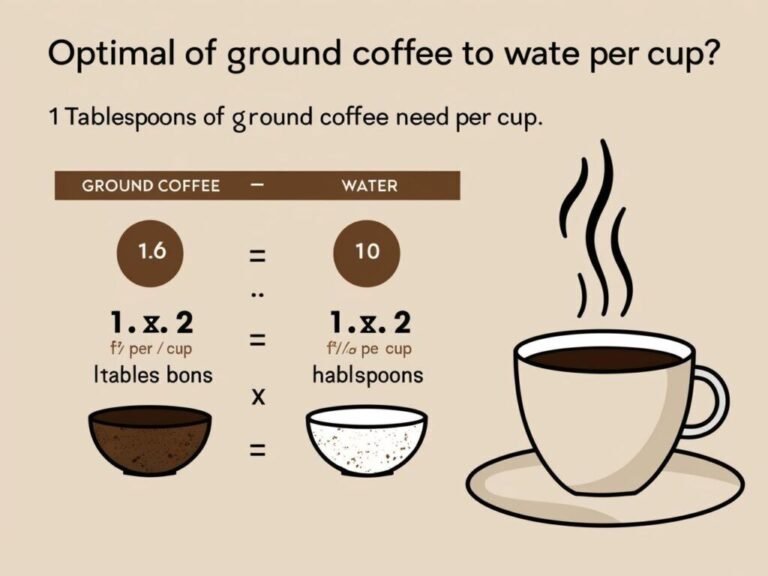
The coffee amount is flexible. A starting ratio near 1 gram of coffee for every 15 to 16 grams of water works for many people. Adjust it to taste.
Step-by-step method
-
Heat the water.
Aim for about 195°F to 205°F for many coffees. If you do not have a thermometer, let freshly boiled water rest for a short time. -
Warm the press.
Pour in a small amount of hot water. Swirl it, then discard it. This helps reduce heat loss. -
Add coarse coffee grounds.
Fine grounds can pass through the mesh and may make the cup muddy. -
Pour in the water.
Wet all the grounds. Pour slowly and evenly. -
Stir gently.
Break up dry pockets. Do not whip the coffee, since heavy stirring can add more sediment. -
Place the lid on the press.
Keep the plunger above the coffee while it steeps. -
Steep for about four minutes.
This is a useful starting point. Time can vary with grind size, dose, and taste. -
Press slowly.
Use steady, gentle pressure. If the plunger feels stuck, lift it slightly and try again. -
Pour at once.
Leaving coffee on the grounds can make the drink stronger and more bitter.
Signs of a good brew
A balanced cup usually has:
- A clear coffee aroma
- Full body
- Little harsh bitterness
- No dry or burnt taste
- A manageable amount of sediment
If the coffee tastes weak, use more coffee or steep a little longer. If it tastes bitter or dry, use a coarser grind, a shorter steep, or cooler water.

How to choose equipment for a solar French press
The best setup depends on where and when you plan to brew. A home backup system has different needs from a weekend camping kit.
| Need | Better choice | Main trade-off |
|---|---|---|
| Fast and repeatable brewing | Battery and electric kettle | Costs more and needs compatible power ratings |
| Low equipment cost | Solar thermal cooker | Depends heavily on sunlight |
| Backpacking | Small manual press and separate solar water method | Slow and less convenient |
| Emergency home use | Solar generator and kettle | Heavy compared with a gas stove |
| Off-grid cabin | Larger panel and battery system | Higher installation cost |
| Occasional sunny-day use | Solar oven or insulated solar kettle | Weather limits the schedule |
Check the kettle’s power demand
The kettle’s watt rating must be lower than the power station’s continuous output. Also check the battery’s usable watt-hours.
For example, a 1,000-watt kettle running for three minutes uses about 50 watt-hours before system losses. The short run time can still require a power station that supports at least 1,000 watts of output.
This is why watts and watt-hours both matter:
- Watts describe how much power the device needs at one moment.
- Watt-hours describe how much stored energy the battery can provide over time.
A battery may have enough watt-hours but still fail if its inverter cannot supply enough watts.
Choose the French press
Look for:
- A heat-resistant glass or stainless steel body
- A stable base
- A lid that stays in place
- A plunger that moves smoothly
- Replacement filters or screens
- A size that matches your normal brew
Glass lets you see the brew but can break outdoors. Stainless steel is more durable and holds heat well, but you cannot see the coffee level.
Do not judge capacity by the number of “cups” alone. Coffee makers often use a small cup measure. Check the stated fluid-ounce capacity.

Common problems and how to fix them
Solar French press problems usually come from the heating system, not the press.
The water never gets hot enough
Possible causes include:
- Weak sunlight
- A shaded panel
- A small battery
- A kettle with too much power demand
- A loose cable or incorrect adapter
- Heat loss from an uncovered vessel
First, check the equipment manual and all power connections. Then confirm that the battery is charged and that the kettle’s watt rating is within the inverter’s limit.
If the water is warm but not hot, do not simply steep the coffee for much longer. Cooler water can produce a flat or sour cup. Heat the water further or change the brew method.
The battery shuts down
A power station may shut off because:
- The kettle draws too much power
- The battery is low
- The inverter overheats
- The outlet has a timed low-power cutoff
- The system cable is not rated for the load
Let the unit cool. Check its output limits. Never bypass a safety cutoff.
The coffee tastes weak
Try these changes one at a time:
- Add more coffee
- Grind the beans slightly finer, while staying near coarse
- Steep a little longer
- Use hotter water
- Make sure all grounds are wet
Weak coffee can also result from a large amount of water in a small press.
The coffee tastes bitter
Try:
- A coarser grind
- A shorter steep
- Slightly cooler water
- Fewer coffee grounds
- Pouring the coffee out as soon as pressing is complete
A French press continues to extract coffee while the grounds remain in the pot.
The plunger is hard to press
The grind may be too fine, the filter may be blocked, or the coffee may be overfilled. Stop if strong force is needed. Pull the plunger up slightly, then press again with less force.
A sudden plunge can send hot coffee over the rim and cause burns.

Safety rules for solar-powered coffee
Hot water and electricity need careful handling, especially outdoors.
Keep these rules in place:
- Use the kettle only as its manual allows.
- Keep electrical connections dry.
- Do not charge a battery in standing water or heavy rain.
- Place the French press on a stable, heat-safe surface.
- Keep children and pets away from hot water.
- Use gloves or handles designed for hot cookware.
- Do not seal hot water in a closed container.
- Do not leave a solar cooker unattended.
- Let glass cool before exposing it to cold water.
- Inspect cables, plugs, and battery cases for damage.
Do not use a damaged battery, melted cable, cracked press, or leaking kettle. Replace the part or ask the manufacturer for an approved replacement.
For home emergency use, keep a non-electric backup method as well. A small camping stove may be more reliable than solar power during storms, smoke, winter darkness, or extended cloud cover. Use fuel-burning stoves only with proper ventilation and according to their instructions. Never use them inside a tent, vehicle, or enclosed room.

Solar French press vs. other coffee methods
A solar-powered French press is not always the best off-grid coffee method. The right choice depends on your power, time, and cleanup needs.
| Method | Energy need | Brew control | Cleanup | Best use |
|---|---|---|---|---|
| Solar plus French press | Low at the press | Good | Moderate | Slow, full-bodied coffee |
| Solar plus drip maker | Medium to high | Good | Easy to moderate | Several cups at home |
| Instant coffee | Very low | Limited | Very easy | Emergency or fast use |
| Pour-over | Low | High | Easy | One careful cup |
| Moka pot | Heat source needed | Moderate | Moderate | Strong coffee |
| Cold brew | No heating during brew | Good | Moderate | Long preparation time |
The French press has one clear strength: it needs no electrical coffee brewer. Once the water is hot, the brewing step is simple.
Its main weakness is sediment. If you want a cleaner cup, use a pour-over cone or add a paper filter designed for the press.

Is a solar-powered French press worth it?
It can be worth it if you already have solar equipment or want coffee during off-grid trips. It is less attractive if you need a fast cup every morning and must buy a large panel, battery, inverter, and kettle just for coffee.
Before buying anything, answer three questions:
-
Where will you brew?
A sunny campsite differs from a shaded backyard. -
How fast must the coffee be ready?
Direct solar heating may take much longer than a battery-powered kettle. -
What other jobs will the system do?
A solar generator is easier to justify if it can also charge phones, lights, medical devices, or other essential equipment.
For many users, the best value is a durable French press plus an existing portable power station. For direct sunlight use, a thermal cooker may cost less but requires more patience and weather flexibility.

Key takeaways
- A French press itself does not need electricity.
- Solar energy is used mainly to heat the water.
- A solar generator and compatible kettle offer the most predictable results.
- A solar thermal cooker can work but depends on strong, direct sunlight.
- Plan for about 40 to 60 watt-hours for one 12-ounce brew in a real-world setup.
- Check both kettle wattage and battery watt-hours.
- Use hot water, coarse grounds, and a short, controlled steep.
- Treat hot water, batteries, panels, and solar cookers as safety equipment.
FAQs about solar-powered French presses
Can a solar panel heat water directly?
A panel can produce electricity for an electric heating device, but it does not heat water directly. A solar thermal cooker heats water through sunlight and trapped heat. The two systems use different methods.
Can I use a small phone power bank to run a kettle?
Usually, no. Most phone power banks do not provide enough output for a kettle. Check the power bank’s output rating and compare it with the kettle’s required watts. Do not use an adapter that hides an equipment mismatch.
What temperature should water be for French press coffee?
A common starting range is about 195°F to 205°F. Use slightly cooler water if the coffee tastes harsh. Use hotter water or a longer steep if it tastes thin and sour.
Does solar heating change the coffee taste?
Solar heating does not automatically change the taste. The main factors are water temperature, coffee freshness, grind size, steep time, and cleanliness. Slow heating can matter if the water loses heat before brewing.
Can I brew coffee with warm water from a solar cooker?
You can, but the result may be weak or sour if the water is not hot enough. Measure the temperature when possible. If it is below your target range, continue heating or use a backup heat source.
Is stainless steel better than glass for outdoor use?
Stainless steel is usually more resistant to drops and holds heat well. Glass lets you watch the brew but may break from impact or sudden temperature changes. Choose based on transport, durability, and visibility.
What is the simplest solar coffee setup?
The simplest setup is a manual French press with water heated by a solar thermal cooker. The simplest reliable setup is usually a French press paired with a compatible battery and kettle, especially when clouds or changing weather are common.
Conclusion
A solar-powered French press is best understood as a solar water-heating system paired with a manual coffee brewer. The press is simple, low-power, and well suited to camping, travel, and emergency use.
For steady results, use a battery and kettle that match each other. For a lower-tech approach, use a solar thermal cooker and accept a longer wait. In either case, check the water temperature, brew with coarse grounds, and handle hot equipment with care.