
For most people in the United States, the cheapest way to make coffee is to buy ground coffee in a large bag and brew it with a basic drip coffee maker, French press, or saucepan. If you already have hot water and want the lowest cost per cup, instant coffee can be just as cheap or cheaper.
The key is to control three costs:
- The price of the coffee.
- The amount of coffee used per cup.
- The cost of equipment, filters, electricity, and waste.
A simple cup made at home can cost about 10 to 35 cents, depending on the coffee and method. Coffee shop drinks often cost several dollars, so home brewing offers the biggest savings.

What Is the Cheapest Way to Make Coffee?
The cheapest method depends on what you already own.
- Lowest start-up cost: Brew coffee in a saucepan or jar with ground coffee.
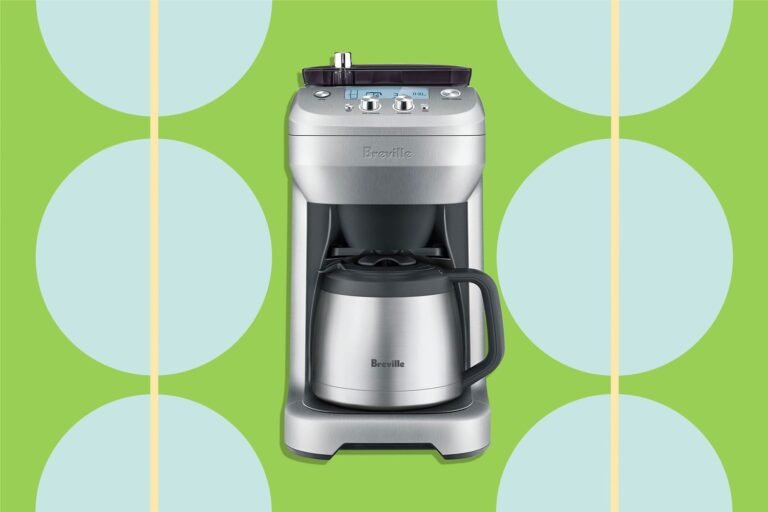
- Lowest cost with good convenience: Use a basic drip coffee maker with budget ground coffee.
- Lowest mess: Use instant coffee.
- Lowest long-term waste: Use a French press or reusable filter.
- Cheapest coffee per serving: Buy ground coffee in a large bag and measure each serving.
For many households, a basic drip coffee maker is the best balance of price, speed, and ease. A saucepan method may cost less if you do not want to buy equipment, but it leaves more sediment in the cup.
Instant coffee deserves a close look. It does not always cost less than brewed coffee, but it can be the least expensive choice when you already have a mug and access to hot water. It also avoids filters, coffee makers, and cleanup.
How Much Does One Cup of Coffee Cost?
A useful cost formula is:
Cost per cup = coffee cost + filter cost + energy cost + equipment cost
Coffee is usually the largest part of the total. Equipment matters most when you are making only one cup a day or buying a new brewer.
Example cost calculation
This is a hypothetical example, not a live price survey:
| Item | Example price | Coffee used | Approximate coffee cost |
|---|---|---|---|
| 30-ounce can of ground coffee | $10 | 10 grams per cup | About $0.11 |
| 12-ounce bag of ground coffee | $9 | 10 grams per cup | About $0.24 |
| Instant coffee jar | $8 | 2 grams per cup | About $0.13 |
| Paper filter | $0.04 | One filter per pot | $0.04 or less per cup |
| Electricity | Varies | One short brew cycle | Usually a small added cost |
Coffee cans and large bags often lower the price per ounce. However, the cheapest shelf price is not always the cheapest serving. Compare the package weight, not just the price.
Check the serving count
To calculate the coffee price per cup:
- Convert the package weight to grams.
- Divide the total grams by the grams used per cup.
- Divide the package price by the number of cups.
For example:
- A 12-ounce bag contains about 340 grams.
- Using 10 grams per cup gives about 34 cups.
- A $9 bag costs about 27 cents per cup before filters and energy.
If you use 15 grams per cup, the same bag makes about 23 cups. The cost rises to about 39 cents per cup.

The Cheapest Coffee-Making Methods Compared
Different methods have different equipment costs and levels of convenience. The table below compares common choices for a typical 8- to 12-ounce serving.
| Method | Equipment needed | Approximate cost per cup | Main advantage | Main drawback |
|---|---|---|---|---|
| Instant coffee | Mug and hot water | About $0.10–$0.30 | Fast and simple | Taste may be less fresh |
| Saucepan coffee | Saucepan and ground coffee | About $0.10–$0.30 | Almost no start-up cost | Sediment and cleanup |
| Basic drip brewer | Coffee maker, filter, ground coffee | About $0.15–$0.40 | Easy and consistent | Upfront cost and filters |
| French press | Press and ground coffee | About $0.15–$0.40 | No paper filters | Needs careful cleaning |
| Pour-over with reusable filter | Brewer and filter | About $0.15–$0.40 | Low waste | Slower and more hands-on |
| Reusable K-Cup-style pod | Compatible brewer and ground coffee | About $0.20–$0.50 | Uses an existing machine | More parts to clean |
These ranges are planning estimates. Local grocery prices, sales, brand choice, serving size, and coffee strength can change the result.
Best choice for most people
Choose a basic drip coffee maker if you drink coffee every day and want a simple routine. Choose instant coffee if you make one cup at a time and want to avoid equipment and cleanup. Choose a saucepan or French press if reducing filter costs matters more than speed.
How to Make the Cheapest Brewed Coffee
A saucepan method lets you make coffee without buying a brewer. You need ground coffee, water, a saucepan, and a cup.
You will need
- 8 to 12 ounces of water
- About 10 to 15 grams of ground coffee
- A small saucepan
- A spoon
- A mug
- A fine strainer, if available
Use less coffee for a light cup and more for a stronger cup. A kitchen scale gives better control, but a tablespoon works when you do not have one. One level tablespoon of ground coffee is often close to 5 grams, though grind size changes the weight.
Steps
- Add water to the saucepan.
- Heat the water until it is hot but not at a hard boil.
- Stir in the ground coffee.
- Let the coffee steep for about four minutes.
- Turn off the heat.
- Let the grounds settle for a minute.
- Pour slowly into a mug.
- Use a strainer to catch extra grounds if needed.
The coffee is ready when it smells fresh and tastes strong enough without tasting harsh. If it tastes bitter, use a little less coffee or steep it for less time. If it tastes weak, add more coffee rather than boiling it for much longer.
Do not pour boiling water into a fragile glass or cold ceramic mug. Sudden temperature changes can crack some containers.

How to Make Instant Coffee for the Lowest Effort
Instant coffee is the easiest low-cost method. The coffee has already been brewed, dried, and prepared to dissolve in hot water.
Steps
- Add the amount listed on the jar.
- Heat 8 to 12 ounces of water.
- Pour the water into the mug.
- Stir until the coffee dissolves.
- Add milk, cream, or sugar if desired.
Instant coffee can become expensive when you use too much per cup. Start with the package serving suggestion, then adjust slowly. Buying a larger jar may lower the cost per ounce, but only if you will use it before the flavor declines.
A microwave can heat the water, but use a microwave-safe container and handle the mug with care. Water heated in a microwave can become very hot without visibly boiling. Stirring the water before drinking helps spread the heat.
How to Lower the Cost of Drip Coffee
A drip coffee maker can be very cheap to operate when you use it efficiently.
Buy coffee by unit price
Compare coffee by price per ounce or price per pound. A larger container often costs less per ounce, but check for sales and avoid buying more than you can use while the coffee is fresh.
Use the amount you need
Many coffee makers call a small reservoir mark a “cup,” but that cup may be about 5 or 6 fluid ounces rather than a full 8-ounce mug. Measure your water and coffee once so you know how much each batch makes.
Use a reusable filter
A reusable basket can reduce paper filter costs. It may also reduce waste. Clean it after each use because old coffee oils can create a stale taste.
Paper filters are still useful when you prefer a cleaner cup or want simple cleanup. The cheapest method is not always the one with the lowest sticker price. A reusable filter requires water, time, and regular cleaning.
Avoid brewing more than you drink
Coffee that sits on a hot plate can become bitter. Brew only what you plan to drink soon, or transfer extra coffee to a heat-safe insulated container.

How to Save Money Without Making Weak Coffee
The cheapest coffee is not useful if you dislike it and replace it with coffee from a café. A few small changes can lower cost while keeping the cup enjoyable.
- Buy medium or dark roast only if you prefer its flavor. Roast level does not alone determine value.
- Use a measured scoop instead of guessing.
- Store coffee in a cool, dry, airtight container.
- Grind whole beans only if you already own a grinder or prefer the taste enough to justify the cost.
- Avoid single-use pods when a standard brewer gives you the same result.
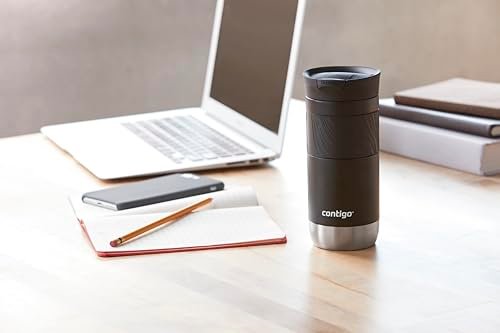
- Use a travel mug from home instead of buying a drink on the way to work.
- Watch for grocery store sales, but compare the price per ounce.
- Make coffee at home before errands or commuting.
- Use milk and sugar in measured amounts if they add a meaningful cost.
Coffee grounds should be kept dry. Do not store them in the refrigerator unless the container is fully sealed and you have a clear reason to do so. Moisture and food odors can affect the coffee.
Common Mistakes That Make Coffee More Expensive
Several habits raise the cost without improving the drink.
Using too many grounds
Overfilling the filter is one of the fastest ways to increase the cost per cup. A strong cup does not always need much more coffee. Better water temperature, fresher grounds, and a suitable steep time may improve flavor first.
Buying coffee one drink at a time
Single-serve pods and ready-made drinks are convenient, but their package cost is often higher than bulk ground coffee. They may still suit people who rarely drink coffee or cannot use a larger brewer.
Counting only the coffee price
A $20 brewer can be cheap over time, but it may not be worth buying if you make coffee only a few times per month. Include equipment in your first-year cost:
First-year cost = equipment price + yearly coffee supplies + filters and energy
Making a full pot for one person
Unused coffee becomes waste. Make a smaller batch when possible, or use a single-cup method.
Ignoring cleaning
Old coffee oils can make new coffee taste stale. Clean the carafe, basket, press, and reusable filter often. Follow the brewer’s manual for descaling if mineral buildup develops.

Cheapest Coffee Method by Situation
| Your situation | Best low-cost option |
|---|---|
| You already have a drip coffee maker | Bulk ground coffee |
| You have no coffee equipment | Instant coffee or saucepan coffee |
| You make one cup per day | Instant coffee or pour-over |
| You make several cups daily | Drip coffee maker |
| You want no paper filters | French press or reusable filter |
| You travel or work away from home | Instant coffee, if hot water is available |
| You want the least cleanup | Instant coffee |
| You want low waste over time | French press or reusable filter |
The cheapest answer changes when equipment is already paid for. If you own a drip brewer, buying a new French press will not reduce your coffee cost right away. If you own nothing, instant coffee may have the lowest total starting cost.
Is Homemade Coffee Cheaper Than a Coffee Shop?
Yes, in most cases. A home-brewed cup may cost a few cents to several tens of cents, while a coffee shop drink can cost several dollars before optional extras and tips.
The exact savings depend on what you buy. Plain brewed coffee costs less than a flavored latte. A large home coffee with expensive cream, syrup, and specialty beans may cost more than a basic cup from a restaurant.
For a fair comparison, compare similar drinks:
- Plain home-brewed coffee versus plain café coffee.
- Home coffee with milk versus a café coffee with milk.
- A homemade latte versus a café latte.
The biggest savings usually come from replacing frequent purchased drinks with simple coffee made at home.
Is Instant Coffee Cheaper Than Ground Coffee?
Sometimes. Instant coffee can be cheaper when you use small servings and avoid equipment, filters, and waste. Ground coffee may be cheaper when you buy it in bulk and brew several cups at once.
Use this comparison:
Instant cost per cup = jar price ÷ number of servings
Ground coffee cost per cup = bag price ÷ number of brewed servings
Include filters and wasted coffee in the ground-coffee calculation. Also consider taste. The lowest-cost option is the one you will actually drink instead of replacing with a more expensive option.
Can You Make Coffee Without a Coffee Maker?
Yes. You can use a saucepan, French press, pour-over cone, or a clean jar designed for hot liquids.
The saucepan method is the lowest-cost substitute because most kitchens already have a pan. It works by steeping the grounds in hot water, much like a French press. The main difference is that the saucepan method needs a way to separate the grounds from the drink.
Do not use a container that is not made for hot liquids. Avoid heating sealed containers, and use care when handling boiling water.
How Long Does Ground Coffee Stay Fresh?
Ground coffee loses aroma faster than whole beans because more of its surface touches air. Keep it sealed in a cool, dry place and use it while the flavor remains pleasant.
Freshness does not mean the coffee becomes unsafe as soon as it loses aroma. The main issue is quality. Discard coffee if it becomes wet, develops visible mold, or smells abnormal.
What Is the Cheapest Way to Make Coffee at Work?
Bring ground coffee or instant coffee from home. If your workplace has a coffee maker, a shared bag of ground coffee may cost less per serving than individual drinks. If hot water is available but no brewer is provided, instant coffee is usually the simplest choice.
Bring a reusable mug and spoon. If you use shared equipment, follow workplace rules and clean the area after brewing.
Key Takeaways
- The cheapest coffee method depends on the equipment you already own.
- Instant coffee has the lowest start-up cost.
- Bulk ground coffee is often the best value for regular home brewing.
- A saucepan can make coffee without a coffee maker.
- Measure your grounds to avoid spending more than needed.
- Include filters, energy, equipment, and wasted coffee in the real cost.
- Brew only what you plan to drink.
- The best low-cost coffee is one you enjoy enough to make at home.
Final Recommendation
For most people in the USA, start with budget ground coffee, a basic drip coffee maker, and measured servings. This gives a low cost per cup with little effort. If you make only one cup at a time or own no equipment, choose instant coffee. If you want to spend almost nothing to get started, use the saucepan method with ground coffee you already have.
The simplest savings plan is clear: buy coffee by unit price, use the right amount, brew only what you need, and avoid paying for a drink you can make at home.
One Comment