
A cheap coffee maker can make good coffee if you choose the right size, filter type, and heating features. For most people in the United States, a basic drip coffee maker priced below $50 is enough for daily use. The best value usually comes from a simple model with an auto-shutoff, a reusable or standard paper filter, and easy-to-clean parts.
What Counts as a Cheap Coffee Maker?
A cheap coffee maker usually costs less than $50 in the U.S. Basic models may cost around $20 to $35, while better-built budget models often fall between $35 and $75. Prices can change based on sales, brand, size, and features.
The low price does not always mean poor coffee. A simple drip machine can perform well when it uses steady heat and spreads water over the grounds. Extra features, such as a clock, strength settings, or a thermal carafe, often raise the price without improving the basic brewing process.
Common types include:
- Drip coffee makers: Best for several cups at once.
- Single-serve brewers: Good for one mug and fast use.
- Pour-over coffee makers: Low-cost and manual.
- French presses: Do not use electricity and need no paper filter.
- Cold brew makers: Designed for long steeping, not hot coffee.
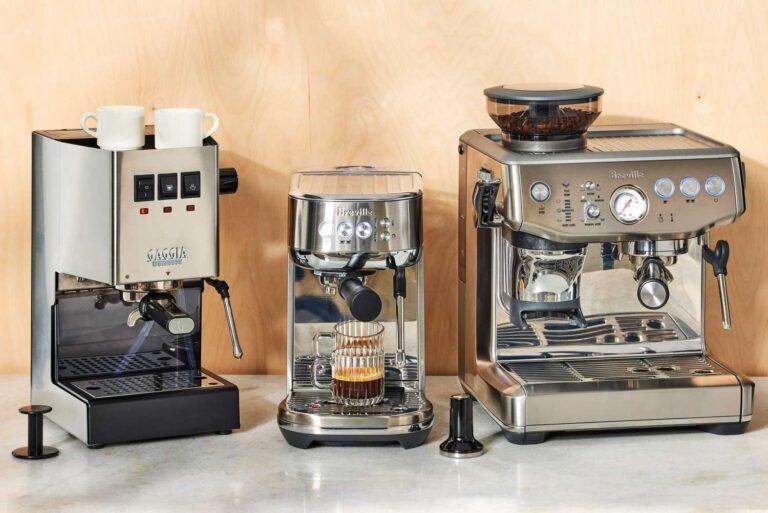
- Espresso machines: Usually cost more and need finer control.
For most households, a cheap drip coffee maker offers the best balance of price, speed, and ease of use.
Best Cheap Coffee Maker Types for Different Needs
The right budget coffee maker depends on how much coffee you make and how much work you want to do.
| Your need | Best type | Typical budget | Main trade-off |
|---|---|---|---|
| Several cups each morning | Drip coffee maker | $20–$60 | Takes more counter space |
| One mug at a time | Single-serve brewer | $25–$80 | Pods may cost more over time |
| Lowest purchase cost | Pour-over cone | $5–$25 | Needs a kettle and more care |
| No electricity | French press | $15–$40 | Grounds remain in the drink |
| Strong coffee drinks | Espresso machine | Usually $100+ | Cheap models may lack control |
Cheap drip coffee makers
A drip coffee maker is the most practical choice for families, offices, and people who drink two or more cups. It heats water, sends it over ground coffee, and collects the brewed coffee in a carafe.
Look for:
- A removable filter basket
- A clear water tank
- An automatic shutoff
- A pause-and-serve feature, if useful
- A carafe with a wide opening for cleaning
- A simple on/off switch
A small 5-cup machine may suit one person. A 10- or 12-cup model may work better for a family, but remember that a “cup” on a coffee maker is often about 5 fluid ounces. It is not the same as a standard 8-ounce U.S. cup.
Cheap single-serve coffee makers
Single-serve machines make one cup at a time. Some use pods, while others accept loose ground coffee in a reusable basket.
They can save time and reduce waste when one person drinks coffee. However, pod costs can become higher than the cost of ground coffee. A reusable filter may lower the long-term cost, but it needs to be rinsed after each use.
Check whether the machine accepts:
- Standard pods
- A specific pod system
- Ground coffee
- A reusable filter
- Travel mugs or only short cups
Pour-over coffee makers and French presses
A pour-over cone can cost less than a basic electric coffee maker. It can also produce clean, flavorful coffee when the water flow and grind size are controlled well.
A French press is another low-cost option. It needs hot water, ground coffee, and several minutes of steeping. It is useful for small kitchens, travel, and power outages, but the coffee may contain more sediment than drip coffee.
Features That Matter More Than Price
The most useful features on a cheap coffee maker improve safety, cleaning, or daily convenience. Fancy controls should come after these basics.
Automatic shutoff
Automatic shutoff turns off the heating plate after a set period. This feature helps reduce the chance of leaving the machine on for hours.
It does not make a coffee maker safe to leave unattended. Keep the machine on a stable, dry surface, away from the edge of the counter. Follow the manual for clearance around the machine.
Removable parts
A removable filter basket and water tank are easier to rinse. They also make it easier to remove coffee oils and mineral buildup.
A coffee maker with fewer hard-to-reach areas may last longer in real use because people are more likely to clean it. A low price is less useful if the machine is difficult to maintain.
Glass or thermal carafe
A glass carafe usually sits on a hot plate. It often costs less and lets you see how much coffee remains.
A thermal carafe does not need a hot plate to keep coffee warm. It may preserve flavor better after brewing, but it usually raises the purchase price. For a strict budget, glass is often the simpler choice.
Programmable timer
A timer can start brewing before you wake up. It is useful, but it should not replace more important features such as automatic shutoff and easy cleaning.
If you use a timer, add water and coffee before bed. Do not leave old wet grounds in the filter basket for long periods.
Brew strength and temperature controls
Strength settings change how the machine uses water and coffee. They do not always produce stronger coffee in the same way.
A budget machine may not offer precise temperature control. This is normal. If coffee tastes weak, first check the coffee-to-water ratio, grind size, and freshness before blaming the machine.
The Specialty Coffee Association describes a commonly used brewing temperature range of about 195°F to 205°F for brewed coffee. Many inexpensive machines do not publish detailed temperature data, so do not assume that a low-cost model matches a professional brewer.
How to Choose a Cheap Coffee Maker
Use this short process before buying.
1. Set the real budget
Include the cost of filters, coffee pods, a reusable filter, and replacement parts. A $25 machine may cost more to operate if it requires expensive pods.
For ground coffee, standard basket or cone filters are usually easy to find in U.S. grocery stores. Check the filter shape and size before buying.
2. Choose the correct capacity
Estimate how much coffee you drink at one time.
- One mug: Choose a single-serve model or small brewer.
- Two to four mugs: A 5- to 8-cup brewer may be enough.
- Several people: Consider a 10- or 12-cup drip machine.
- Occasional use: A pour-over cone or French press may be cheaper.
Buying a machine that is too large may waste coffee and counter space. Buying one that is too small may force you to brew several batches.
3. Decide between pods and ground coffee
Pods are quick and tidy. Ground coffee usually offers more control and can cost less per serving.
Choose pods when speed and simple cleanup matter most. Choose ground coffee when you want lower ongoing cost, more coffee choices, or less single-use waste.
4. Check the electrical details
For use in the United States, buy a model designed for the U.S. electrical system. Check the plug, voltage, warranty, and return policy.
A recognized safety certification mark, such as UL or ETL, can show that a product was evaluated under a safety standard. It does not prove that the coffee tastes better or that the machine will last for many years.
5. Read the care instructions
Before buying, confirm that the carafe, filter basket, and other removable parts are easy to wash. Look for instructions on descaling, filter replacement, and dishwasher use.
Do not assume that every removable part is dishwasher-safe. Use the manual as the final guide.
How Much Does It Cost to Make Coffee at Home?
The machine price is only one part of the total cost. A simple calculation can help compare coffee makers.
Assume a hypothetical 12-ounce mug uses 0.75 ounces of ground coffee. If a 12-ounce bag costs $12, the coffee cost is:
$12 ÷ 16 ounces = $0.75 per ounce
0.75 ounces × $0.75 = about $0.56 per mug
Add the cost of a paper filter if you use one. The exact result depends on the coffee brand, recipe, serving size, and local prices.
For pod coffee, divide the package price by the number of pods. Then compare that result with ground coffee. A single pod may seem cheap, but daily use can make the long-term cost noticeable.
A reusable filter can reduce paper waste and filter costs. It may also allow more fine particles and natural oils into the cup. Some people like that fuller taste; others prefer the cleaner taste of paper filters.
How to Make Better Coffee With a Cheap Machine
A low-cost coffee maker cannot fix stale coffee or the wrong grind. These steps often improve the result more than buying a more expensive machine.
- Use fresh coffee. Keep beans or grounds sealed in a cool, dry place.
- Use the right grind. Most drip machines work best with medium-ground coffee.
- Measure the coffee. Start with about 1 to 2 tablespoons of ground coffee for every 6 fluid ounces of water, then adjust to taste.
- Use clean water. If tap water tastes strongly of chlorine or minerals, filtered water may improve the flavor.
- Do not overfill the basket. Too much coffee can slow water flow and cause overflow.
- Drink coffee soon after brewing. A hot plate can make coffee taste bitter if it sits for a long time.
- Clean the machine. Old coffee oils and mineral deposits can change the taste.
The best recipe is personal. Use the starting ratio as a guide, not a fixed rule.
How to Clean and Maintain a Cheap Coffee Maker
Clean the removable parts after each use. Empty the filter basket, discard the grounds, and rinse the basket and carafe. Let parts dry fully before putting them back.
Mineral deposits can build up inside the water path. This is more likely in areas with hard water. The machine may brew slowly, make unusual sounds, or produce coffee with a strange taste.
Use the cleaning method listed in the manual. Some manufacturers recommend a descaling solution. Others allow diluted white vinegar followed by several water-only cycles. Do not mix vinegar with bleach or other cleaners.
A basic cleaning routine is:
- Unplug the machine and let it cool.
- Wash the carafe and filter basket.
- Wipe the outside with a damp cloth.
- Run the approved descaling method.
- Run fresh water through the machine as directed.
- Taste the next brew only after any cleaner odor is gone.
Stop using the machine if the cord is damaged, the plug becomes hot, water leaks near electrical parts, or the housing shows signs of melting or burning. Replace the machine or seek qualified repair help rather than opening the electrical housing yourself.
Common Cheap Coffee Maker Problems
The coffee tastes weak
Possible causes include too much water, too little coffee, stale grounds, or a grind that is too coarse. Measure both coffee and water before changing the machine.
The coffee tastes bitter
Coffee may taste bitter when it sits on a hot plate too long. Very fine grounds, too much coffee, or mineral buildup can also contribute.
The machine brews slowly
A clogged filter basket or mineral deposits may restrict water flow. Clean the basket and descale the machine according to its instructions.
The carafe drips
The carafe may not sit correctly under the filter basket. The lid, drip-stop valve, or carafe lip may also be damaged. Make sure the basket is seated before replacing the machine.
The coffee maker overflows
Too many grounds, the wrong filter size, or a poorly fitted filter can block water flow. Use the recommended filter and do not exceed the basket’s fill line.
The machine stops working
Check the outlet, plug, power switch, and circuit breaker. If the machine still fails, do not bypass a safety feature or use a damaged cord.
Cheap Coffee Maker Buying Mistakes to Avoid
The most common mistake is choosing the lowest price without checking ongoing costs. A machine that uses a special pod or hard-to-find filter may cost more over time.
Other mistakes include:
- Buying a large machine for one daily mug
- Ignoring the height needed to open the lid
- Choosing a carafe that is hard to wash
- Assuming “12 cups” means twelve 8-ounce servings
- Buying a model without automatic shutoff
- Using espresso-fine grounds in a drip machine
- Leaving coffee on a hot plate all morning
- Skipping descaling in a hard-water area
- Trusting user ratings without checking the exact model
- Buying an imported machine with the wrong voltage or plug
A cheap coffee maker should save money without creating a daily nuisance. Ease of cleaning and common filter sizes often matter more than a display screen.
Frequently Asked Questions
Is a cheap coffee maker worth buying?
Yes, if you need basic brewed coffee and choose a model with safe electrical design, automatic shutoff, easy cleaning, and a suitable capacity. A more expensive machine may offer better materials or controls, but price alone does not guarantee better coffee.
What is the best cheap coffee maker for one person?
A small drip machine, single-serve brewer with a reusable filter, pour-over cone, or French press can work well. Ground coffee usually costs less per serving than pods, while a single-serve machine saves time.
Are cheap coffee makers safe?
A cheap coffee maker can be safe when used as directed and kept in good condition. Look for a U.S.-compatible plug and a recognized safety certification mark. Stop using any machine with a damaged cord, overheating plug, leaks near electrical parts, or burning smells.
How long should a cheap coffee maker last?
There is no universal lifespan. Use, water quality, cleaning, materials, and warranty support all matter. A machine that brews slowly, leaks, overheats, or has damaged electrical parts should be replaced even if it is relatively new.
Is a reusable filter better than a paper filter?
Neither is best for every user. Reusable filters reduce paper waste and recurring filter costs. Paper filters are easier to discard and may produce a cleaner cup with less sediment.
Key Takeaways
- A basic drip coffee maker under $50 can meet most everyday needs.
- Choose capacity based on your actual serving size.
- Check filter availability and long-term operating cost.
- Automatic shutoff and easy cleaning matter more than extra buttons.
- Use medium-ground coffee, clean water, and a consistent coffee-to-water ratio.
- Descale the machine as directed, especially in hard-water areas.
- Replace any machine with damaged electrical parts or signs of overheating.
Conclusion
The best cheap coffee maker is not always the least expensive model. It is the one that fits your serving size, uses affordable supplies, cleans easily, and has basic safety features.
For most U.S. households, a simple drip coffee maker with a removable basket, automatic shutoff, and standard paper-filter support is the safest place to start. If you only need one cup, compare pod costs with a reusable-filter model or a low-cost pour-over brewer before buying.
One Comment