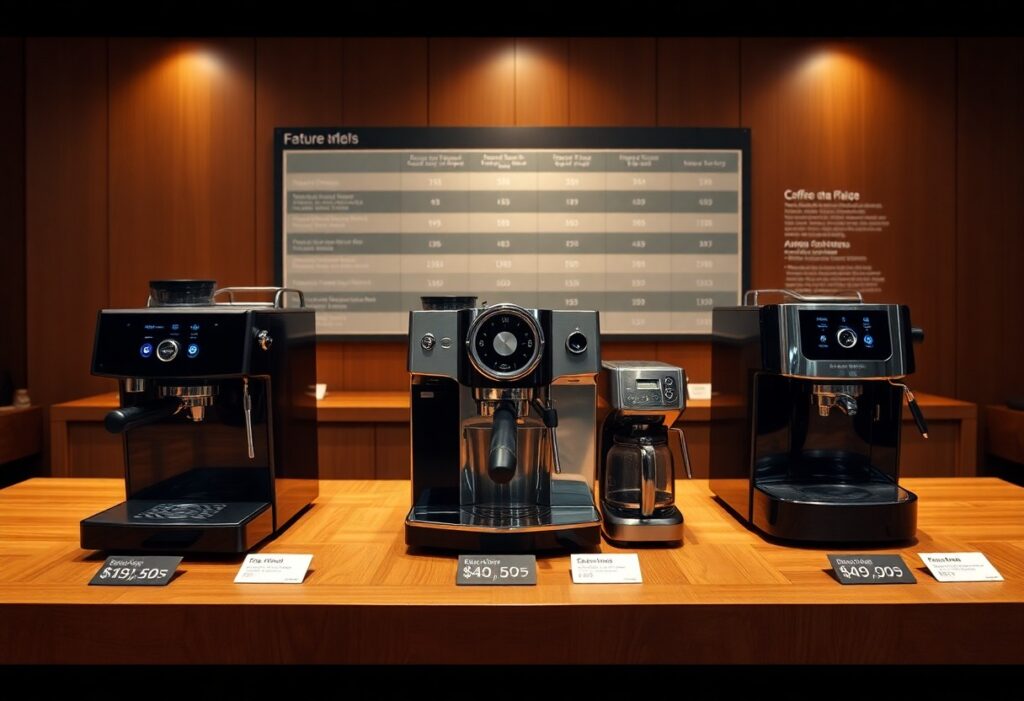
A coffee machine costs about $20 to more than $3,000 in the United States, depending on the type, features, brand, and intended use. Most home buyers spend $50 to $200 on a drip coffee maker, $100 to $500 on a pod or specialty brewer, or $300 to $1,500 on an espresso machine.
A simple drip coffee maker is usually the least expensive choice. A bean-to-cup machine, commercial espresso machine, or model with a built-in grinder can cost much more.
Prices below are typical US retail ranges, not fixed quotes. Sales, model changes, bundles, and local availability can change the final price.
Coffee Machine Price Ranges at a Glance
The table below shows common purchase prices for coffee machines in the US market.
| Coffee machine type | Typical US price | Best for |
|---|---|---|
| Basic drip coffee maker | $20–$60 | Simple daily coffee |
| Programmable drip coffee maker | $40–$150 | Timed brewing and larger batches |
| Thermal carafe coffee maker | $60–$250 | Keeping coffee hot without a hot plate |
| Single-serve pod machine | $50–$250 | Fast, one-cup brewing |
| Specialty coffee brewer | $100–$400 | Richer control and better brewing |
| Cold brew maker | $20–$100 | Cold brew at home |
| Moka pot | $20–$80 | Strong stovetop coffee |
| Manual espresso machine | $100–$700 | Hands-on espresso brewing |
| Semi-automatic espresso machine | $300–$2,000 | Espresso with more control |
| Super-automatic espresso machine | $500–$3,000+ | One-touch coffee drinks |
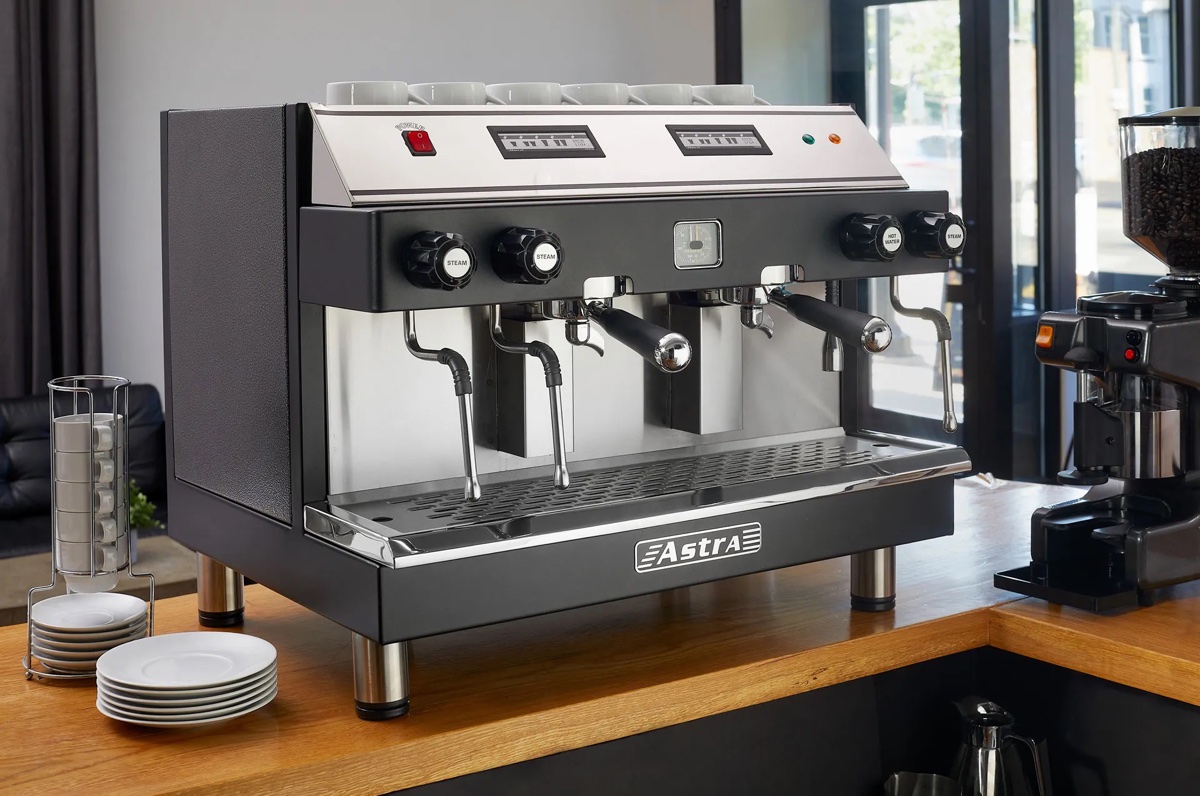
| Commercial espresso machine | $2,000–$20,000+ | Cafés, offices, and restaurants |
For many US households, a $75 to $150 coffee maker offers the best balance of price, reliability, and useful features. Spend more when you need espresso pressure, a built-in grinder, milk drinks, large capacity, or heavy daily use.
What Changes the Cost of a Coffee Machine?
The main cost drivers are the brew method, machine parts, automation, capacity, and expected workload.
Brew method
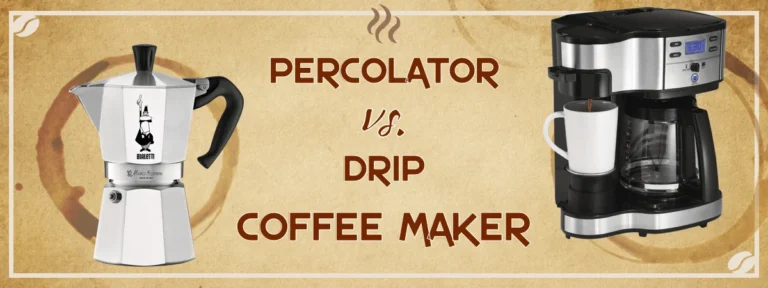
A drip coffee maker heats water and passes it through ground coffee. This design is simple, so it often costs less than an espresso machine.
Espresso machines must push hot water through finely ground coffee at high pressure. They need more complex pumps, boilers, valves, and controls. That is why espresso machines cost more.
Pod machines use sealed capsules or pods. The machine itself may be affordable, but the ongoing pod cost can be higher than the cost of ground coffee.
Built-in grinder
A built-in burr grinder can add $100 to $600 or more to the price. Burr grinders crush beans between two surfaces and usually provide more consistent grounds than basic blade grinders.
A separate grinder may cost less to replace if one part fails. It also lets you upgrade the grinder without replacing the coffee maker.
Automation
Manual machines require you to measure coffee, grind beans, tamp grounds, and steam milk. Automatic machines perform some or all of these steps for you.
Automation raises the initial price, but it can save time. A one-touch machine may be useful when several people want coffee drinks each morning.
Capacity
A 4-cup machine may cost less than a 12-cup model. However, “cup” often means a small coffee serving, not a full 8-ounce mug.
Large water tanks, thermal carafes, and commercial-size brew baskets can increase the cost. Choose capacity based on how much coffee you drink, not only the number shown on the box.
Materials and repair design
Glass carafes, plastic housings, stainless steel panels, heating systems, displays, and removable brew parts all affect the price.
A higher price does not guarantee a longer life. Look for a clear warranty, available replacement parts, and a removable brew group or water tank when applicable.
Coffee Machine Cost by Type
Each coffee machine type solves a different need. The cheapest option is not always the lowest-cost option over time.
Drip coffee makers: $20 to $250
Drip coffee makers are the most affordable choice for brewing several cups at once. Basic models often include a glass pot and a hot plate. Higher-priced models may add a thermal carafe, stronger controls, water filters, or specialty-brewing settings.
A drip machine makes sense if you:
- Drink regular brewed coffee.
- Make two or more cups at a time.
- Want low equipment and maintenance costs.
- Prefer widely available paper filters.
A basic model can meet the need well. Paying more may improve convenience, temperature control, or build quality, but it does not automatically make the coffee better.
Single-serve pod machines: $50 to $250
Single-serve machines are designed for speed and convenience. They usually brew one cup at a time and may accept pods, capsules, or reusable filters.
The machine may cost less than a high-end drip brewer. The long-term cost depends on the pods. A household that uses several pods each day can spend much more on coffee over a year than a household that buys whole beans or ground coffee.
Check pod compatibility before buying. Some systems use proprietary capsules, while others accept more than one pod size.
Specialty coffee brewers: $100 to $400
Specialty brewers may offer better control over water temperature, flow rate, timing, or brew strength. Some models are certified by the Specialty Coffee Association under its current program, but certification is only one factor in a buying decision.
These machines suit people who enjoy single-origin coffee, pour-over-style brewing, or more control over extraction. They are often less convenient than a basic programmable machine.
Espresso machines: $100 to $3,000+
Espresso machines have a very wide price range.
- Manual espresso makers: Often $100 to $300, with more hands-on work.
- Semi-automatic machines: Commonly $300 to $2,000, depending on the heating system and controls.
- Super-automatic machines: Often $500 to $3,000 or more, with built-in grinding and automatic milk functions.
You may also need a grinder, tamper, scale, milk pitcher, and cleaning products. A low-cost espresso machine can become expensive if it requires several extra tools.
Cold brew makers: $20 to $100
Cold brew equipment is usually simple. It may use a pitcher, mesh filter, or dedicated brewing container.
The main cost is coffee, not the equipment. Cold brew also takes many hours to steep, so the machine price does not change the basic time needed to make the drink.
How Much Does It Cost to Run a Coffee Machine?
The purchase price is only part of the cost. Coffee, filters, pods, water, electricity, cleaning supplies, and repairs also matter.
Ground coffee or whole beans
Whole beans and ground coffee usually offer a lower cost per serving than single-use pods, although prices vary by brand and quality.
A simple yearly estimate is:
Annual coffee cost = servings per day × cost per serving × 365
For example, if you make two cups per day and each serving costs $0.35:
2 × $0.35 × 365 = $255.50 per year
This calculation excludes the machine, filters, water, and electricity.
Coffee pods
Pods often cost more per cup than bulk coffee. If one pod costs $0.50 and you use two each day:
2 × $0.50 × 365 = $365 per year
At $1 per pod, the same habit costs $730 per year. Check the actual price of the pods you plan to buy before choosing a machine.
Filters
Paper filters may cost only a few cents per brew. Reusable filters can reduce waste but still need regular cleaning and eventual replacement.
Some machines use water filters. These may improve taste in areas with hard or highly treated water, but they add a recurring cost.
Cleaning and descaling
Coffee oils, mineral deposits, and milk residue can affect taste and machine function. Espresso and milk machines usually need more care than basic drip brewers.
Possible recurring costs include:
- Descaling solution.
- Water filters.
- Cleaning tablets.
- Replacement gaskets.
- Milk system cleaning products.
- Paper filters.
- Replacement carafes or parts.
Follow the manual for cleaning frequency. Do not use vinegar unless the manufacturer allows it. Some machines can be damaged by unsuitable cleaners.
Electricity
A home coffee machine normally uses little electricity compared with major appliances. The cost depends on wattage, brewing time, standby mode, and local utility rates.
For most buyers, coffee and maintenance cost more than electricity. Machines that stay warm for long periods can use more power than models with automatic shutoff.
A Simple Three-Year Coffee Machine Cost Example
A lower purchase price does not always mean a lower total cost. Use this formula to compare machines:
Three-year cost = machine price + coffee cost + filters and maintenance + electricity
Here is a hypothetical comparison:
| Cost | Drip coffee maker | Pod machine |
|---|---|---|
| Machine price | $100 | $100 |
| Coffee cost per serving | $0.35 | $0.60 |
| Servings per day | 2 | 2 |
| Coffee cost for three years | $766.50 | $1,314 |
| Maintenance and filters | $75 | $120 |
| Estimated three-year total before electricity | $941.50 | $1,534 |
This is only an example. Your result will change with coffee prices, serving size, use, and maintenance needs.
The key point is simple: a $100 machine can have very different ownership costs depending on what it uses to brew coffee.

What Should You Budget for a Coffee Machine?
Your ideal budget depends on the drink you want and the work you are willing to do.
Best budget for regular coffee
Plan to spend $40 to $120 for a basic or programmable drip machine. This range usually covers daily home use without advanced controls.
Choose a thermal carafe if you want coffee to stay warm without sitting on a hot plate. Choose a glass carafe if you want to see the coffee level and do not mind using a warming plate.
Best budget for one-cup convenience
Plan to spend $60 to $200 for a single-serve machine. Before buying, compare the cost and availability of compatible pods.
If you drink several cups each day, calculate the yearly pod cost first. This step can prevent an inexpensive purchase from becoming an expensive daily habit.
Best budget for espresso at home
Plan to spend at least $300 to $800 for a practical home espresso setup, including a machine and grinder. Some people spend less with a manual setup, while others spend more for better temperature control or easier milk steaming.
A $100 espresso machine may make espresso-style drinks, but it may not offer the control, durability, or consistency expected by experienced users.
Best budget for one-touch drinks
Plan to spend $700 to $2,000 for many super-automatic espresso machines. These models can grind beans, brew coffee, and make milk drinks with limited manual work.
They also have more parts to clean. A one-touch machine saves preparation time, but it does not remove the need for maintenance.
Is an Expensive Coffee Machine Worth It?
An expensive coffee machine is worth considering when it solves a clear problem. That problem may be speed, drink quality, capacity, reduced manual work, or heavy daily use.
A higher price may provide:
- Better temperature control.
- A stronger or more consistent grinder.
- More durable internal parts.
- Faster brewing.
- Automatic milk preparation.
- A larger water tank.
- Better controls and programming.
- Easier access to service or replacement parts.
However, price alone does not prove better coffee. Fresh beans, proper grind size, clean equipment, good water, and correct brewing technique often have a large effect on taste.
If you mainly drink plain coffee, spending $1,000 on an espresso machine may not improve your daily routine. If you make several cappuccinos every day, the added convenience may justify the cost.
How to Lower the Total Cost
You can reduce coffee machine costs without choosing the cheapest model.
- Buy the right type first. Do not pay for espresso features if you only want brewed coffee.
- Compare coffee costs before pod compatibility. The machine price may be a small part of long-term spending.
- Look for replacement parts. A replaceable carafe, gasket, or filter basket can extend useful life.
- Avoid unused features. A display, app, or extra drink setting may add cost without helping you.
- Buy during major US sales. Prices often change during holiday promotions and large retail events.
- Check the warranty. A longer warranty can reduce financial risk, but read what it covers.
- Maintain the machine. Remove coffee oils and mineral buildup according to the manual.
- Consider refurbished equipment carefully. Buy only when the seller explains the warranty, condition, and return policy.
Do not buy a commercial machine for a normal home kitchen unless you need its capacity and have room for its power, water, and maintenance demands.

Common Coffee Machine Buying Mistakes
The most common mistake is comparing only the sticker price.
A buyer may choose a cheap pod machine, then discover that the preferred pods are costly or hard to find. Another buyer may purchase an espresso machine without budgeting for a grinder.
Watch for these issues:
- Confusing cup size with mug size.
- Ignoring grinder costs for espresso.
- Forgetting the cost of filters and cleaning supplies.
- Buying a machine that is too large for the counter.
- Assuming more settings mean better coffee.
- Skipping the warranty and return policy.
- Using the wrong cleaner or descaler.
- Leaving milk residue in a milk system.
Never use a machine with a damaged cord, cracked water tank, or signs of electrical damage. Unplug it before cleaning the exterior or removing parts, and follow the manufacturer’s safety instructions.
Frequently Asked Questions
How much does a good coffee machine cost?
A good basic coffee machine often costs $50 to $150. A good home espresso setup commonly costs $300 to $1,000 or more, including a grinder. The right price depends on the drinks you make and how often you use the machine.
Is it cheaper to buy coffee pods or ground coffee?
Ground coffee is usually cheaper per serving than pods. Pods may be worth the added cost if speed, low cleanup, and consistent portions matter more than the lowest ongoing price.
How much should I spend on my first espresso machine?
Many first-time buyers should budget $300 to $800 for the machine and grinder together. A lower budget can work with manual equipment, but it usually requires more practice and preparation.
Do expensive coffee machines make better coffee?
Not always. More expensive machines may offer better control, durability, and convenience. Coffee quality also depends on the beans, grind, water, temperature, recipe, and cleaning.
How long should a coffee machine last?
A home coffee machine may last several years, but lifespan varies widely by design, use, water quality, maintenance, and parts availability. Regular cleaning and proper descaling can help, but no lifespan is guaranteed.
Are refurbished coffee machines worth buying?
A refurbished machine can offer value when it comes from a reputable seller with a clear warranty and return period. Avoid a used machine if its age, repair history, or replacement parts are unknown.
Conclusion: Plan for the Machine and the Coffee
For most US homes, a coffee machine costs $50 to $200. Basic drip machines sit at the low end, while pod systems, specialty brewers, and espresso machines cost more. High-end automatic and commercial equipment can reach several thousand dollars.
The best choice is not always the most expensive one. Start with the drink you want, estimate your yearly coffee and maintenance costs, then choose a machine with the features, capacity, and care requirements you can manage.