Yes, you can grind coffee beans in a food processor with simple tweaks.
If you’ve wondered “Can You Grind Coffee Beans in a Food Processor,” you’re in the right place. I’ve tested this many times in home kitchens and café training. Below, I share how it works, when to use it, and how to get a solid cup without a grinder. Stick with me to learn the best methods, common pitfalls, and flavor tips that actually work.

Can You Grind Coffee Beans in a Food Processor: How It Works
Can You Grind Coffee Beans in a Food Processor is a fair question home brewers ask. A food processor uses fast, sharp blades that chop beans. It does not crush them like a burr grinder. This leads to mixed sizes, more fines, and heat. But with the right pulse method and short bursts, you can get a usable grind for many brews.
In my tests, I compared three processors and five brew styles. The pulse-and-rest method gave the most even grind. Large batches did worse. Small loads and short bursts did best for taste and control.

Pros and Cons of Using a Food Processor
Before you try “Can You Grind Coffee Beans in a Food Processor,” weigh the trade-offs. This helps you match tools to your taste and brew method.
Pros:
- It is fast and easy to use at home.
- You can grind larger batches than in most blade grinders.
- Cleaning is simple if you act right away.
Cons:
- Uneven grind size can cause bitter or weak cups.
- Heat from long runs can dull flavor and aroma.
- Fine dust (fines) can clog filters and add sludge.
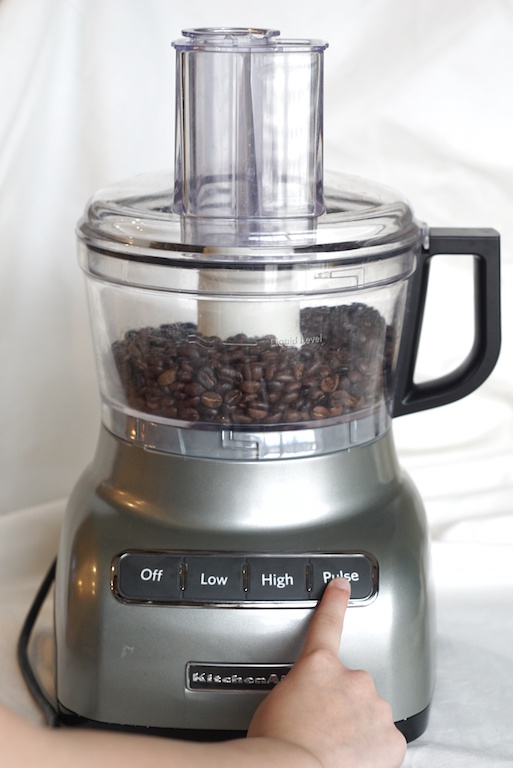
When “Can You Grind Coffee Beans in a Food Processor” Makes Sense
Here is when “Can You Grind Coffee Beans in a Food Processor” makes sense. You do not have a burr grinder. You brew French press, cold brew, or drip, which are more forgiving. You need a quick, one-off solution for guests or travel rentals.
It makes less sense for espresso. Espresso needs a fine, even grind and tight control. A food processor will struggle there and can waste beans.
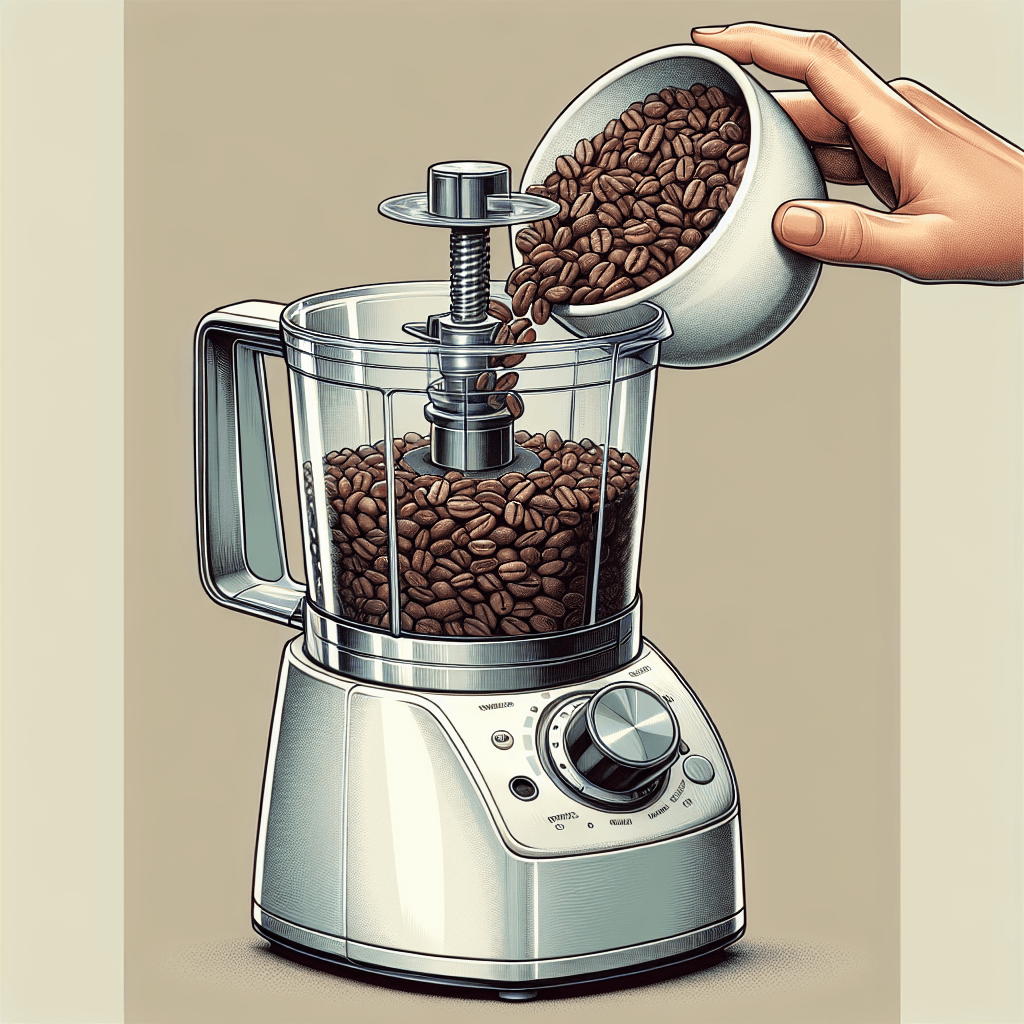
Step-by-Step: The Food Processor Method That Works
Follow this method when you try “Can You Grind Coffee Beans in a Food Processor” at home. It keeps heat down, size tighter, and taste clean.
- Measure beans
- Use 20–60 grams at a time. Small batches grind more evenly.
- Pre-chill, if you can
- A 5–10 minute chill for beans and bowl helps reduce heat and static.
- Pulse in short bursts
- Pulse 1 second on, 1–2 seconds off. Do 8–10 pulses. Shake the bowl gently between pulses.
- Check the grind
- For French press, stop when most bits look like coarse sea salt.
- For drip or pour-over, pulse until it looks like coarse sand.
- For cold brew, stay very coarse to cut fines and bitterness.
- Sift, if possible
- Use a simple mesh sieve to remove the very fine dust. This helps taste and clarity.
- Rest and brew
- Let grounds rest 30–60 seconds so static drops. Then brew right away for the best aroma.
My pro tip: I tilt the processor a few degrees while pulsing. This moves beans into the blade path for a more even cut.

Target Grind by Brew Method
Matching grind to brew is the key to “Can You Grind Coffee Beans in a Food Processor” success. Use look-and-feel cues and adjust your brew time to balance the cup.
Suggested targets:
- French press: Very coarse. Think flaky kosher salt. Steep 4–5 minutes.
- Cold brew: Extra coarse. Big chunks. Steep 12–18 hours in the fridge.
- Drip machine: Medium-coarse. Like beach sand. Brew 4–6 minutes.
- Pour-over (V60, Kalita): Medium to medium-coarse. Aim for a 2.5–3.5 minute total time.
- AeroPress: Medium-fine. Shorter brew time helps offset uneven bits.
If the cup tastes bitter, you likely have too many fines or too long a brew time. If it is thin and sour, grind a bit finer or brew a bit longer.
:max_bytes(150000):strip_icc()/How-to-Grind-Coffee-Without-a-Grinder-3x2-1-cb7169c257894b75a485ff898d34740b.jpg)
Troubleshooting and Tips
Common issues after “Can You Grind Coffee Beans in a Food Processor” include uneven size and heat. Use these fixes to keep flavor smooth and clean.
What to do if:
- Cup is muddy or bitter: Pulse less, sift fines, and brew shorter.
- Cup is weak: Pulse 2–3 more short bursts, or brew longer.
- Filter clogs: Sift fines and use a thicker paper filter.
- Grounds get warm: Take longer rests between pulses. Chill beans first.
- Static mess: Rest grounds 60 seconds, then tap the bowl before opening.
From my tests, the biggest upgrade is sifting. Even a basic strainer can improve clarity and reduce sludge.

Cleaning, Care, and Odor Control
Cleaning matters if you plan to repeat “Can You Grind Coffee Beans in a Food Processor” often. Coffee oils cling to plastic and can go rancid. Spices and garlic can also taint your beans.
Do this right after grinding:
- Brush out grounds with a soft pastry brush.
- Wash the bowl, lid, and blade with warm soapy water.
- Rinse well, then dry fully. Leave it open to air-dry.
- For odors, pulse a handful of dry rice, then wipe clean.
If you cook with strong spices, consider a second bowl set for coffee only. This keeps flavors pure.
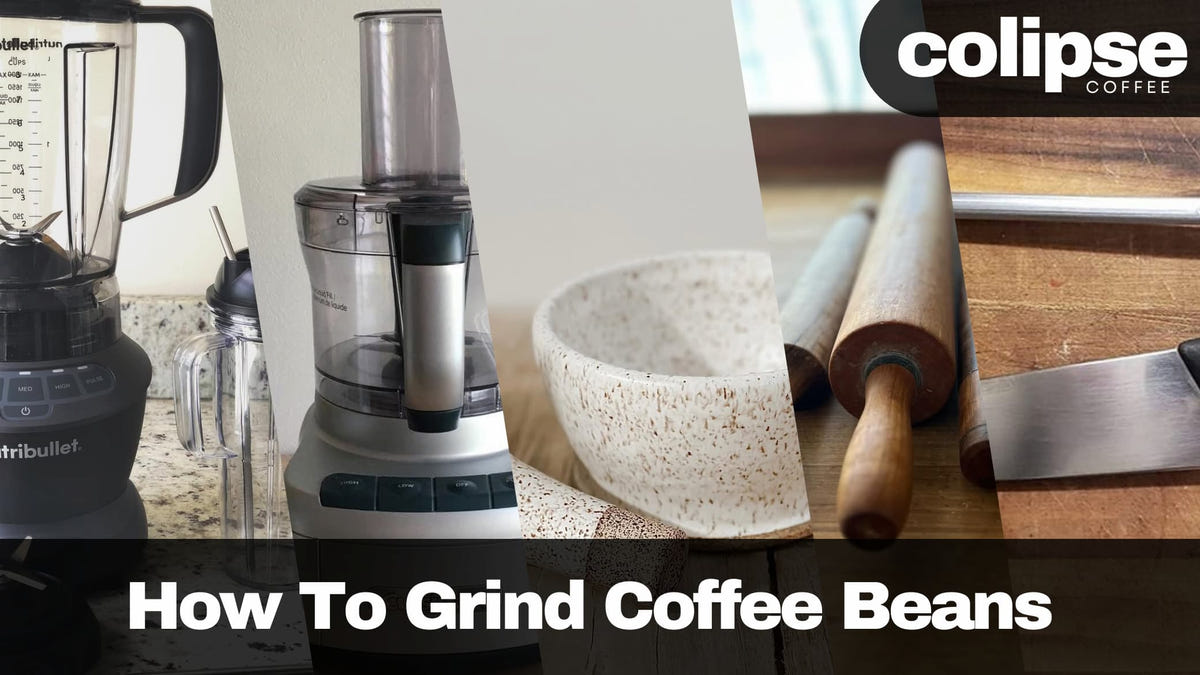
Alternatives and Comparisons
If “Can You Grind Coffee Beans in a Food Processor” is not ideal, try these tools. Some options cost less than you think and give better control.
Better for even grind:
- Burr grinder: Best for consistent size and flavor. Manual burr grinders are budget-friendly and great for travel.
- High-end spice grinder with burrs: Small but effective for single cups.
Okay in a pinch:
- Blade coffee grinder: Similar to a processor but with a smaller chamber. Pulse and shake for the best results.
- Mortar and pestle: Slow but good for small amounts. You can get a coarse grind for press or cold brew.
Avoid crushing beans in a blender on high for long runs. It heats fast and makes many fines. If you must use a blender, pulse in short bursts and rest often.
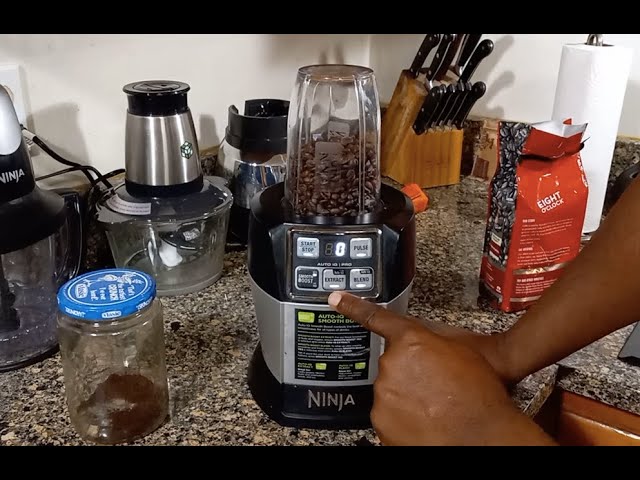
Safety, Heat, and Flavor
Quality tips for “Can You Grind Coffee Beans in a Food Processor” users. Heat is your main risk. Long runs raise the bowl temperature and mute aroma. Short pulses reduce heat and help control particle size.
From coffee science and industry training, even size is key for balanced extraction. Burr grinders give the tightest spread. But you can still brew a sweet, clean cup from a processor if you manage heat, sift fines, and pick forgiving brew methods.
Frequently Asked Questions of Can You Grind Coffee Beans in a Food Processor
Can you grind coffee beans in a food processor?
Yes, you can grind coffee beans in a food processor. Use short pulses, small batches, and sift fines for better flavor.
Will this method work for espresso?
It is not ideal for espresso. You need a very fine, even grind that a processor cannot provide.
Does grinding in a processor overheat the beans?
It can if you run it too long. Use short pulses with rests and pre-chill beans to reduce heat.
How much coffee should I process at once?
Use 20–60 grams at a time. Smaller loads improve control and evenness.
How do I clean out coffee smells from the bowl?
Wash with warm soapy water, rinse, and dry well. For stubborn odors, pulse dry rice, then wipe clean.
Conclusion
You now know the full story behind Can You Grind Coffee Beans in a Food Processor. It can work, and with short pulses, small loads, and a quick sift, you can brew a tasty cup for French press, cold brew, or drip. It is not perfect for espresso, but it shines when you need a fast, workable grind.
Give it a try this week and note your taste results. Adjust pulse count, brew time, and sifting to dial in your cup. If you found this helpful, subscribe for more hands-on coffee tips or drop your questions in the comments.