A cordless robotic pool cleaner is a battery-powered bot that scrubs, vacuums, and filters.
If you want a clean pool without cords, tangles, or daily hassle, you are in the right place. I test gear for a living and have used more than one cordless robotic pool cleaner across seasons. In this guide, I break down how they work, what to buy, and how to get the best results, with real tips that save time and money.
What is a cordless robotic pool cleaner?
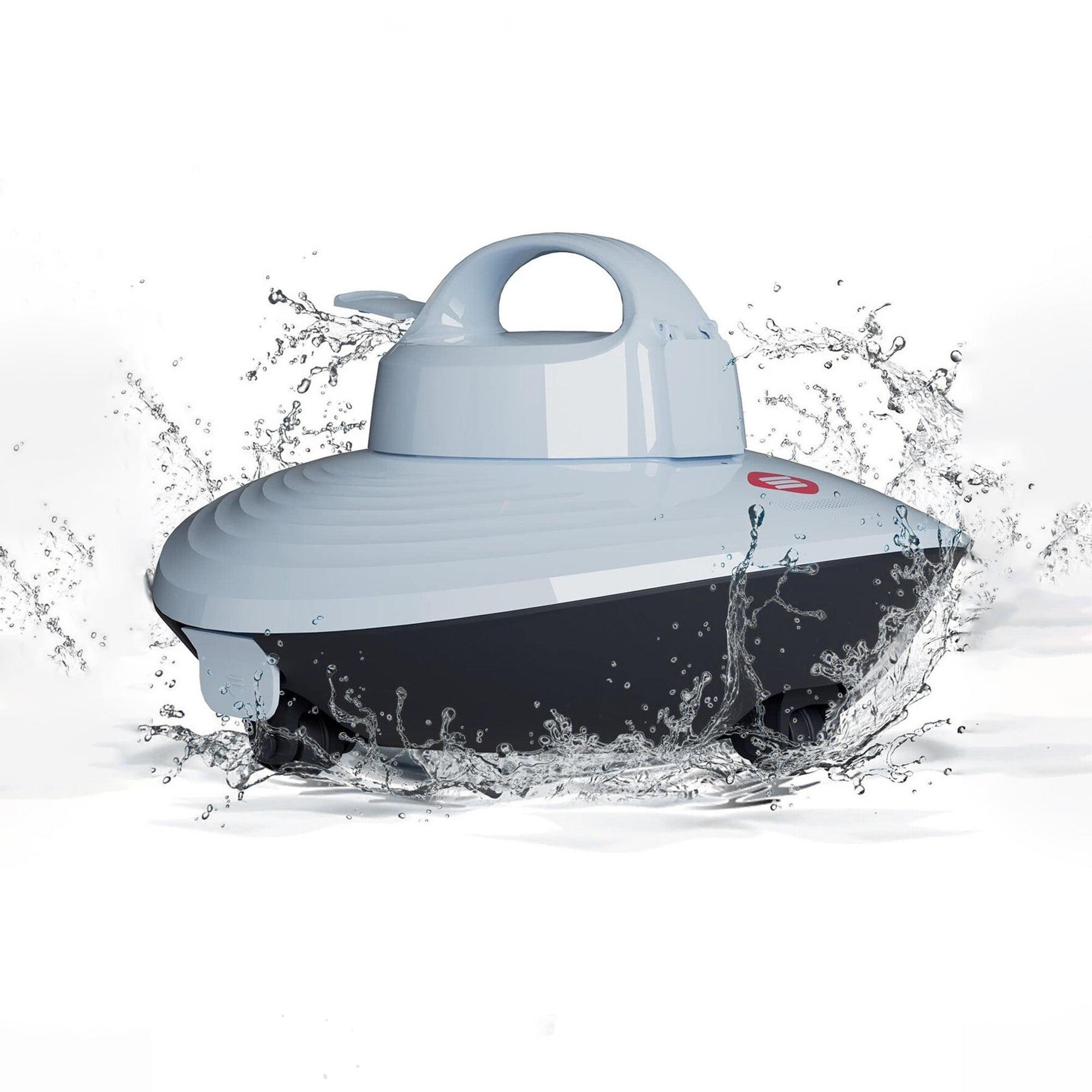
A cordless robotic pool cleaner is a self-contained, battery-powered device. It drives along the floor, climbs walls, and cleans the waterline. It collects debris in an internal filter and returns clean water to the pool.
Inside, you will find a motor, pumps, sensors, and a battery. Many models map the pool to avoid missed spots. Most offer cycles from 60 to 180 minutes.
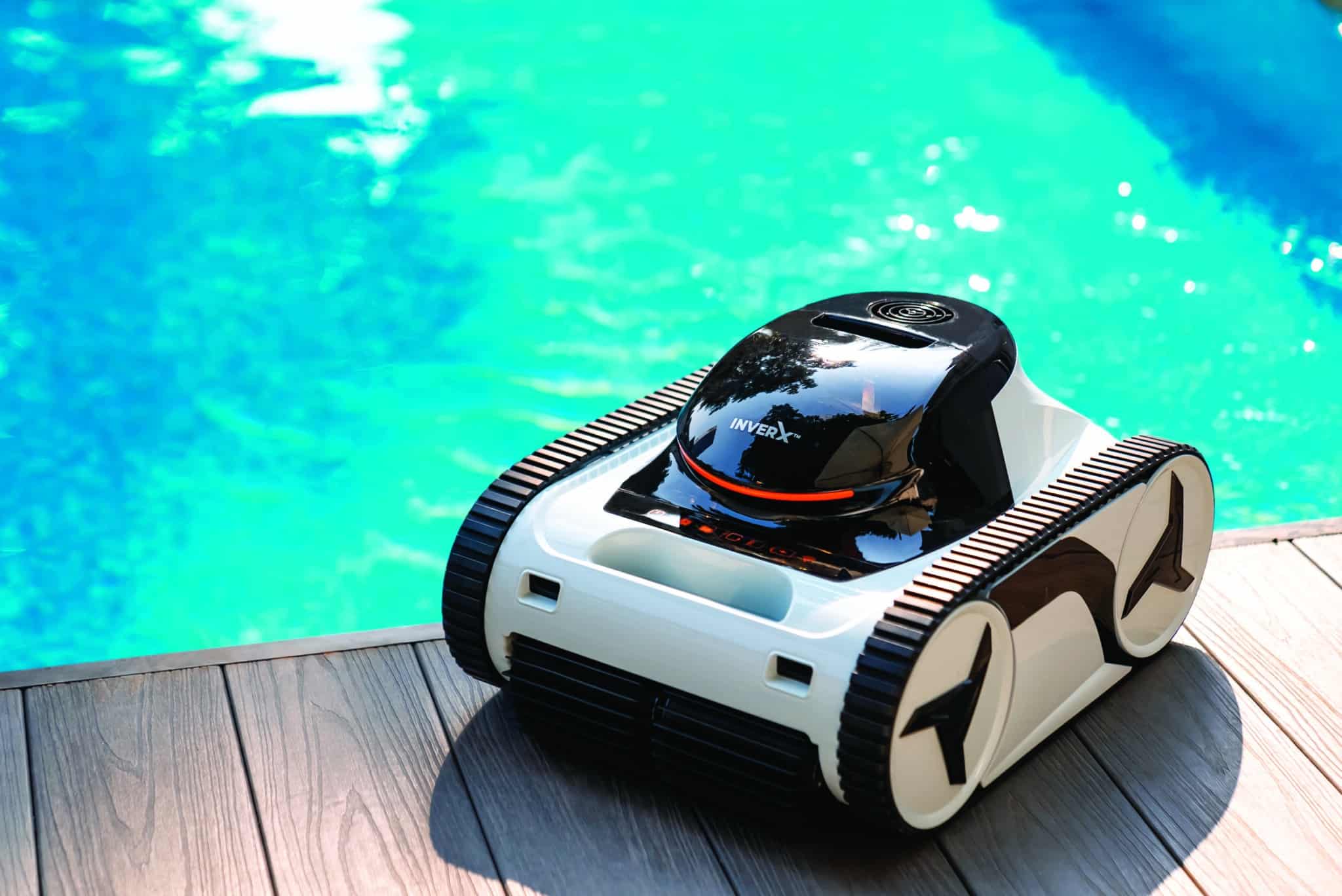
This class of cleaner has no power cord and no booster pump. That means less setup, fewer snags, and safer use for kids and pets. A cordless robotic pool cleaner fits inground and above–ground pools if rated for your size and surface.
Key benefits of going cordless
The main win is freedom. No tether. No external power supply. You drop it in, press go, and swim later.
More benefits include:
- Simple setup. No hose or wall power to manage.
- Fewer tangles. The robot moves better without a floating cord.
- Safer pool deck. No cables near water.
- Strong filtration. Many units trap fine silt and pollen.
- Lower energy use. Typical cycles use only a few cents of power.
- App control. Some let you start cleanings and view logs on your phone.
From my tests, a quality cordless robotic pool cleaner handles daily dust well. It also lifts small leaves and most sand without fuss.
How to choose the best cordless robotic pool cleaner
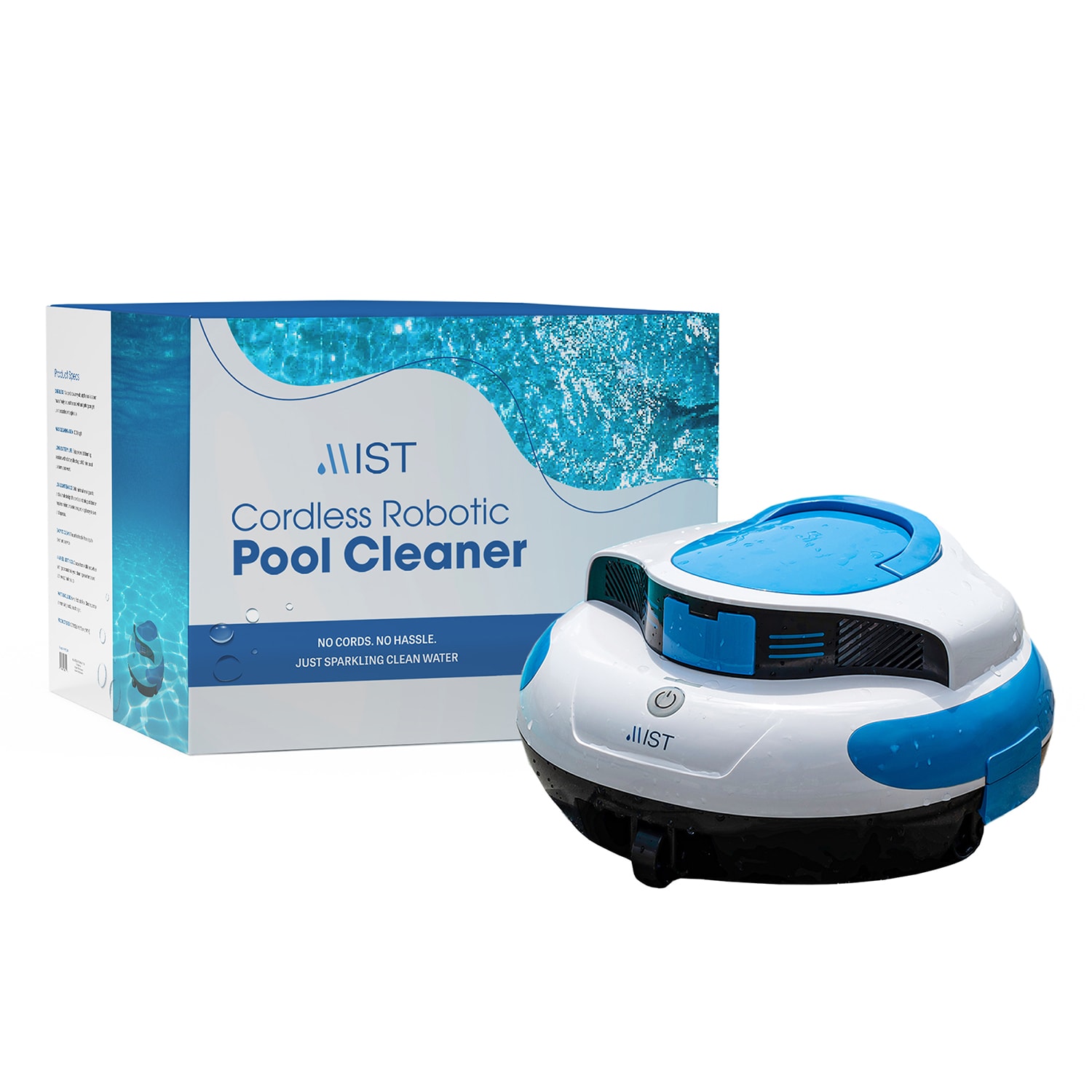
Match the robot to your pool and your routine. Focus on these points:
- Pool size and shape. Check the rated max length and volume.
- Surface type. Get brushes that fit your plaster, vinyl, or fiberglass.
- Battery life and charge time. Look for at least 90–120 minutes per cycle and under 4 hours to recharge.
- Navigation. Smart mapping reduces missed spots and saves time.
- Climbing and waterline. If the waterline shows scum, choose a model that scrubs it.
- Filter options. Fine filters catch silt and pollen better. Coarse filters grab leaves.
- Micron rating. A lower number means finer capture. Many fine filters are 50–70 microns.
- Debris type. Have pine needles or heavy leaves? Pick higher suction and larger baskets.
- App and schedule. Useful if you like set-and-forget cleaning.
- Warranty and service. Two years or more adds peace of mind.
Price ranges vary. A solid cordless robotic pool cleaner often costs $400–$900. Premium units can pass $1,200. If your pool is large or full of trees, spend more for power and runtime.
Setup and daily use
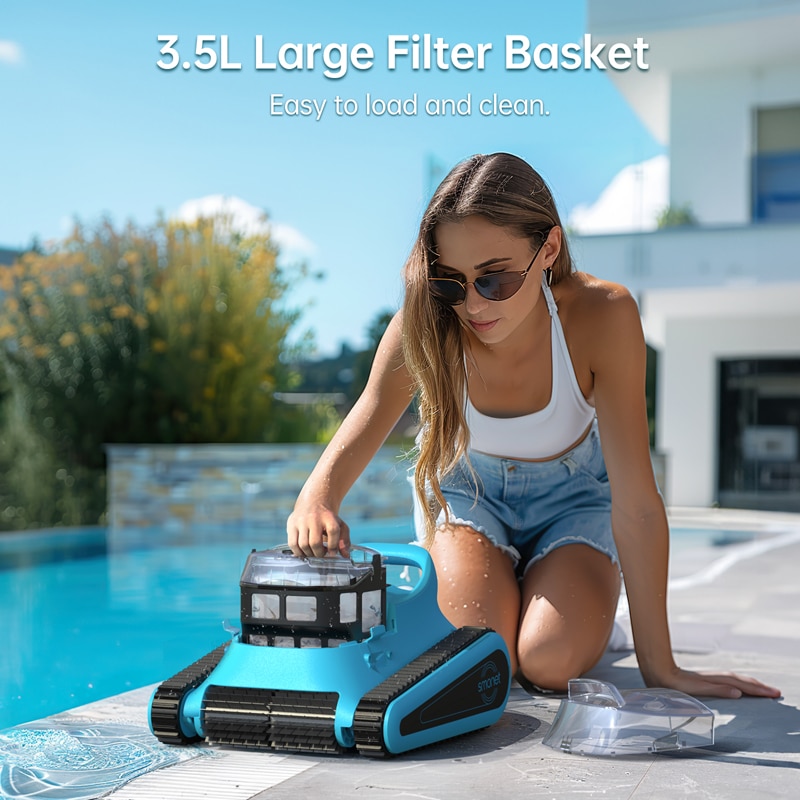
First charge the robot to 100 percent. Snap in the right filter basket for the day. Fine for dust. Coarse for leaves.
Place the cordless robotic pool cleaner into the deep end. Let it sink. Press start. Most models auto-stop when done and float near the wall.
Best practices from my use:
- Run short daily cycles to prevent buildup.
- Start after heavy swim days to catch hair and sunscreen film.
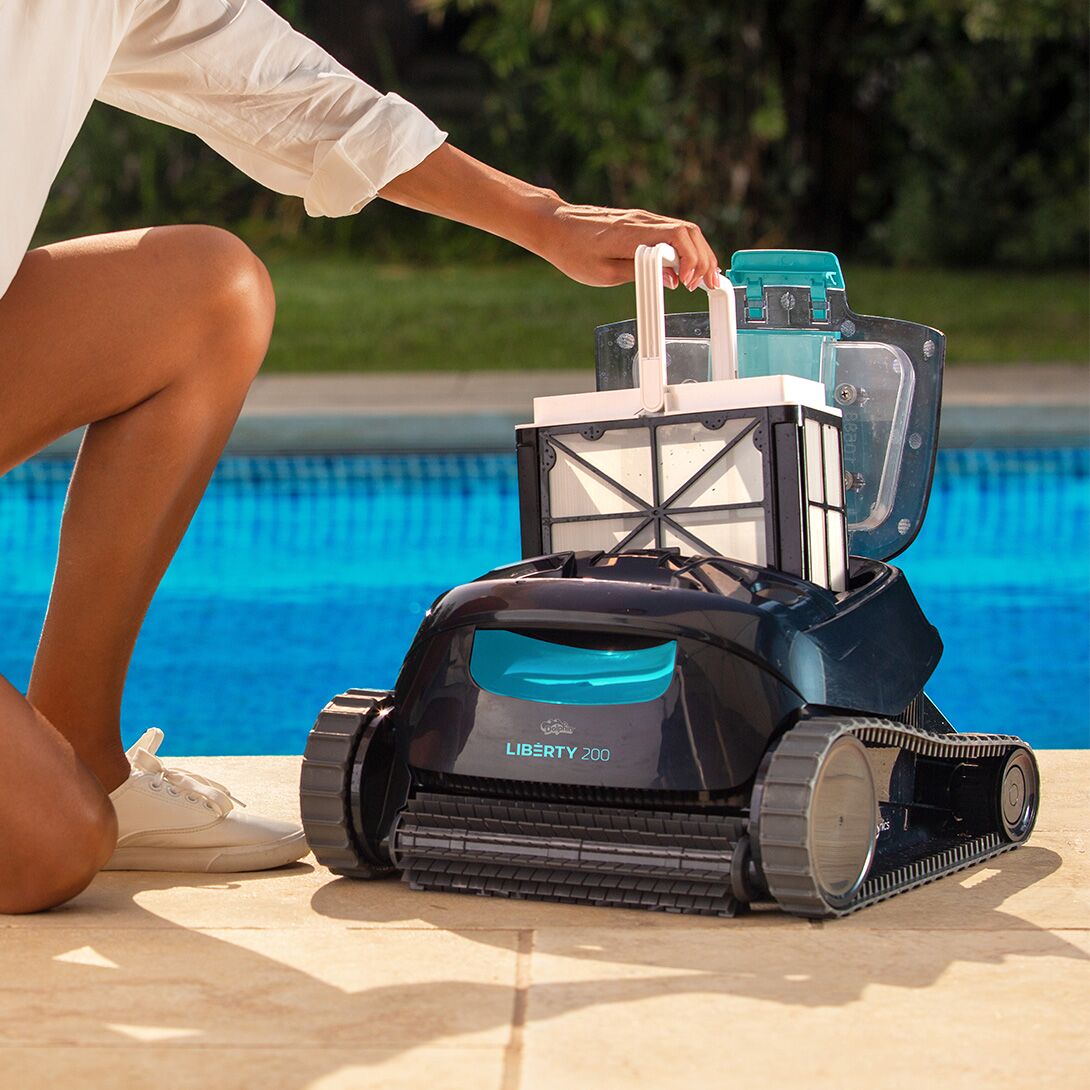
- Rinse the filter after each run to keep flow high.
- Keep the cleaner out of the pool when not in use to protect seals.
Source: seautorobots.com
Cleaning performance: what to expect
A good cordless robotic pool cleaner makes the floor look new. It should also climb walls and scrub the waterline. Expect it to catch sand, bugs, and small leaves with ease.
Limits still exist. Very fine dust can pass through coarse filters. Algae needs a shock and a brush, then a cleanup cycle. Huge leaf drops may need a skimmer net first to avoid clogging.
Tip from field use: Swap to a fine filter after a storm. It grabs silt that clouds the water. Then switch back to a standard basket for daily runs.

Maintenance and care
A little care goes a long way. Clean parts move water better and last longer.
Do this often:
- Rinse filter baskets with a hose after each use.
- Wash fine filters with mild soap as needed.
- Check brushes and tracks for hair or string.
- Inspect seals and clips for wear.
- Update firmware if the app suggests it.
Battery care matters. Do not leave the cordless robotic pool cleaner in full sun on hot decks. Store indoors, dry, and cool. For winter, charge to about 50–80 percent and top up every few weeks.
Troubleshooting common issues
Short runtime
- Filters may be clogged. Clean them to reduce load.
- Batteries age. After many cycles, expect some run time drop.
Poor climbing or missed waterline
- Brushes may be worn or slimy. Clean or replace.
- Low water level can stop climbing. Top off the pool.
Not charging
- Check the contacts for scale. Wipe clean and dry.
- Try a new outlet. If still bad, contact support.
Stuck on drains
- Many robots have anti-drain logic. If not, use a drain cover with a dome.
Source: thepoolsupplywarehouse.com
Cost of ownership and ROI
A cordless robotic pool cleaner saves time and reduces manual work. It can also cut pump run hours since the robot stirs and filters water.
Typical costs:
- Purchase: about $400 to $1,500.
- Energy: about 0.1–0.3 kWh per cycle. At $0.20 per kWh, that is 2–6 cents.
- Parts: filters and brushes as needed each season.
Savings show up in fewer service calls and less backwashing. Cleaner water also makes chemicals work better. I have seen steadier chlorine use and clearer mornings after nightly runs.

Safety and environmental notes
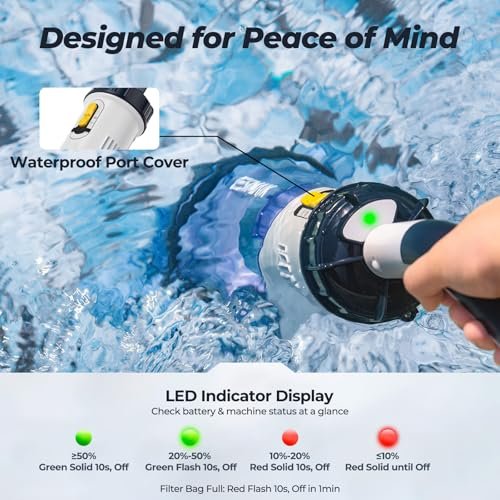
Modern lithium-ion packs are sealed and built for wet use. Still, treat them with care. Keep charge ports dry before docking. Do not charge in rain.
A cordless robotic pool cleaner uses little power compared to pressure-side cleaners. It can lower water waste since there is no hose purge or booster line. Many units operate at low voltage, which adds a layer of safety near water.
Real-world lessons from testing
In my 15 by 30 foot pool, daily 90-minute runs worked best. The basket stayed easy to clean. The floor looked fresh every morning.
Three lessons stand out:
- Use the right filter for the day. Fine for dust. Standard for leaves. This one swap doubled pick-up success for me.
- Brush the steps by hand once a week. Most robots still struggle on tight step edges.
- Rinse after each run. A clean filter makes a cordless robotic pool cleaner feel brand new.
If you have lots of oak leaves, choose a larger basket and strong suction. If you fight pollen or silt, pick a model with fine micron filters and steady wall climbing.
Frequently Asked Questions of cordless robotic pool cleaner
How long does a cordless robotic pool cleaner run on one charge?
Most run 60 to 180 minutes based on power mode and pool size. Expect less run time as the battery ages.
Can a cordless robotic pool cleaner climb walls and clean the waterline?
Many can, but not all. Check the specs for wall and waterline support and look for strong brushes.
Will it replace manual brushing?
It reduces brushing but does not erase it. Brush corners, steps, and stubborn algae by hand as needed.
Is a cordless robotic pool cleaner safe to leave in the pool?
It is safe during a cycle, but remove it after. This protects seals, extends battery life, and keeps the charge port dry.
What debris size can the filters catch?
Standard baskets grab leaves and sand. Fine filters can catch smaller dust and pollen, often down to about 50–70 microns.
How often should I clean the filter basket?
Rinse after every cycle, especially after storms or heavy use. A clean filter improves suction and battery life.
Can it work in saltwater or chlorinated pools?
Yes, most units handle both. Rinse the cleaner with fresh water after use to limit corrosion.
What pool surfaces are supported?
Most models fit plaster, vinyl, and fiberglass. Use brushes that match your surface to avoid wear or slips.
Conclusion
A cordless robotic pool cleaner turns daily pool care into a press-and-go task. It saves time, uses little energy, and keeps the floor, walls, and waterline in great shape. Match the robot to your pool, keep the filters clean, and let it run often for the clearest water.
Ready to enjoy more swim time and less chore time? Pick the right cordless robotic pool cleaner, set a schedule, and watch your pool sparkle. Want more tips and tested picks? Subscribe for updates or drop your questions in the comments.