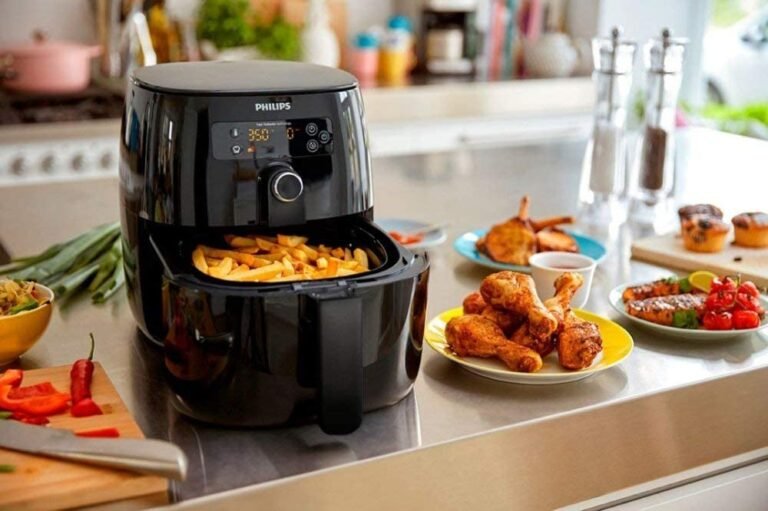
Some air fryers use PFAS-based nonstick; others are PFAS-free by design.
If you’ve wondered, Do Air Fryers Have Forever Chemicals?, you’re not alone. I test kitchen gear for a living, and I’ve talked with brands, read the fine print, and cooked hundreds of batches of fries and salmon. This guide breaks down what “forever chemicals” are, where they may show up in an air fryer, how real the risk is, and how to choose a safer model without losing crisp, golden results. Read on for clear steps, pro tips, and what actually matters for your health and home.

What Are “Forever Chemicals” and Why They’re Linked to Air Fryers
“Forever chemicals” are PFAS, a large group of fluorinated compounds used to repel grease, water, and stains. They persist in the environment and can build up in people and wildlife. Some have been tied to health concerns in observational and lab studies.
Not all PFAS act the same. Small, mobile PFAS can move through water and the body. Fluoropolymers like PTFE (the classic nonstick polymer) are big, stable molecules. They are often included when people ask, Do Air Fryers Have Forever Chemicals?, because PTFE is a PFAS under broad definitions.
PTFE is very slick and common on nonstick cookware and many air fryer baskets. It is stable at normal cooking temperatures but can degrade at very high heat. That is why using and cleaning nonstick the right way matters.
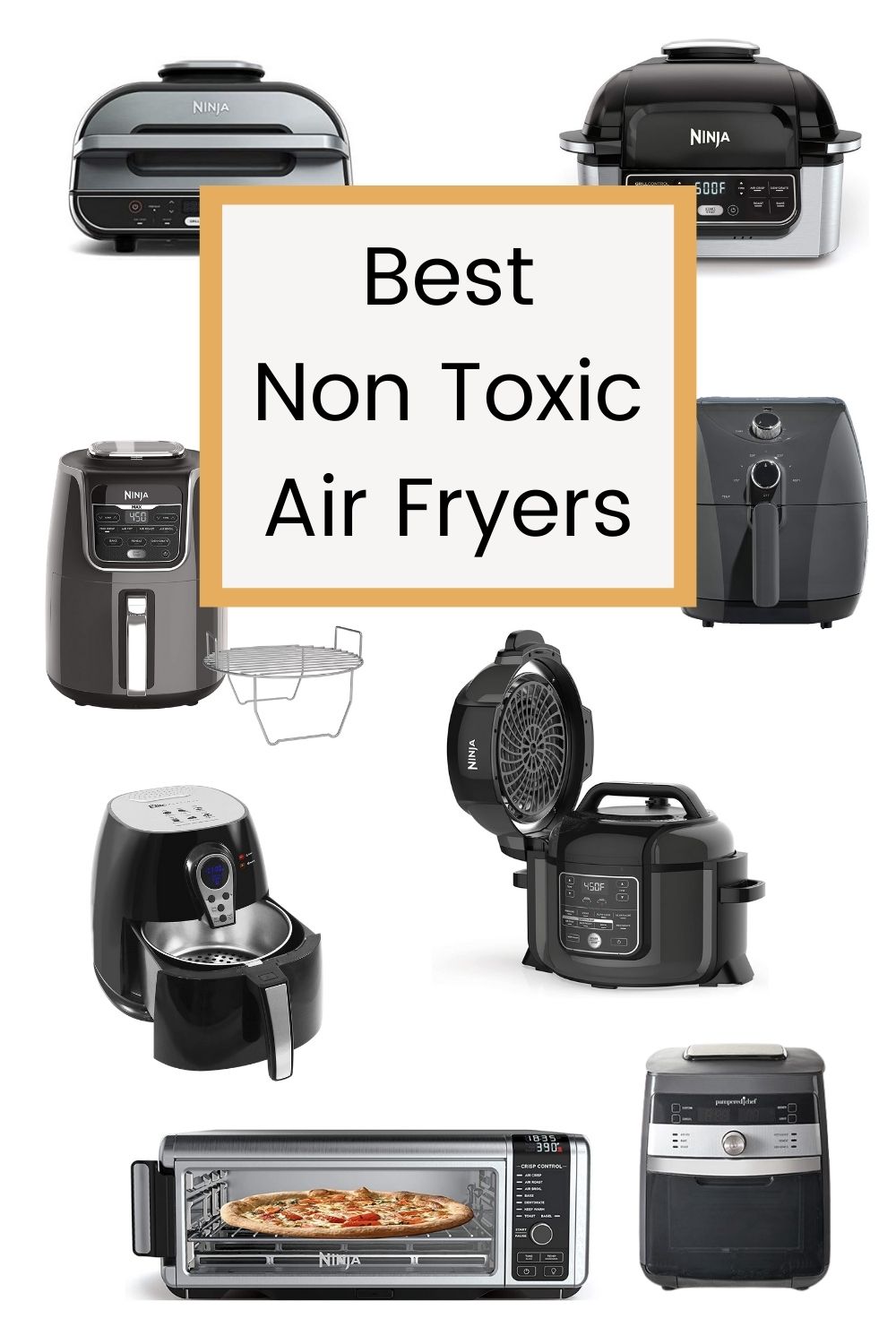
Where PFAS Can Appear In an Air Fryer
It helps to map out the hotspots before we answer, Do Air Fryers Have Forever Chemicals? Broadly, PFAS may show up in:
- Basket and crisper plate Many baskets use PTFE-based nonstick. Others use ceramic coatings or uncoated stainless steel.
- Accessories Trays, racks, and pizza plates can be coated.
- Silicone gaskets and wiring High-heat parts sometimes use fluoropolymers for durability. These are not in contact with food.
- Liners and parchment Some grease-resistant papers use PFAS; many PFAS-free options also exist.
- Packaging and labels Grease-proof cardboard coatings can contain PFAS.
- Cleaning sprays Aerosol cooking sprays can damage nonstick and speed up wear. They do not add PFAS, but they raise the risk of flaking.
Do Air Fryers Have Forever Chemicals? Risk Analysis and What Current Evidence Says
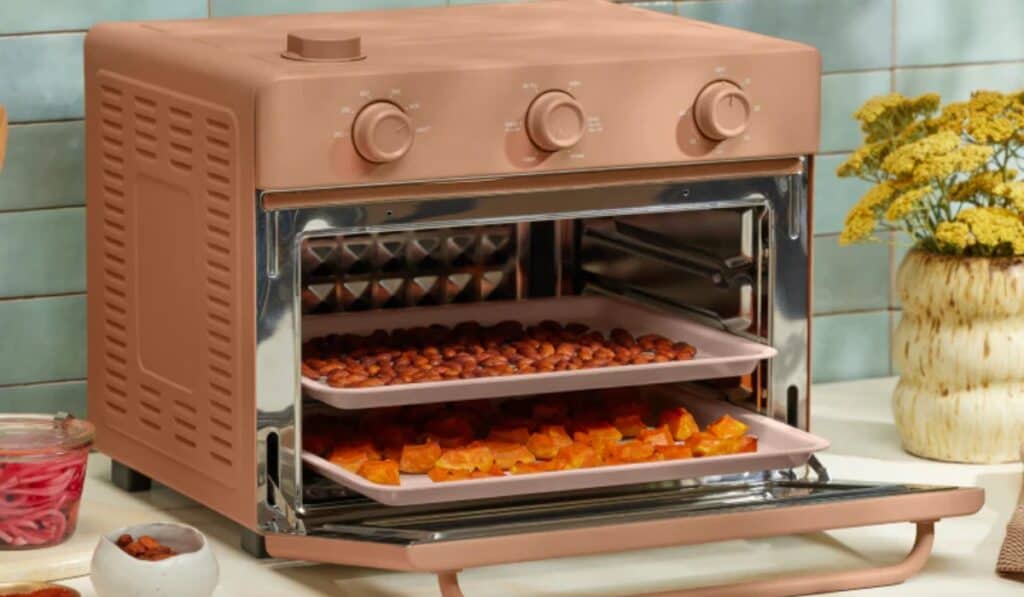
Short answer: some air fryers do, and some do not. Many baskets are coated with PTFE nonstick. Others are ceramic-coated or stainless and avoid PFAS. So, Do Air Fryers Have Forever Chemicals? depends on your specific model and its accessories.
What current evidence suggests:
- Under normal use PTFE is stable below about 500°F/260°C. Most air fryers top out at 400°F/204°C, though hotspots can run higher.
- Migration into food At typical settings, transfer from intact PTFE appears very low based on food-contact testing norms.
- Overheating or damage Problems rise when nonstick is overheated, scratched, or abraded. High heat can generate fumes; flaking is a sign to replace parts.
- Biggest PFAS exposures For most people, drinking water, food packaging, and dust dominate PFAS exposure, not cookware. Still, some choose to avoid PFAS in the kitchen for peace of mind.
My bottom line as a tester: if you want to avoid PFAS entirely, choose ceramic-coated or stainless steel air fryers and liners marked PFAS-free. If you own a PTFE unit, keep temps reasonable, ventilate, and replace parts when worn.
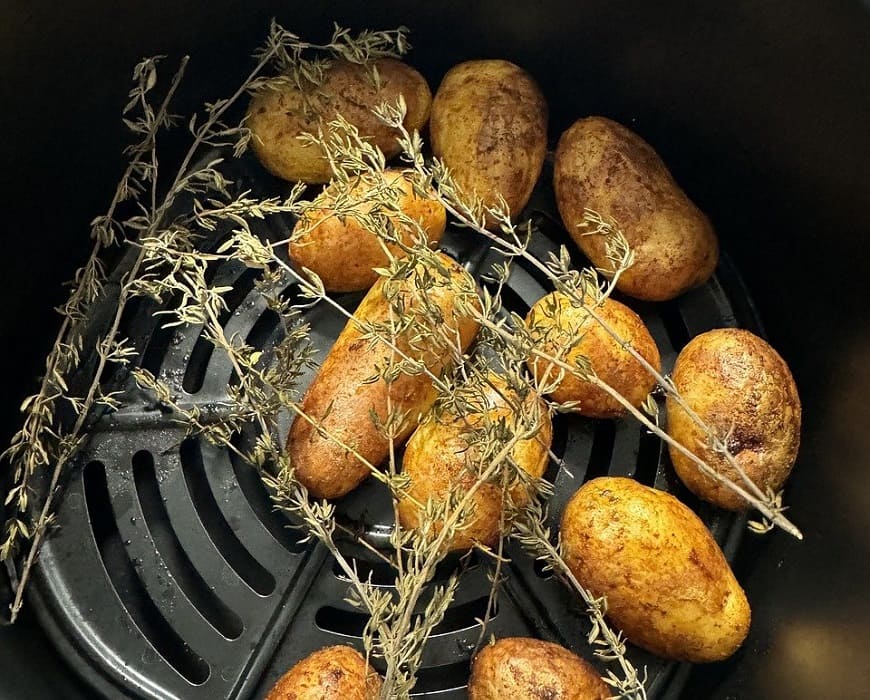
How To Tell If Your Air Fryer Is PFAS-Free
If you’re asking, Do Air Fryers Have Forever Chemicals?, start by checking these:
- Read the spec sheet Look for “PTFE,” “Teflon,” “fluoropolymer,” or “ceramic.” “PFOA-free” is not the same as “PFAS-free.”
- Ask the brand Support teams can confirm if baskets and trays are PTFE-free and whether any fluoropolymers are used in food-contact areas.
- Scan the manual Safety and materials notes often reveal the coating type.
- Look for clear claims “PFAS-free,” “PTFE-free,” and “ceramic nonstick” are good signs. Vague “health-safe coating” tells you little.
- Verify accessories Many “oven-style” air fryers have stainless racks but a nonstick crumb tray. Check every surface that touches food.
- Third-party testing Some brands run total fluorine or organic fluorine tests for food-contact parts. If available, ask for a summary.
Helpful email script:
“Hi, I’m considering Model X. Are the basket and any food-contact accessories free of PFAS, including PTFE and other fluoropolymers? If coated, what is the exact coating chemistry? Do you have test data confirming no detectable organic fluorine on food-contact parts?”

Safer Materials and Coatings Compared
You can still get great crisping without worry. Here’s how common options stack up when you’re weighing Do Air Fryers Have Forever Chemicals?
- PTFE nonstick Very slick and easy to clean. Contains a fluoropolymer (a PFAS). Keep below 500°F, avoid metal tools, replace if peeling.
- Ceramic-coated nonstick PFAS-free. Good release, though not as slippery as PTFE. Avoid abrasive pads and thermal shocks.
- Stainless steel PFAS-free. Ultra-durable and dishwasher-safe. Needs a light oil preheat for best nonstick performance.
- Enameled steel or cast parts PFAS-free. Even browning, but watch for enamel chipping if dropped.
- PFAS-free parchment or silicone mats Catch drips, protect baskets, and improve cleanup.

Care, Use, and Cleaning Tips To Reduce Exposure
You can dial down risk and extend the life of your gear, whether or not your unit factors into the question, Do Air Fryers Have Forever Chemicals?
- Cook smart Preheat briefly. Use 350–390°F for most foods. Reserve 400°F for quick crisping.
- Ventilate Place the unit under a hood or near a window.
- Skip aerosol sprays They damage nonstick. Use a refillable oil mister instead.
- Gentle tools Use wood, silicone, or nylon. No metal tongs on coatings.
- Line wisely Choose PFAS-free parchment or a silicone mat when cooking greasy foods.
- Clean soft Hand-wash with a soft sponge. Avoid scouring powders.
- Inspect often If a coating is bubbling, flaking, or deeply scratched, replace the basket or plate.

What I’ve Learned Testing Air Fryers In Real Kitchens
I’ve tested basket-style and oven-style air fryers in home kitchens and labs. When a reader asks, Do Air Fryers Have Forever Chemicals?, I now start with materials, not marketing. I’ve found “PFOA-free” PTFE baskets, fully ceramic baskets, and stainless racks with one PFAS-coated tray tucked in the box.
A few lessons:
- Ceramic baskets work great for veggies and fish but need a light oil mist for eggs or cheese.
- Stainless racks brown wings like a broiler. Preheat with a tsp of oil to reduce sticking.
- A PFAS-free parchment square saves cleanup and protects surfaces.
- When I contacted brands, the fastest helpful answers came when I asked directly about PTFE and total organic fluorine testing.
Environmental and Disposal Notes
PFAS last a long time in the environment. Choosing well-made, PFAS-free designs helps lower demand. If you own a PTFE-coated basket, keep it out of extreme heat and retire it when damaged.
- Replace parts, not the whole unit Many brands sell baskets or plates separately.
- Recycle electronics Responsibly drop off old units at e-waste centers.
- Avoid burning Never incinerate coated cookware or accessories.
Frequently Asked Questions of Do Air Fryers Have Forever Chemicals?
Do air fryers have forever chemicals?
Some do. Many baskets use PTFE nonstick, which falls under PFAS, while others use ceramic or stainless steel parts that avoid PFAS.
Are ceramic air fryer baskets PFAS-free?
Yes, ceramic-coated baskets are typically PFAS-free. They rely on a sol-gel ceramic system rather than fluoropolymers like PTFE.
Is PFOA-free the same as PFAS-free?
No. PFOA is just one PFAS. A product can be PFOA-free and still use PTFE or other PFAS-based materials.
Can PFAS from an air fryer get into my food?
With intact PTFE and normal temperatures, migration appears very low. Risk rises if coating is overheated, damaged, or flaking.
What temperature is too hot for PTFE coatings?
PTFE starts to degrade around 500°F/260°C, with faster breakdown at higher heat. Keep air fryer temps moderate and avoid empty preheating.
Are stainless steel air fryers safer?
Stainless steel racks and baskets are PFAS-free and very durable. You may need a light oil preheat to reduce sticking.
Do air fryer paper liners have PFAS?
Some grease-resistant papers do. Look for liners labeled PFAS-free or use food-grade silicone mats instead.
Conclusion
Do Air Fryers Have Forever Chemicals? Sometimes, yes—but it’s easy to choose better. If you want to avoid PFAS, pick ceramic-coated or stainless designs, confirm materials with the brand, and use PFAS-free liners. If you already own a PTFE model, keep temps modest, avoid aerosol sprays, ventilate, and replace worn parts.
Your next step: check your model’s materials today, send one quick email to the brand if needed, and cook your next batch with confidence. If this guide helped, subscribe for more practical kitchen testing tips or drop a comment with your model and questions.