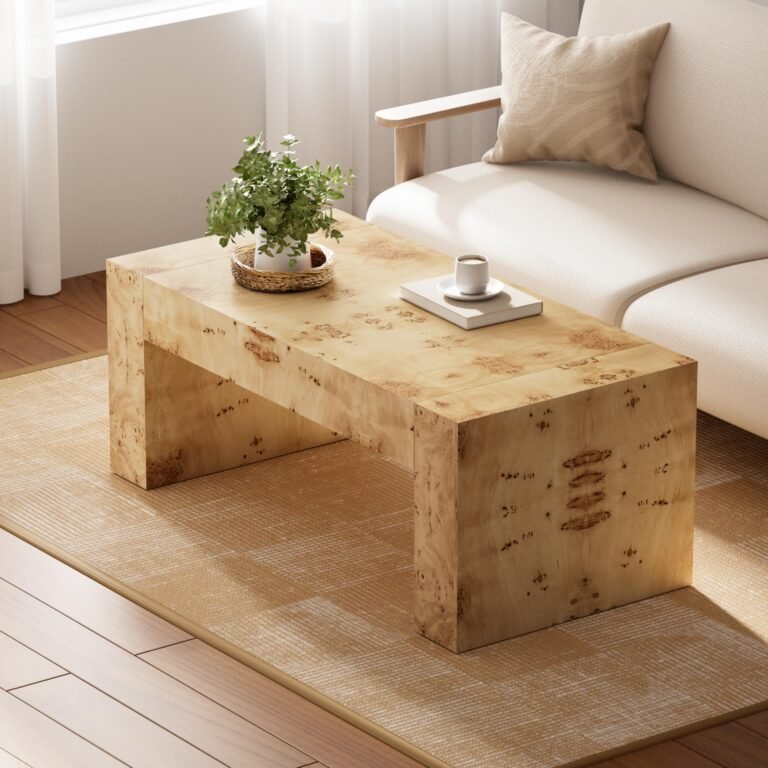
Choosing the right coffee table size is crucial for both aesthetics and functionality in your living space. To choose a coffee table size, ensure its length is two-thirds of your sofa's, and its height matches or is an inch lower than the sofa seat. As someone who's spent years helping folks transform their homes, I can tell you that selecting the perfect coffee table isn't just about picking something pretty; it's about understanding the delicate balance of proportion, flow, and purpose. Dive in with me as we explore all the nuanced considerations for how to choose a coffee table size that truly elevates your living room.
Understanding the Importance of Coffee Table Size
The coffee table is often the unsung hero of the living room, a central anchor that ties your seating arrangement together. But its impact goes far beyond just holding your remote or morning coffee. The correct coffee table size ensures comfortable movement, visual balance, and optimal functionality within your space. Get it wrong, and you risk a room that feels cramped, unbalanced, or simply uncomfortable, no matter how beautiful the individual pieces are. It’s all about creating harmony and making your living room a truly inviting space.
Key Measurements to Consider
When you're trying to figure out how to choose a coffee table size, a few critical measurements will guide you. These aren't just arbitrary numbers; they are derived from design principles that promote comfort and visual appeal. Paying attention to these ensures your coffee table integrates seamlessly with your existing furniture.
Length: The Two-Thirds Rule
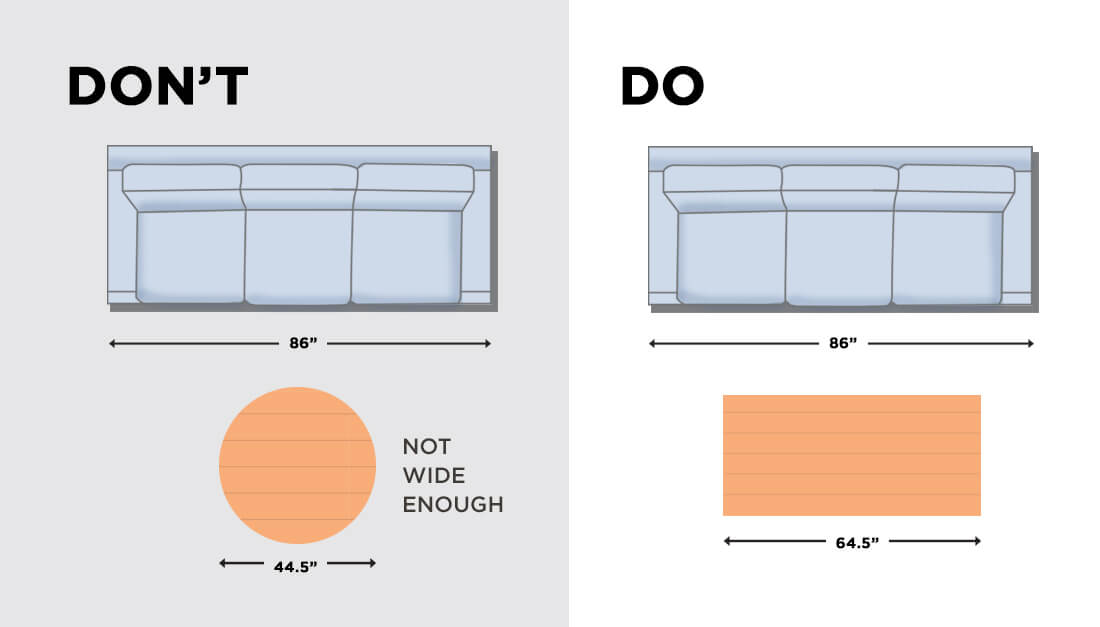
A golden rule for choosing a coffee table size is to select one that is approximately two-thirds the length of your main sofa. For instance, if you have a 90-inch sofa, look for a coffee table around 60 inches long. This proportion creates a visually pleasing balance, making the coffee table accessible to most people seated on the sofa without overwhelming the space or looking too small. It provides ample surface area without making your sofa feel dwarfed or leaving too much unused space.
Height: Sofa Seat Alignment
Comfort is key, and the height of your coffee table plays a huge role in this. Ideally, your coffee table should be the same height as your sofa's seat cushion, or perhaps one to two inches lower. This allows you to comfortably reach for drinks, snacks, or books without stretching or bending awkwardly. A coffee table that's too high can block views or feel like a barrier, while one that's too low might be inconvenient to use. Most sofas have a seat height between 17 and 19 inches, so a coffee table in this range is usually a safe bet.
Distance: Walkways and Flow
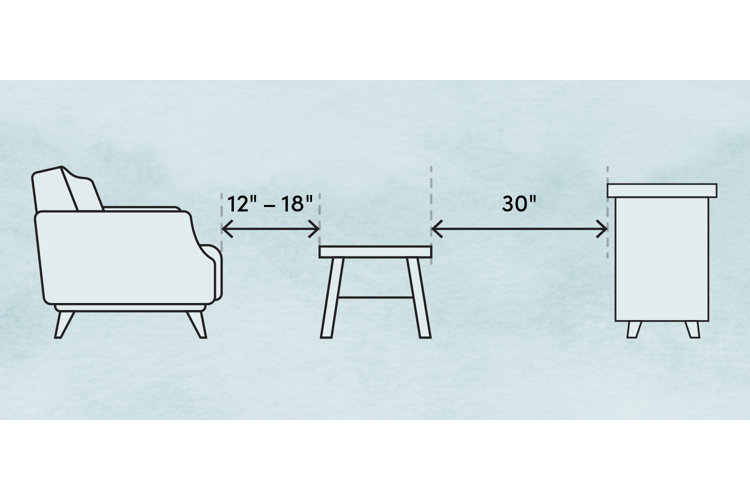
The spacing around your coffee table is just as important as its own dimensions. You'll want to leave about 18 inches of clearance between the edge of your coffee table and the front of your sofa. This gap is ideal for comfortably extending your legs and allows for easy movement in and out of your seating area. For other surrounding furniture, like accent chairs, aim for at least 12-24 inches of clearance to maintain a clear traffic path. This ensures a functional layout, preventing your living room from feeling cluttered or difficult to navigate.
Shape: Beyond Rectangles
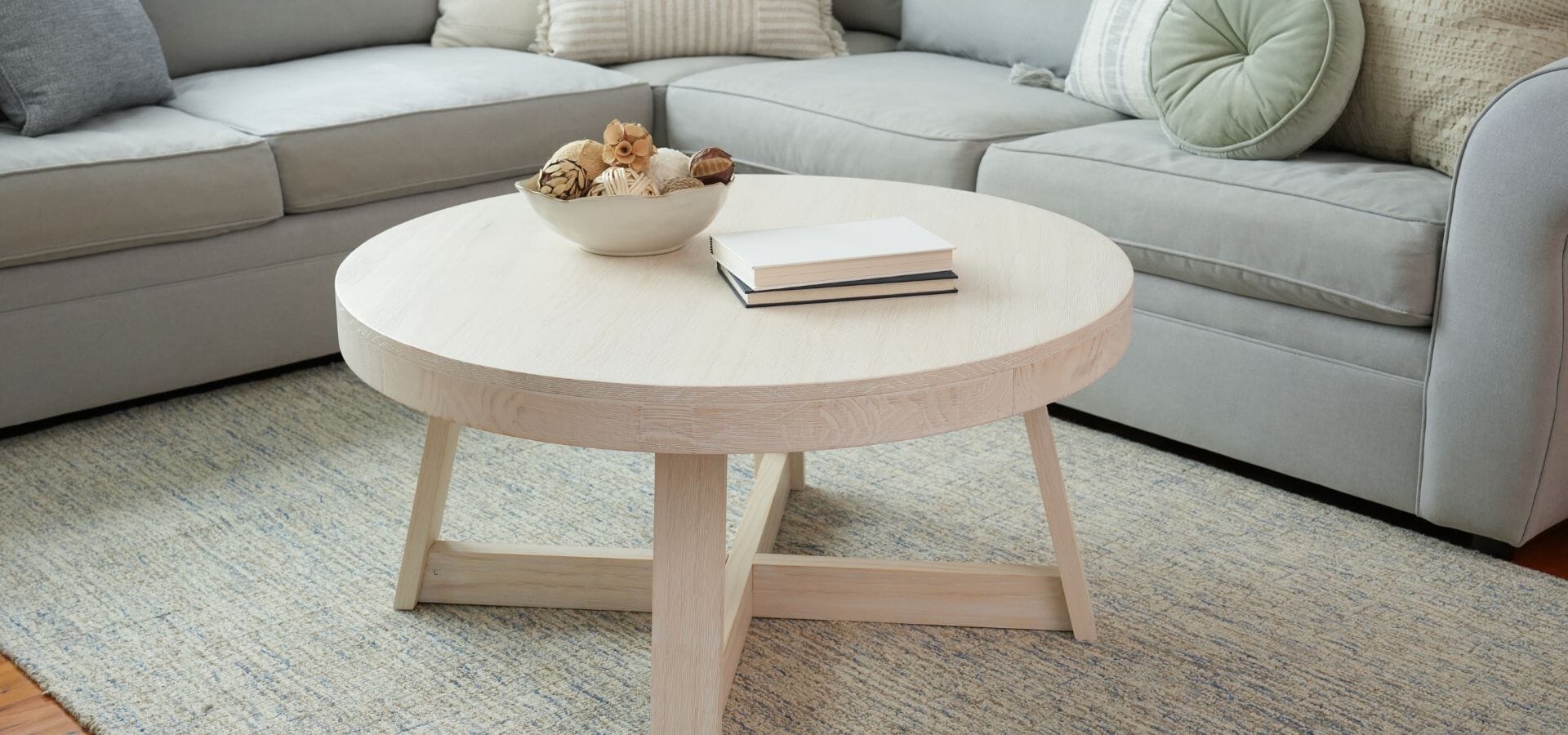
While rectangular coffee tables are common, don't limit yourself! The shape of your coffee table can significantly impact the room's flow and feel. Round or oval coffee tables are fantastic for smaller spaces or homes with kids, as they eliminate sharp corners, making movement safer and easier. Square tables work well with sectionals or large square seating arrangements, mirroring their proportions. Consider how the shape interacts with your existing furniture and the overall geometry of the room when you choose a coffee table size.
Assessing Your Living Room Layout
Your living room’s overall layout is a critical factor when determining how to choose a coffee table size. It's not just about the sofa; it's about the entire ecosystem of your space. Thinking about how everything fits together will guide you toward the perfect choice.
The Sofa and Seating Arrangement
The primary determinant for your coffee table size will almost always be your main sofa or sectional. As mentioned, the two-thirds rule for length is a great starting point. If you have a large sectional, a larger square coffee table can effectively fill the central space and serve multiple seating spots. For two sofas facing each other, a longer rectangular table might be more appropriate. Always visualize the coffee table in relation to all the seating, not just one piece.
Room Dimensions and Proportions
A large, open-concept living room can handle a bigger, more substantial coffee table, while a smaller room demands a more compact solution. Placing an oversized coffee table in a small room will make it feel cramped and out of proportion. Conversely, a tiny coffee table in a vast space can look lost and insignificant. Consider the overall volume of your room and ensure your chosen coffee table size complements its scale without overwhelming or underperforming.
Traffic Flow and Walkways
This is where personal experience really comes into play. I once helped a client pick a stunning, oversized coffee table that looked great on paper, but in their actual living room, it choked the main walkway. We quickly learned that even a beautiful piece can be a bad fit if it obstructs movement. Ensure you have clear, comfortable paths around all sides of your coffee table, especially if it's in a high-traffic area. The goal is easy circulation, not an obstacle course.
- How much space should be between a coffee table and the TV stand?
- Aim for at least 2 to 3 feet of clear space between your coffee table and the TV stand or media console. This distance ensures a comfortable viewing experience and allows for easy passage without feeling cramped.

Source: tsarcarpets.com
- Aim for at least 2 to 3 feet of clear space between your coffee table and the TV stand or media console. This distance ensures a comfortable viewing experience and allows for easy passage without feeling cramped.
Functionality: What Will You Use It For?
Beyond aesthetics, the practical use of your coffee table significantly influences how to choose a coffee table size and style. It's not just a decorative element; it's a workhorse.
-
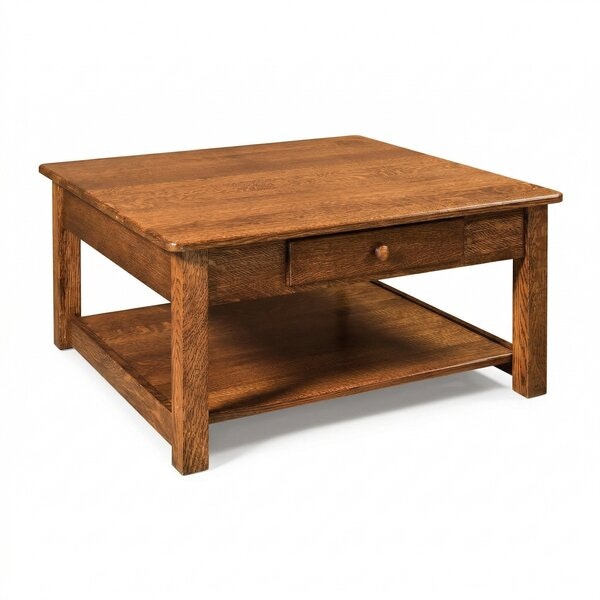
Storage Needs: Do you need a place to stash remotes, magazines, or extra blankets? A coffee table with built-in drawers, shelves, or a lift-top offers valuable storage, allowing you to maintain a tidy living space.
-
Serving Drinks/Snacks: If your coffee table will frequently host beverages and appetizers during gatherings, you'll need a surface area that's large enough to accommodate trays and glasses without feeling cluttered. Durability and ease of cleaning become important considerations here too.
-
Displaying Decor: Some coffee tables are primarily for showcasing decorative items, books, or art. In this case, you might prioritize a larger, flatter surface to give your decor room to breathe and be admired.
-
Child-Friendliness: For families with young children, a coffee table with rounded edges or a softer material like an ottoman can be a safer choice. Also, consider a coffee table size that isn't too low, making it easier for kids to navigate around without bumping into it.
-
Can a coffee table be taller than the sofa seat?
- While generally not recommended for optimal comfort and aesthetics, a coffee table can be slightly taller than the sofa seat, particularly if it serves as a dining surface or workspace. However, this often disrupts the visual flow and can feel less relaxing.
Source: bellonausa.com
- While generally not recommended for optimal comfort and aesthetics, a coffee table can be slightly taller than the sofa seat, particularly if it serves as a dining surface or workspace. However, this often disrupts the visual flow and can feel less relaxing.
Style and Aesthetics: Blending with Your Decor
Once you've nailed down the practical dimensions and functional needs, it’s time to think about how to choose a coffee table size that complements your home's unique style. The right coffee table becomes a focal point that enhances your overall decor.
-
Visual Weight: Consider the "heaviness" of your existing furniture. A heavy, upholstered sectional might benefit from a lighter, perhaps glass or metal-framed coffee table to balance the visual weight. Conversely, delicate seating could be grounded by a more substantial wood or stone coffee table. The aim is to create visual equilibrium.
-
Material and Finish: The material of your coffee table—wood, glass, metal, marble, or upholstered—will greatly influence its aesthetic contribution. A rustic wooden coffee table will evoke a different feel than a sleek, modern glass one. Choose a finish that either matches or beautifully contrasts with other elements in your room, ensuring it contributes to your desired style.
-
Complementing Existing Furniture: Your coffee table should feel like a natural extension of your living room's existing furniture. It doesn't have to be an exact match, but it should harmonize in terms of style, color palette, and overall vibe. Think about scale, proportion, and how the coffee table size and design complete the look you’re going for.
-
What if my sofa is very long, should the coffee table still be two-thirds its length?
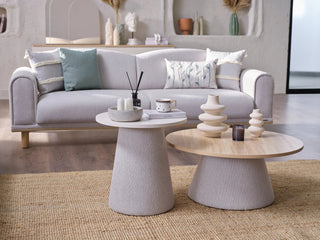
- Yes, the two-thirds rule generally still applies for long sofas to maintain visual balance and accessibility. If a single table feels too massive, consider two smaller, matching coffee tables or ottomans placed side-by-side to achieve a similar overall length and flexibility.
Source: dutchcrafters.com
- Yes, the two-thirds rule generally still applies for long sofas to maintain visual balance and accessibility. If a single table feels too massive, consider two smaller, matching coffee tables or ottomans placed side-by-side to achieve a similar overall length and flexibility.
Personal Insights: My Experience with Coffee Table Size
I remember a project early in my career where I was so focused on finding a unique, artisanal coffee table that I overlooked the actual dimensions of the client's living room. It was a beautiful, round, carved wood piece, but it ended up being too wide for the space, making it awkward to walk around. My client loved the look but hated the feel of their cramped living room. We ended up replacing it with a slightly smaller, more streamlined oval table, which instantly transformed the space from "beautiful but impossible" to "beautiful and functional."
The lesson learned? Always measure, and then measure again. And don't just rely on the measurements; tape out the coffee table size on the floor with painter's tape to truly visualize how it will fit. That simple trick, which I now recommend to all my clients, can save you a lot of headache and potentially expensive returns. It truly helps you understand how to choose a coffee table size that fits your life, not just your dreams.

Common Mistakes to Avoid When Choosing Coffee Table Size
Making the wrong choice can impact both the look and functionality of your living room. Here are some common pitfalls to sidestep when you're deciding on your coffee table size:
- Ignoring the "Two-Thirds Rule": Choosing a coffee table that's either too short or too long compared to your sofa can make the entire seating arrangement look unbalanced. A table that's too small might seem lost, while one that's too long can overwhelm the sofa.
- Disregarding Height: A coffee table that's significantly taller or shorter than your sofa seat cushion will be uncomfortable to use and disrupt the room's visual flow. Aim for that sweet spot of matching or slightly lower height for optimal functionality.
- Forgetting About Traffic Flow: One of the most common mistakes is picking a coffee table size that doesn't leave enough space for movement around it. This leads to a cramped feeling, constant bumping, and makes the room less enjoyable to navigate.
- Not Considering Overall Room Scale: A gigantic coffee table in a tiny room, or a minuscule one in a sprawling open-plan space, will always look out of place. Always assess the room's total dimensions to ensure the coffee table size is proportionate.
- Prioritizing Style Over Function: While aesthetics are important, a coffee table that looks great but doesn't serve your practical needs (like holding drinks or providing storage) will ultimately be a frustrating addition to your home.
Source: wayfair.com
Frequently Asked Questions about Coffee Table Size
How do I know if my coffee table is too big?
Your coffee table is likely too big if it leaves less than 18 inches of clearance between itself and your sofa, obstructs natural walkways, or visually overwhelms the rest of your seating arrangement. It should enhance, not dominate, the space.
Is it okay to have a coffee table taller than my sofa?
Generally, no. For optimal comfort and aesthetics, your coffee table should be the same height as your sofa's seat cushion or up to two inches lower. A taller table can feel like a barrier and be awkward to use for reaching items.
Can I use two small coffee tables instead of one large one?
Absolutely! Using two smaller, matching coffee tables or ottomans can offer greater flexibility in layout, especially for large sectionals or in rooms that need adaptable furniture. Just ensure their combined length follows the two-thirds rule for your sofa.
What is the ideal distance between a coffee table and the sofa?
The ideal distance is usually between 14 and 18 inches. This allows for comfortable leg extension and easy access to items on the table without hindering movement or making the seating feel too far away.
What if my living room is small, how do I choose a coffee table size?
For small living rooms, prioritize smaller, lighter coffee tables. Consider round or oval shapes to reduce sharp corners, or opt for nested tables or ottomans with storage to maximize functionality in a compact footprint.
Conclusion
Choosing the right coffee table size is a foundational step in crafting a living room that feels both beautiful and incredibly comfortable. By focusing on key measurements like length, height, and the critical distance to your sofa, you're already well on your way to making a confident decision. Remember to consider your room's layout, how you'll actually use the table, and how its style integrates with your existing decor. With a bit of thoughtful planning and perhaps a little painter's tape visualization, you’ll undoubtedly find a coffee table size that perfectly anchors your space. Don't be afraid to experiment, and trust your instincts – after all, this is your home! For more tips on enhancing your living space, explore our other home decor guides and share your coffee table triumphs in the comments below!