Use a batch brewer with a 1:16 ratio, brew in waves, and hold hot safely.
You want every guest to smile at that first sip. I’ve brewed coffee for weddings, fundraisers, and 300-person conferences, and I know the pressure. This guide on How to Make Coffee for a Large Group: gives you clear steps, pro ratios, smart gear picks, and a smooth plan so you can serve fast, fresh, and delicious coffee without stress.
Plan the headcount and taste goals
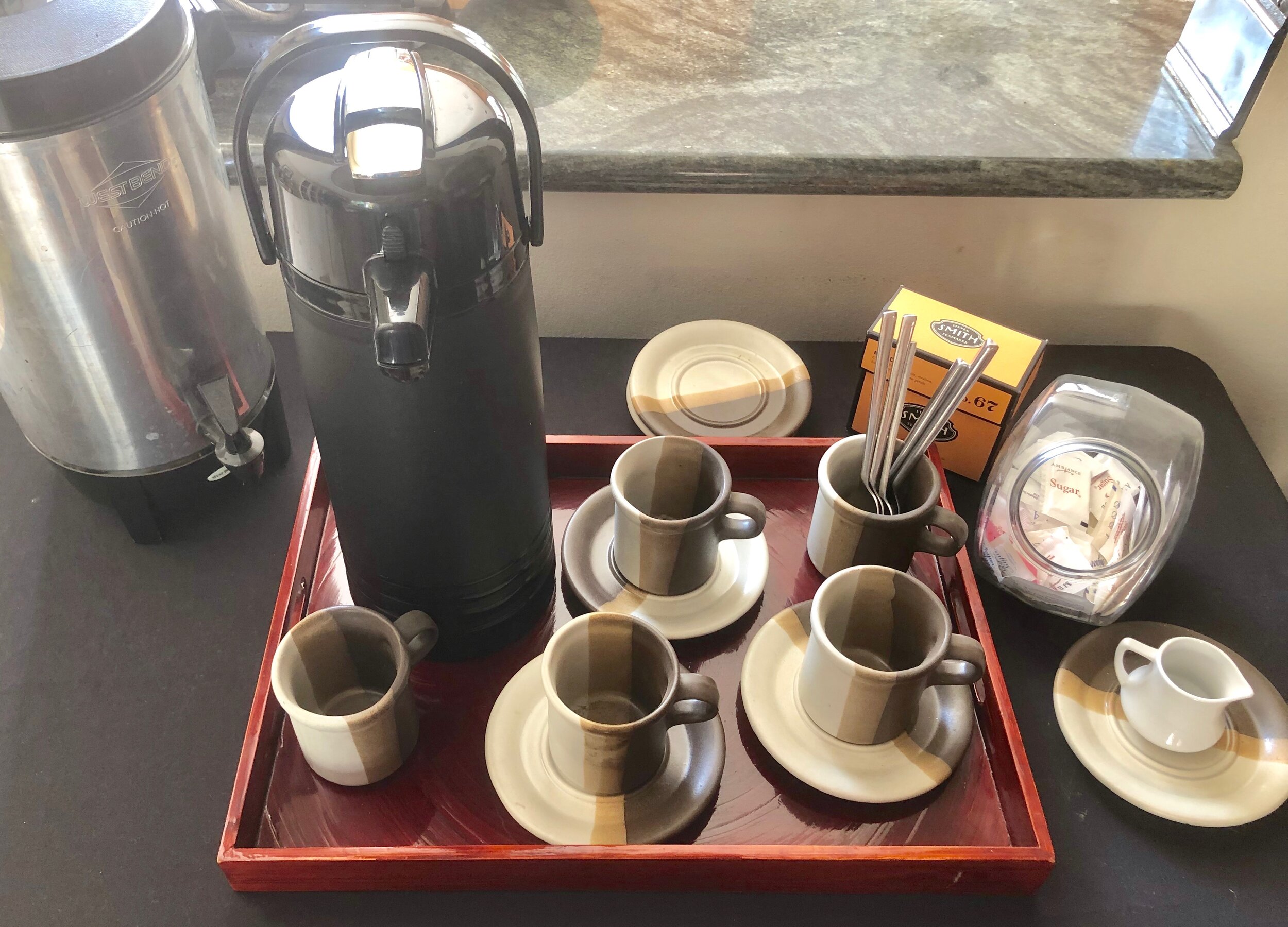
Start with numbers. A standard cup is 8 ounces. Most events see 1 to 1.5 cups per person per hour in the morning, and 0.5 to 1 cup per person per hour in the afternoon. If you serve flavored drinks or tea, coffee demand drops a bit.
Match taste to your crowd. For mixed groups, aim for a medium roast blend with balanced sweetness. Offer regular and decaf in a 4:1 ratio unless you know your group skews to decaf. This first step sets the tone for How to Make Coffee for a Large Group:.
Choose the right equipment for scale
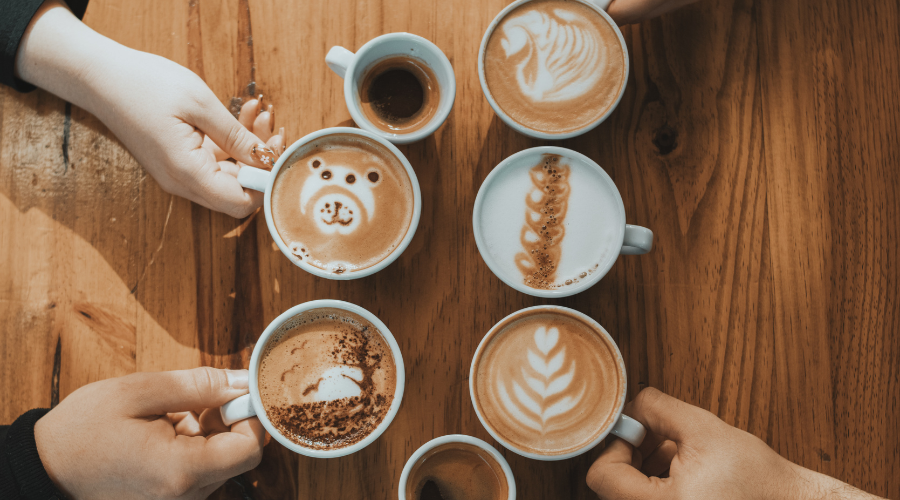
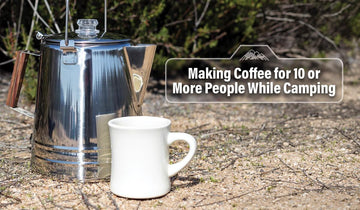
The best tool is a commercial batch brewer. It is fast, consistent, and safe. Look for models that brew 1.9 to 3 liters per cycle and feed into airpots or thermal servers. If you cannot get one, a coffee urn or percolator will work, but watch strength and heat.
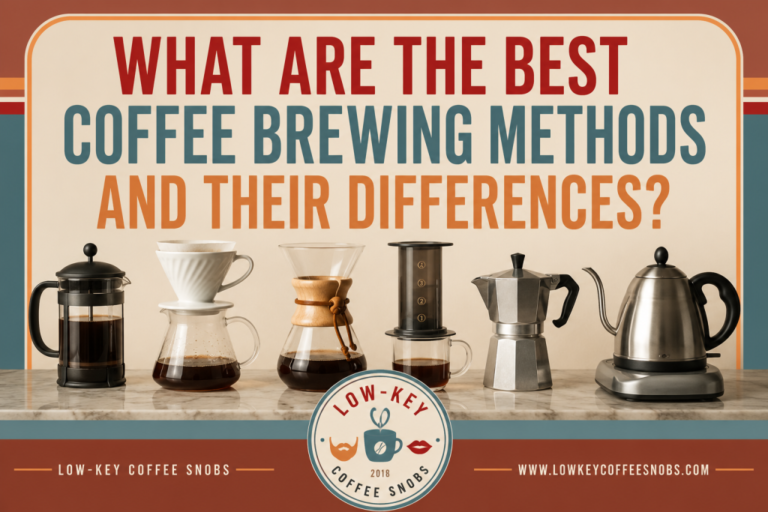
Other options can help at peak times. A pour-over bar with two or three large drippers is great for flavor. Large French presses are simple and bold but need careful filtering and fast service. Avoid keeping glass carafes on hot plates for long. Choose gear that fits your headcount and space.
Coffee beans, grind, and brew ratios that scale
Pick a fresh, crowd-pleasing blend. A medium roast suits most palates and stands up to milk. Grind just before brewing if you can. Use a medium grind for batch brewers and urns. Use a medium-coarse grind for French press.
Use an industry-standard brew ratio of 1:15 to 1:17 coffee to water by weight. My go-to for groups is 1:16. Here is a quick planner at 1:16 for common batch sizes:
- 1.9 liters water needs about 120 grams coffee
- 3 liters water needs about 187 grams coffee
- 5 liters water needs about 312 grams coffee
- 10 liters water needs about 625 grams coffee
- 20 liters water needs about 1,250 grams coffee
This is the backbone of How to Make Coffee for a Large Group:.
Water quality and temperature
Great water makes great coffee. Use filtered water with low chlorine and moderate hardness. Aim for a clean, neutral taste. If your tap water tastes bad, your coffee will too.
Brew hot but not boiling. Target 195 to 205°F at the bed. If your brewer has a temperature setting, lock it in. Consistent heat gives you repeatable results.

Methods to Make Coffee for a Large Group: step-by-step
Here are reliable workflows I use when teaching teams How to Make Coffee for a Large Group:.
Batch brewer to thermal airpots
- Preheat airpots with hot water.
- Weigh and grind coffee for each batch. Use 1:16.
- Load a fresh filter. Rinse if it is paper with strong odor.
- Add grounds. Level the bed. Start brew.
- When done, swirl the server, then transfer to an airpot. Label and time-stamp.
- Brew the next batch right away. Stagger start times by a few minutes.
Coffee urn or percolator
- Preheat the tank. Use a medium grind. Never use fine espresso grind.
- Dose at 1:16 by weight. If the taste is harsh, lower contact time or dose.
- Stir gently at the start. Keep the lid closed to hold heat.
- As soon as it hits target strength, serve. Do not let it boil.
Large pour-over bar
- Set two or three large brewers with flat-bottom filters.
- Use a gooseneck kettle at 200°F. Medium grind.
- Bloom with twice the dose in water for 30 to 45 seconds.
- Pour in steady pulses to your final weight. Aim for 4 to 6 minutes total.
- Combine brews in a preheated server for a uniform cup.
French press in bulk
- Medium-coarse grind. 1:15 for a fuller body.
- Add water at 200°F. Stir once. Lid on, plunger up.
- Steep 4 minutes. Skim foam. Press slowly.
- Decant at once into a thermal server to stop extraction.

Workflow, timing, and staggered brewing
Work backward from service time. Pre-grind only if needed, and store in sealed containers. Pre-weigh each batch into labeled bags. Place filters, scoops, and servers at hand.
Brew in waves. Keep one batch on deck, one brewing, one ready to serve. Time-stamp each airpot and rotate stock. Coffee tastes best inside 45 minutes of brewing when held hot in a sealed thermal server. This is how I pace How to Make Coffee for a Large Group: without stress.
Serving, holding, and transport
Use thermal airpots or insulated urns. Avoid open-top containers. They lose heat and aroma. Target a holding temperature around 175 to 185°F in the server. Never reheat brewed coffee.
Set up clear lanes. Place cups, lids, stirrers, and trash where guests exit the line. Label each airpot with roast, strength, and time. A tidy station keeps the flow smooth.

Customization bar that moves fast
You want guests to get what they like in seconds. Offer simple, high-traffic options.
- Whole milk, half-and-half, and one non-dairy option
- White sugar, raw sugar, and one zero-calorie sweetener
- Two simple syrups with pumps
- Cinnamon and cocoa shakers
- Ice for iced coffee, plus a few lemon wedges for tea
Place dairy in an iced tub. Refill in small, cold batches. Clear signs save time. This is a small but key part of How to Make Coffee for a Large Group:.
Troubleshooting at scale
If coffee tastes sour or thin, grind finer or raise dose slightly. If it tastes bitter or harsh, grind coarser or lower dose. Keep water heat steady.
Uneven strength often comes from channeling. Level the bed, use the right filter, and avoid overfilling. Stir the brew briefly if allowed by your method. Small fixes go a long way when you learn How to Make Coffee for a Large Group:.
Cleaning, safety, and sustainability
Rinse and brush brew baskets between batches. Empty spent grounds after each brew. Wash servers with a fragrance-free cleaner. Sanitize contact parts if you serve all day.
Keep cords taped down. Use dry towels and non-slip mats. Compost grounds if possible. Offer reusable cups or encourage guests to bring their own. A clean station builds trust.
Budgeting and a quick quantity planner
Plan costs with a simple formula. One 12-ounce serving is about 355 milliliters. At 1:16, 1 kilogram of coffee brews about 16 liters, or around 45 twelve-ounce servings. Add cups, lids, dairy, and sweeteners to your budget.
Use these fast estimates at 1:16:
- 20 guests, 1 cup each: 20 cups x 240 milliliters = 4.8 liters, about 300 grams coffee
- 50 guests, 1.5 cups each: 75 cups x 240 milliliters = 18 liters, about 1,125 grams coffee
- 100 guests, 1 cup each: 100 cups x 240 milliliters = 24 liters, about 1,500 grams coffee
Print your plan and tape it near the brewer. It speeds up every decision in How to Make Coffee for a Large Group:.
Frequently Asked Questions of How to Make Coffee for a Large Group:
How much coffee do I need for 50 people?
Plan on 1 to 1.5 cups per person. At 1.5 cups, brew about 18 liters and use roughly 1,125 grams of coffee at a 1:16 ratio.
What is the best method for speed and consistency?
A commercial batch brewer with thermal airpots is best. It is fast, safe, repeatable, and easy to scale.
Can I pre-grind the coffee the night before?
You can, but flavor fades. If you must, seal each batch in airtight bags and keep them cool and dark.
How long can I hold brewed coffee?
In a sealed thermal server, aim for 45 to 60 minutes for top flavor. You can hold longer for service, but taste will drop.
What grind size should I use for a batch brewer?
Use a medium grind that looks like coarse sand. If the brew runs too fast or tastes weak, grind a bit finer.
How do I keep coffee hot without burning it?
Use insulated airpots or thermal urns. Avoid hot plates, which cook the coffee and add a burnt taste.
How do I plan for regular and decaf?
Stock decaf at about 20 percent of total unless you know your group is different. Label both clearly to avoid mix-ups.
Can I brew strong coffee and dilute it with hot water?
Yes, this is a bypass method. Brew a stronger concentrate, then add hot water to taste when serving.
Conclusion
You now have a simple path to brew at scale with confidence. Plan the headcount, pick the right gear, lock in a 1:16 ratio, and run a clean, staggered workflow. Keep it hot, fresh, and clearly labeled.
Put this guide to work at your next event. Start with one test batch today and refine your plan. If this helped, share it with a friend, subscribe for more guides, or leave a question and I’ll help you dial it in.