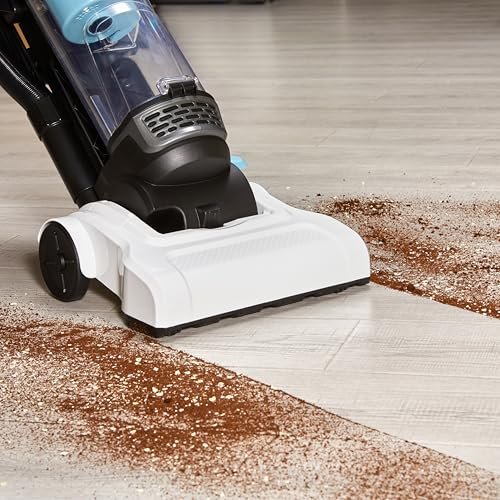
Vacuuming correctly removes dirt, allergens, and extends your floors' life with simple steps.
I’ve cleaned hundreds of homes and tested many vacuums, so I know what works. This guide on How to Vacuum Properly walks you through gear, the right technique for carpets and hard floors, common mistakes, and care tips. Read on to learn easy, proven steps that save time, cut allergens, and keep floors looking new.

Why vacuum properly matters
Vacuuming the right way keeps your home healthy and fresh. Dirt and dust wear fibers and hide germs. Allergens like pollen and pet dander settle in carpets and reduce indoor air quality when not removed.
Proper vacuuming also preserves rugs and carpet padding. Small, regular efforts prevent deep soil buildup. That saves money on deep cleaning and replacements in the long run.

Choose the right tools for How to Vacuum Properly
Pick a vacuum that fits your home and needs. Uprights work well for dense carpet. Canisters are flexible for hard floors and stairs. Stick vacuums are light for quick jobs, and handhelds handle furniture and cars.
Look for these features:
- Adjustable height to match carpet pile and hard floors
- Brush roll on/off switch for delicate floors
- HEPA or fine filters for allergy control
- Strong but controllable suction power
- A selection of attachments: crevice tool, upholstery brush, and motorized mini-tool
Test your vacuum in-store or read hands-on reviews. A good filter and the right attachments make How to Vacuum Properly much easier.
Prep work before you vacuum
Do a few quick tasks first to vacuum well. Clear toys, cords, and loose items from the floor. Move small furniture or use attachments for tight spots.
Check the vacuum:
- Empty or replace bags if nearly full
- Clean or change filters when clogged
- Untangle hair from the brush roll
- Set the height for the surface you’ll clean
This prep saves time and prevents damage. It also improves the results you get from How to Vacuum Properly.
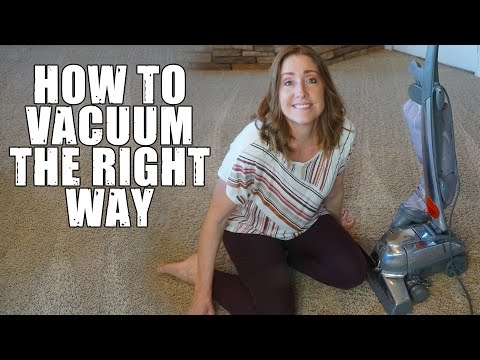
Step-by-step guide to How to Vacuum Properly
Follow these steps for the best clean.
- Set the right height and turn off the brush roll for hard floors.
- Start at the far corner and work toward the exit so you don’t walk on cleaned areas.
- Use slow, overlapping strokes. Move at about one foot per second on carpet.
- Make at least two passes in high-traffic areas—one forward, one back.
- Edge and corner work: use a crevice tool or run the vacuum along baseboards and under furniture.
- Stairs and upholstery: use a handheld or hose attachment in short, firm strokes.
- Finish with a quick sweep of hard floors to pick up surface dust missed by the vacuum.
Move the vacuum slowly for deeper suction and fewer missed particles. Practicing these steps makes How to Vacuum Properly routine and effective.

Tips for different surfaces and situations
Not all floors get vacuumed the same way. Tailor your approach.
- Carpet: Use the brush roll and slow passes. Increase height on deep pile to avoid damage.
- Low-pile rug: Lower height and use multiple passes at moderate speed.
- Hardwood and tile: Turn off the brush roll to avoid scratching. Use soft-bristled attachments for edges.
- Area rugs on floors: Vacuum both sides occasionally and shake smaller rugs outdoors.
- Pet hair: Use a motorized brush or a pet tool and vacuum more often in pet zones.
Adapting your method improves results and prevents wear. It’s part of learning How to Vacuum Properly across every room.
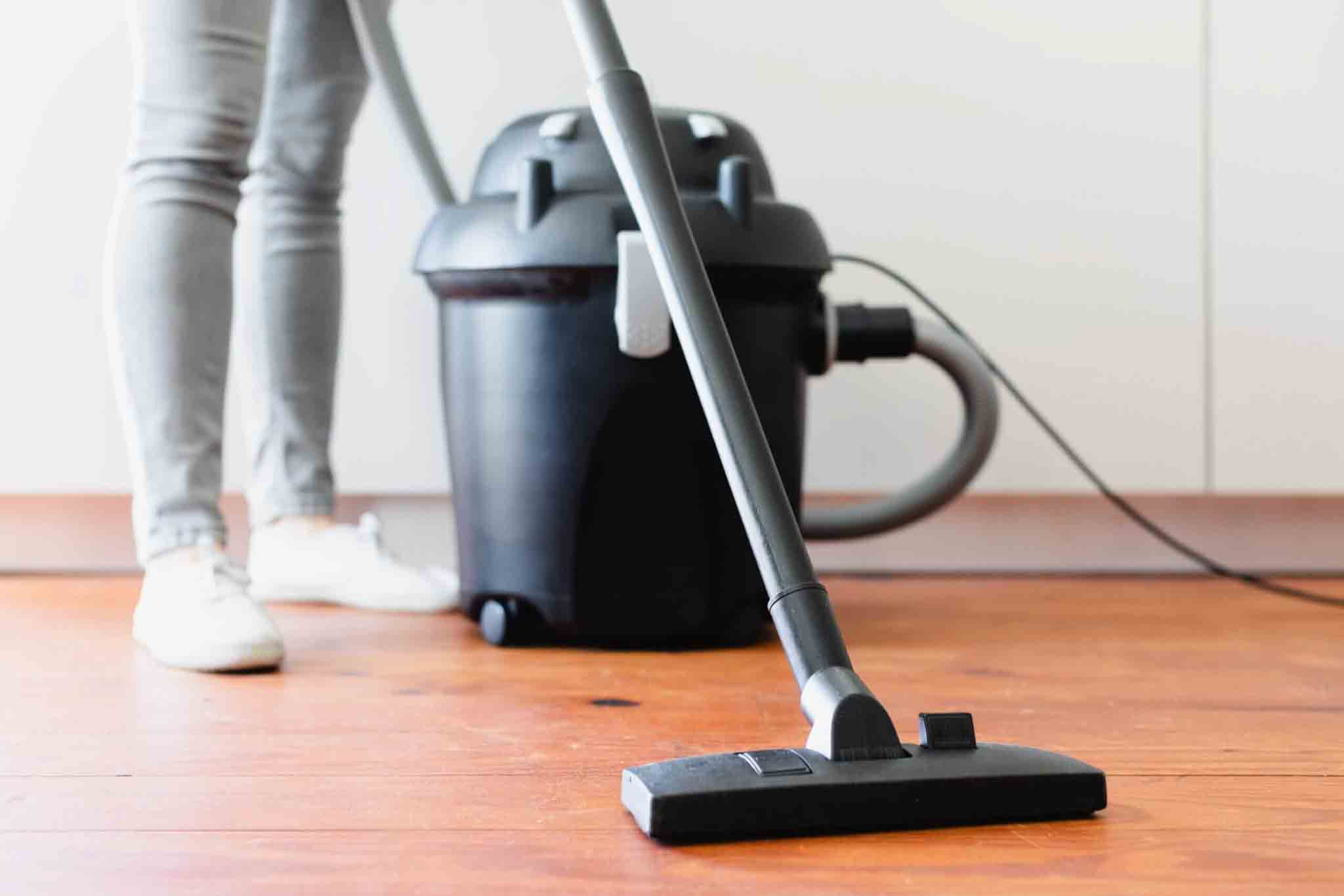
Personal tips and lessons learned
From years of cleaning, a few small habits make a big difference. I empty the canister after large jobs. That keeps suction strong and avoids dust clouds when I next clean. I also keep a small handheld near the entry to tackle crumbs fast.
A mistake I made early on was vacuuming too fast. I learned that slow strokes pick up embedded dirt. Another lesson: replace belts regularly—worn belts reduce brush roll speed and cut performance.
These real-life tips help you master How to Vacuum Properly without wasted effort.
Maintenance and troubleshooting for consistent results
Regular care keeps your vacuum working well. Empty the bin when it’s half full rather than waiting until it’s full. Wash or replace filters per the maker’s schedule. Clean hair and fibers from the brush roll often.
If suction drops:
- Check for blockages in the hose and attachments
- Inspect the brush roll for tangled debris
- Replace the belt if the brush spins slowly or not at all
When noise or smoke appears, stop and inspect. Proper maintenance extends vacuum life and improves How to Vacuum Properly results.
Common mistakes to avoid when learning How to Vacuum Properly
Avoid these pitfalls that reduce cleaning quality.
- Rushing across carpets and missing embedded dirt
- Leaving the bag or canister nearly full, which lowers suction
- Running the brush roll on delicate wood floors and scratching them
- Not checking filters or belts for wear
- Vacuuming once and assuming deep clean is done—repeat passes matter
Fixing these habits leads to better air quality and longer-lasting floors.

How often to vacuum and scheduling tips
Frequency depends on use and household makeup. A simple guide:
- High traffic areas or homes with pets: daily to every other day
- Living rooms and family areas: 2–3 times per week
- Bedrooms: once a week
- Low-use rooms: every 1–2 weeks
Adjust for seasons and allergies. During allergy season vacuum more often and use HEPA filters. Scheduling short, regular sessions keeps the job manageable and improves How to Vacuum Properly results.
PAA-style quick questions
Here are short answers to common quick questions.
Q: Should I vacuum before or after dusting?
A: Vacuum after dusting to catch dust that falls to the floor. That keeps the room cleaner overall.
Q: Can I vacuum wet spills?
A: No. Most vacuums are not designed for wet pickup and can be damaged. Use a wet-dry vacuum or blot and dry the area first.
Q: Will vacuuming remove all allergens?
A: Regular vacuuming with a HEPA filter removes many allergens but not all. Deep cleaning and air filtration help further.
Frequently Asked Questions of How to Vacuum Properly
How often should I change my vacuum filter?
Change or wash your filter according to the manufacturer, typically every 3 to 6 months for washables and every 6 to 12 months for replaceable ones. More frequent changes are needed in homes with pets or allergies.
What vacuum setting is best for carpets?
Use a lower nozzle height for thin carpets and a higher setting for thick piles. Turn on the brush roll for most carpets to lift and loosen dirt.
How do I remove pet hair effectively?
Use a motorized pet tool, rubber broom, or multiple slow passes with the main brush. Repeat often in high-shed areas for the best results.
Can vacuuming damage my hardwood floors?
Vacuuming won’t harm hardwood floors if the brush roll is turned off and soft wheels are used. Avoid hard-beamed brush rolls and check for grit that can scratch surfaces.
Is bagged or bagless better for allergies?
Bagged vacuums often trap dust better and reduce exposure when emptying. Bagless models with sealed systems and HEPA filters can be effective but may release dust during emptying.
How slow should I move the vacuum for best cleaning?
Move at about one foot per second on carpets for a deep clean. Slower motion lets the machine suction more particles and improves results.
Conclusion
Mastering How to Vacuum Properly is about the right tools, slow technique, and simple maintenance. Follow the steps above, tailor your approach to each surface, and keep your vacuum in good shape. Start this week: set a quick schedule, check your filters, and try slow, overlapping strokes—your floors and air will thank you. Share your tips or questions below, subscribe for more cleaning guides, or leave a comment about what worked for you.