
Introduction
For homes in the United States, the best vacuum cleaner for pets and allergies is usually a sealed, bagged vacuum with a true HEPA filter, strong suction, and a brush roll that can be turned off. This setup can collect pet hair, dander, dust, and fine particles without sending as much debris back into the room.
No vacuum can remove every allergen. Pet allergens come from skin flakes, saliva, urine, and other proteins. They can settle on carpets, sofas, bedding, and hard floors. A good vacuum helps lower the amount of allergen in the home, but it works best with regular washing, grooming, and other allergy-control steps.

What makes a vacuum good for pets and allergies?
A vacuum for pets and allergies needs to solve two separate problems:
- Remove visible pet hair and larger debris.
- Capture fine particles and keep them inside the machine.
Many vacuums handle one task better than the other. A powerful upright may lift hair well but release fine dust through weak seals. A small handheld may have a good filter but lack the airflow and brush design needed for carpets.
The strongest overall design is often a sealed bagged vacuum with HEPA filtration. Still, the best choice depends on your flooring, pets, home size, and comfort with maintenance.
Pet hair is not the same as pet allergen
Pet hair is easy to see. Pet allergens are not.
Most pet allergy symptoms come from proteins found in:
- Skin flakes, also called dander
- Saliva left on fur during grooming
- Urine and other body fluids
- Dust and particles that carry these proteins
Hair can carry allergens, but the hair itself is not usually the main cause of an allergic reaction. This is why a vacuum that removes hair may still leave enough fine allergen to bother a sensitive person.
The American College of Allergy, Asthma & Immunology explains that pet allergens can remain in the air and on surfaces for a long time. A vacuum is one part of control, not a cure.
What “HEPA” means
HEPA stands for high-efficiency particulate air. Under the commonly used test standard, a HEPA filter is designed to capture at least 99.97% of particles that are 0.3 microns in size under stated test conditions. This particle size is often used as a difficult test point for filters.
That figure does not mean the whole vacuum captures 99.97% of all particles in your home. The result depends on:
- Whether air leaks around the filter
- How well the dust bin or bag seals
- The filter’s condition
- The vacuum’s airflow
- Whether dust escapes while emptying the machine
A HEPA label is more useful when paired with a sealed air path. A filter can perform well while air leaks through gaps in the machine.
Bagged and bagless vacuums
Both types can clean floors well. They differ most during emptying and maintenance.
| Feature | Bagged vacuum | Bagless vacuum |
|---|---|---|
| Dust removal | The bag holds dirt until replacement | The bin must be emptied |
| Exposure during emptying | Usually lower | Can release dust |
| Ongoing cost | requires replacement bags | Usually no bags |
| Filter care | Often less messy | Filters may need frequent washing or tapping |
| Best fit | Allergy-sensitive homes | Users who prefer reusable bins |
For people with asthma or strong allergies, a bagged design often offers a practical advantage. You can remove and seal the full bag without dumping its contents into an indoor trash can.
Sealed filtration matters
A sealed vacuum forces most intake air through the intended filter path. An unsealed machine may allow fine dust to escape through joints, vents, or poor-fitting parts.
Manufacturers do not always use the same meaning for terms such as:
- Sealed system
- Complete seal
- Allergen filtration
- Anti-allergen system
Look for clear product documentation. If the maker only says “HEPA-style,” “HEPA-like,” or “HEPA-type,” do not assume it meets the same performance level as a tested HEPA filter.
Key features to look for in a pet and allergy vacuum
The best vacuum is not always the one with the highest advertised wattage. Focus on the parts that affect cleaning and air control.
1. A true HEPA filter
A true HEPA filter can help capture fine particles that pass through ordinary filters. Check whether the manufacturer gives a clear filter rating and replacement schedule.
Do not rely on the word “HEPA” alone. Ask:
- Is the filter washable or replaceable?
- Does the machine have a sealed path?
- Is the filter available in the United States?
- Does the manual explain how to fit and maintain it?
A filter that is clogged, damaged, or poorly fitted cannot work as intended.
2. Strong airflow and useful suction
Suction lifts dirt from the floor. Airflow carries that dirt into the dust container. Both matter.
A vacuum may feel powerful at the hose but perform poorly on thick carpet if the floor head blocks airflow. A useful test is whether the machine can remove embedded hair without repeated passes.
Do not compare motor wattage alone. In the United States, electrical input does not directly show how well a vacuum cleans. Floor-head design, airflow, brush contact, and seals also affect results.
3. A brush roll that can be switched off
A rotating brush roll helps pull hair from carpet. On bare floors, however, a fast brush can scatter crumbs and dust.
Choose a vacuum with:
- A powered brush roll for carpet
- A brush-roll shutoff for hard floors
- Adjustable height or suction for different carpet types
If you have delicate rugs, check the care label before using a powered brush. Some rugs can snag or shed when cleaned with an aggressive roller.
4. Anti-tangle features
Long hair can wrap around a brush roll. This reduces cleaning power and can strain the belt or motor.
Anti-tangle designs may help, but they do not remove the need for inspection. A good vacuum should also make the brush roll easy to access with safe tools.
Never cut near a hidden belt, wire, or sealed motor area. Unplug corded models before clearing a jam. For a cordless model, follow the manual’s instructions for removing the battery or disabling the machine.
5. Crevice and upholstery tools
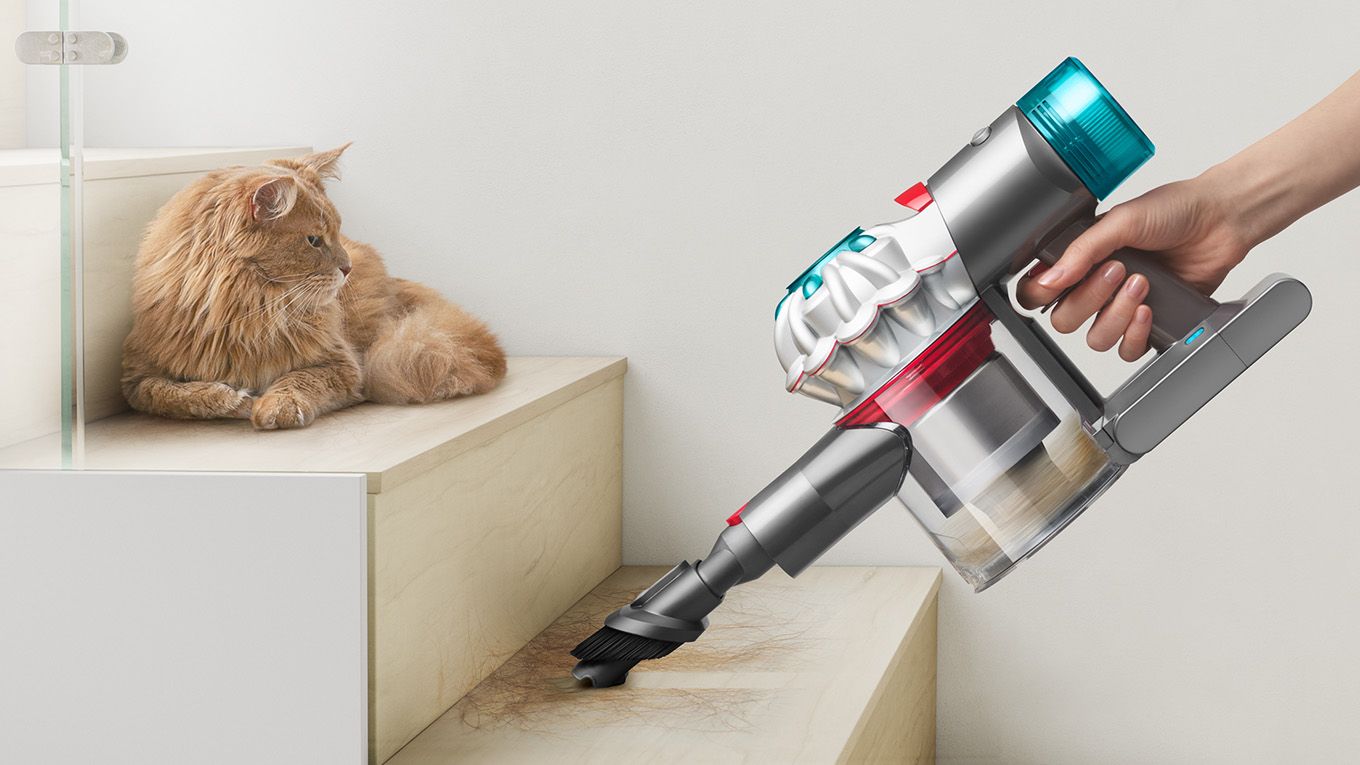
Pet hair often collects in places a floor head cannot reach. Useful tools include:
- A crevice tool for corners and baseboards
- An upholstery tool for sofas and chairs
- A motorized mini brush for stairs and fabric
- A soft dusting brush for shelves and vents
- An extension wand for high areas
A tool with a sealed connection is preferable. Loose fittings can reduce airflow and let dust escape.
6. A dust sensor or automatic suction setting
Some vacuums use sensors to detect particles and change suction. This may be helpful, but it is not proof that the machine removes all allergens.
Treat sensor readings as a guide, not a medical measure. A clean-looking floor can still contain allergens, and a sensor may not detect every type of particle.

Which type of vacuum should you choose?
Your floor plan and cleaning habits should guide the choice more than marketing labels.
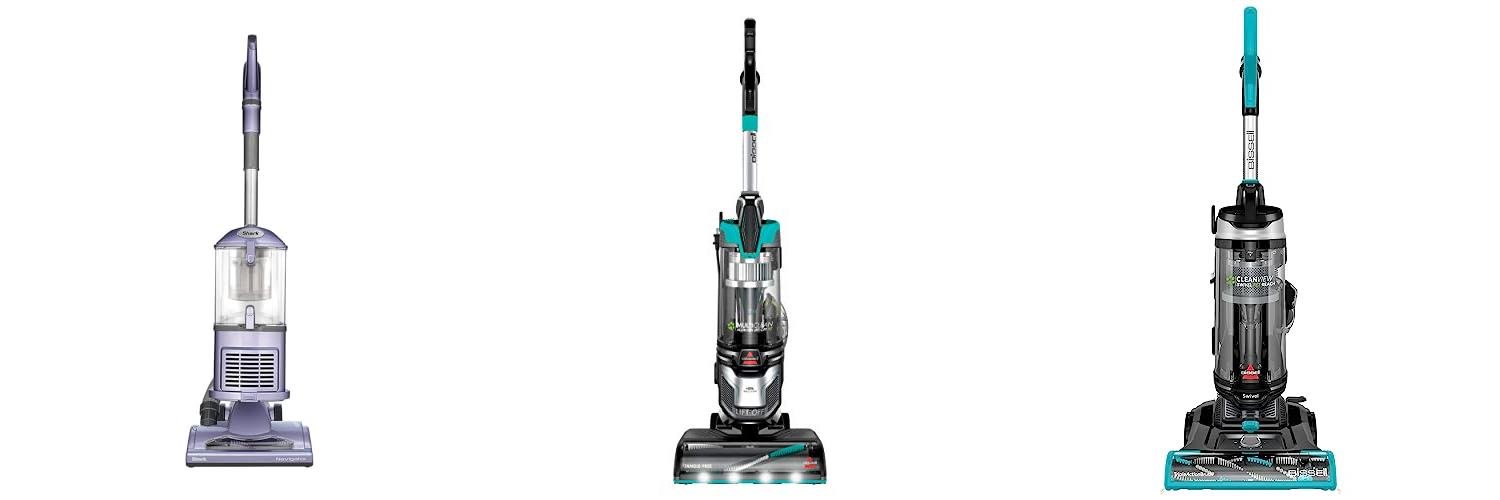
Best for homes with wall-to-wall carpet: sealed upright
A sealed upright vacuum often offers:
- Wide cleaning paths
- Strong carpet agitation
- Large dust capacity
- Convenient height adjustment
- Good stair and floor coverage
It may be heavy and less convenient on stairs. Check the hose length and the weight you must carry.
Best for mixed floors: canister or versatile upright
A canister vacuum often works well on both carpet and hard floors. It may provide better control with separate floor tools.
This style can be a good fit when you have:
- Hardwood or vinyl floors
- Area rugs
- Stairs
- Furniture that needs frequent cleaning
Its drawback is that you must pull the body behind you. The hose and cord can also take more storage space.
Best for quick daily hair pickup: cordless stick
A cordless stick vacuum is useful for fast cleanups. It can be easier to use every day, which may lead to more frequent hair removal.
Before choosing one, check:
- Battery runtime in the cleaning mode you will use
- Replacement battery cost
- Filter cleaning instructions
- Dust-bin size
- Availability of a motorized pet tool
Many cordless models use small bins. Emptying them may expose you to more dust than changing a sealed bag.
Best for furniture and car seats: handheld or mini motorized tool
A handheld vacuum can remove hair from upholstery, stairs, and vehicle seats. It is usually a supplement rather than a full-home solution.
For allergy control, use it with care. Small devices may have limited filtration and can blow dust toward your face if the exhaust is poorly placed.
Best for scheduled cleaning: robot vacuum
A robot vacuum can collect hair and surface dust between deeper cleanings. It may help maintain floors, but it has limits:
- It may not clean stairs or furniture.
- It may struggle with thick carpet.
- Its small bin needs regular emptying.
- It cannot replace detailed cleaning around edges.
- A model with an auto-empty dock may still release dust when the dock is serviced.
Robot vacuums are most useful as a maintenance tool, not as the only allergy-control method.

A simple buying guide
Use this short process before you buy.
Step 1: List your surfaces
Write down whether your home has:
- Low-pile carpet
- Thick or high-pile carpet
- Hardwood
- Tile
- Vinyl
- Area rugs
- Upholstered furniture
- Stairs
If you have more than one surface, choose a vacuum with adjustable settings or separate floor tools.
Step 2: Identify the main debris
Pet hair can be long, short, fine, or wiry. Consider whether you also need to collect:
- Litter
- Sand
- Outdoor soil
- Food crumbs
- Fine dust
- Human hair
Long hair makes brush-roll maintenance more important. Fine litter may need a floor head that does not scatter particles.
Step 3: Decide how much dust exposure you can manage
If emptying a dust bin causes symptoms, favor a bagged vacuum. If you choose bagless, empty it outdoors when possible and keep your face away from the opening.
People with severe symptoms may want another household member to handle emptying and filter cleaning.
Step 4: Check maintenance costs
Before purchase, confirm the price and availability of:
- Bags
- HEPA filters
- Pre-motor filters
- Brush-roll parts
- Batteries
- Belts
- Replacement tools
A low purchase price may not remain low if parts are hard to find or costly.
Step 5: Read the manual before using the vacuum on pet messes
Do not use a standard household vacuum on wet waste, vomit, urine, or feces unless the manual specifically permits it. Moisture can damage filters and motors. It can also spread bacteria and create an odor inside the machine.
For wet messes, follow safe cleaning guidance and use equipment designed for liquids when appropriate.

How to vacuum when someone has allergies
Vacuuming can stir up dust while you clean. Use a method that limits exposure.
- Ask the allergy-sensitive person to leave the area. Keep them away during cleaning and for a short period afterward if vacuuming makes dust airborne.
- Open windows only when outdoor air quality is suitable. If pollen or wildfire smoke is high, closing windows may be better.
- Start with high surfaces. Dust shelves and furniture before cleaning the floor so falling particles can be removed later.
- Use slow, steady passes. Move too fast and the floor head may not collect embedded hair or dust.
- Clean edges and under furniture. Pet hair gathers along walls and in low gaps.
- Use the right tool for upholstery. Do not press too hard on delicate fabric.
- Change bags or empty bins safely. Follow the manufacturer’s instructions and avoid shaking dust indoors.
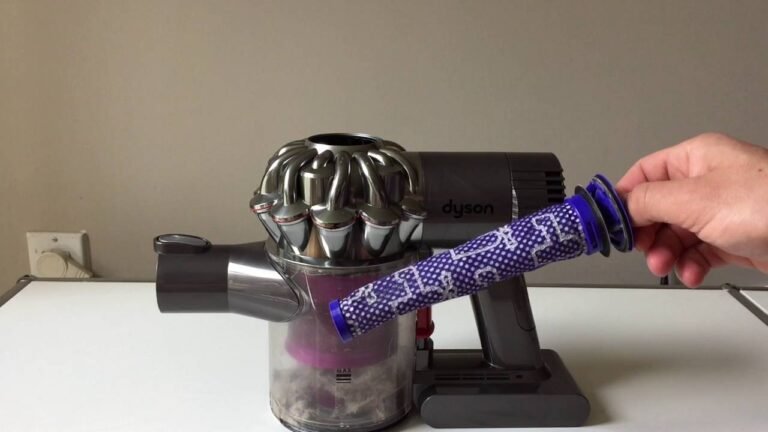
- Wash or replace filters on schedule. A clogged filter can reduce airflow and may increase stress on the motor.
The U.S. Environmental Protection Agency notes that source control and ventilation are key parts of indoor air management. Vacuuming supports source control by removing settled particles.
How often should you vacuum?
There is no single schedule for every home. A practical starting point is:
- High-traffic pet areas: daily or every other day
- Other carpeted floors: two to three times per week
- Hard floors: as needed, often several times per week
- Upholstery and stairs: weekly or when hair builds up
- Edges and under furniture: weekly
Increase the schedule during shedding seasons or after outdoor activity. Reduce it if repeated vacuuming damages a delicate rug.
The goal is not to chase a perfect number. The goal is to remove hair and settled dust before they spread.

Vacuuming alone will not control pet allergies
Vacuuming helps, but it cannot remove allergens from every surface or stop a pet from producing them.
A broader plan may include:
- Keeping pets out of bedrooms
- Washing pet bedding often
- Grooming pets outdoors when possible
- Using washable covers on furniture
- Cleaning hard floors with a damp method after vacuuming
- Washing hands after handling pets
- Running a properly sized portable air cleaner in a bedroom
- Replacing HVAC filters according to the system’s needs
- Asking an allergist about testing and treatment
Do not assume that shaving a pet will solve an allergy problem. The American College of Allergy, Asthma & Immunology states that pet allergens come from proteins, not simply from fur length.
If symptoms include wheezing, chest tightness, trouble breathing, or a severe reaction, seek medical care. A vacuum cannot treat asthma or an allergic emergency.
Common mistakes to avoid
Choosing the highest wattage
Motor wattage does not tell the full cleaning story. A well-designed floor head and sealed airflow path may matter more.
Trusting “pet” in the product name
“Pet” often means the vacuum includes a hair tool. It does not automatically mean the machine has a sealed HEPA system.
Read the specifications and manual.
Using one setting on every floor
A brush roll that works well on carpet may scatter debris on hard floors. Use the correct mode for each surface.
Ignoring the filter
A dirty filter reduces airflow and can affect performance. Follow the maker’s cleaning and replacement schedule. Do not reinstall a washable filter while it is damp.
Emptying a bagless bin indoors
Dumping a full bin into a kitchen trash can may send fine dust back into the room. Empty it outside when practical, or have someone else perform the task.
Vacuuming wet or biological waste
Most household vacuums are made for dry debris. Wet waste can damage the machine and create a hygiene risk.
Expecting a vacuum to remove all allergens
A vacuum lowers settled debris. It does not remove every allergen from air, fabric, walls, or pet skin.

Frequently asked questions
Is a bagged vacuum better than a bagless vacuum for allergies?
Often, yes. A bagged vacuum can reduce exposure when you remove and seal the full bag. A bagless model may work well, but emptying its bin and cleaning its filters can release dust.
Do I need a HEPA vacuum for pet hair?
Not always. A strong brush roll and good airflow may remove visible hair. HEPA filtration is more useful when your goal also includes capturing fine dust and allergen-carrying particles.
Can a vacuum remove dog or cat allergens from carpet?
It can remove some settled allergens and hair, but it cannot remove all of them. Slow passes, regular cleaning, upholstery care, and other allergy-control steps work better as a complete plan.
Are robot vacuums good for pet allergies?
They can help collect daily hair and surface dust. They are less useful for stairs, furniture, corners, and deep carpet cleaning. Their dust bins and docks also need careful maintenance.
How often should I replace a HEPA filter?
Use the schedule in the vacuum’s manual. Replacement time depends on use, dust levels, pets, and whether the filter is washable. Replace a filter sooner if it is damaged, smells bad after proper cleaning, or remains blocked.
Final recommendation
For most American homes with pets and allergy concerns, start by looking for a sealed bagged vacuum with a documented HEPA filter, strong carpet agitation, a brush-roll shutoff, and tools for upholstery and stairs.
Choose a canister or upright for deep whole-home cleaning. Add a cordless stick or robot vacuum only if quick daily cleaning will help you remove hair more often. Whichever type you buy, safe emptying and regular filter care matter as much as the label on the box.
The next step is simple: list your floors, pet hair type, allergy concerns, and maintenance limits. Then compare vacuums by sealed filtration, floor performance, dust handling, and long-term parts cost—not by marketing name alone.



2 Comments