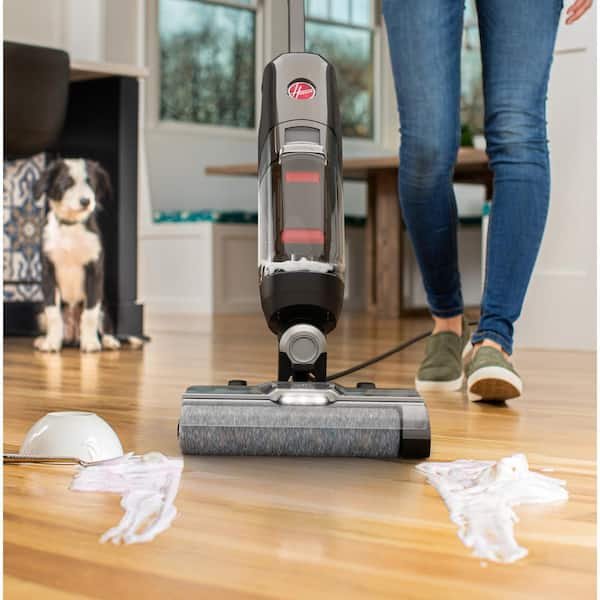
A wet dry vacuum is a vacuum that safely sucks liquids and solids.
If you have ever asked what is a wet dry vacuum and whether you need one, you are in the right place. I have used these in homes, shops, and flood cleanups. This clear, friendly guide explains how they work, what to buy, and how to use them well. By the end, you will know exactly what is a wet dry vacuum and how to pick the best one for your mess.
How a wet dry vacuum works
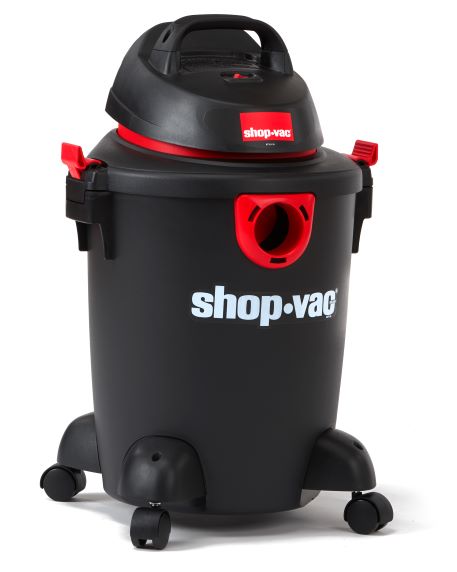
If you are wondering what is a wet dry vacuum on the inside, think of a rugged airflow system. A motor spins an impeller, which pulls air and debris into a large tank. For dry pickup, a filter traps dust. For wet pickup, a foam sleeve protects the motor, and a float valve rises to stop suction when the tank is full.
Airflow runs in, debris drops out in the tank, and air exits through a port. Many models include a blower port. Attach the hose to blow leaves, clear dust from tools, or push air behind a fridge.
Key performance terms you may see:
- CFM shows airflow volume. Higher CFM moves more light debris.
- Water lift, in inches of H2O, shows sealed suction power for heavy debris and liquids.
- Peak horsepower is a marketing spec. Focus more on CFM and water lift.
Core parts and features
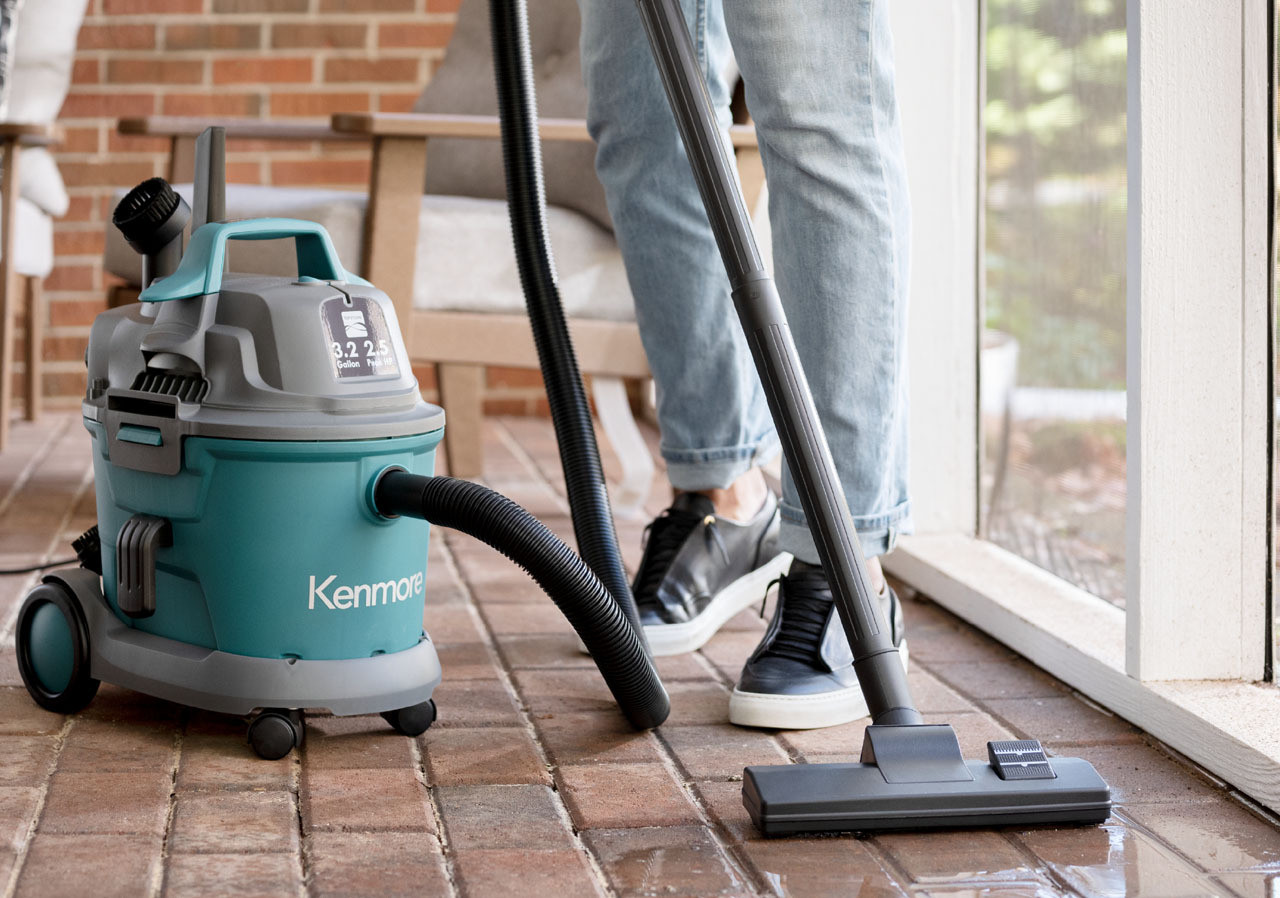
At its heart, what is a wet dry vacuum but a simple set of smart parts that take abuse and keep going. These features matter most when you compare models.
- Motor and impeller move air and drive suction.
- Tank stores debris. Plastic tanks are tough and light. Steel tanks look sharp and are easy to rinse.
- Hose and wand guide airflow. A wider hose, like 2.5 inches, is great for leaves and chips. A smaller hose, like 1.25 inches, fits cars and tight spots.
- Filters handle dust. Use a cartridge filter for dry debris. Add a bag for drywall dust. Use a foam sleeve for wet jobs. Some models support HEPA filters for fine dust.
- Float shutoff stops suction during wet pickup when the tank is full.
- Drain plug lets you dump water fast without lifting the tank.
- Blower port lets you switch from vacuum to blower in seconds.
- Power take-off on some shop models auto starts the vac when you start a tool.
- Wheels, handle, cord wrap, and onboard storage make it easy to move and store.

Common uses and real scenarios
To answer what is a wet dry vacuum in daily life, think of fast cleanup when a normal vacuum would fail. This tool shines where spills, grit, and wet mess meet speed.
- Home cleanup: spilled cereal with milk, pet accidents, broken glass with juice.
- Workshop: sawdust, wood chips, router snow, and floor sweep-up after a cut.
- Garage and car: sand, leaves, road salt, and shampoo rinse water.
- Renovation: drywall dust paired with a dust bag and fine filter.
- Emergencies: minor floods, burst pipe puddles, and dehumidifier buckets.
From my own use, a 12-gallon unit saved a basement movie night after a sump hiccup. I swapped to the foam sleeve, squeegeed the floor, and pulled out 20 gallons in under an hour.
Types and sizes explained
People often ask what is a wet dry vacuum size that fits their space. Size affects power, runtime, and weight.
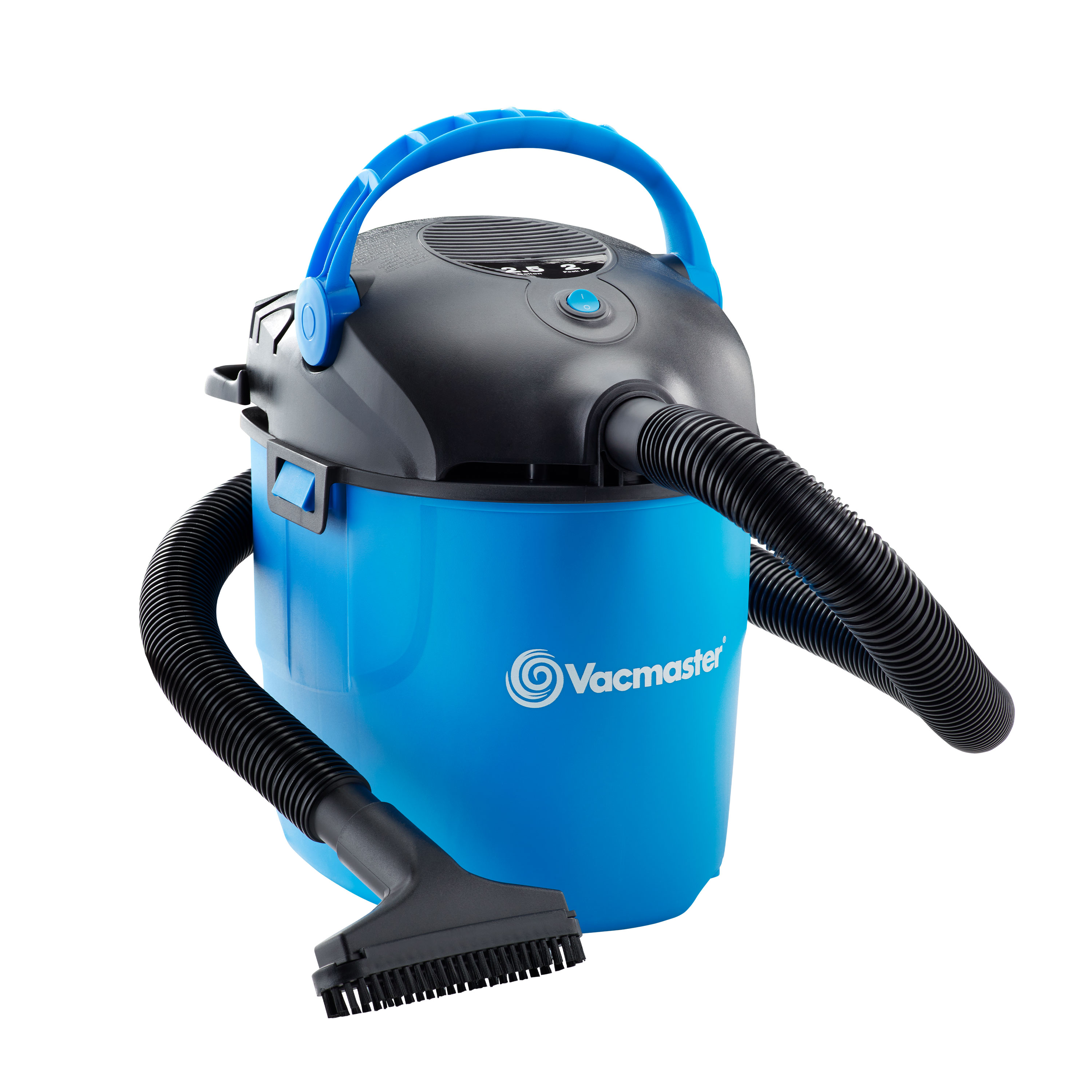
- Small, 1 to 4 gallons: great for cars, apartments, or quick spills.
- Medium, 5 to 9 gallons: best all-around pick for homes and DIY.
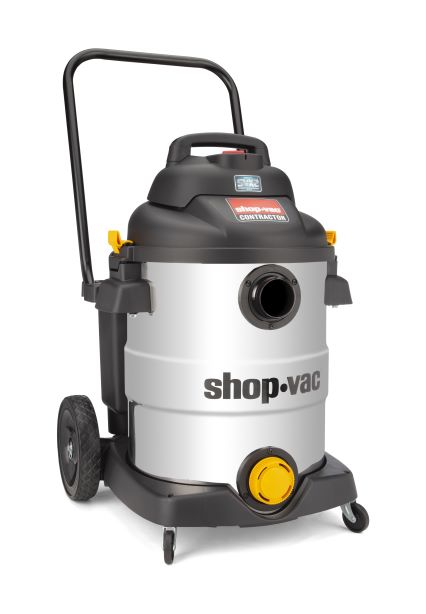
- Large, 12 to 16+ gallons: ideal for shops, floods, and job sites.
- Corded models give steady power. Cordless models add freedom. Many run on the same batteries as your tools.
- Wall-mount units save floor space in a garage.
- Quiet models use better airflow paths and mufflers to cut noise.
Benefits and limitations
When friends ask what is a wet dry vacuum good for, I say speed, safety, and reach. But no tool is perfect.
Benefits:
- Picks up wet and dry mess with one tank.
- Safe with water when used on a GFCI outlet.
- Big hoses do not clog as fast as home vacuums.
- Easy to empty, rinse, and go again.
- Doubles as a blower.
Limits:
- Loud compared with a home vacuum.
- Can be bulky and heavy when full.
- Not for hot ash, solvents, or flammable liquids.
- Not for hazardous dust without a true HEPA setup and proper controls.
- Needs filter swaps when switching from wet to dry.
How to choose the right model
If you are still unsure what is a wet dry vacuum that suits you, match features to your main jobs.
- Capacity: bigger tanks mean fewer trips to dump, but more weight.
- Suction: look for strong CFM for light debris and higher water lift for liquids.
- Filtration: get a cartridge filter for general use, a fine or HEPA filter for fine dust, and a foam sleeve for wet.
- Hose size: 2.5 inches for big debris. 1.25 to 1.875 inches for cars and tight spots.
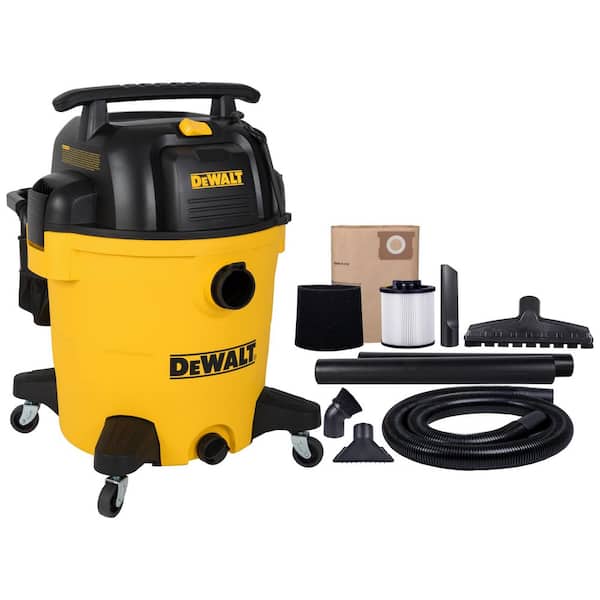
- Attachments: crevice tool, floor nozzle, squeegee insert, car nozzle, and brush tools.
- Extras: drain plug, blower port, tool-triggered auto start, long cord, or battery platform.
- Build: sturdy latches, smooth casters, and a sealed lid help a lot over time.
Expert tip: ignore peak horsepower hype. Real-world tests show CFM and water lift predict pickup better.

Safe, smart use: step-by-step
Many readers learn what is a wet dry vacuum by using one the first time. These steps keep you safe and save time.
For dry pickup:
- Install a cartridge filter and, for fine dust, a dust bag.
- Attach the right nozzle. Use a brush on hard floors and a crevice tool in gaps.
- Keep the hose straight and short to hold suction.
For wet pickup:
- Remove the dust bag. Add the foam sleeve or wet filter.
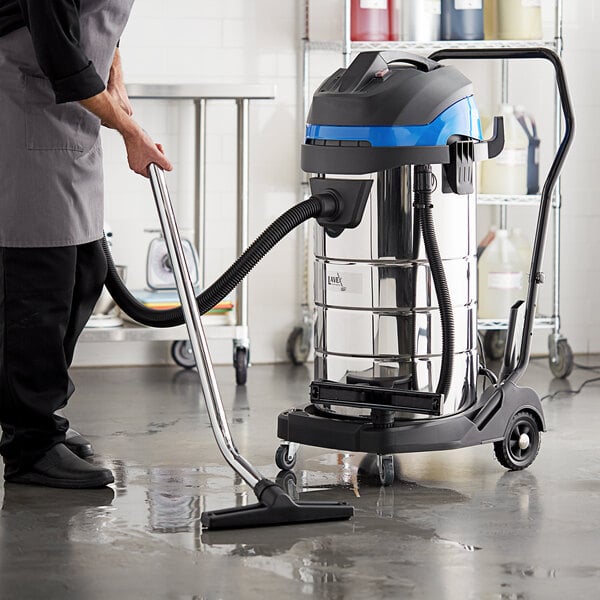
- Plug into a GFCI outlet. Keep the cord and plug off wet floors.
- Watch for the float shutoff sound. Empty when suction drops.
Safety tips:
- Never pick up hot ash or flammables.
- Use a HEPA filter and dust controls for silica, cement, or lead.
- Unplug before changing filters or clearing clogs.
Care and maintenance
Good care helps define what is a wet dry vacuum that lasts for years.
- After wet jobs, empty the tank at once. Rinse and let it dry with the lid off.
- Knock dust from the cartridge filter outdoors. Replace when torn or weak.
- Disinfect the tank after dirty water jobs. Mild soap and warm water work well.
- Check seals, wheels, and latches each month.
- For cordless units, store batteries cool and partly charged.
Pro tip: a spoon of baking soda in the tank helps with odors on long, wet days.
Real-world tips from the workshop
Hands-on time shapes how I teach what is a wet dry vacuum to new DIYers. These small habits make a big difference.
- Use a squeegee floor nozzle on concrete. It pulls water faster than a brush head.
- For drywall dust, run a bag plus a fine cartridge. Your filter will last much longer.
- Keep a spare foam sleeve in the lid so you can switch to wet mode fast.
- A short, wide hose boosts airflow when you need to move heavy chips.
- For car work, a soft brush lifts sand from seat seams before suction.
Once, during a kitchen leak, a simple trick saved me an hour: I placed the nozzle at the lowest floor spot and let gravity feed the puddle to it while I prepped fans.
Mistakes to avoid
I hear this a lot: what is a wet dry vacuum doing wrong when suction fades? Often it is one of these common slip-ups.
- Running dry without a filter ruins suction and can damage the motor.
- Forgetting to remove the dust bag before wet pickup leads to a soggy mess.
- Ignoring the float shutoff can overfill the tank and cause leaks.
- Dragging the vac by the hose can crack fittings. Use the handle.
- Letting water sit in the tank breeds odors and rust on steel units.
Related tools and when to use them
Some people ask what is a wet dry vacuum compared with other cleaners. Use the right tool for the job.
- Carpet extractor: sprays and vacuums cleaner from carpet. Use it for deep carpet care, not for heavy debris.
- Steam cleaner: sanitizes with heat. Not for bulk pickup.
- Sump pump: moves large volumes of water from pits or deep floods. A wet dry vac is better for shallow puddles and finishes.
- Dehumidifier and fans: dry rooms after you remove standing water with the vac.
Think of a wet dry vac as a fast first responder. Then bring in pumps, fans, or extractors for full recovery.
Frequently Asked Questions of What Is a Wet Dry Vacuum
What is a wet dry vacuum used for?
It picks up both liquids and solids in one tank. Use it for spills, sawdust, car cleanup, and small floods.
Is a wet dry vacuum safe for water?
Yes, that is the point of a wet dry vacuum. Use a GFCI outlet, the foam sleeve, and empty when the float shuts off suction.
Can I use a wet dry vacuum for drywall dust?
Yes, but add a dust bag and a fine or HEPA filter. This keeps the filter from clogging and holds fine particles better.
How do I know what size wet dry vacuum to buy?
Pick based on your main tasks and storage space. Small for cars and condos, medium for homes, and large for shops and floods.
What attachments are must-haves?
A crevice tool, floor nozzle, squeegee insert, and a soft brush cover most needs. A wide hose helps with leaves and chips.
Why did my wet dry vacuum lose suction?
Check for a full tank, a float stuck up, or a clogged filter or hose. Clean or replace the filter and straighten the hose.
Conclusion
Now you know what is a wet dry vacuum, how it works, and which features matter most. Pick a size that fits your space, match filters to your mess, and use safe steps for wet and dry jobs. With a few smart habits, your vac will handle spills, dust, and surprises with ease.
Ready to choose yours? Explore models, compare features, and bookmark this guide. Share your questions or cleanup wins in the comments to help other readers.