Choosing a coffee maker depends on your brewing preferences, desired features, budget, and counter space.
Navigating the vast world of coffee makers can feel like stepping into a barista's secret laboratory, full of shiny gadgets and intriguing terms. If you've ever stood bewildered in an appliance aisle, wondering how to choose a coffee maker that truly fits your life, you're in the right place. As someone who has spent years exploring and testing countless brewers, from the simplest drip machines to sophisticated espresso setups, I’m here to demystify the process. This guide will equip you with the insights and confidence needed to select the perfect coffee maker, transforming your morning routine into a delightful ritual.
Understanding Your Coffee Habits
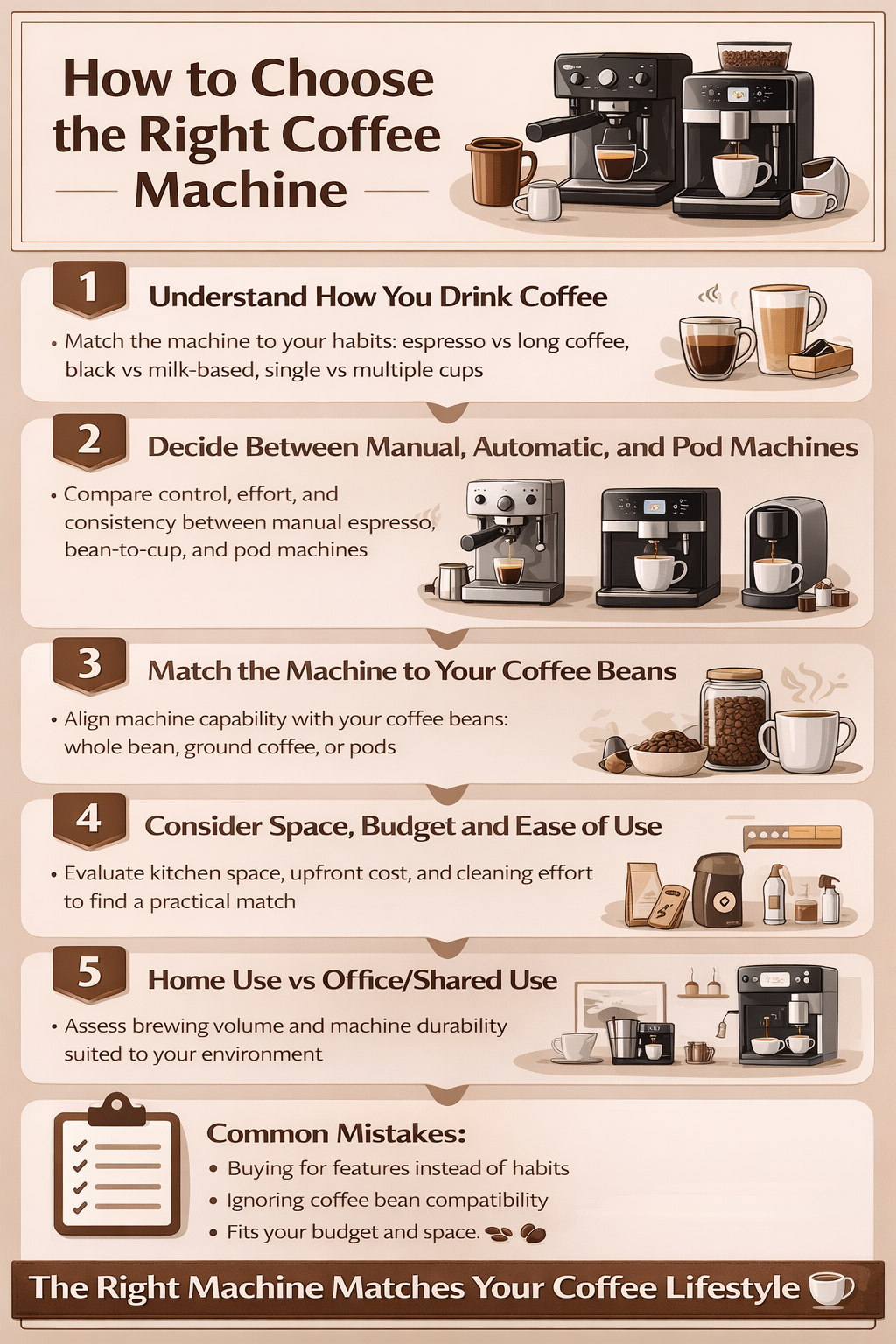
Before you even think about specific models, let's talk about you and your coffee habits. This foundational step is crucial when deciding how to choose a a coffee maker, as it directly influences which type of machine will bring you the most joy and utility. Overlooking these personal preferences often leads to buyer's remorse, so let's dig in.
How Much Coffee Do You Drink?
Are you a solo coffee sipper who enjoys one perfect cup to start the day, or do you require a full pot to fuel your morning commute and afternoon slump? Your daily consumption directly impacts the capacity you'll need. A single-serve machine makes sense for individual drinkers, while a 12-cup drip brewer is ideal for households or those who need multiple refills.
Who Are You Brewing For?
Is it just for you, or do you often host friends and family who also appreciate a good brew? A machine that can quickly produce multiple servings will be a lifesaver when entertaining. Conversely, if you're the only coffee enthusiast, a smaller, more specialized brewer might be a better fit.
How Much Time Do You Have?
Mornings can be a whirlwind, and some coffee makers demand more hands-on time than others. If you're always rushing out the door, a programmable drip machine or a quick single-serve brewer might be your best friend. If you cherish the ritual and have a few extra minutes, a pour-over or French press can offer a deeply satisfying experience.
What's Your Budget?
Coffee makers range from under $30 to well over $1,000. Establishing a realistic budget upfront helps narrow down your options significantly. Remember to consider not just the initial purchase price, but also ongoing costs like specialized filters, coffee pods, or high-quality beans tailored to specific brewing methods.

Types of Coffee Makers: A Deep Dive
Once you understand your habits, it’s time to explore the diverse landscape of coffee makers. Each type offers a unique brewing experience and a distinct flavor profile. Understanding these differences is key to knowing how to choose a coffee maker that matches your taste and lifestyle.
Drip Coffee Makers
Drip coffee makers are the most common and arguably the easiest to use. Hot water showers over ground coffee, dripping through a filter into a carafe.
- Pros: Easy to use, often programmable, can brew large quantities, wide range of price points.
- Cons: Less control over brewing parameters compared to manual methods, coffee can sit on a hot plate and become bitter.
- Features to look for: Programmable timer, brew strength selector, thermal carafe, water filter, pause-and-serve function.
What's the best drip coffee maker for beginners?
For beginners, a programmable drip coffee maker with a thermal carafe and a simple interface is often the best choice, as it offers convenience and consistent results with minimal effort.
Pour-Over Coffee Makers
Pour-over brewing is an artisanal method that involves manually pouring hot water over coffee grounds in a controlled, circular motion. This allows for precise extraction and a clean, nuanced cup.
- Pros: Exceptional flavor clarity, full control over brewing, aesthetically pleasing.
- Cons: Requires manual effort and technique, slower brewing process, only makes one or two cups at a time.
- My Experience: I've found that perfecting the pour-over technique is incredibly rewarding, yielding a delicate cup that truly highlights the coffee's origin notes. It's a fantastic way to slow down and appreciate the craft.
French Press Coffee Makers
A French press steeps coarse-ground coffee in hot water, then uses a plunger to press the grounds to the bottom, separating them from the brewed coffee. This method produces a full-bodied cup with a rich, sediment-laden flavor.
- Pros: Rich, full-bodied coffee, simple design, no paper filters needed (eco-friendly).
- Cons: Can be messy, requires coarser grind to avoid sediment, longer brew time.
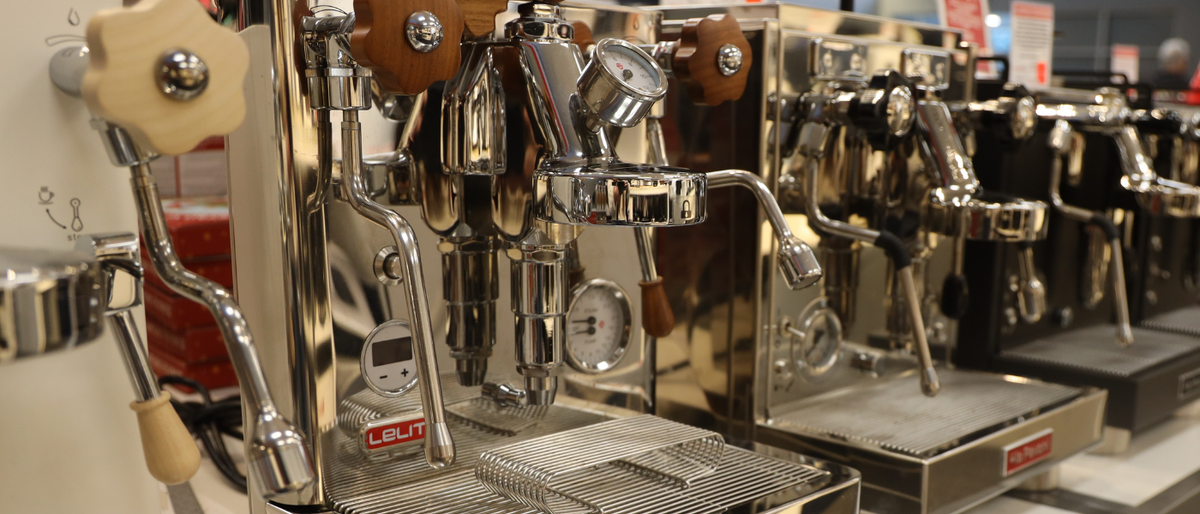
Espresso Machines
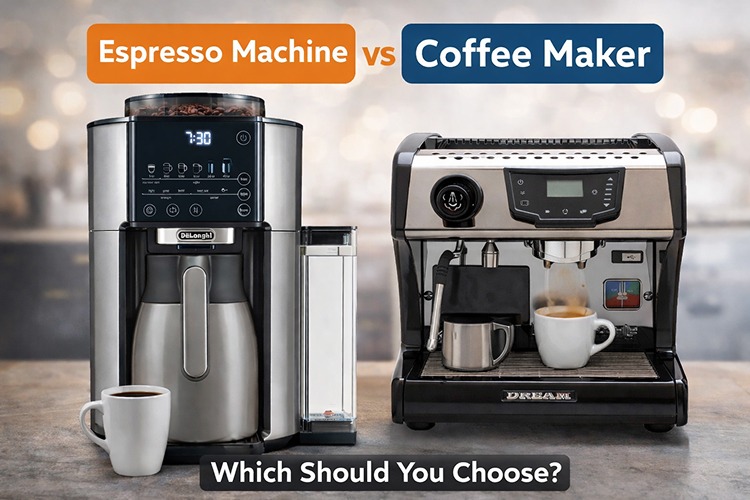
For lovers of lattes, cappuccinos, and strong, concentrated shots, an espresso machine is essential. These machines force hot, pressurized water through finely ground coffee.
- Pros: Produces strong, concentrated espresso shots, allows for milk-based drinks, can be a centerpiece of your kitchen.
- Cons: Can be expensive, requires specific grinder and technique, often needs more maintenance.
- Types: Manual, semi-automatic, automatic, and super-automatic.
- Manual machines offer maximum control but require skill.
- Semi-automatics automate pump pressure but still require you to grind and tamp.
- Automatic machines control shot volume.
- Super-automatics handle grinding, tamping, and brewing with the touch of a button.
How much should I spend on an espresso machine?
Espresso machine prices vary widely, but a good starter semi-automatic machine can range from $300-$700, while high-end models or super-automatics can easily exceed $1,000, offering more features and consistency.
Single-Serve Pod Coffee Makers
These machines use pre-portioned coffee pods or capsules to brew a single cup quickly. They prioritize convenience above all else.
- Pros: Fast, convenient, minimal cleanup, wide variety of beverages (coffee, tea, hot chocolate).
- Cons: Pods can be expensive and create waste, limited control over brew strength, flavor might not be as fresh as other methods.
- My Experience: While the convenience is undeniable for busy mornings, I often found myself wishing for more depth of flavor, which led me to explore refillable pod options.
Cold Brew Coffee Makers
Cold brew coffee is made by steeping coarse-ground coffee in cold water for an extended period (12-24 hours). The result is a smooth, low-acid coffee concentrate.
- Pros: Smooth, less acidic flavor, concentrate can be stored for weeks, easy to make large batches.
- Cons: Long brewing time, requires pre-planning.
Aeropress
The AeroPress is a versatile, portable device that brews coffee by plunging water through a bed of coffee grounds. It can create concentrated coffee similar to espresso or a fuller-bodied regular coffee.
- Pros: Very versatile, fast brewing, easy to clean, highly portable, produces smooth coffee.
- Cons: Only makes one or two servings at a time, manual effort required.
Moka Pot
The Moka pot is a stovetop espresso maker that uses steam pressure to force hot water through coffee grounds, producing a strong, espresso-like coffee.
- Pros: Inexpensive, compact, brews strong coffee, no electricity needed.
- Cons: Can produce bitter coffee if overheated, cleanup can be fiddly, not true espresso.
Key Features to Consider
Once you have a handle on the different types, let's look at specific features that can make or break your decision on how to choose a coffee maker. These details significantly impact user experience and the quality of your brew.
Capacity
Consider the volume of coffee you need regularly. Do you want a single-serve machine, a 4-cup, 8-cup, or a 12-cup carafe? Some single-serve machines also offer carafe options.
Brewing Speed
If time is of the essence, look for machines that brew quickly. Single-serve pod machines are typically the fastest, while large drip makers or manual methods like pour-over take longer.
Programmability
A programmable timer allows you to wake up to freshly brewed coffee. This feature is a game-changer for many, offering convenience and a delightful start to the day. My own journey taught me the value of a programmable timer for those chaotic mornings; it feels like having a personal barista.
Grinder Integration
Some high-end machines, especially super-automatic espresso makers and some drip brewers, come with a built-in grinder. This ensures the freshest possible coffee, as grinding beans just before brewing maximizes flavor.
Water Filter
An integrated water filter can improve the taste of your coffee by removing impurities and extends the life of your machine by reducing mineral buildup. This is a small feature that makes a big difference in both taste and maintenance.
Carafe Type (Thermal vs. Glass)
- Thermal Carafes: Keep coffee hot for hours without a hot plate, preventing it from tasting burnt. They are durable and often stainless steel.
- Glass Carafes: Typically sit on a hot plate, which can scorch coffee over time. They are, however, easy to see through and often more affordable.
Ease of Cleaning
Coffee makers, especially those with many parts or complex brewing systems, can be a chore to clean. Look for machines with removable, dishwasher-safe components and accessible brewing chambers. Regular cleaning is vital for taste and longevity.
Size and Design
Measure your counter space before committing to a machine. Also, consider the aesthetic – do you want a sleek, modern design or something more classic? The coffee maker will be a fixture in your kitchen, so choose one that complements your style.
Smart Features
Some modern coffee makers offer Wi-Fi connectivity, allowing you to control brewing from your smartphone, integrate with smart home assistants, or even order new pods automatically. These features add convenience but often come at a premium.

Budgeting for Your Brew
Deciding how to choose a coffee maker also heavily involves your budget. Just like any appliance, coffee makers come at various price points, reflecting their features, build quality, and brewing capabilities. It’s important to understand what you get at each level.
Entry-Level Options
For under $50-$100, you'll find basic drip coffee makers, simple French presses, Moka pots, and some single-serve brewers. These are great for getting started, offering fundamental functionality without breaking the bank. They often lack advanced features like programmability or thermal carafes.
Mid-Range Workhorses
In the $100-$300 range, you unlock more advanced drip brewers with programmability, brew strength control, and thermal carafes. You'll also find higher-quality pour-over kits, Aeropress bundles, and entry-level semi-automatic espresso machines. This price point often balances features, quality, and affordability.
High-End Investments
Above $300, the sky's the limit. Here, you'll find premium espresso machines (semi-automatic to super-automatic), high-tech drip brewers with integrated grinders, and specialized cold brew systems. These machines offer superior build quality, advanced customization, and often come with a significant commitment to the craft of coffee making.
Considering Long-Term Costs
Remember that the initial purchase price isn't the only cost. Factor in ongoing expenses:
- Coffee Beans/Pods: High-quality beans or proprietary pods can add up.
- Filters: Paper filters for drip/pour-over, or replacement water filters for machines with integrated filtration.
- Maintenance: Descaling solutions and cleaning tablets.
Maintenance and Longevity
No matter which coffee maker you choose, proper maintenance is paramount for its longevity and for consistently delicious coffee. A well-maintained machine lasts years, I've seen it firsthand, and knowing how to properly care for your new appliance is a critical part of how to choose a coffee maker wisely.
Cleaning Frequency
Most coffee maker components, like the carafe, brew basket, and drip tray, should be cleaned daily or after each use with warm, soapy water. This prevents oil buildup and stale coffee residue from affecting the taste of your next cup.
Descaling
Mineral deposits (limescale) from water can build up inside your machine's heating elements and pipes, affecting performance and taste. Descaling should be done regularly, typically every 1-3 months, using a descaling solution or a vinegar-water mixture. Follow your manufacturer's instructions carefully.
Filter Replacement
If your coffee maker has an integrated water filter, make sure to replace it according to the manufacturer's recommendations. This ensures your coffee continues to taste great and your machine remains protected from mineral buildup.

Frequently Asked Questions
What is the most common type of coffee maker?
The most common type of coffee maker is the drip coffee maker, known for its ease of use, ability to brew multiple cups, and widespread availability in various sizes and price points.
Can I use regular ground coffee in an espresso machine?
While you can technically use regular ground coffee, it's not recommended for espresso machines. Espresso requires a very fine, consistent grind to achieve the proper extraction and a rich crema.
How often should I descale my coffee maker?
You should descale your coffee maker every 1-3 months, depending on your water hardness and how frequently you use the machine. Regular descaling prevents mineral buildup and maintains optimal performance.
Is a thermal carafe better than a glass carafe?
Generally, a thermal carafe is considered better as it keeps coffee hot for longer without needing a hot plate, thus preventing the coffee from developing a burnt or bitter taste. Glass carafes with hot plates can degrade coffee quality over time.
What is the best coffee maker for a single person?
For a single person, a single-serve pod machine offers ultimate convenience, while an AeroPress or a small pour-over setup provides excellent quality for one or two cups with more control over the brew.
Conclusion
Choosing the perfect coffee maker doesn't have to be overwhelming. By understanding your personal coffee habits, exploring the different brewing methods, considering key features, and setting a realistic budget, you can confidently select a machine that perfectly complements your lifestyle and taste preferences. Remember, the best coffee maker is ultimately the one that brings you consistent enjoyment and delicious coffee, cup after delicious cup. So go ahead, reflect on your needs, compare your options, and make an informed decision that will elevate your daily brew. If you're eager to learn more about specific models or want deeper insights into various brewing techniques, feel free to explore our other guides and share your own coffee journey in the comments below!