You can make coffee without a coffee maker using simple kitchen tools like a pot, a mug, and a filter.
Ever woken up with that undeniable craving for a fresh cup of joe, only to realize your trusty coffee maker is on the fritz, or worse, you're nowhere near one? Don't let a lack of specialized equipment stand between you and your morning ritual. As someone who's brewed countless cups in unconventional settings – from remote campsites to power outages – I can confidently say that knowing how to make coffee without a coffee maker is not just a survival skill, it's an art. We're about to dive deep into several ingenious methods that will equip you with the knowledge to craft a delicious brew, no fancy gadgets required, proving that a great cup of coffee is always within reach.
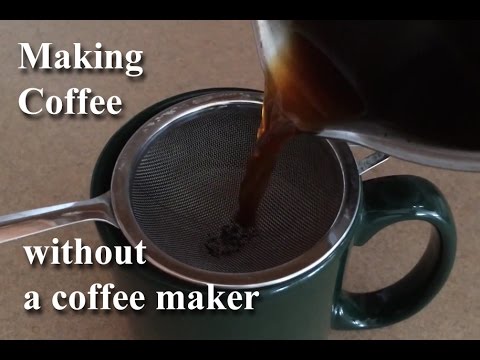
Stovetop Brewing: The "Cowboy Coffee" Method
When all you have is a pot, water, and coffee grounds, the "cowboy coffee" method is your best friend. This classic approach is simple, robust, and delivers a surprisingly good cup. It's truly one of the most straightforward ways to make coffee without a coffee maker. I've used this method countless times while camping, and it never fails to deliver that comforting, dark brew.
Here's how to make coffee without a coffee maker using this rustic technique:
- Boil Water: Add water to a saucepan or kettle and bring it to a rolling boil over a heat source. For a standard mug, about 8 ounces of water is a good starting point.
- Add Coffee Grounds: Once boiling, remove the pot from the heat. Let it sit for about 30-60 seconds to cool slightly. Then, add your coarsely ground coffee directly to the hot water. A general ratio is 1-2 tablespoons of coffee per 8 ounces of water, but adjust to your taste.
- Stir and Steep: Give the mixture a good stir to ensure all the grounds are saturated. Let it steep for about 4-5 minutes. During this time, the grounds will sink to the bottom.
- Settle the Grounds: To help the grounds settle faster, pour a small amount of cold water (about 1/4 cup) into the pot. This thermal shock encourages the remaining floating grounds to drop.
- Pour Carefully: Slowly and carefully pour the coffee into your mug, trying not to disturb the settled grounds at the bottom. You can also use a spoon to hold back some grounds as you pour.
This method results in a full-bodied cup with minimal equipment. The trick is to use coarse grounds to avoid too much sediment and to pour gently. It's a reliable way to get your caffeine fix when you need to make coffee without a coffee maker.
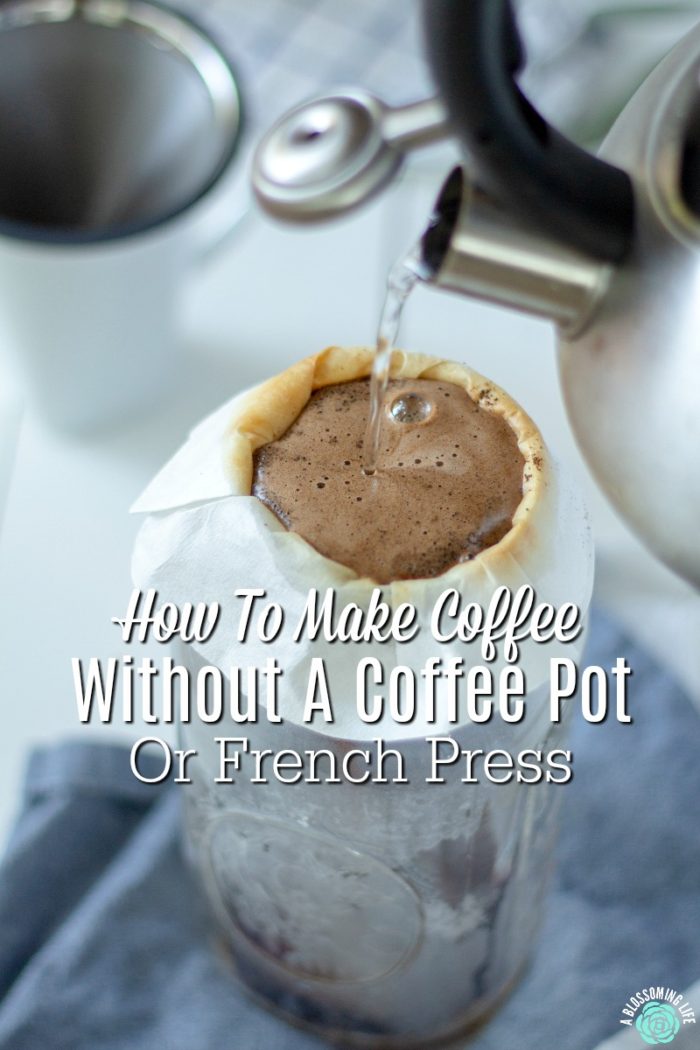
Improvised Pour-Over: The Mug and Filter Hack
If you have some kind of filter material available, you can create a surprisingly effective pour-over system. This method allows for a cleaner cup than cowboy coffee, mimicking the clarity you might get from a drip machine. Learning how to make coffee without a coffee maker using a pour-over style is excellent for those who appreciate a smoother brew.
What kind of filter can you use?
- Paper Towels: A double layer works well.
- Cheesecloth: Multiple layers are best to prevent grounds from passing through.
- Clean Cloth (like a bandana or dishtowel): Make sure it's scent-free!
Here's how to craft an improvised pour-over to make coffee without a coffee maker:
- Prepare Your Setup: Place your chosen filter material inside a mug or cup. Ensure it drapes over the sides sufficiently so it doesn't fall in. If using paper towels, fold them into a cone shape.
- Add Coffee Grounds: Spoon your medium-fine coffee grounds into the filter. Use roughly the same ratio as the stovetop method: 1-2 tablespoons per 8 ounces of water.
- Boil Water: Heat your water, ideally just off the boil (around 200°F or 93°C). If you don't have a thermometer, let it cool for about a minute after boiling.
- Bloom the Grounds: Pour a small amount of hot water over the grounds, just enough to saturate them. Let it sit for 30 seconds; this step, called "blooming," helps release gases and enhances flavor.
- Slow Pour: Slowly and steadily pour the remaining hot water over the grounds in a circular motion. Take your time, allowing the coffee to drip through the filter into your mug. This slow process extracts the flavors gently.
This method delivers a cleaner, more aromatic cup, much like a traditional drip. I recall a time my fancy pour-over cone broke right before a crucial deadline, and a paper towel saved my morning! It's a testament to how adaptable you can be to make coffee without a coffee maker.

DIY Cold Brew: The Patient Brewer's Choice
Cold brew is an incredibly forgiving method that yields a smooth, low-acid coffee concentrate. It requires no heat, making it perfect for summer days or when you have limited access to a stove. It's a fantastic solution for how to make coffee without a coffee maker if you have some time on your hands.
The beauty of cold brew is its simplicity and the deep, rich flavor it produces. You don't need any special tools, just a container and time.
Here’s how to make cold brew concentrate:
- Combine Coffee and Water: Use a large jar or pitcher. Add coarsely ground coffee to cold water in a ratio of about 1:4 (e.g., 1 cup of grounds to 4 cups of water). Using coarse grounds is vital here to prevent a muddy final product.
- Stir and Steep: Stir the mixture well to ensure all grounds are fully submerged. Cover the container and let it steep in the refrigerator for 12-24 hours. The longer it steeps, the stronger the concentrate will be. I usually let mine go for 18 hours for a perfect balance.
- Strain the Concentrate: After steeping, it's time to separate the grounds. You can use several methods:
- Fine-Mesh Sieve: Pour the mixture through a sieve lined with cheesecloth, a clean paper towel, or a coffee filter.
- French Press (if available): If you happen to have a French press but no electric coffee maker, it’s perfect for straining.
- Dilute and Enjoy: You'll be left with a concentrated coffee. Dilute it with water, milk, or ice to your desired strength. Cold brew can be stored in the refrigerator for up to two weeks.
Cold brew is less acidic and smoother than hot-brewed coffee, making it a favorite for many. It's a wonderful, hands-off way to make coffee without a coffee maker, especially when planning ahead.
Coffee Bag Method: Single Serve Simplicity
Imagine a tea bag, but for coffee. This method is incredibly convenient for a single serving and requires minimal fuss. It's a clever hack for how to make coffee without a coffee maker, particularly when you're traveling or in a hurry. You're essentially creating a DIY coffee "tea bag."
This method is quick, clean, and portable. It’s perfect for those mornings when you just need one cup.
Here’s how to make a coffee bag for brewing:
- Prepare Your Bag: You'll need a small, breathable bag. Options include:
- Empty Tea Bags: Some stores sell empty, fillable tea bags.
- Coffee Filters: Tie off a small amount of grounds in a coffee filter with unflavored dental floss or kitchen twine.
- Cheesecloth Squares: Place grounds in the center and tie the corners.
- Fill with Grounds: Place 1-2 tablespoons of medium-fine coffee grounds into your chosen bag.
- Heat Water: Bring water to a boil, then let it cool for about a minute to reach optimal brewing temperature (around 200°F).
- Steep Your Coffee Bag: Place your coffee bag into a mug. Pour the hot water over it. Let it steep for 4-5 minutes, much like you would a tea bag. For a stronger brew, steep longer.
- Remove and Enjoy: Remove the coffee bag and discard it. You're left with a clean, ready-to-drink cup of coffee.
This method is incredibly efficient and produces a cup with very little sediment. I’ve personally relied on this when visiting friends whose coffee makers were out of commission. It’s a testament to making coffee without a coffee maker even in the simplest scenarios.

Ensuring Quality Without a Maker
Even when improvising, certain factors remain critical for a delicious cup of coffee. Understanding these can elevate your brew, no matter the method you choose to make coffee without a coffee maker.
Grind Size Matters
The size of your coffee grounds significantly impacts extraction.
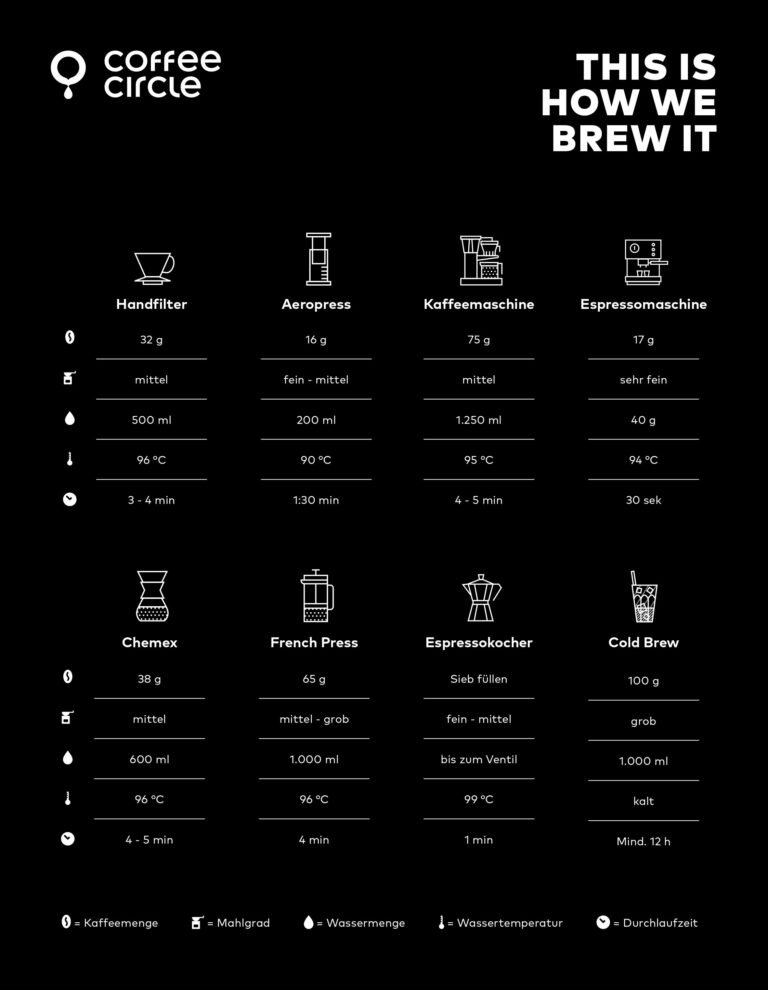
- Coarse Grind: Best for cold brew and cowboy coffee. It allows for longer steeping times without over-extracting and creating bitterness, and it settles more easily.
- Medium-Fine Grind: Ideal for improvised pour-overs and coffee bags. This size allows water to flow through efficiently while extracting good flavor.
- Fine Grind: Generally too fine for most no-maker methods, as it leads to over-extraction and a silty cup.
Using the right grind size is the single biggest factor in producing a quality cup when you make coffee without a coffee maker.
Water Temperature is Key
While exact temperature control is difficult without specialized equipment, aiming for water just off the boil is ideal (around 200°F or 93°C).
- Too Hot: Boiling water can burn the coffee grounds, leading to a bitter taste.
- Too Cold: Water that's not hot enough won't extract the flavors effectively, resulting in a weak, under-extracted brew.
Letting your water sit for about 30-60 seconds after boiling typically brings it to the right temperature range.
Coffee-to-Water Ratio
A good starting point for coffee strength is generally a 1:15 to 1:18 ratio (coffee grounds to water by weight). If you don't have a scale, remember these general guidelines:
- For regular strength: 1-2 tablespoons of coffee grounds per 8 ounces (1 cup) of water.
- For stronger coffee: Increase the amount of grounds or steep for a longer duration.
Experimenting with ratios will help you find your perfect cup when you make coffee without a coffee maker. Don't be afraid to adjust until it's just right.
Frequently Asked Questions
Can I make coffee without a filter?
Yes, you can make coffee without a filter using the "cowboy coffee" method. Simply boil water with coffee grounds and let them settle before carefully pouring.
What's the easiest way to make coffee when camping?
The easiest way to make coffee when camping is often the cowboy coffee method, as it requires only a pot, water, and coffee grounds, which are usually readily available.
How long does it take to make coffee without a coffee maker?
Most stovetop or pour-over methods take about 5-10 minutes from start to finish. Cold brew takes much longer (12-24 hours) due to its steeping process.
Can I use instant coffee grounds with these methods?
No, these methods are designed for regular ground coffee. Instant coffee is already dehydrated brewed coffee and only needs hot water to dissolve.
What type of coffee grounds are best for brewing without a machine?
Coarse grounds are generally best for methods like cowboy coffee and cold brew. For improvised pour-overs, a medium-fine grind works well for better extraction.
Conclusion
Brewing a fantastic cup of coffee doesn't always require fancy machinery or a dedicated coffee maker. As we've explored, with a little ingenuity and basic kitchen tools, you can enjoy a delicious brew using methods like stovetop cowboy coffee, improvised pour-overs, patient cold brew, or even a simple coffee bag. Each approach offers a unique taste experience and proves that your morning ritual is never truly out of reach.
So, the next time your coffee maker decides to take a break, or you find yourself in a situation without one, remember these techniques. Embrace the adventure of making coffee without a coffee maker and discover a new appreciation for the simple art of brewing. Try one of these methods tomorrow morning, and let us know which one became your unexpected favorite!