Making coffee without a coffee maker is simpler than you think; you just need hot water, grounds, and a way to separate them. Ever found yourself craving a warm, comforting cup of joe only to realize your trusty coffee maker is broken, packed away for a trip, or simply non-existent in your current situation? Don't let a lack of fancy gadgets stand between you and your morning ritual. As someone who has brewed countless cups in a variety of unconventional settings – from camping trips to dorm rooms and even during sudden power outages – I can confidently say that knowing how to make coffee no coffee maker is not just a survival skill, it's an art that opens up a world of delightful possibilities. Get ready to unlock the secrets to a fantastic brew, no matter what equipment you have on hand.

Why Go No-Maker? Understanding the Appeal
Life throws curveballs, and sometimes those curveballs involve a sudden, desperate need for coffee without the usual brewing apparatus. Perhaps you're on a spontaneous road trip, camping under the stars, or simply had your old machine give up the ghost. For many, learning how to make coffee no coffee maker isn't just a last resort; it's a choice driven by simplicity, cost-effectiveness, or even a desire to connect with coffee's roots. It cuts out the complexity, the cleaning, and the counter space, proving that a great cup doesn't require a hefty investment or complicated machinery. There’s a certain primal satisfaction in creating something delicious with minimal fuss, and making coffee no coffee maker truly embodies that spirit.
Essential Tools for Your No-Machine Brew
You might be wondering, "If I'm learning how to make coffee no coffee maker, what do I actually need?" The beauty of these methods is their reliance on basic household items. You won't need anything specialized, just a few common kitchen staples. The key components are always your coffee grounds and hot water, but the exact accessories can vary slightly depending on your chosen technique.
Here's a rundown of the essentials:
- Coffee Grounds: This is non-negotiable! For most no-maker methods, a medium to coarse grind is ideal. Finer grinds can lead to a gritty cup.
- Heat Source: A stovetop, microwave, campfire, or even an electric kettle will do. You need to get water hot.
- Water: Fresh, filtered water makes a huge difference in taste.
- Mug or Heat-Safe Container: For brewing and enjoying your coffee.
- Stirring Utensil: A spoon or stick works perfectly.
- Filter (Optional but Recommended):
- Cheesecloth or Muslin: Excellent for straining grounds.
- Paper Towels: A surprisingly effective temporary filter, though use unbleached ones if possible to avoid paper taste.
- Fine Mesh Sieve: Great for a quick strain, especially for coarser grounds.
- Clean Sock or T-Shirt Material: Desperate times call for creative measures! Just ensure it's clean and doesn't have soap residue.
- Gravitational Separation: For methods like cowboy coffee, you can rely on the grounds sinking to the bottom.
Having these simple items on hand means you’re never far from enjoying a fantastic cup, proving that knowing how to make coffee no coffee maker is a valuable skill for any coffee lover.
Popular Methods: How to Make Coffee No Coffee Maker
Now for the fun part: diving into the actual brewing! There are several effective ways to make coffee no coffee maker, each offering a slightly different experience. I've personally used all of these at various times, and they consistently deliver satisfying results.
French Press Method (Without the Press!)
This method mimics the immersion brewing of a French press, giving you a full-bodied cup. It's one of my go-to techniques when I don't have my usual setup.
- Heat Water: Bring your water to a boil, then let it sit for about a minute to cool slightly (around 200°F or 93°C). This prevents burning the coffee.
- Combine: Add your coarse-ground coffee to your mug or heat-safe container. A good ratio is 1-2 tablespoons of coffee per 6 ounces of water.
- Pour and Stir: Slowly pour the hot water over the grounds, making sure they are all saturated. Give it a gentle stir to ensure even extraction.
- Steep: Let the coffee steep for about 4 minutes. For a stronger brew, you can go a bit longer, up to 5 minutes.
- Separate: This is where the "no press" comes in.
- Spoon Method: After steeping, gently push the grounds down to the bottom of the mug with a spoon. Pour slowly and carefully into another mug, leaving the grounds behind.
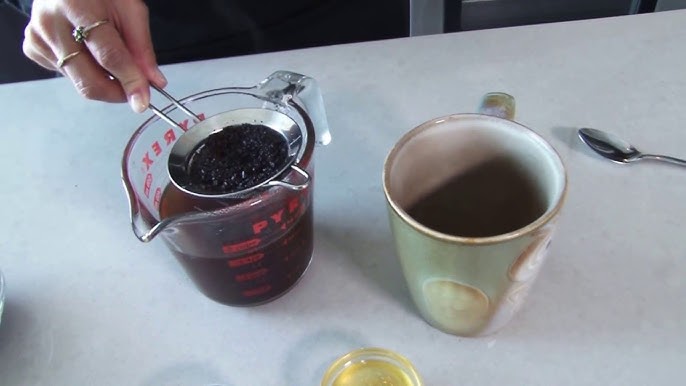
- DIY Filter Method: Place a piece of cheesecloth, a clean paper towel, or a fine mesh sieve over a second mug. Slowly pour the brewed coffee through your makeshift filter. Be patient; it might take a moment.
This is an excellent way to make coffee no coffee maker that yields a rich, flavorful cup with minimal sediment if filtered well.
The Cowboy Coffee Method
Embrace your inner frontiersman with this rugged, straightforward approach. Cowboy coffee is probably the most iconic way to make coffee no coffee maker, known for its simplicity and robust flavor.
- Boil Water: In a saucepan or kettle, bring your water to a rolling boil.
- Add Grounds: Remove the water from the heat and immediately add your coarse-ground coffee. A good starting point is 2 tablespoons per 8 ounces of water.
- Stir and Steep: Give it a good stir, ensuring all grounds are wet. Let it steep for 4-5 minutes. The grounds will initially float, then most will sink.
- The "Shock" Method (Optional but Recommended): To help the grounds settle, pour about a tablespoon of cold water into the pot or gently tap the side of the pot a few times. This helps the grounds clump and sink to the bottom.
- Pour Carefully: Slowly and steadily pour the coffee into your mug, being careful not to disturb the settled grounds. You’ll likely get a little sediment, but that's part of the cowboy charm!
This method, though simple, effectively shows how to make coffee no coffee maker, providing a strong and satisfying brew perfect for any adventure.
Pour Over (DIY Style)
If you appreciate a cleaner cup, a DIY pour over is a fantastic option. It requires a bit more finesse and a good homemade filter, but the results are worth it.
- Prepare Your Filter: Line a funnel, a small sieve, or even just hold a piece of cheesecloth or paper towel over your mug. If using a paper towel, fold it into a cone shape and trim the tip to allow flow.
- Add Coffee: Place your medium-fine ground coffee into your makeshift filter.
- Heat Water: Boil your water, then let it cool for about a minute to reach the optimal brewing temperature.
- Bloom: Pour a small amount of hot water over the grounds, just enough to saturate them. Let it sit for 30 seconds; this allows the coffee to "bloom" and release gases, leading to better flavor.
- Slow Pour: Slowly and steadily pour the remaining hot water over the grounds in a circular motion, trying to keep a consistent stream. This can take 2-3 minutes.
- Enjoy: Once all the water has filtered through, remove your DIY filter, and your clean cup is ready!
Mastering this technique proves that you can certainly make coffee no coffee maker, even when striving for a refined taste.

Achieving the Perfect Cup: Tips and Tricks
Making coffee no coffee maker isn't just about mixing grounds and water; it's about understanding the subtle nuances that elevate your brew from passable to truly enjoyable. Over the years, I've learned that a few key considerations can significantly impact the final taste.
- Water Quality is Key: Just like with any coffee brewing, the water you use heavily influences the flavor. Filtered water is always best, as tap water can introduce off-flavors from chlorine or minerals.
- Temperature Matters: Aim for water between 195°F and 205°F (90-96°C). Boiling water can "scald" the coffee, leading to a bitter taste. If you don't have a thermometer, boil the water and then let it sit for about 60 seconds off the heat.
- Grind Size is Crucial: For most no-maker immersion methods, a medium to coarse grind is your best friend. A grind size similar to sea salt works well. Fine grinds will make your coffee overly bitter and gritty, as it’s hard to filter them out without specialized equipment. If you can only find pre-ground coffee, often it's a medium-fine, which you can still use, just expect a bit more sediment.
- Brewing Time is Important: Don't rush it! Most methods benefit from 4-5 minutes of steep time. Too short, and your coffee will be weak; too long, and it can become over-extracted and bitter. Experiment to find your sweet spot.
- Gentle Stirring: A quick stir after adding water ensures all the grounds are saturated and contributes to even extraction. Avoid excessive stirring, especially later in the steep, as it can agitate grounds and lead to more sediment.
- Patience with Separation: When pouring off the coffee, do it slowly and steadily. Gravitational separation is your friend. Rushing will disturb the settled grounds and result in a muddier cup.
- Experimentation is Encouraged: The best part about learning how to make coffee no coffee maker is the freedom to experiment. Play with ratios, steep times, and filtering methods. Your perfect cup is a journey of discovery!
These small adjustments can make a huge difference in your quest to make coffee no coffee maker, ensuring each cup is as delicious as it is resourceful.

Troubleshooting Common No-Maker Coffee Woes
Even with the best intentions, brewing coffee without a dedicated machine can sometimes lead to less-than-perfect results. Don't worry, these issues are usually easy to fix once you know what to look for. I've certainly had my share of gritty or weak brews when I was first figuring out how to make coffee no coffee maker, so these tips come from experience.
- My Coffee is Too Weak:
- Solution: You likely need more coffee grounds or a longer steep time. Increase your coffee-to-water ratio. If you're using 1 tablespoon per 6 ounces, try 1.5 or 2. Also, let it steep for the full 4-5 minutes, or even a minute longer if it's still too light.
- My Coffee is Too Strong/Bitter:
- Solution: This is usually a sign of over-extraction or too much coffee. Reduce the amount of coffee grounds or shorten your steep time. Make sure your water isn't too hot (boil, then wait a minute).
- My Coffee is Gritty with Lots of Sediment:
- Solution: This often comes down to grind size or inadequate separation. If your coffee is finely ground, switch to a coarser grind if possible. If using pre-ground coffee, try using less of it and letting it steep longer so more grounds settle. When pouring, be extra slow and gentle, letting gravity do its work. For cowboy coffee, the cold water "shock" helps settle grounds significantly. Using a better makeshift filter, like a double layer of paper towel or cheesecloth, can also help.
- My Coffee Tastes Flat or Stale:
- Solution: This could be due to old coffee beans or poor water quality. Always try to use fresh, whole beans ground right before brewing if possible. Store coffee in an airtight container in a cool, dark place. Use filtered water to ensure clean flavors.
- My DIY Filter Clogs or Breaks:
- Solution: If using paper towels, try using two layers for extra strength and better filtration. For cloth filters, ensure they are tightly woven. Don't overload the filter with too much coffee at once; pour slowly.
By understanding these common pitfalls and their straightforward solutions, you'll master how to make coffee no coffee maker in no time, consistently brewing a delicious cup.
Frequently Asked Questions
Can you really make good coffee without a coffee maker?
Absolutely! Many people find that immersion methods, which are common when you make coffee no coffee maker, produce incredibly rich, full-bodied brews that rival or even surpass machine-made coffee. The key is using quality grounds, the right water temperature, and proper steeping time.
What is the simplest method to brew coffee without equipment?
The Cowboy Coffee method is arguably the simplest way to make coffee no coffee maker. It requires only hot water, coffee grounds, a heat-safe pot or mug, and a little patience to let the grounds settle before pouring.
How do you filter coffee if you don't have a coffee filter?
You can use several household items as makeshift filters. Cheesecloth, a clean paper towel (preferably unbleached), a fine mesh sieve, or even a clean sock can be effectively employed to separate grounds from your brewed coffee.
Does the grind size matter when making coffee without a machine?
Yes, grind size is very important when you make coffee no coffee maker. A medium to coarse grind is generally recommended to avoid over-extraction (leading to bitterness) and excessive sediment in your cup, as fine grounds are harder to separate.
How long should coffee steep without a coffee maker?
For most immersion methods, a steep time of 4 to 5 minutes is ideal. This allows for optimal flavor extraction without making the coffee too weak or over-extracted and bitter.
Conclusion
As you can see, the journey to make coffee no coffee maker is not just a practical skill but a delightful exploration of resourcefulness and flavor. Whether you're an avid traveler, a camper, or simply dealing with a temporary appliance malfunction, the ability to brew a fantastic cup with minimal equipment is incredibly empowering. We've covered the essential tools, several effective methods from the full-bodied French press style to the rustic cowboy brew, and crucial tips for perfecting your cup, along with troubleshooting common issues. Embrace the simplicity, experiment with these techniques, and discover the satisfying taste of coffee made with ingenuity. Don't let the absence of a machine deter you; instead, let it inspire you to create your next exceptional brew. Share your favorite no-maker coffee adventures in the comments below, or explore our other guides for more coffee insights!