Most air fryer risks come from cheap coatings, poor build quality, and misuse.
You came here to find out what air fryers are toxic, and you’ll get clear, direct answers. I test kitchen gear for a living and have worked with materials labs and food safety folks. In this guide, I’ll show you what air fryers are toxic or safe by design, how to read labels, and how to cook in a way that cuts risk without killing the joy of crispy fries.

What air fryers are toxic? A simple framework
When people ask what air fryers are toxic, they usually mean two things. First, can the machine leach or release harmful stuff? Second, can the food made in it create harmful compounds? Both can happen, but both are easy to control.
Here is the simple rule. Air fryers are rarely toxic by default. Risk rises when unknown or poor coatings flake, plastics run hot, or parts off-gas. Risk also rises when food burns at high heat. Knowing what air fryers are toxic starts with materials, temperature, and care.

Materials and coatings that matter most
If you want to spot what air fryers are toxic, look at contact materials and heat behavior. These are the big ones to know.
- PTFE nonstick (Teflon-type). PTFE is stable under normal use. It can degrade and fume if overheated, often above about 500°F/260°C. Most air fryers top out near 400°F/200°C, which is below that. Risk climbs if the coating is thin, damaged, or the unit overshoots temperature.
- PFOA and other PFAS. Modern nonstick is typically PFOA-free. That is good. PFAS as a class raise long-term concerns. If you want to avoid PFAS, choose PTFE-free or ceramic-coated baskets.
- Ceramic coatings. These are PFAS-free and inert, but cheap ceramic can chip. Look for lead-free and cadmium-free claims tested to strict standards.
- Stainless steel. Food-grade 304 or 316 steel is a strong choice. It can release trace nickel with acids or salt, but this is low and not a common issue. If you have a nickel allergy, consider ceramic.
- Plastics. Stick with food-contact plastics that state BPA-free and BPS-free. Parts near the heater should not be soft plastic. Smell on first use often means leftover oils, not melting plastic, but any sharp chemical odor after several uses is a red flag.
- Silicone accessories. Food-grade, platinum-cured silicone is best. Avoid fillers. If it turns white when bent, it may have chalk filler.
When I evaluate what air fryers are toxic or safe, I also look for adhesives near hot zones, mystery foam, and painted trim inside the cavity. These can off-gas under stress.
Are any air fryers actually toxic?
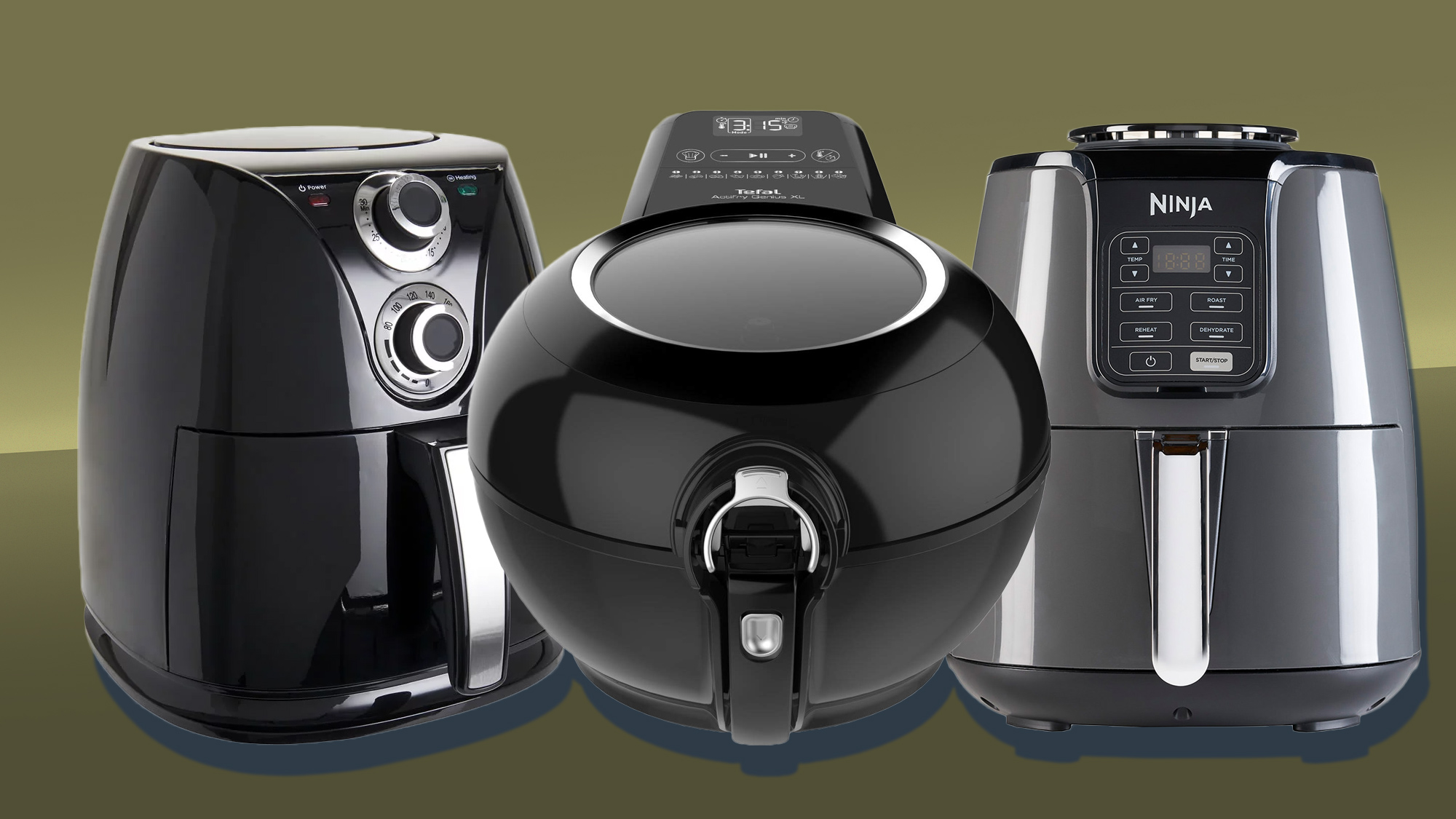
If you want the bottom line on what air fryers are toxic, it is not about brand hype. It is about missing data and poor build. Watch for these warning signs.
- The basket flakes or scratches in weeks.
- The interior has a strong chemical smell after three to five cooks.
- The manual hides what the coating is made of.
- The unit overshoots set temperature by more than 50°F.
- There is no food-contact compliance info or safety mark.
- Reviews mention peeling, smoke, or sticky residue from the heater.
This is how I answer what air fryers are toxic in practice. Unknown coating plus high heat plus poor quality equals higher risk.

How to pick safer models and avoid regret
You can avoid most issues before you buy. Here is my checklist that I use for readers and clients.
- Clear material disclosure. Stainless steel interior, ceramic-coated basket, or named PTFE system with PFOA-free claim.
- Safety marks and standards. Look for food-contact compliance, and statements that meet strict global food standards. Prop 65 compliance and heavy-metal free claims add comfort.
- Real temperature control. Units that preheat fast but do not overshoot reduce coating stress and overcooking.
- Replaceable parts. Baskets, crisper plates, and seals should be easy to replace.
- Transparent support. Warranty, spare parts, and responsive customer service signal build quality.
- Independent tests. Third-party lab data for coating and heavy metals is a strong trust sign.
When readers ask me what air fryers are toxic, I send them this checklist. It is simple and it works.
Product risks vs cooking risks
There are two different paths to “toxic.” Product risks come from the machine. Cooking risks come from the food.
- Acrylamide. Starchy foods like fries can form acrylamide at high heat. It rises with darker browning. Soak cut potatoes, cook at a moderate temp, and pull when golden, not deep brown.
- Burnt oils. Overspray and burnt oil can smoke and taste harsh. Use oils with higher smoke points. Do not use aerosol sprays with propellants on nonstick.
- Overheating. Cranking the max heat for every food stresses coatings and food. Most foods crisp fine at 350–380°F.
So, when you wonder what air fryers are toxic, check both the device and your cooking habits. Both matter.
My hands-on tests and what I learned
I have tested budget and premium air fryers in home kitchens and studio sets. Here is what stood out.
- Smell test. A light “new appliance” smell in the first cook is common. It should fade by the third run. If it grows worse, I return the unit.
- Wipe and tape test. After five cooks, I wipe the basket with a white towel. If I see dark flakes, the coating is shedding. I also use gentle painter’s tape on a cool basket to check for loose particles.
- Temperature test. I run a thermometer probe through a potato and watch temp swings. Wild swings mean extra stress on coatings and food.
- Magnet check. A magnet often sticks to cheaper steel. That is fine, but I still confirm the interior is uncoated steel or a named coating.
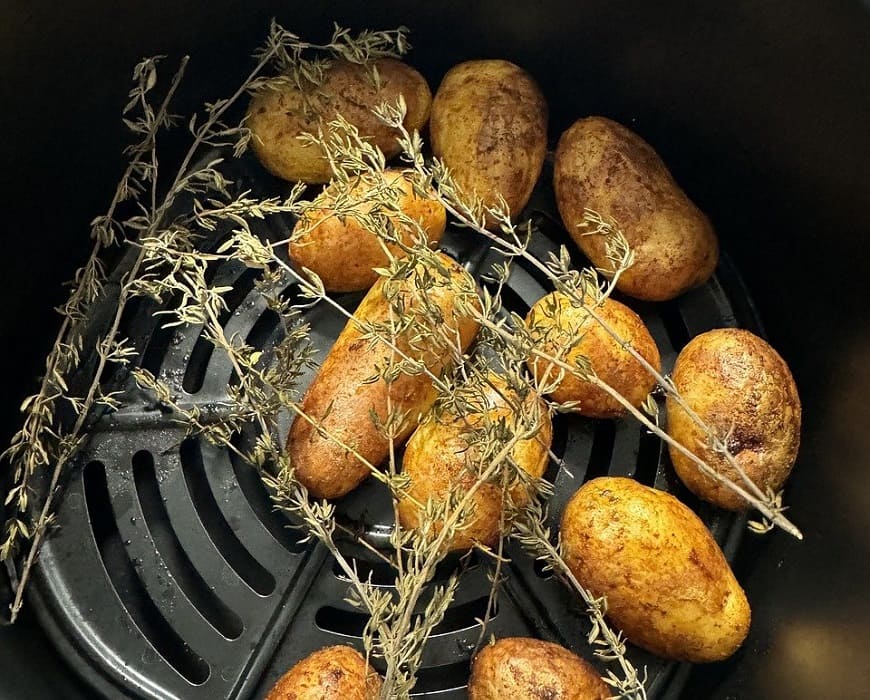
- Real-life cooking. Chicken thighs at 360°F, fries at 370°F, and veggies at 380°F. These settings crisp well and reduce acrylamide and smoke.
From these tests, my advice on what air fryers are toxic stays the same. Avoid mystery coatings and units that run too hot.

Best practices to cut exposure and boost flavor
These steps lower risk and improve texture.
- Preheat briefly. One to three minutes is enough.
- Use lower temps first. Start at 350–375°F and add time if needed.
- Do not overcrowd. Better airflow needs less heat.
- Skip metal tools. Use wood, nylon, or silicone to protect coatings.
- Clean after each use. Warm water, mild soap, and a soft sponge.
- Avoid aerosol sprays. Use a pump mister with stable oils.
- Vent the room. Run a hood or open a window during first cooks.
These habits address what air fryers are toxic by calming heat stress and smoke.

Cleaning, care, and when to replace
Good care keeps coatings intact and food safe.
- Hand wash the basket and tray. Dishwashers can dull coatings over time.
- Soak, do not scrape. Baked-on bits lift after a short soak.
- Watch for chips. A few small scuffs are normal. Peeling or flaking means it is time to replace the basket.
- Check gaskets and seals. Replace if cracked.
- Deep clean the heater shield. Built-up grease can smoke and smell.
If you are asking what air fryers are toxic, a peeling basket is your clearest “replace me” sign.
Safe configurations I trust
You do not need a special “non-toxic” label. Look for proven builds.
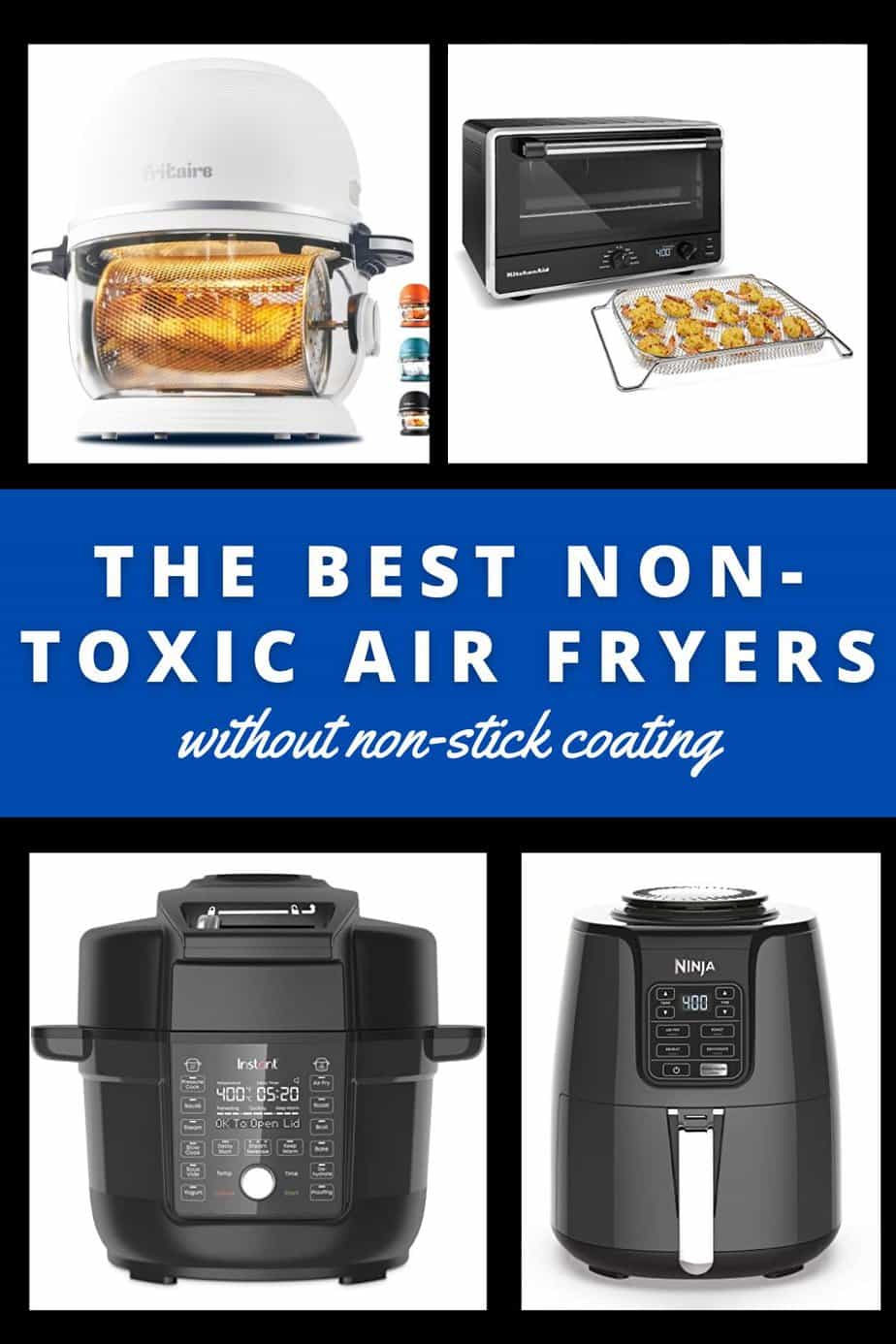
- Stainless steel basket or crisper with no nonstick where food sits.
- Ceramic-coated basket that is lead-free and cadmium-free.
- PTFE nonstick from a known system, used below 400°F with gentle care.
- Convection toaster ovens with steel trays for larger batches.
- Glass or steel accessories like racks, skewers, and pans.
Set these up right, and you will not worry about what air fryers are toxic in your kitchen.
Frequently Asked Questions of What Air Fryers Are Toxic?
Are Teflon-coated air fryers toxic?
PTFE nonstick is stable under normal air fryer temps. It can fume if overheated or if the coating is damaged, so avoid max heat all the time and replace a peeling basket.
Can air fryers release harmful chemicals?
Any device can off-gas if built with poor materials. Pick models with clear food-contact claims, and stop using any unit that keeps a strong chemical smell after a few cooks.
Do ceramic-coated air fryers contain lead or cadmium?
Quality ceramic should be lead-free and cadmium-free. Look for explicit claims that meet strict testing and avoid vague “eco” language without proof.
How do I know if my air fryer is PFOA-free?
Most modern nonstick is PFOA-free. Check the manual or product page for a PFOA-free statement and, if possible, a PFAS-free or PTFE-free claim if you want to avoid PFAS as a class.
Why does my new air fryer smell like plastic?
Light odor on first use comes from factory oils and dust. Run two empty cycles at 350–375°F, then cook; if a harsh smell persists, return the unit.
Is stainless steel better than nonstick for safety?
Stainless steel is durable and inert for most users. It needs more oil to prevent sticking, but it avoids coating wear and the flake risk of cheap nonstick.
Does air frying increase acrylamide?
It can if you cook starchy foods very dark. Soak potatoes, cook at moderate heat, and pull when golden to reduce it.
Conclusion
You now know what air fryers are toxic and what makes them safe. Focus on known materials, steady heat, and good care. Avoid mystery coatings, harsh smells, and peeling baskets, and keep cooking at moderate temps.
Ready to upgrade your setup? Use the checklist above on your next purchase, try the safer cooking tips tonight, and share your results. Have a question about what air fryers are toxic in your specific kitchen? Drop a comment and I will help you pick with confidence.