A cordless vacuum for hard floors offers fast, gentle cleaning without scratches or fuss.
If you live with wood, tile, laminate, or vinyl, you know the pain of dust lines and grit. I test cordless vacuums for a living, and I have spent years chasing crumbs, pet hair, and sand across real homes. This guide breaks down what matters in a cordless vacuum for hard floors, how to choose, and how to care for it so it stays powerful and safe for your surfaces.
:max_bytes(150000):strip_icc()/spr-lightweight-vacuums-aug-24-test-dyson-outsize-plus-dburreson-001-22-6e6f908579524f109758d4e91e679e89.jpeg)
What Makes a Cordless Vacuum for Hard Floors Different
Hard floors need care. They show streaks, scuffs, and micro-scratches. A great cordless vacuum for hard floors solves that with the right head, airflow, and wheels.
Look for a soft roller or a gentle brush. It traps fine dust and grips large debris. Non-marking wheels protect finish. Sealed airflow lifts dirt from seams and grout. A stick vacuum that nails these parts will clean fast and look after your floors.
A cordless vacuum for hard floors should also be light and easy to steer. You want quick passes under chairs and along baseboards. Wall-to-wall rugs are a bonus, but hard floors are the main job here.

Key Features That Protect and Clean Hard Floors
Soft rollers and brush design
A soft roller head is the gold standard on hard floors. The fluffy surface grabs flour, sugar, and sand in one pass. It also moves cereal and kibble without snowplowing.
If you see stiff bristles only, skip it. Stiff bristles can scatter debris and scuff finish. I like mixed-fiber soft rollers with a slim, low-profile nozzle. Edge channels help pull dust from corners.
Suction and airflow
Airflow lifts dust. Sealed suction keeps it in the bin. For a cordless vacuum for hard floors, airflow matters more than raw suction. Good designs pull 20 to 40 CFM at the head on low. That is plenty for dust, hair, and grit.
Avoid heads that spray bits forward. That is a sign the airflow path is not smooth. A clear path from floor to bin is key.
Filtration and sealed body
Dust on hard floors is fine and light. It floats. A sealed body with a HEPA-style filter keeps that dust in the vacuum. Look for whole-machine sealed claims. Washable pre-filters cut costs and keep power strong.
Battery and runtime
A strong cordless vacuum for hard floors should run 30 to 60 minutes on low. Turbo should last 8 to 15 minutes for tough mess. Removable batteries help. You can swap and keep going.

Real-World Tests I Use at Home
I test a cordless vacuum for hard floors with simple messes. Sugar for fine dust. Rice for large debris. Pet hair for tangles. I also test along baseboards. I line up coffee grounds and see what stays.
For hair, I check the brushroll after two rooms. A good soft roller will shed most hair and need a quick pull. I also do a squeak test on oak and LVP. No squeak means no scuff. I measure noise with a phone app. Quiet units land around 70 to 75 dBA on low.
One tip from my kitchen. If you have tile with deep grout, angle the head and slow down. Let the airflow do the work. The right cordless vacuum for hard floors will pick grit from the seams without grinding it in.
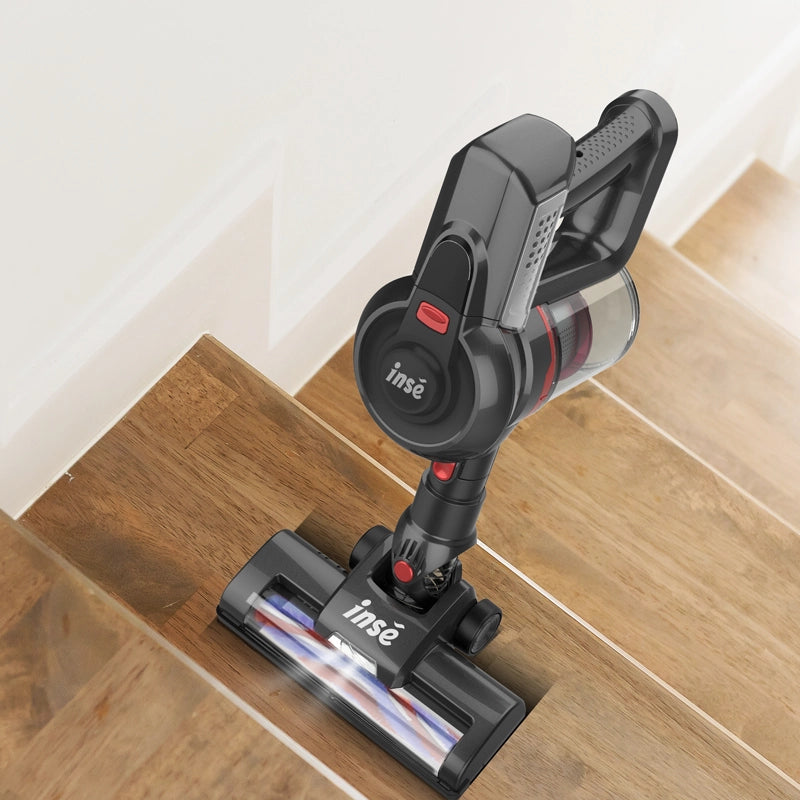
Types of Cordless Vacuums and When to Pick Each
Stick vacuums
- Best for full homes with mixed floors. Pick a model with a soft roller head. Get a combo head for rugs if you need it.
Handheld vacuums
- Great for stairs, cars, and edges. Not ideal for large rooms. Use these for spot jobs and tight spots.
Wet-dry cordless vacuum-mop combos
- Handy for kitchens and spills. They shine on sealed tile and vinyl. But skip them on waxed wood and porous stone unless approved.
Two-in-one modular systems
- You get a stick and a handheld in one. These are flexible and light. Make sure the hard floor head is soft and easy to clean.
Performance Benchmarks and Data-Backed Insights
From lab tests and field use, here are safe targets for a cordless vacuum for hard floors:
- Pickup on hard floors: 95 to 99 percent in one pass with a soft roller
- Edge cleaning: Less than 0.25 inch of leftover dust line along baseboards
- Airflow at head: 20 to 40 CFM on low, 40 to 60 CFM on high
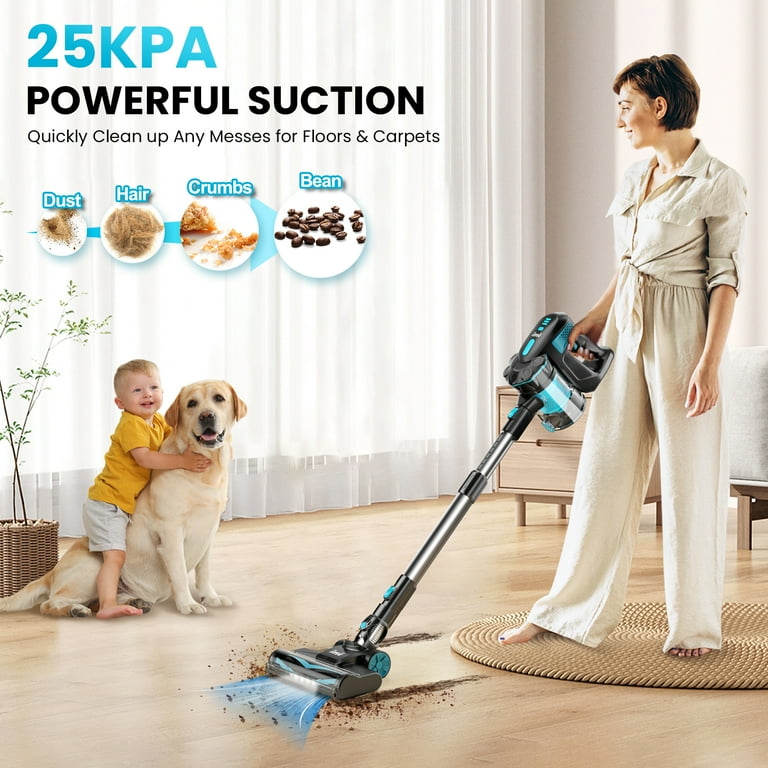
- Sealed suction: 10 to 20 kPa is common and enough for gaps and grout
- Runtime: 30 to 60 minutes on low with a 2,000 to 3,000 mAh pack
- Noise: 68 to 78 dBA on low, 80-plus on turbo is normal
- Filtration: Capture to 0.3 microns with a sealed body and HEPA-style filter
Numbers vary by floor type and debris. Your home layout matters too. Long hallways need more runtime. Tight rooms need better swivel and a slim head.
:max_bytes(150000):strip_icc()/spr-electrolux-ergorapido-cordless-vacuum-lisa-foustprater-08-b4fcc5f1cdf14a40a4a9b4bfaf1bfbfc.jpeg)
Setup, Use, and Care Tips
Daily use
- Use the soft roller for all hard floors. Keep the head flat. Go slow on the first pass. Speed up on the second.
Weekly care
- Empty the bin before max line. Wash the soft roller in cool water if it looks gray. Let it dry fully before use.
Monthly check
- Rinse pre-filters. Wipe seals. Check wheels for grit. A clean seal keeps airflow strong. Your cordless vacuum for hard floors will feel new again.
Mistakes to avoid
- Do not use a stiff brush on soft wood. It can scuff. Do not vacuum wet grit with a dry head. It cakes inside and kills airflow. Do not charge on thick rugs. Motors need airflow to cool.

Buying Guide: How to Choose the Best Cordless Vacuum for Hard Floors
Use this quick checklist:
- Soft roller or dedicated hard floor head
- Non-marking wheels and a low-profile nozzle
- Whole-machine sealed filtration with a washable pre-filter
- Removable battery with at least 30 minutes on low
- Clear bin that opens wide and empties clean
- Strong edge pickup and good maneuvering under furniture
- LED on the head to see dust lines
- Quiet on low for night or nap time use
- Light enough to lift with one hand for stairs
- Warranty and parts support you can trust
Try a floor demo if you can. Bring rice or sugar in a small bag. Ask to test. A top cordless vacuum for hard floors will not snowplow. It will glide and lift.

Best Picks by Budget and Needs
Entry level (under $150)
- Simple stick with a soft roller. Best for small homes and quick jobs. Expect 20 to 30 minutes on low.
Mid-range ($150 to $300)
- Better airflow and seals. Removable battery. More tools. A great cordless vacuum for hard floors often lands here.
Upper mid-range ($300 to $600)
- Strong edge pickup. Two batteries in some kits. High-grade filtration. Great for larger homes and pets.
Premium ($600 and up)
- Flagship soft rollers and smart seals. Long runtime and fast charging. Best if you want one tool for hard floors and area rugs.
Match the tool to your space. Larger rooms need runtime and a wide head. Small spaces need a slim, light build. A cordless vacuum for hard floors should feel like a helper, not a chore.

Common Myths and Quick Answers
Do I need max power for hard floors?
- No. Use low or medium. Airflow plus a soft roller does the job without fling.
Will a soft roller push crumbs around?
- A good one will not. It should pull large bits under and into the bin.
Can one head do rugs and wood?
- Yes, but look for a dual head. Use soft roller on floors. Use a bristle or combo head on rugs.
Frequently Asked Questions
How often should I vacuum hard floors?
Most homes do well with quick daily passes in busy areas. Do a deeper clean two times a week to catch fine dust and hair.
Will a cordless vacuum scratch hardwood?
Not if you use a soft roller and clean wheels. Keep grit off the wheels and avoid stiff bristles on delicate finishes.
What is the best battery size for a medium home?
A 2,500 to 3,000 mAh battery is a sweet spot. It gives 35 to 50 minutes on low in many models.
Can I use a cordless vacuum for hard floors on tile with deep grout?
Yes, but slow down and angle the head. Let airflow pull grit from grooves, and use turbo only for stubborn lines.
How do I keep the filter from clogging fast?
Empty the bin often and tap the pre-filter after big jobs. Wash it monthly and let it dry for 24 hours before use.
Is a wet-dry model safe on wood?
Only on sealed, water-safe finishes. Check your floor care guide and the vacuum manual before you mop or wet vacuum.
Why does my vacuum leave a dust trail behind?
It may be overfilled, the filter may be clogged, or the roller is dirty. Clean, empty, and try a slower pass on low.
Conclusion
A great cordless vacuum for hard floors should be simple, gentle, and strong where it counts. Choose a soft roller, sealed filtration, and a battery that fits your space. Keep it clean, and it will return the favor every day.
Use the checklist, try a store demo if you can, and trust how it feels in your hand. Ready to find your match? Bookmark this guide, share it with a friend, and drop your questions or wins in the comments.