Percolate coffee gently for 6–8 minutes after first perk; adjust to taste.
If you love bold, old-school coffee, percolating can be magic. I’ve brewed hundreds of pots at home and over campfires, and timing is the secret. In this guide, I’ll show you exactly How Long To Percolate Coffee for your setup, why it matters, and how to dial in flavor like a pro. Read on for simple steps, real tips, and reliable timing you can trust.
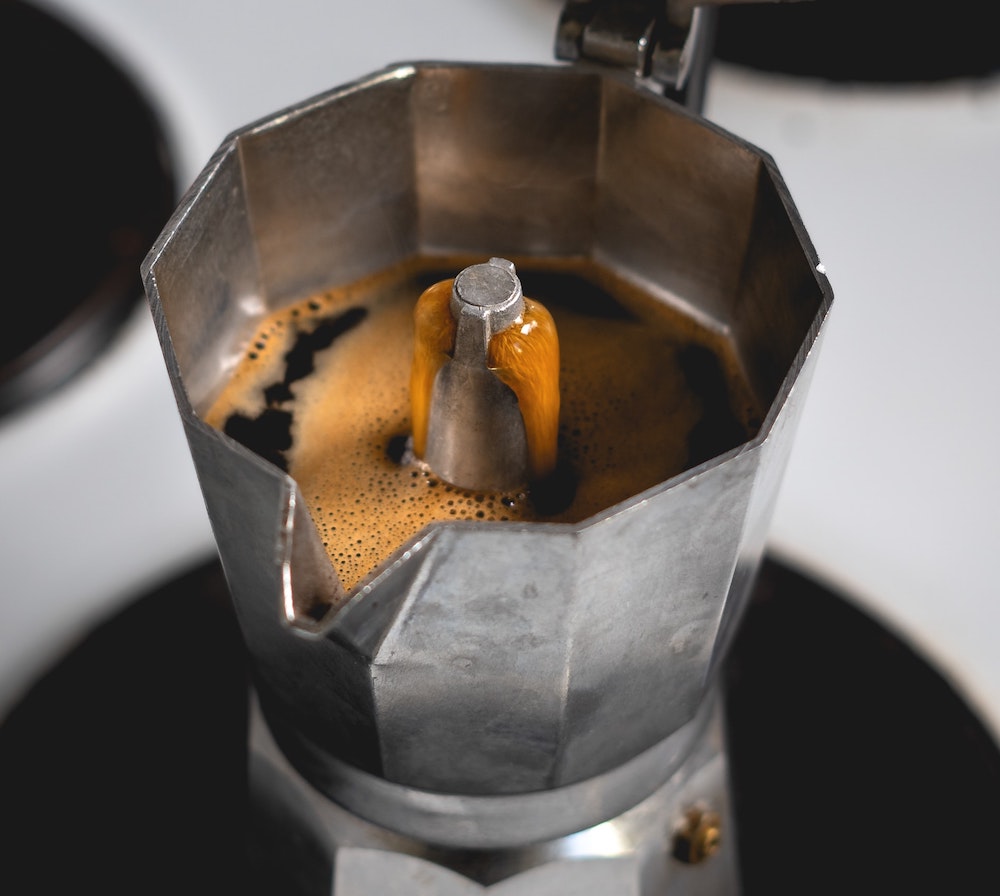
What Is Percolated Coffee And Why Timing Matters
Percolated coffee cycles hot water up a tube and over the grounds again and again. This builds strong flavor fast, but it can also push into bitter if you let it run too long. Unlike drip or pour-over, percolators keep brewing the same grounds, so time and heat control matter more.
Think of it like simmering soup. A gentle simmer extracts depth. A rolling boil turns harsh. The same is true here. To nail your cup, you need a steady perk and a clear plan for how long to percolate coffee.
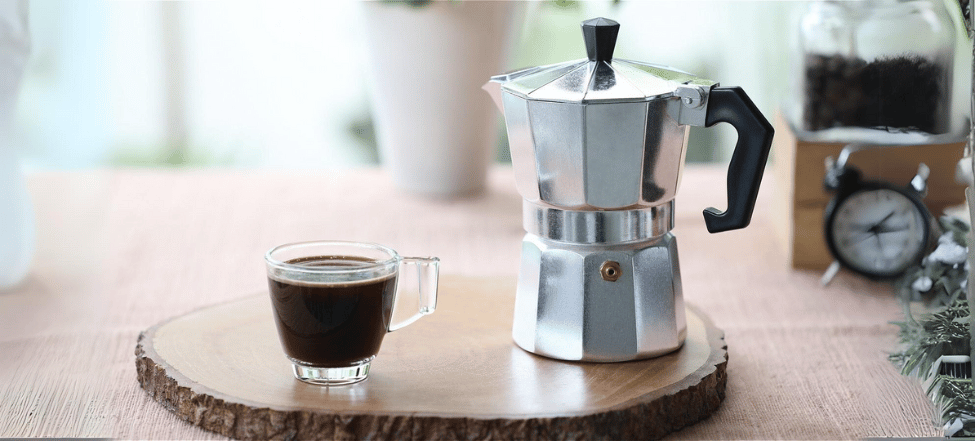
The Core Rule: How Long To Percolate Coffee
The best starting point for how long to percolate coffee is 6–8 minutes of gentle perking after you see the first perk. Gentle means small, steady bubbles, not a roaring boil.
Use these ranges and adjust:
- Light roast: 7–9 minutes for more sweetness and body.
- Medium roast: 6–8 minutes for balance.
- Dark roast: 4–6 minutes to avoid bitterness.
Watch the perk sight-glass if your pot has one. Aim for about one perk per second. If it races, lower the heat. If it stalls, raise the heat slightly. Keep notes so you can repeat what works.

Factors That Change How Long To Percolate Coffee
A few details can change how long to percolate coffee for your taste and setup.
- Grind size: Coarse to medium-coarse is best. Finer grind needs shorter time and risks bitterness.
- Roast level: Darker roasts extract faster. Go shorter.
- Batch size: Larger pots often need a bit more time to balance strength. Start with +1 minute.
- Altitude: Water boils at a lower temperature up high. You may need +1–2 minutes.
- Water quality: Soft or filtered water helps clarity. Very hard water can mute flavor.
- Bean age: Fresh beans may need slightly longer. Stale beans can turn bitter fast.
- Heat level: Keep a gentle perk. A rolling boil over-extracts and burns.
- Lid opening: Peeking often drops heat. Hold steady to keep timing accurate.
These tweaks explain why two people can use the same pot but get different cups. Dial them in, and you’ll lock in how long to percolate coffee for your gear.
Step-by-Step Brew Guide For Perfect Percolation
Use this simple method to control flavor and time.
- Measure and prep
- Use a 1:15 to 1:17 coffee-to-water ratio. For 32 oz water, use 2 to 2.5 oz coffee.
- Grind coarse to medium-coarse. Think sea salt.
- Optional: Pre-wet grounds and add a paper disk filter to reduce fines.
- Heat setup
- Fill the pot with hot water to shorten time on heat.
- Assemble the basket and stem. Place the lid.
- Start the perk
- Heat on medium until the first perk appears.
- Start your timer now. This is the moment that defines how long to percolate coffee.
- Gentle control
- Aim for one perk per second. Adjust heat to keep it steady.
- Let it run 6–8 minutes for a balanced cup.
- Finish and serve
- Remove from heat right away. Do not let it sit on the burner.
- Rest 30–60 seconds so grounds settle. Then pour.
This flow reduces harsh notes and gives you repeatable timing. It’s my go-to when I teach friends how long to percolate coffee at home.

Time Guides: Stovetop vs Electric Percolators
Stovetop percolators need your attention. Electric models automate heat.
- Stovetop timing: 6–8 minutes from first perk for medium roasts. Go 4–6 for dark, 7–9 for light. Keep the perk gentle.
- Electric timing: Most cycle 7–10 minutes total and auto-stop near a target strength. If your unit runs strong, remove the basket a minute early.
Either way, the best test is taste. If your cup is too sharp, cut 1 minute next time. If it’s thin, add 1 minute. These tiny shifts make how long to percolate coffee easy to control.
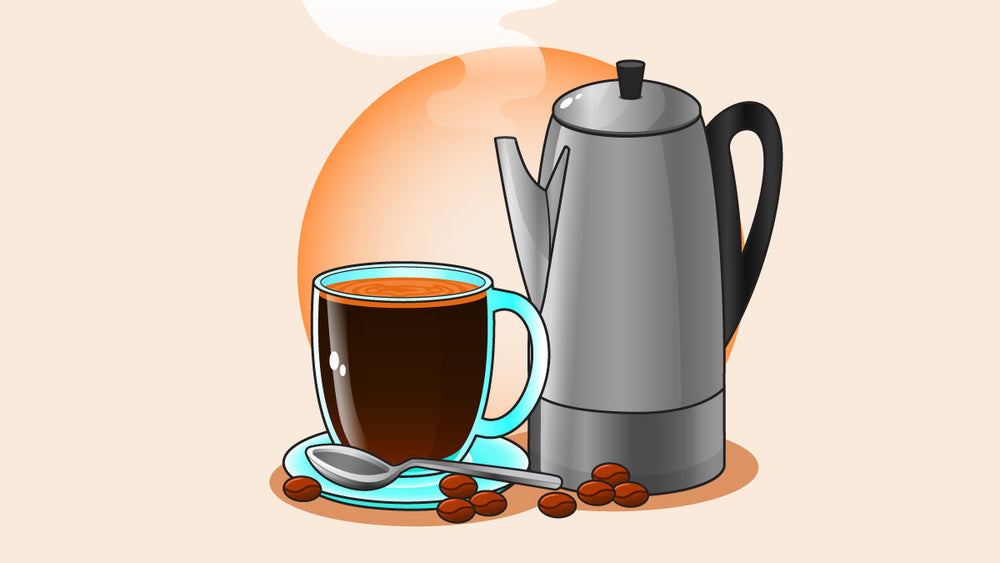
Taste Diagnostics: Under vs Over Percolation
Knowing the signs helps you set how long to percolate coffee with confidence.
- Under-percolated: Sour, thin, grassy, quick finish. Fix by extending 30–60 seconds or grinding a bit finer.
- Over-percolated: Bitter, ashy, dry, lingering harshness. Fix by stopping 1–2 minutes earlier, grinding coarser, or lowering heat.
- Flat cup: Dull and heavy. Likely very hard water or dirty pot. Clean well and use filtered water.
I taste after 5–6 minutes sometimes when teaching. A small spoon sip guides the last minute or two.
Personal Notes, Tips, and Mistakes To Avoid
I learned how long to percolate coffee on a foggy beach trip with a vintage pot. My first batch ran 12 minutes. It tasted like licking a campfire. The next day I kept the perk slow and ended at 7 minutes. Same beans, new world.
Try these tips:
- Preheat water so grounds face less harsh heat.
- Keep the perk at a calm, steady rhythm.
- Pull dark roasts early. They go from bold to burned fast.
- Do not leave the pot on a hot burner to “keep warm.”
- Rinse old oils with hot water and mild soap after each brew.
Avoid these mistakes:
- Using fine grind. This extracts too fast and clogs the basket.
- Ignoring altitude. Go a bit longer at high elevations.
- Opening the lid over and over. You lose heat and stall extraction.
These small habits make how long to percolate coffee clear and simple every morning.
Flavor Control: Grind, Ratio, Roast
Once you have timing down, tune the other big levers.
- Grind: Coarser equals cleaner, lighter body. Slightly finer gives more strength but can turn harsh fast.
- Ratio: More coffee means more strength at the same time. If your cup is thin at 7 minutes, try a 1:15 ratio before adding time.
- Roast: Light roasts can handle longer percs for sweetness. Dark roasts need short, gentle percs to keep chocolate notes clean.
This trio works with timing to define your final cup. It’s the heart of how long to percolate coffee for your taste.
Care and Cleaning For Consistent Timing
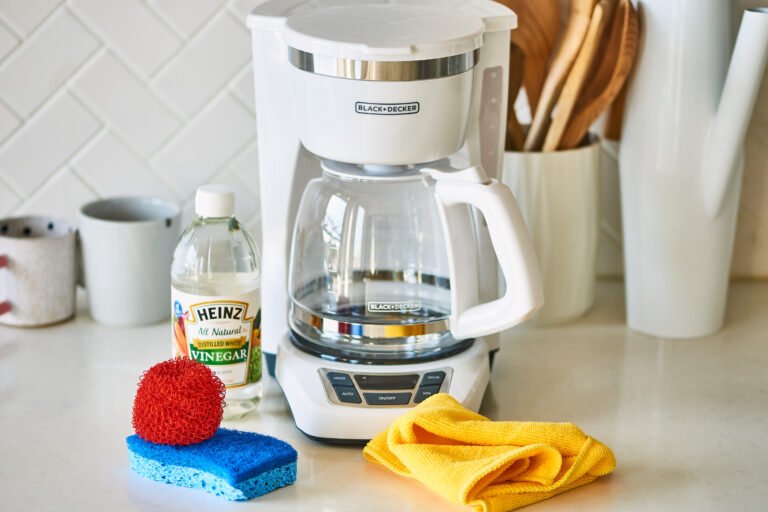
A clean pot brews faster and tastes better. Old oils stick to metal and add bitter notes.
- Rinse all parts after each brew with hot water and mild soap.
- Deep clean weekly with a baking soda soak or a coffee maker cleaner.
- Replace worn gaskets or basket screens if your model uses them.
- Store the pot dry to avoid musty odors.
Clean gear keeps extraction even, so how long to percolate coffee stays reliable from cup to cup.
Frequently Asked Questions of How Long To Percolate Coffee
How long do I percolate coffee on the stove?
Start timing at the first perk and go 6–8 minutes for most beans. Use 4–6 minutes for dark roasts and 7–9 minutes for light roasts.
Does grind size change how long to percolate coffee?
Yes. Coarser grind needs slightly longer time, and gives a cleaner cup. Finer grind extracts fast and can turn bitter, so shorten the time if you must go finer.
How long should an electric percolator run?
Most electric percolators run 7–10 minutes and stop on their own. If your brewer tastes too strong, remove the basket a minute before it finishes.
Can I percolate coffee longer for more strength?
You can, but strength from longer time often brings bitterness. Increase your coffee dose or use a slightly finer grind before adding extra minutes.
How do altitude and boiling point affect timing?
At higher altitudes, water boils at a lower temperature. Add 1–2 minutes to your usual time to reach similar extraction.
What ratio should I use with a percolator?
A 1:15 to 1:17 coffee-to-water ratio works well. If your cup is weak at 7 minutes, try 1:15 before changing time.
Is percolated coffee the same as moka pot coffee?
No. A moka pot uses pressure to force water through grounds once. A percolator recycles hot water over grounds, so timing has a bigger impact.
Conclusion
You now have a clear plan for how long to percolate coffee and how to tweak it for your setup. Start the timer at first perk, aim for a gentle rhythm, and finish around 6–8 minutes. Taste, adjust by 30–60 seconds, and keep notes.
Make your next pot today and test one change at a time. If this helped, subscribe for more easy coffee guides, share your results, or drop your timing wins in the comments.