Yes. Plain coffee is naturally gluten-free and safe for most people with celiac disease.
If you live gluten-free, you still want your coffee to be calm, safe, and tasty. Can you drink coffee with celiac disease? I’ll show you how to choose beans, avoid cross-contact, and sip with confidence. I work with clients who live with celiac disease, and I also manage my own strict gluten-free routine. This guide blends real-world tips with clear evidence so you can enjoy your cup without worry.

What celiac disease is and where coffee fits
Can you drink coffee with celiac disease? Yes, when you know what to watch for.
Celiac disease is an autoimmune condition. Gluten from wheat, barley, and rye triggers an immune attack in the small intestine. Over time, this can harm the gut and make food hard to absorb.
Coffee beans do not have gluten. Roast coffee is the seed of a fruit. The risk comes from additives and cross-contact, not the bean itself. Your goal is to keep coffee simple and clean.
Key points:
- Coffee beans are gluten-free by nature.
- Gluten enters by flavorings, mixes, or shared tools.
- Your symptoms can also come from caffeine or milk, not gluten.

Is coffee gluten-free? Plain, instant, and flavored
Can you drink coffee with celiac disease? You can, if you pick the right products.
- Whole bean or ground coffee: Safe when plain and unflavored. Most brands are fine.
- Instant coffee: Plain instant is usually gluten-free. Avoid instant “mixes” with creamers, malt, or cookies.
- Flavored beans and syrups: These can be risky. Some use barley malt or vague “natural flavors.” Look for a gluten-free label or pick plain coffee and add your own safe flavors at home.
- Coffee pods: Many are plain and fine. Check labels and brand statements.
Label tips:
- Scan for wheat, barley, rye, malt, brewer’s yeast, and wheat starch.
- “Gluten-free” in the US means under 20 ppm gluten.
- When in doubt, contact the brand.
:max_bytes(150000):strip_icc()/IBS-vs-Celiac-Disease-vs-GlutenSensitivity-01-659bd762dffe40e795c473f22ac1cde5.jpg)
Hidden gluten and cross-contact risks at cafes and at home
Can you drink coffee with celiac disease? Yes, but cross-contact is the trap to avoid.
Cafe risks I see often:
- Shared grinders and hoppers with flavored beans or pastry dust nearby.
- Steam wands and pitchers used for cookie drinks or malted powders.
- Oat milk that is not certified gluten-free.
- Busy bars where flour dust can linger in the air.
Safer cafe orders:
- Ask for a fresh pour-over with a new filter.
- Request a clean, wiped, and purged steam wand.
- Use single-serve milks that are opened for you.
- Skip oat milk unless it is certified gluten-free.
- Choose a disposable cup with a clean lid.
- Avoid seasonal syrups unless labeled gluten-free.
Home setup tips:
- Keep a dedicated grinder and airtight bins.
- Store coffee away from baking flour.
- Use clean scoops and a fresh filter.
- Add flavors at home with safe options like vanilla extract labeled gluten-free, cinnamon, or cocoa labeled gluten-free.

How coffee may affect your gut when you have celiac disease
Can you drink coffee with celiac disease? Often yes, but your gut may be sensitive.
Caffeine can speed the gut and raise acid. If your gut is healing, this can feel rough. Some people also react to milk or cream, not coffee. After diagnosis, temporary lactose intolerance is common while the intestine heals.
What to watch:
- Bloating, reflux, jitters, loose stools, or cramping after coffee.
- Add-ins like milk, creamers, or sweeteners that can trigger symptoms.
- Timing. An empty stomach can make coffee feel harsher.
Gentle tweaks:
- Try half-caf or decaf. Swiss Water Process decaf is a clean option.
- Opt for cold brew or low-acid roasts.
- Eat a small snack with your cup.
- Test dairy-free options that are certified gluten-free.

Smart coffee choices for people with celiac disease
Can you drink coffee with celiac disease? Yes, and these habits make it simple.
Pick:
- Whole bean, single-origin, and unflavored coffee.
- Brands that share roasting rooms only with coffee.
- Certified gluten-free flavored coffees if you want flavors.
Brew:
- Use a clean pour-over, French press, or drip with a new filter.
- Dedicate tools if your kitchen has gluten baking.
- Wipe gear before use if you share space.
Order:
- At cafes, ask for a fresh pour-over.
- Skip oat milk unless certified gluten-free.
- Ask about syrups and powders. Choose only those with a gluten-free label.
Troubleshooting plan I use with clients:
- Step 1: Go gluten-free and stabilize symptoms for 2–4 weeks.
- Step 2: Reintroduce coffee. Start with 4–6 ounces of plain hot or cold brew.
- Step 3: Track your response. Adjust caffeine, acidity, or add-ins.
- Step 4: If symptoms pop up, pause, then try decaf or cold brew. Rule out dairy or sweeteners.

Myths, evidence, and what studies say
Can you drink coffee with celiac disease? Research supports yes for plain coffee.
What the evidence shows:
- Coffee beans do not contain gluten. This is a botanical fact.
- Reports of “coffee cross-reacting with gluten” come from lab methods that are not the same as real-life food reactions. Clinical evidence does not show coffee triggers celiac autoimmunity.
- Symptom flares after coffee are more often due to caffeine, acid, dairy, or cross-contact, not gluten in the bean.
What I have seen in practice:
- Most people with celiac enjoy plain coffee with no problems.
- Those with reflux or IBS do better with small cups, decaf, or cold brew.
- Flavored drinks and busy cafe bars are the most common sources of risk.
Bottom line:
- Plain coffee is safe.
- Check labels for flavored and instant items.
- Control the brew method to cut cross-contact.
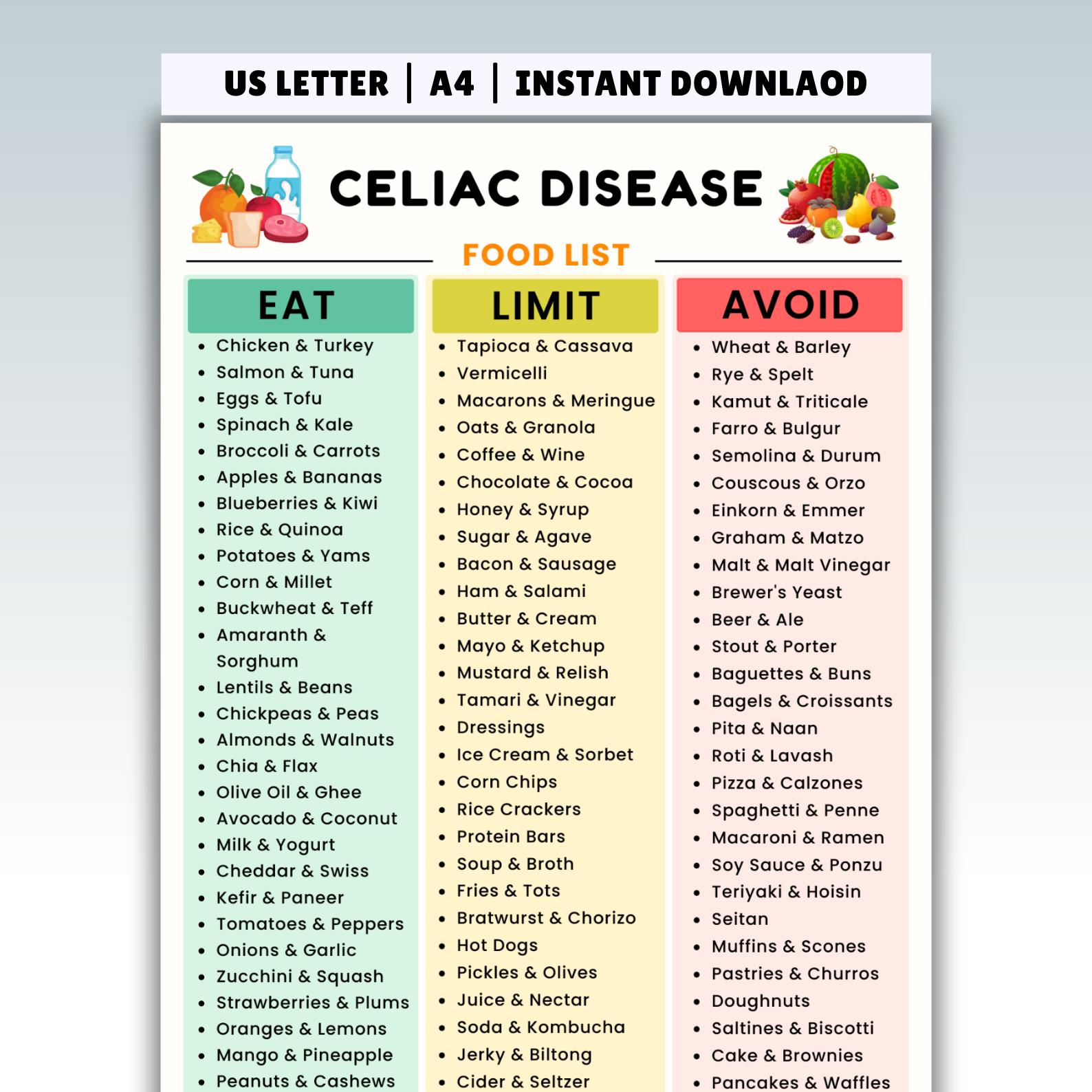
Frequently Asked Questions of Can You Drink Coffee with Celiac Disease?
Can you drink coffee with celiac disease at coffee shops?
Yes, you can. Ask for a fresh pour-over, confirm clean tools, and skip unsafe syrups or non-certified oat milk.
Are flavored coffees safe on a gluten-free diet?
Some are, some are not. Choose products labeled gluten-free or use plain coffee with safe flavor add-ins at home.
Is instant coffee gluten-free?
Plain instant coffee is usually gluten-free. Avoid 3-in-1 mixes or products with malt, barley, or cookie flavors.
Does decaf help if coffee upsets my stomach?
It often does. Try Swiss Water Process decaf, cold brew, or low-acid roasts to reduce gut stress.
Could milk be the real problem, not coffee?
Yes. After diagnosis, some people have temporary lactose intolerance. Test lactose-free milk or certified gluten-free dairy-free options.
How can I avoid cross-contact when I order?
Ask the barista to use a new filter, purge the steam wand, and serve in a clean cup. Keep your order simple and plain.
Can you drink coffee with celiac disease if you have IBS too?
Yes, but start low and go slow. Try smaller cups, decaf, or cold brew and track your symptoms.
Conclusion
You can enjoy coffee and protect your gut health with smart choices. Keep coffee plain, verify labels, and control how it is brewed. If your stomach is touchy, try decaf, cold brew, or a smaller cup with a snack.
Your next step is simple: pick a plain, high-quality bean and brew a clean pour-over at home. If you found this helpful, subscribe for more gluten-free tips, or leave a comment with your favorite safe coffee routine.