An air fryer cooks by blasting hot, fast-moving air around your food.
Curious about How Does an Air Fryer Work beyond the hype? I’ve tested models from compact to XL, timed preheats, and tracked crisp levels across dozens of foods. In this guide, I’ll break down the science and the setup in plain English. You’ll learn How Does an Air Fryer Work, where it shines, where it falls short, and how to get perfect, crispy results at home.
How Does an Air Fryer Work? The Core Idea
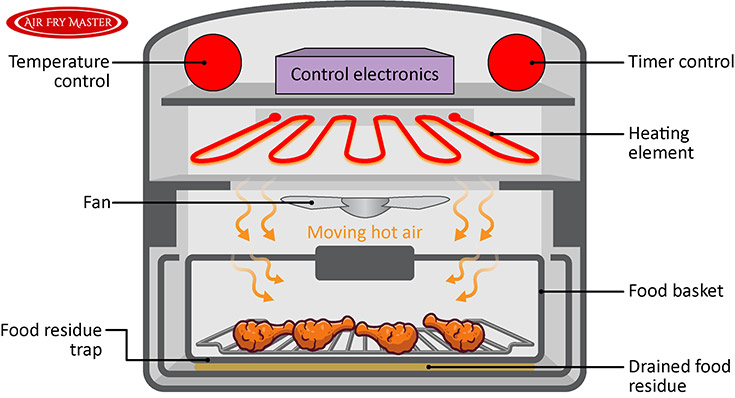
An air fryer is a small, powerful convection oven. A heating element warms the air. A high-speed fan pushes that hot air around your food. The airflow is strong and even, so surfaces dry fast and brown well. That is why fries, wings, and veggies come out crisp without a deep oil bath.
Most units cook between 300–450°F. Many preheat in 3–5 minutes. Typical power is 1200–1700 watts for countertop models. The basket’s holes and the curved chamber help air sweep under and around each bite. This steady, forced convection is the heart of How Does an Air Fryer Work.
Think of it like a wind tunnel for heat. Your food sits in the path of hot air. The surface water cooks off quickly. The outside browns and stays crisp while the inside stays tender. If you’ve asked, How Does an Air Fryer Work for fries compared to an oven, the answer is airflow density. The air fryer moves more air, closer to the food.

Key Components Inside an Air Fryer
- Heating element Converts electricity into heat. Often sits above the basket.
- Fan Drives hot air at high speed. Spreads heat fast and evenly.
- Basket or tray Perforated to let air flow on all sides. Often nonstick.
- Crisper plate Lifts food off the base. Boosts browning and drip drainage.
- Sensors and controls Thermostats and timers regulate heat and time.
- Drip pan or drawer Catches oil and crumbs. Keeps the chamber clean.
- Outer shell and insulation Keeps heat in and the counter safer to touch.
Each part supports the airflow loop. That loop is the core of How Does an Air Fryer Work. Better airflow means better browning and faster cook times.
:max_bytes(150000):strip_icc()/sea-air-fryers-test-instant-vortex-plus-6qt-xl-rkilgore-0824-69f8d54611b34bb19e4ce3d22515e89f.jpeg)
The Cooking Science: Maillard Reaction and Moisture
Crisp happens when the surface gets dry and hot enough for the Maillard reaction. That reaction kicks in around 300°F. It creates complex flavors and a golden crust. Constant airflow helps the surface water evaporate fast. That lets the crust form before the inside overcooks.
Moisture control is key. Pat food dry. Spray a thin coat of oil. Too much water stops browning. Too little oil can lead to a pale crust.
For starchy foods like fries, browning can also form acrylamide. Lighter golden color reduces this compared to very dark browning. Rinse or soak cut potatoes, then dry well to help. Accurate time and temp help you manage both crisp and color.
Step-by-Step: What Happens When You Press Start
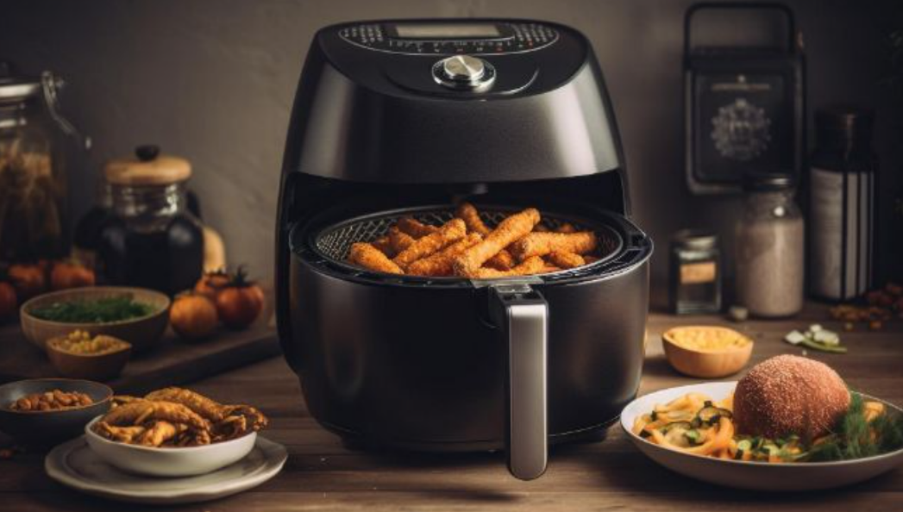
- Preheat The heater warms the air and the chamber.
- Air ramp-up The fan pushes hot air around the basket.
- Surface drying Water on the surface evaporates fast.
- Browning The surface reaches Maillard-range temps and browns.
- Interior cook Heat moves inward to finish the center.
- Shake or flip You expose new surfaces for even crisping.
- Carryover Rest heat finishes the last bit of cooking.
This sequence is the simple answer to How Does an Air Fryer Work in real time. Each step boosts texture and flavor.
:max_bytes(150000):strip_icc()/faw-philips-air-fryer-3000-series-dual-basket-nsimpson-1132-a4d59438320a4f85b9b6e0d93199a723.jpeg)
Air Fryer vs. Convection Oven vs. Deep Fryer
- Speed Air fryer is usually faster than a standard oven. It preheats and crisps quicker due to strong airflow.
- Texture Air fryer gives a crisp shell with little oil. Deep fryer gives the thickest crunch. Ovens can be drier, with gentler browning.
- Capacity Ovens win for big batches. Air fryers can feel cramped if you crowd food.
- Energy use Air fryers heat less space and cycle fast, so they are efficient for small meals.
- Cleanup Air fryers are easy. Dump crumbs, wash basket, wipe the chamber.
If you wonder, How Does an Air Fryer Work compared to a convection oven, the short answer is airflow intensity and proximity to the heater. The air fryer blasts hot air closer to the food.
Benefits and Limitations
Benefits
- Uses much less oil than deep frying.
- Fast preheat and cook times.
- Great crisp on small, flat, or cut pieces.
- Easy cleanup and simple controls.
Limitations
- Small batches. Crowding hurts results.
- Noise from the fan.
- Can smoke with high-fat foods or low smoke-point oils.
- Not magic. Some foods still do best in a pan or oven.
These truths frame How Does an Air Fryer Work in everyday cooking. It excels at small, crisp, weeknight wins.

Practical Tips from Real-World Use
From my kitchen tests, these habits make or break results.
Do this
- Pre-dry and season Pat food dry. Toss in 1–2 teaspoons of oil. Salt after cooking if moisture is high.
- Space it out Leave gaps. Use a rack or crisper plate. Shake the basket halfway.
- Use the right oil Avocado, peanut, or light olive oil handle heat well.
- Preheat for speed Especially for proteins and frozen items.
- Finish hot Run the last 2–3 minutes 15–25°F hotter for extra crunch.
Avoid this
- Overcrowding It traps steam. Food stews, not crisps.
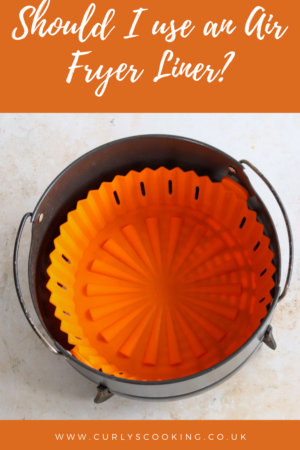
- Lining solid foil over holes It blocks airflow. Use perforated parchment rated for air fryers.
- Only using spray Can lead to dry spots. A light toss in oil improves browning.
- Guessing doneness Use a thermometer for chicken, pork, and fish.
Quick starting points
- Frozen fries 380°F, 12–18 min. Shake twice.
- Chicken wings 400°F, 20–25 min. Pat dry; add a pinch of baking powder for crisp skin.
- Salmon fillet 390°F, 8–11 min. Oil lightly, season, do not overcook.
These small tweaks unlock the full answer to How Does an Air Fryer Work for crisp, even cooking at home.

Safety, Maintenance, and Cleaning
- Placement Give space around the vents. Keep it on a heat-safe, flat surface.
- Oil and smoke Use high-smoke-point oils. Empty drip trays to prevent burning.
- Liners Use only perforated air-fryer parchment. Never wax paper.
- Cleaning Unplug. Let it cool. Hand-wash basket and tray with a soft sponge. Wipe the heater and fan guard with a damp cloth when cool.
- Nonstick care Avoid metal tools. If coating peels, replace the basket.
- Odor control Run at 400°F for 2–3 minutes empty to burn off light smells after cleaning.
Safe habits protect the device and you. They also keep airflow strong, which is central to How Does an Air Fryer Work at peak performance.
Common Myths and Truths
- Myth Air fryers “fry” with no oil. Truth They are small convection ovens. A tiny bit of oil gives much better browning.
- Myth Preheating is a waste. Truth Short preheats speed up browning and improve texture.
- Myth All foods get crispy. Truth Wet batters flop. Use dry coatings or par-cook to reduce moisture.
- Myth Any foil works. Truth Solid foil blocks air. Use perforated parchment rated for air fryers.
Understanding myths clarifies How Does an Air Fryer Work and helps you set the right expectations.
Buying Guide Basics
- Size 2–4 quarts for 1–2 people. 5–7 quarts for families. Square baskets fit more than round ones.
- Power 1400–1700 watts heats faster and recovers temp better.
- Range and controls Look for 95–450°F, precise increments, and a reliable timer.
- Build Removable, dishwasher-safe basket and crisper plate. Solid hinge and drawer rails.
- Features Preheat, shake reminder, and a Keep Warm option help. Presets are fine but not vital.
- Noise and safety Check for UL/ETL marks. Look for cool-touch sides and auto-shutoff.
- Accessories Racks, skewers, and pizza or cake pans expand use.
- Support Good warranty and easy-to-find replacement baskets matter.
Match the unit to your space and meals. That is the practical side of How Does an Air Fryer Work for your kitchen.
Frequently Asked Questions of How Does an Air Fryer Work
Do air fryers use radiation like microwaves?
No. An air fryer uses electric heat and a fan to move hot air. It is closer to an oven than a microwave.
Do I need to use oil in an air fryer?
You can cook without oil, but a light coat improves browning and flavor. A teaspoon or two is enough for most batches.
Why isn’t my food getting crispy?
It is likely crowded or too wet. Dry the food, add a little oil, preheat, and cook in smaller batches.
Is an air fryer healthier than deep frying?
It uses far less oil while still creating a crisp crust. Taste is similar, but calories and fat are lower.
Can I put foil or parchment in an air fryer?
Use perforated parchment made for air fryers. Avoid solid foil that blocks airflow and can cause uneven cooking.
Do I need to preheat my air fryer?
Preheating helps with sear and speed, especially for proteins and frozen foods. For gentle bakes, you can skip it.
Are air fryers energy efficient?
Yes, for small meals they use less energy than heating a full oven. They preheat fast and cook in less time.
Conclusion
Now you know How Does an Air Fryer Work from the inside out. It is a compact convection system that dries the surface fast, drives browning, and locks in tender centers. Use space, a bit of oil, and a hot finish to boost crisp every time.
Ready to put it to work tonight? Pick one tip from this guide and test it on your next batch of wings, fries, or salmon. If this helped, share it with a friend, subscribe for more kitchen-tested guides, or drop your air fryer wins in the comments.