Fill tank, add coffee, choose settings, press brew, and enjoy a fresh cup.
You want a fast, foolproof way to make better coffee at home. This guide shows you exactly how to use a coffee machine like a pro, step by step. I’ve brewed with drip, pod, and espresso machines for years, and I’ll share real tips, easy fixes, and simple science so you can master how to use a coffee machine without guesswork. Read on and brew with confidence.
Understand Your Coffee Machine Types
Before you learn how to use a coffee machine, know what you own. Each type needs a slightly different method and has its own strengths.
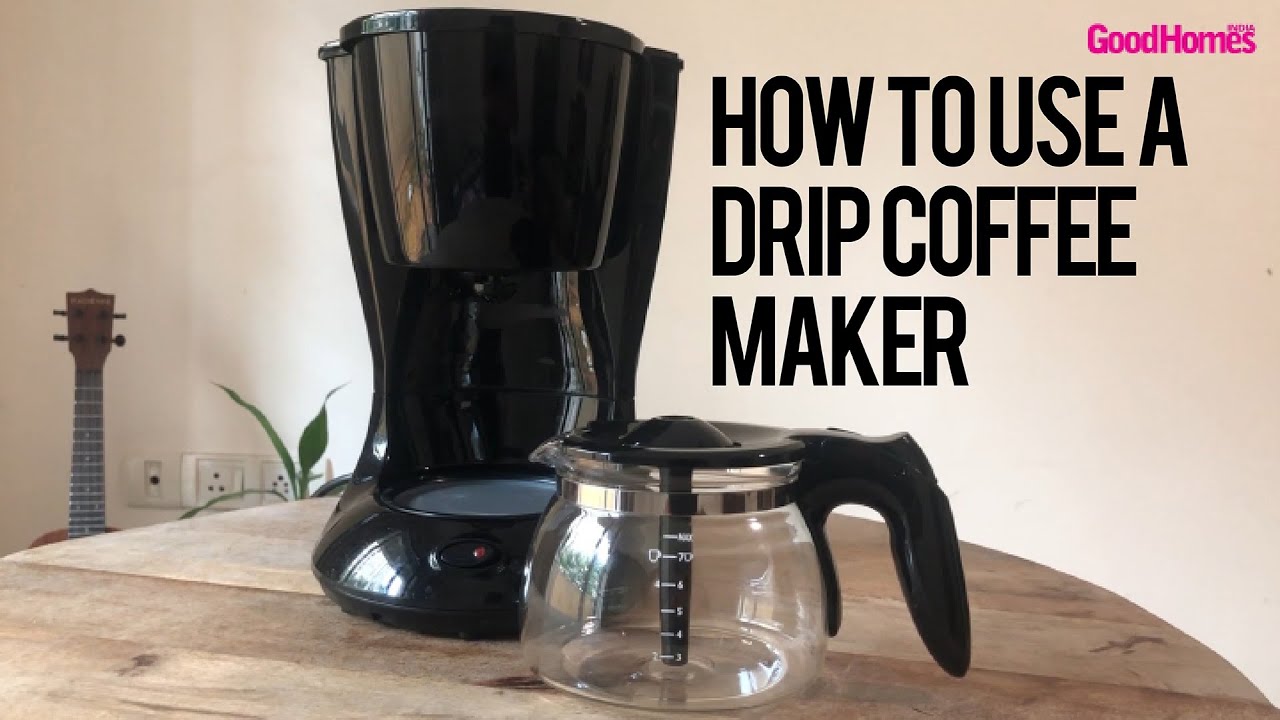
- Drip coffee maker: Great for larger batches. It uses a paper or metal filter and a showerhead to pour hot water over ground coffee.
- Pod or capsule machine: Fast and clean. Uses sealed pods. Good for one cup with no grind work.
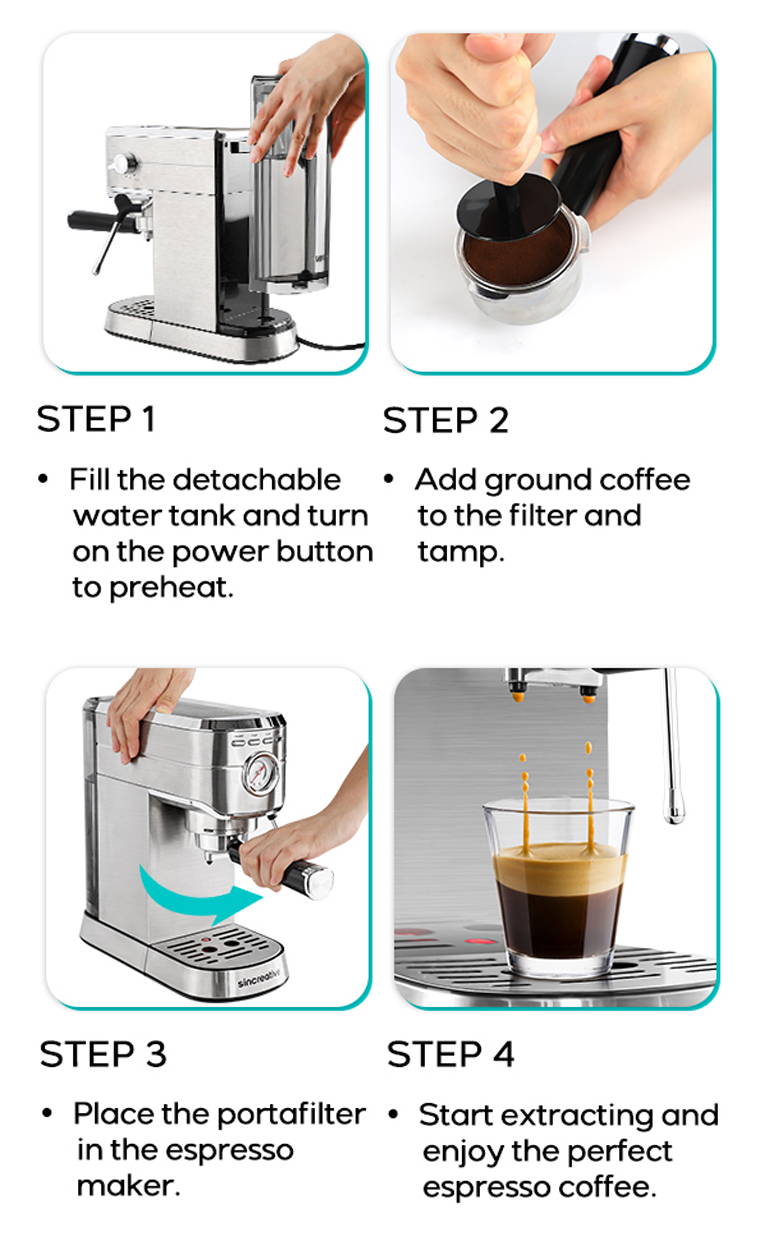
- Espresso machine: Uses pressure to push hot water through a compact puck of fine grounds. Makes espresso, lattes, and cappuccinos.
- Manual brewer (AeroPress, pour-over): Hands-on control. You add water and manage time yourself. Simple gear, great flavor.
Pros and cons matter. For speed, choose a pod machine. For flavor control, choose espresso or manual. For family use, a drip machine is easy and steady. When you know your device, you’ll know how to use a coffee machine the right way from day one.
Quick Start: Step-by-Step for Your First Brew
Here is a clear path to follow the first time you try how to use a coffee machine. Adjust the steps to match your model.
- Read the manual: Check water level lines, basket size, and cleaning notes.
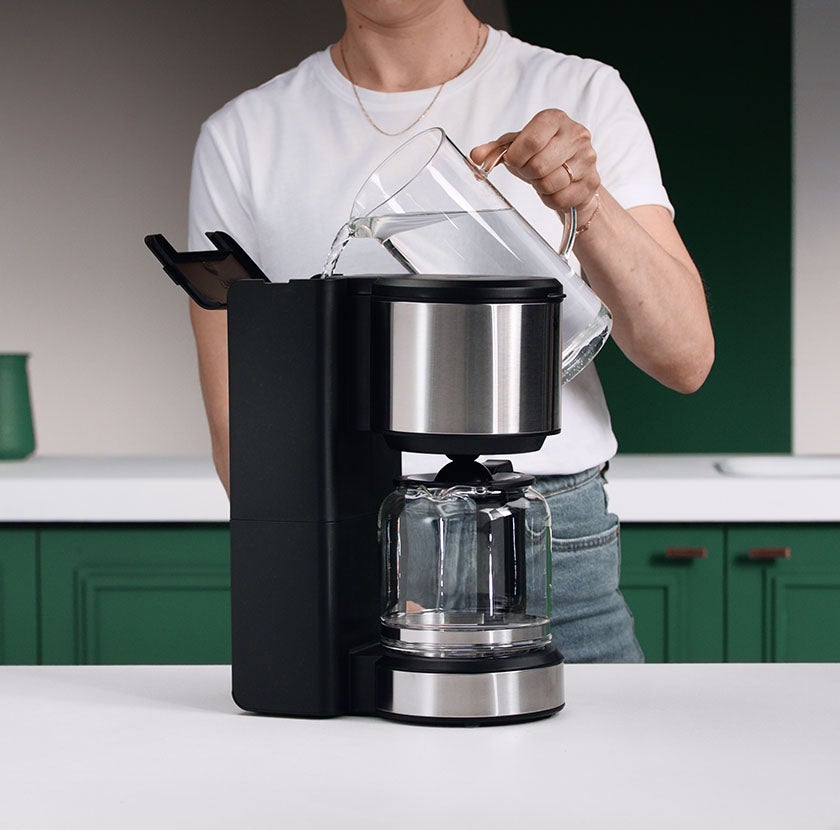
- Use fresh water: Fill the reservoir with cold, filtered water up to your cup count.
- Measure coffee: Start with 1 to 2 tablespoons per 6 ounces of water for drip. For espresso, use 18 grams for a double shot.
- Set the filter: Place a paper or metal filter in the basket for drip. For espresso, use the portafilter.
- Add coffee: Use medium grind for drip. Use fine grind for espresso. Keep the bed even.
- Choose settings: Pick brew strength, cup size, or temperature if available.
- Start brew: Press brew and let it finish. Do not stop mid-cycle.
- Serve: Pour into a prewarmed mug. Taste first. Adjust next time.
For pod machines:
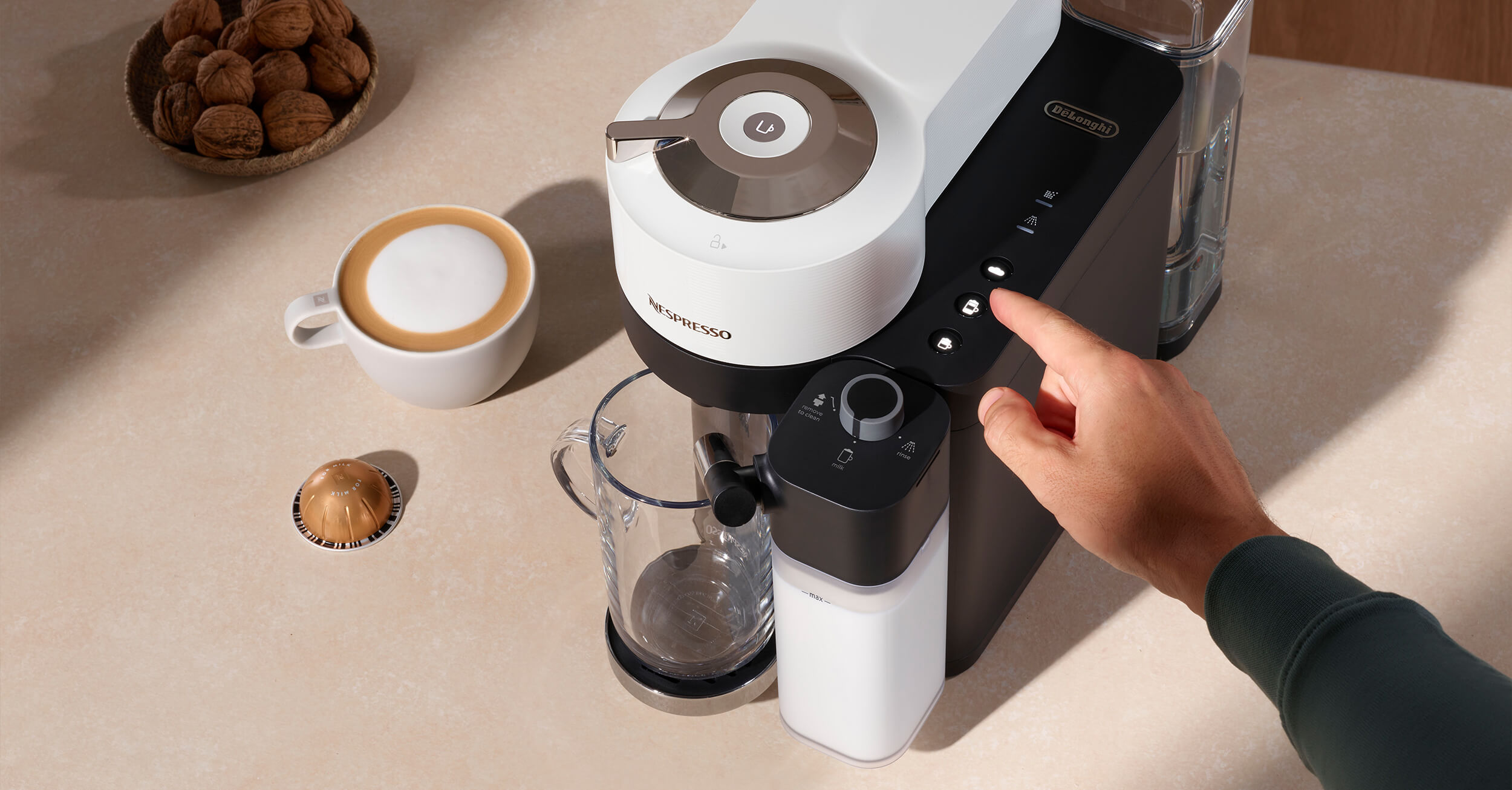
- Fill the tank and insert the pod.
- Choose size and press brew. That’s it.
For espresso machines:
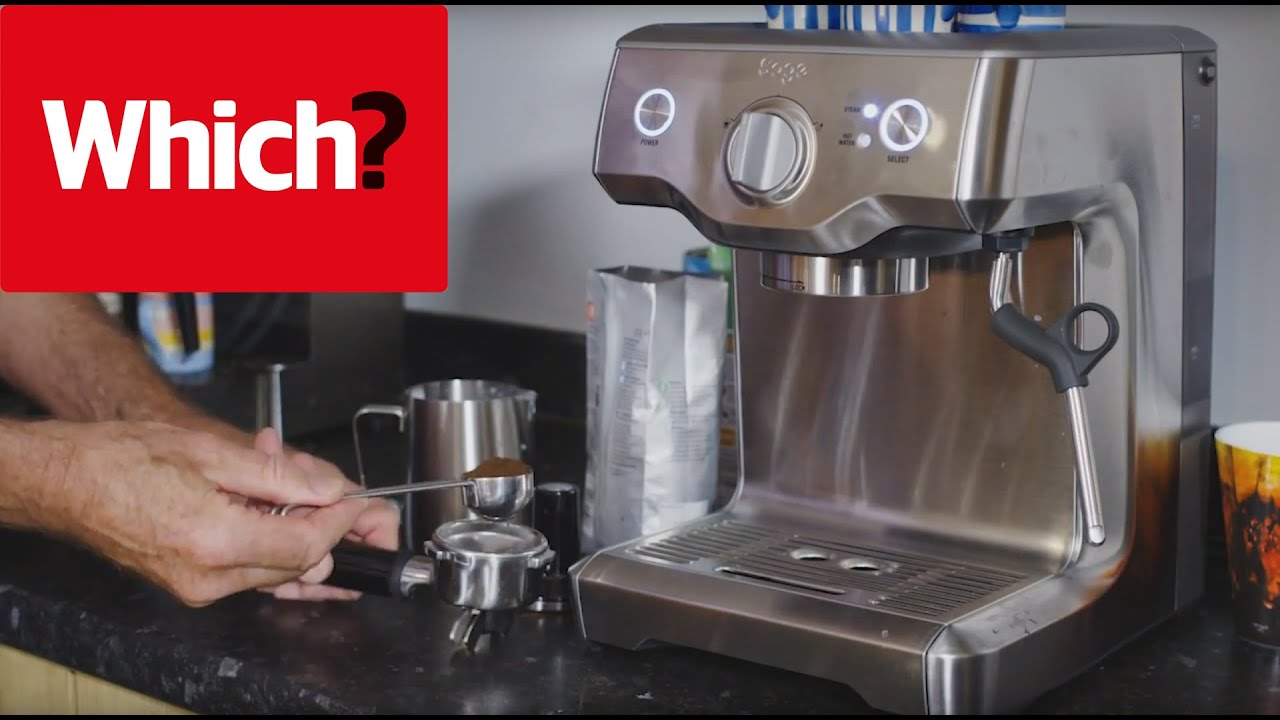
- Purge water through the group head for 2 seconds to heat it.
- Dose and tamp flat and firm.
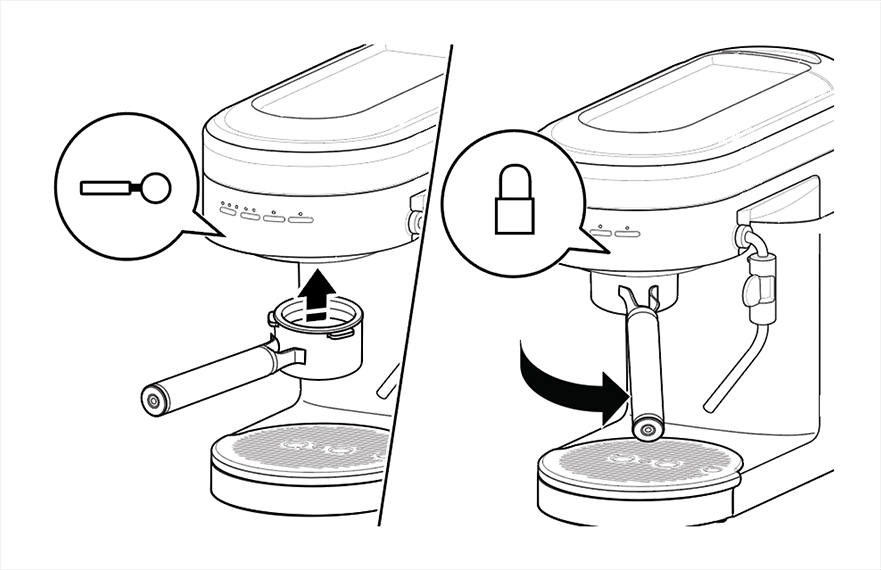
- Lock the portafilter and pull the shot for 25 to 30 seconds.
- Aim for a 1:2 ratio. For 18 grams in, get ~36 grams out.
This is the heart of how to use a coffee machine in any kitchen: measure well, match grind to method, and let the cycle finish.

Beans, Grind, and Water: The Core Trio
The fastest upgrade is fresh coffee, right grind, and clean water. These three control flavor more than fancy gear.
- Beans: Buy whole beans in small bags. Use them within 2 to 4 weeks of roast. Keep them in an airtight container away from heat and light.
- Grind size: It must match your machine.
- Coarse for French press.
- Medium for drip.
- Medium-fine for AeroPress.
- Fine for espresso.
- Water: Use filtered water with moderate minerals. Very hard water causes scale. Very soft or distilled can taste flat. Most machines shine around 195 to 205°F.
Personal tip: I once blamed my drip machine for sour coffee. The fix was not the machine. A slightly finer grind and a fresh filter turned it around in one brew. That is why learning how to use a coffee machine starts with the basics you can control.
Dialing In: Strength, Ratio, and Time
To master how to use a coffee machine, learn the simple rules that guide taste.
- Brew ratio for drip: Start at 1:16. That is 1 gram of coffee for 16 grams of water. For a 12-ounce mug, use about 21 grams of coffee.
- Brew ratio for espresso: Start near 1:2. If you put 18 grams in, try to get 36 grams of espresso out.
- Brew time:
- Drip: 4 to 6 minutes for a full pot.
- Espresso: 25 to 30 seconds.
- AeroPress: About 1 to 2 minutes total.
- Bloom: For fresh beans, wet the grounds for 30 seconds first. This lets gas escape and improves flow. Many drip machines now pre-infuse.
If coffee tastes weak, use more coffee or a finer grind. If it tastes bitter, use less coffee, a coarser grind, or shorter time. Tweak one thing at a time. Keep short notes. This is the craft behind how to use a coffee machine like a barista.
Milk and Specialty Drinks at Home
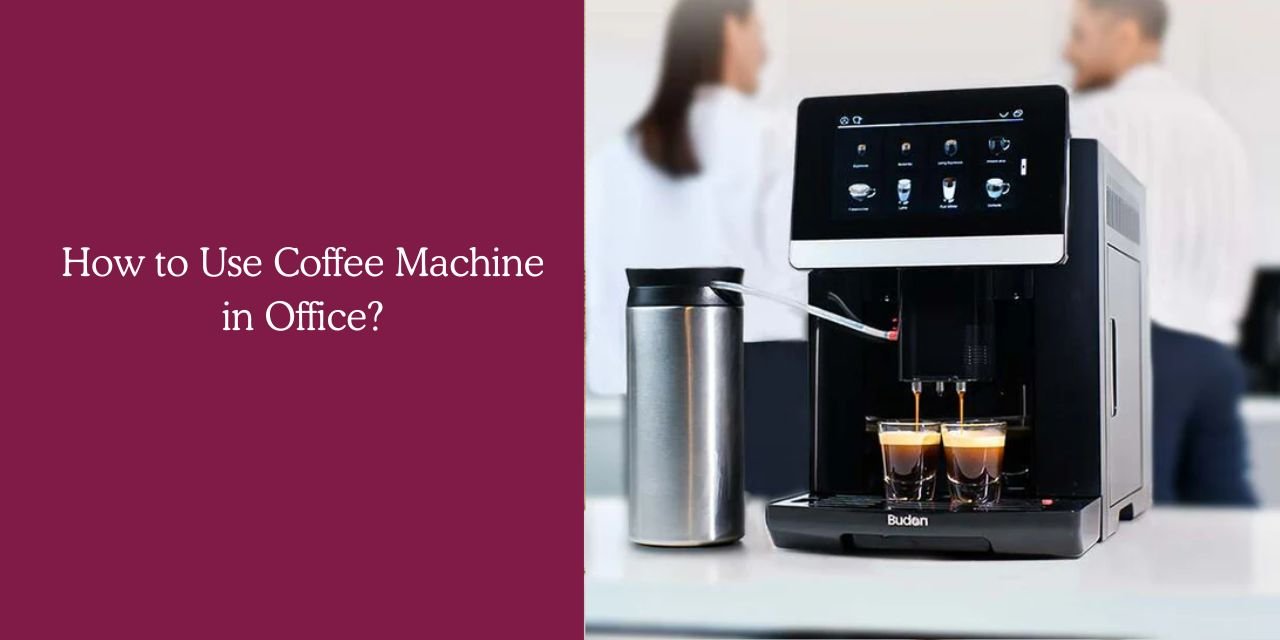
If your machine has a steam wand, you can make lattes and cappuccinos. If you have a pod or drip machine, you can still froth milk with a hand frother.
Steps for silky milk with a steam wand:
- Fill a cold pitcher to the bottom of the spout.
- Purge steam for 2 seconds to clear water.
- Put the tip just under the surface. Turn on steam.
- Listen for a soft paper-tearing sound. That adds air.
- Lower the tip to whirlpool the milk. Stop near 150°F.
- Tap and swirl to polish the foam.
Drink builds:
- Cappuccino: 1 shot espresso, equal hot milk, thick foam.
- Latte: 1 shot espresso, more hot milk, light foam on top.
- Flat white: 1 shot espresso, velvety microfoam, thin top.
My early mistake was heating milk too hot. It tasted flat and dry. Use a thermometer or stop when the pitcher is too hot to hold for more than a few seconds. Gentle heat keeps sweetness. This skill lifts how to use a coffee machine from basic to café-level.
Cleaning and Maintenance That Protect Flavor
Clean gear brews better coffee. Oils go rancid fast and water leaves scale. A clean machine is key to how to use a coffee machine well.
Daily tasks:
- Empty and rinse the basket, portafilter, and carafe.
- Wipe the showerhead and group head.
- Purge the steam wand and wipe with a damp cloth.
Weekly tasks:
- Wash removable parts with mild soap. Rinse well.
- Backflush espresso machines that support it with a blind basket and cleaner.
Monthly or as needed:
- Descale with a machine-safe descaler. Avoid vinegar if your manual warns against it.
- Replace water filters if your model uses them.
Signs you need descaling: slow brew, loud pump, off tastes, or low steam power. Following the manual plus a simple schedule keeps performance steady. This is the most skipped step in how to use a coffee machine, and it shows in the cup.

Troubleshooting: Quick Fixes for Common Issues
Use these fast checks before you blame the machine.
- Coffee tastes weak: Increase dose. Use a finer grind. Ensure full brew time.
- Coffee tastes bitter: Decrease dose. Use a coarser grind. Check water temp.
- Espresso gushes: Grind finer. Tamp a bit firmer. Check your dose.
- Espresso chokes: Grind coarser. Reduce dose slightly. Ensure even distribution.
- Water leaks: Reseat the tank and gaskets. Do not overfill.
- No crema: Use fresh beans. Raise brew temperature slightly. Dry the portafilter.
- Plastic taste: Run two tanks of hot water. Use filtered water.
When I trained new staff, 8 out of 10 problems were grind mismatch. Fixing grind almost always fixed taste and time. Keep that in mind as you learn how to use a coffee machine each day.
Safety and Mistakes to Avoid
Hot water and pressure need respect. Stay safe and keep your gear happy.
- Never open a pressurized part mid-brew. Wait for the cycle to end.
- Lock the portafilter fully before starting espresso.
- Do not touch the steam wand tip after use. It stays very hot.
- Keep cords dry and away from the sink.
- Do not run the machine without water.
Common mistakes:
- Overfilling the basket. It blocks flow and causes channeling.
- Using very old beans. Freshness matters more than extras.
- Skipping rinses. Old oils ruin flavor fast.
I once cleaned a steam wand after a long rush and forgot to purge. Next milk had sputters of water. One quick purge avoids this. Small habits define how to use a coffee machine well every time.
Sustainable and Cost-Saving Tips
Good coffee can be green and budget-friendly.
- Use a reusable metal filter for drip if your machine supports it.
- Compost paper filters and coffee grounds.
- Buy beans in 12-ounce bags, not huge bags that go stale.
- Turn off the warming plate after 30 minutes to save power.
- Descale on schedule to extend machine life.
These steps cut waste and costs while improving taste. Smart habits are part of how to use a coffee machine with care.
Frequently Asked Questions of How to Use a Coffee Machine?
How often should I descale my coffee machine?
Every 1 to 3 months is common, based on water hardness and use. If you see slow flow or taste changes, descale sooner.
What grind size should I use for drip coffee?
Aim for medium, like sand. If the coffee tastes sour, go a bit finer; if it tastes bitter, go a bit coarser.
How to use a coffee machine to make stronger coffee without bitterness?
Use more coffee per water, not longer brew time. Try a 1:15 ratio and keep grind matched to your method.
Can I use tap water in my coffee maker?
Yes, if it tastes good and is not very hard. Filtered water often gives better flavor and less scale.
How to use a coffee machine for iced coffee?
Brew at double strength over ice to avoid a watery drink. A medium grind and quick chill keep flavor bright.
Why does my espresso run too fast or too slow?
Flow shows grind mismatch. Fast flow needs a finer grind; slow flow needs a coarser grind or lighter tamp.
How to use a coffee machine with paper vs metal filters?
Paper filters trap oils and give a clean cup. Metal filters pass more oils for a fuller body; rinse them well after use.
Conclusion
You now know how to use a coffee machine with confidence. Pick the right grind, measure well, use fresh water, and clean on a schedule. Small tweaks turn a basic brew into a great one.
Put this into action today. Choose a ratio, time your brew, and note one change to try tomorrow. If this helped, subscribe for more home barista tips, ask a question in the comments, or share your best brew setup with the community.