Consumer Reports vacuum ratings compare real cleaning, reliability, and value across all vacuum types.
If you want a vacuum that actually fits your home, Vacuum Ratings Consumer Reports are a smart place to start. I’ve tested dozens of vacuums in homes and labs, and I’ll break down how these ratings work, what they really mean, and how to use them to buy with confidence. This guide turns Vacuum Ratings Consumer Reports into simple steps so you can pick the right tool the first time.
What Vacuum Ratings Consumer Reports Actually Measure
Vacuum Ratings Consumer Reports focus on real cleaning tasks. You will see scores for carpet, bare floors, edges, pet hair, and more. They also rate emissions, noise, handling, and predicted reliability. You can scan the scorecard and see weak spots before you buy.
From my testing, the big surprise is how different floors change results. A vacuum that crushes deep carpet can struggle on fine dust on tile. The opposite also happens. That is why the sub-scores matter more than a single number.
Look for predicted reliability and owner satisfaction. Those two lines hint at long-term costs and stress. If both are strong, you are in good shape for the long haul. Vacuum Ratings Consumer Reports weigh these parts to create a fair view.

How Consumer Reports Tests Vacuums: Methods You Can Trust
The tests use set debris mixes like sand, rice, pet hair, and fine dust. Labs run controlled passes on medium and high-pile carpet. They also test bare floors and edges. Robots run obstacle and coverage tests. Cordless sticks face run-time and recharge checks.
Labs measure dust emissions with particle counters. That matters if you have allergies or asthma. They track noise with sound meters and check hair tangle on brush rolls. Handling tests include steering, weight, and ease of emptying.
Reliability and owner satisfaction come from large surveys. That is gold. I have seen units with great early performance that fail fast in the field. Survey data helps flag that risk. Vacuum Ratings Consumer Reports roll all this into a clear score.

Decoding the Scorecard: Weights, Trade-offs, and What Matters For You
Do not chase the top overall score alone. Start with the floors in your home. If you have wall-to-wall carpet, boost carpet deep-clean and hair pickup in your choice. If you live on tile or hardwood, look hard at bare-floor and edge scores.
Weights can hide trade-offs. A quiet model may give up some pickup. A star on pet hair may be heavy on stairs. Read the sub-scores and notes. I tell clients to pick three must-haves and filter by those first.
Then check predicted reliability and owner satisfaction. A slightly lower cleaner that lasts longer can save money. Vacuum Ratings Consumer Reports let you balance power, features, and trust.
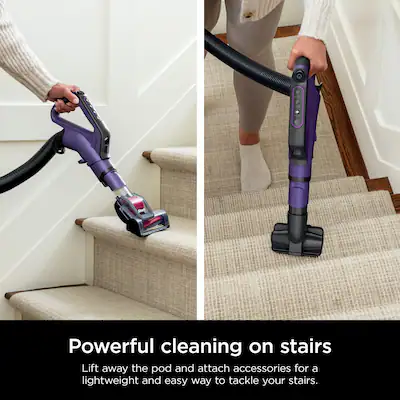
Vacuum Types Through the Lens of Vacuum Ratings Consumer Reports
Each vacuum type trends a bit in the ratings. Know the patterns to save time.
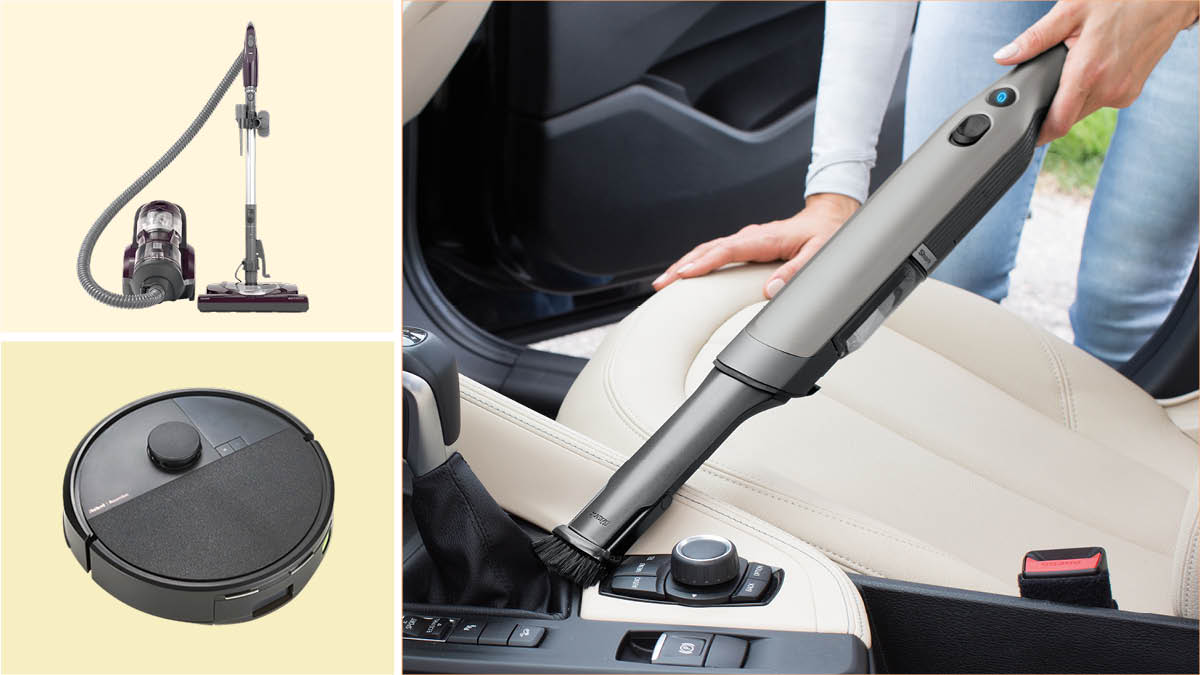
- Upright: Strong on carpet and hair pickup. Heavier. Watch for noise and hose reach.
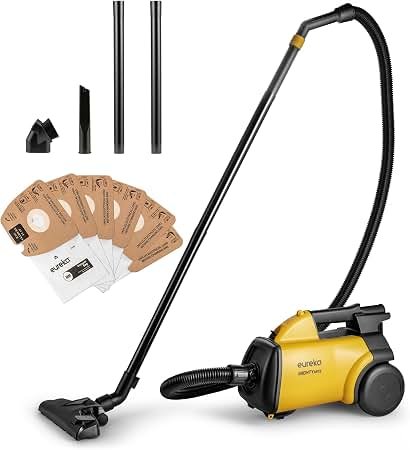
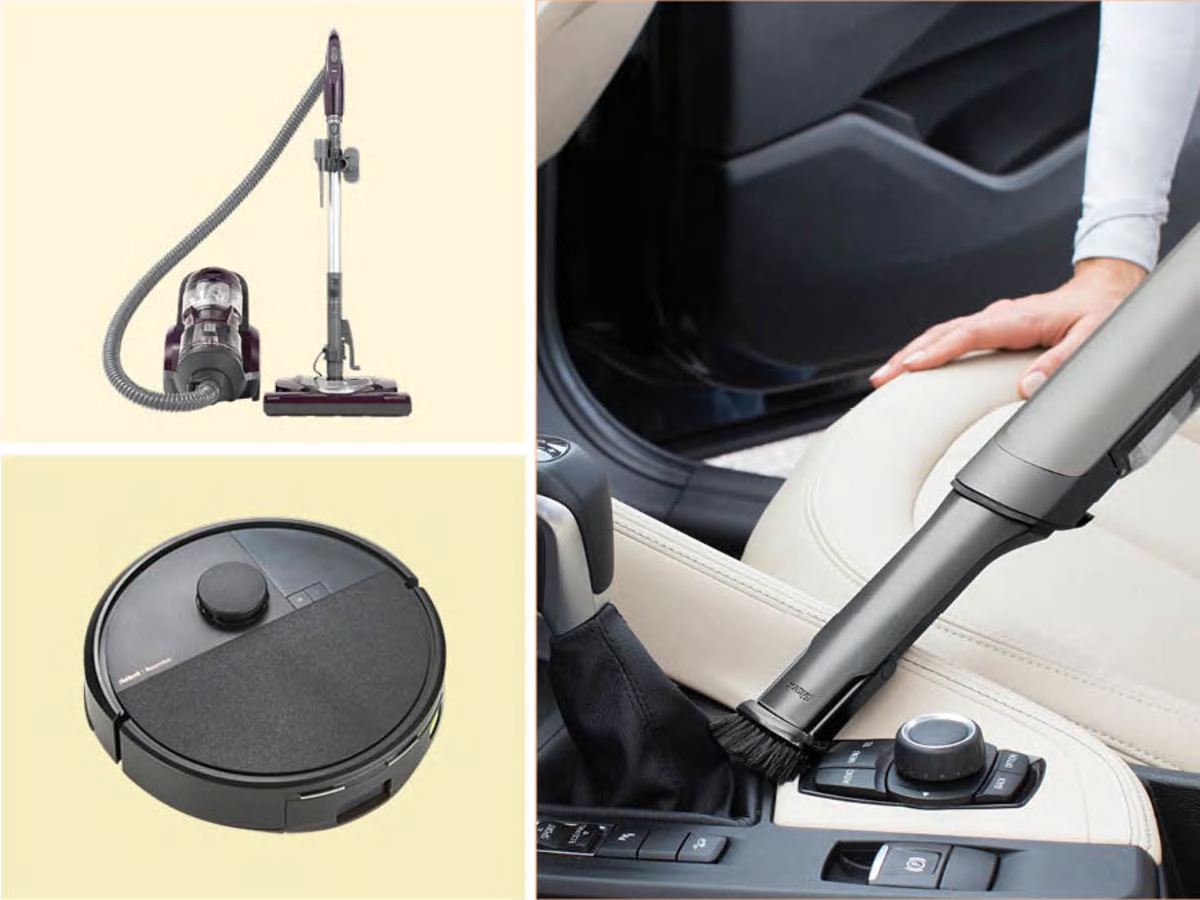
- Canister: Great on bare floors and stairs. Often best for control and tools. Storage can be tricky.
- Cordless stick: Light and fast. Run-time and battery life vary a lot. Watch deep carpet scores.
- Robot: Great for daily upkeep. Edge work and deep clean are weaker. Mapping and obstacle skill differ.
- Handheld: Spot jobs only. Use for cars and sofas. Not a main cleaner.
In my own tests, a sealed canister with a HEPA bag beat most sticks on dust control. A high-end stick beat many uprights for daily crumbs. Your floors, pets, and time shape the best fit. Use Vacuum Ratings Consumer Reports to compare within each type.
Allergy and HEPA Filtration: What the Ratings Reveal
Emissions scores in Vacuum Ratings Consumer Reports matter if you sneeze after you clean. A sealed body with a true HEPA filter keeps particles in the machine. Bagged models with sealed bags do very well here. Many bagless units leak a bit during emptying.
Ask yourself how often you will empty the bin. If you clean a furry home, a bag can be easier and cleaner. If you like seeing the dust you picked up, go bagless and empty outdoors. I use a bagged canister during spring pollen season. It keeps my air calm.
Filters need upkeep. Check how often to replace and the cost. A cheap vacuum with pricey filters can cost more over time.
Pet Hair, Long Hair, and Tangles: Metrics that Predict Real Life
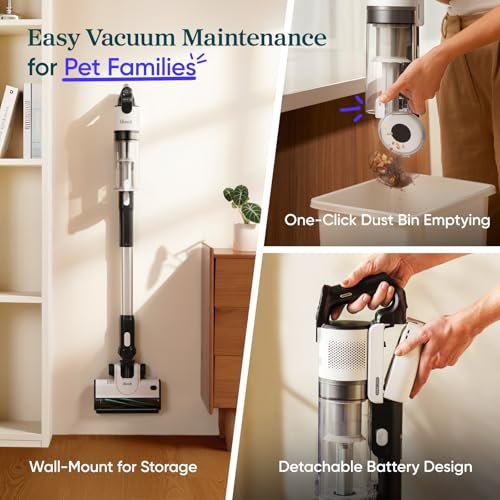
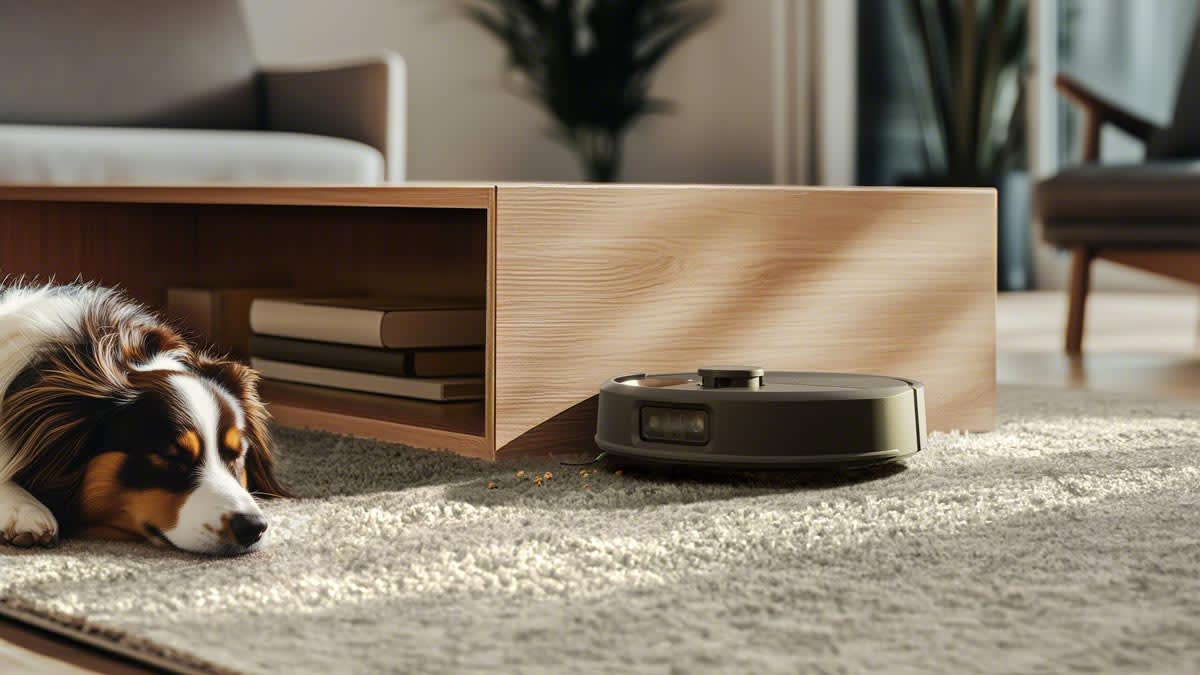
Pet homes push vacuums hard. Look at pet-hair pickup, brushroll maintenance, and bin emptying. Anti-tangle combs and self-cleaning brush rolls help a lot. A wider brush with good airflow wins on carpet fur.
Long hair wraps can kill performance. I test with a mix of human hair and fur. Machines with a smooth sealed brush chamber and cutters do better. Robots with dual rubber brushes also resist tangles. Vacuum Ratings Consumer Reports pet scores point you to low-hassle options.
Real-World Buying Paths Based on Vacuum Ratings Consumer Reports
Use your home first, then the ratings. Here are simple paths that work.
- Small apartment, mixed floors: A mid-range cordless stick with strong bare-floor and edge scores. Get a soft roller head for dust.
- Big house with stairs: A canister or a light upright plus a stick for quick jobs. Aim for high carpet and handling scores.
- Pets and kids: Upright or strong stick with top pet-hair and carpet scores. Anti-tangle brush is a must.
- Allergy home: Sealed, bagged model with top emissions control. Add a powered brush for rugs.
- Budget under 200: Focus on core cleaning and reliability. Skip fancy screens. Check owner satisfaction first.
I help friends map this in a five-minute chat. Floors, pets, stairs, allergies, budget. Then we scan Vacuum Ratings Consumer Reports and pick the best match.
Ownership Costs, Maintenance, and Longevity Insights
The sticker price is only the start. Bags, filters, and batteries add up. Bags often last one to two months in pet homes. HEPA filters can be yearly. Cordless batteries may need a swap in two to four years if used hard.
I track costs per year. A bagged canister can be cheap to own if bags are fair. A cordless with a pricey battery can cost more over time. Reliability and owner satisfaction in Vacuum Ratings Consumer Reports hint at these costs. High-reliability picks often save you stress and money.
Do the easy care steps. Wash pre-filters on time. Clear the brush weekly if you shed. Keep seals clean so dust stays inside.
Advanced Tips to Use Ratings Wisely and Avoid Pitfalls
- Match the score to your floors. Bare-floor stars may skid on plush carpet.
- Do not fixate on suction claims. Airflow plus brush design beats raw watts.
- Read notes on noise and handling. A loud, heavy unit gets used less.
- Check tool set and storage. A pet tool you can reach fast gets used.
- Verify current pricing and warranty. A deal can change the value rank.
I once chose a top carpet cleaner for a client with only tile. It was a miss. We swapped to a canister with a soft roller and the home felt cleaner at once. Let Vacuum Ratings Consumer Reports guide you, but let your floors lead.
Frequently Asked Questions of Vacuum Ratings Consumer Reports
What is the main benefit of using Vacuum Ratings Consumer Reports?
You get lab-tested data and real owner feedback in one place. It helps you avoid hype and pick by performance.
How often are Vacuum Ratings Consumer Reports updated?
They update as new models launch and survey data rolls in. Check the publish date on each review.
Do higher prices always mean better ratings?
No. Many mid-range models score great on cleaning and reliability. Pay for features you need, not for flash.
Are bagged vacuums better for allergies according to the ratings?
Often yes, due to sealed bags and low emissions. Some sealed bagless models also do well.
Can I trust battery run-time claims on cordless sticks?
Use the tested run-time, not box claims. Consumer testing measures real use across power modes.
How should I compare two models with the same overall score?
Look at sub-scores and notes. Pick the one that matches your floors, pets, and noise needs.
Do robots replace a full-size vacuum?
They maintain daily dust well. You still need a deeper clean weekly, especially on carpet.
Conclusion
You now know how to read and use Vacuum Ratings Consumer Reports like a pro. Focus on the sub-scores that match your floors, pets, and health needs. Balance cleaning power with reliability, noise, and costs over time.
Pick three must-haves, filter the ratings, and choose with calm. Your next clean can be faster, quieter, and easier. Want more guides like this? Subscribe, share your floor type in the comments, and I’ll help you build a short list.