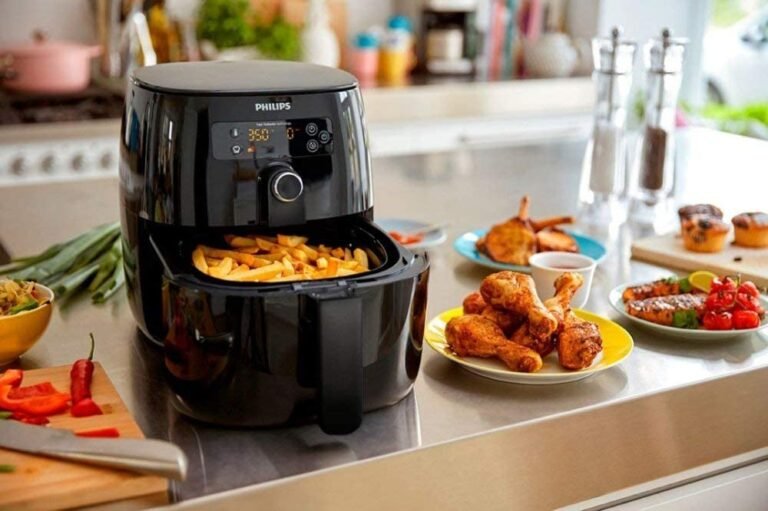
Preheat, season, arrange in one layer, cook, shake, and check doneness.
If you want fast, crispy food with less oil, you’re in the right place. I’ve tested many models and coached families on how to use air fryer gear with ease. This guide shows how to use air fryer settings, time, and tools for better meals. You will learn the steps, safety tips, and simple recipes that work on day one.

What Is an Air Fryer and How It Works
An air fryer is a small convection oven. It pushes hot air around food with a fan. This airflow browns the surface fast. It mimics the taste of fried food with a tiny bit of oil.
The basket lets air hit all sides. The result is crisp edges and tender centers. Preheating helps the first blast of heat do more work. That is one reason air fryers cook so fast.
If you are new and wonder how to use air fryer features, start simple. Use dry rubs, a light oil mist, and a single layer. Your first batch will already taste great.

How to Use Air Fryer: Step-by-Step
Follow these clear steps the first time. This is my go-to method for how to use air fryer units at home.
- Place and prep
- Put the fryer on a heat-safe, level counter.
- Leave a few inches of space around the vents.
- First burn-off
- Run the empty fryer at 400°F for 10 minutes.
- This removes factory smells.
- Preheat 3 to 5 minutes for faster browning.
- Some models preheat by default.
- Prep your food
- Pat food dry. Moisture blocks crisping.
- Season. Add a light oil mist if needed.
- Load the basket
- Arrange food in one layer. Do not pack.
- Use a rack if you have one.
- Set temp and time
- Start at 375 to 400°F for most foods.
- Use the lower end for delicate items.
- Cook and shake
- Shake or flip halfway through for even color.
- Add 1 to 3 minutes if not yet crisp.
- Check doneness
- Use a food thermometer for meat.
- Look for golden color and dry, crisp edges.
- Rest and serve
- Let meat rest 3 to 5 minutes for juices.
- Serve right away for the best crunch.
- Clean
- Unplug. Let it cool. Wash the basket after each use.
This is the core of how to use air fryer tools the right way. With this flow, you will avoid soggy fries and pale wings. Repeat it until it feels like muscle memory.
:max_bytes(150000):strip_icc()/faw-toaster-ovens-air-fryers-test-taotronics-rkilgore-127-efe96fac638843b49fba305016d49235.jpg)
Time and Temperature Basics
Time and temp are simple once you see the pattern. Higher heat gives more browning. Lower heat protects delicate foods. Here are common ranges I use when I teach how to use air fryer steps.
- Frozen fries or tots: 400°F for 12 to 18 minutes. Shake twice.
- Chicken wings: 380°F for 18 to 24 minutes. Finish at 400°F for 3 minutes.
- Chicken breast: 370°F for 12 to 16 minutes, based on size.
- Salmon fillets: 375°F for 8 to 12 minutes.
- Pork chops: 380°F for 12 to 15 minutes.
- Vegetables (broccoli, carrots): 375°F for 8 to 12 minutes.
- Reheat pizza: 350°F for 3 to 5 minutes.
- Toasted sandwiches: 350°F for 5 to 8 minutes.
Food safety guidance suggests these internal temps:
- Poultry: 165°F
- Pork: 145°F plus a short rest
- Fish: 145°F
- Leftovers: 165°F
Write these on a sticky note. It will speed up how to use air fryer presets with confidence.
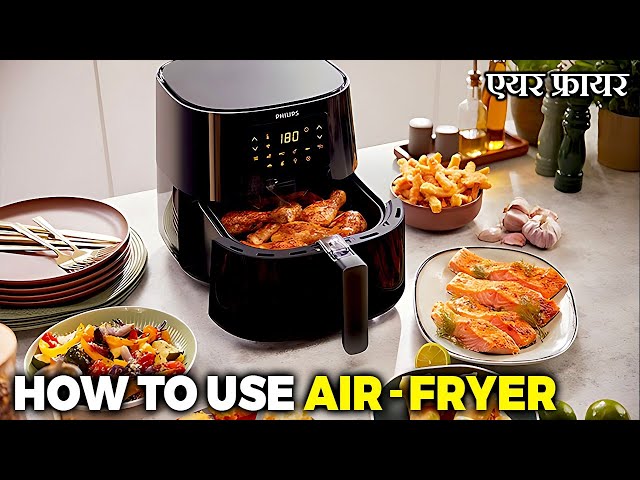
Prepping Food for Best Results
Great results start before you press start. Here is what works best for me when I show friends how to use air fryer baskets.
- Dry the surface well. Water steams and softens crusts.
- Use a light oil mist. A pump sprayer beats aerosol cans.
- Salt early for meat, late for fries. This keeps texture sharp.
- For breaded food, use a three-step dip. Flour, egg, then crumbs. Press to stick.
- Let battered items rest a few minutes before cooking. This helps the coat set.
- For frozen foods, preheat longer and cook straight from frozen.
- For baked goods, line with parchment with holes. Trim it to fit and weigh it with food.
If you keep these in mind, how to use air fryer tips will feel easy and clear.
:max_bytes(150000):strip_icc()/_hero_SQ_Instant-Pot-Air-Fryer-Lid-1-5a025a4fe0024344bb45b38913c2fe72.jpg)
Safety, Maintenance, and Cleaning
Good care keeps your fryer safe and crisp. It also keeps the nonstick from wearing out.
- Keep space around the vents. Heat needs to flow out.
- Do not block the intake fans.
- Use oils with higher smoke points for high heat.
- Do not spray aerosol cooking sprays on the basket. They can cause build-up.
- After use, unplug and cool. Wash the basket and tray with warm soapy water.
- Soak stuck bits. Do not use steel wool.
- Wipe the heating area with a damp cloth when cool.
- If it smells smoky, clean the hidden tray and inside walls.
Clean gear runs better. It is a quiet secret in how to use air fryer tools like a pro.
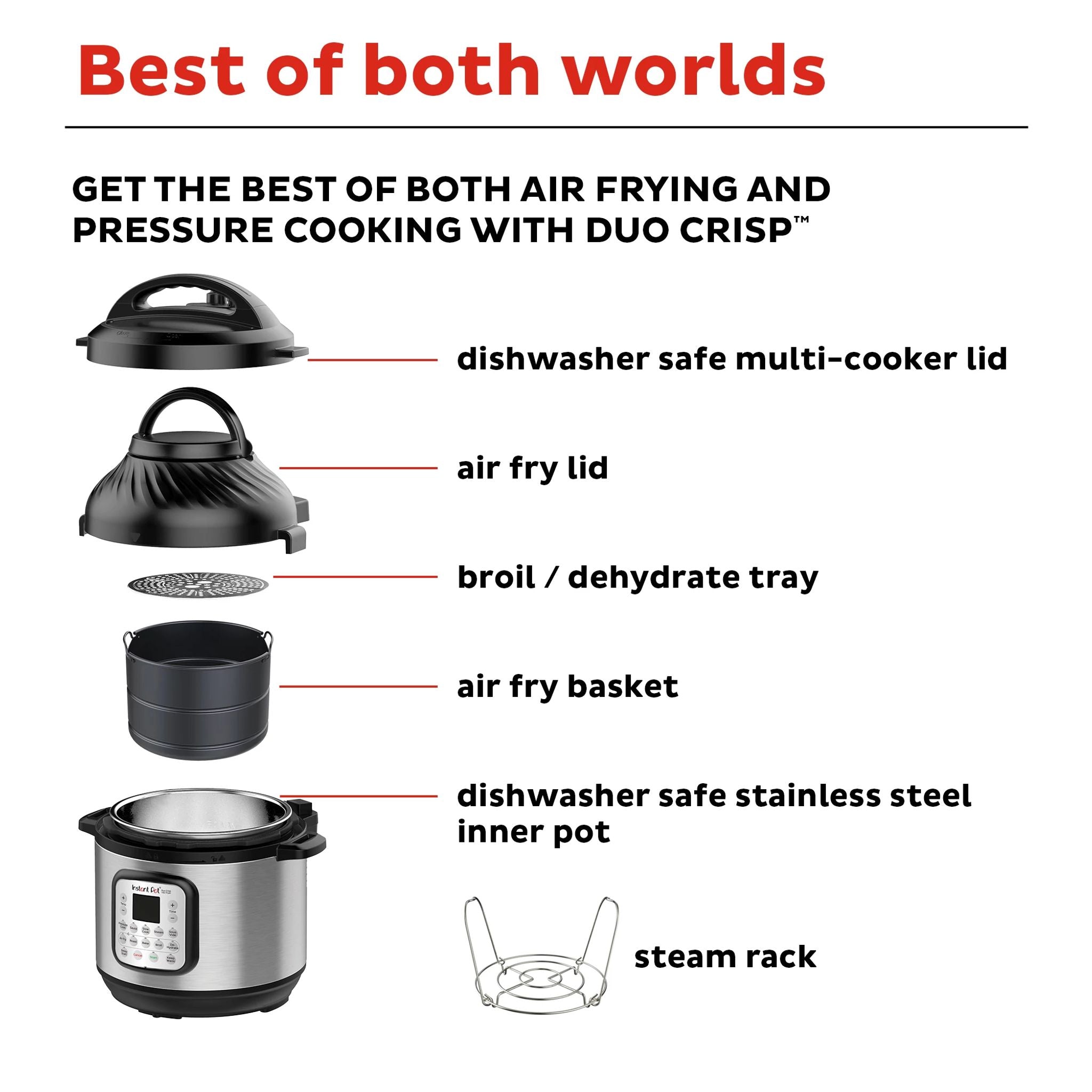
Troubleshooting and Pro Tips
I learned these the hard way. They will save you a few duds.
- Food is soggy
- Dry it more. Reduce crowding. Add 2 to 4 more minutes.
- Food is burned outside, raw inside
- Lower temp by 25°F and cook longer. Flip halfway.
- It smokes
- Clean grease trays. Use less oil. For fatty foods, add a bit of water to the drawer.
- Uneven browning
- Shake more often. Use racks to lift food.
- Lacking flavor
- Season at two points. Before cooking and right after.
Pro tips I use when I teach how to use air fryer methods:
- Preheat for fries and wings, but skip it for baked eggs or cakes.
- Warm plates while food cooks to keep that crisp feel.
- Reheat fried rice and roasted veg at 360 to 375°F. It revives texture.
My first try at wings was pale. A simple finish at 400°F for 3 minutes fixed it. That one tweak changed how to use air fryer timing for me forever.
:max_bytes(150000):strip_icc()/__opt__aboutcom__coeus__resources__content_migration__simply_recipes__uploads__2019__11__HT-Use-an-Air-Fryer-LEAD-07-1024x682-ba7d4566aec74b45ab62f62c2581cf28.jpg)
Healthy Cooking and Limitations
Air fryers help you cut oil without losing crunch. They cook fast and can save energy. They are great for busy nights.
But there are limits. Wet batters drip and make a mess. Very large roasts may not fit or cook even. You still need safe temps for meat.
Think of it as a small, strong oven. When you frame how to use air fryer tools this way, your choices get smarter. You pick foods that shine with hot air and a light coat of oil.
Simple Starter Recipes
These easy wins will boost your skills fast.
Crispy chicken wings
- Pat 2 pounds of wings dry. Toss with salt, pepper, and garlic powder.
- Air fry at 380°F for 20 minutes, shaking once.
- Finish at 400°F for 3 to 5 minutes. Toss with sauce.
Roasted broccoli
- Cut into small florets. Dry well. Mist with oil. Salt.
- Air fry at 375°F for 8 to 10 minutes. Shake once.
- Add lemon and chili flakes to serve.
Garlic toast
- Butter slices. Sprinkle garlic powder and parsley.
- Air fry at 350°F for 4 to 6 minutes.
- Watch close near the end.
Use these to practice how to use air fryer steps with less stress.
:max_bytes(150000):strip_icc()/Instant-Vortex-Plus-4-in-1AirFryer6qt-tamara-staples-4865.jpg-dadf6f723b644fbaa1b6e99b0f61b454.jpg)
Buying and Setup Checklist
If you are still shopping, this will help.
- Size and capacity
- A 5 to 6 quart basket suits most homes.
- Controls
- Digital screens and a shake alert help new users.
- Shape
- Square baskets hold more than round ones.
- Easy cleaning
- Dishwasher-safe baskets save time.
- Accessories
- Racks and skewers add space and options.
- Setup
- Place it with vent space. Do a first burn-off. Read the quick start card.
A good match makes how to use air fryer routines more fun and simple.
Frequently Asked Questions
Do I need to preheat an air fryer?
Preheating helps with browning and speed. If your model heats fast, you can skip it for delicate foods.
Can I use aluminum foil or parchment?
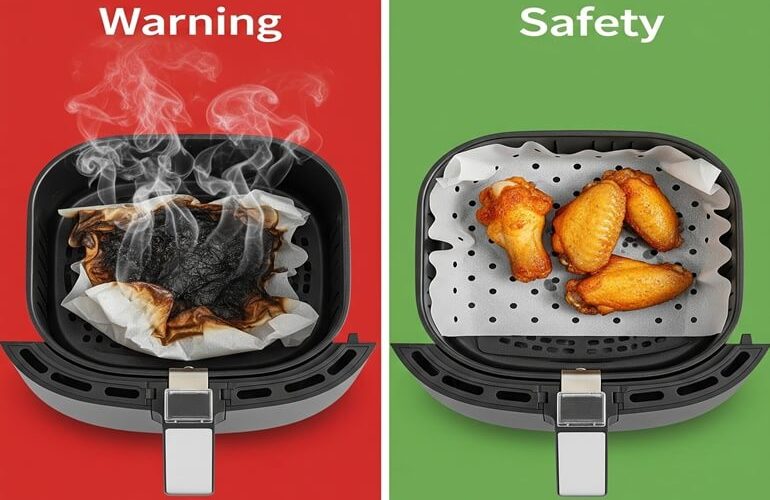
Yes, but keep it flat and trimmed to fit. Do not cover all vents, and never use empty paper without food to weigh it down.
Why does my air fryer smoke?
Grease build-up or very fatty foods can smoke. Clean the drawer and tray, and add a little water under the basket during fatty cooks.
How much oil should I use?
Use a light mist or about 1 teaspoon per pound. Too much oil can make food soggy and smoky.
Can I cook raw meat from frozen?
Yes, but add time and check the center temp. Cook at a steady heat and avoid stacking pieces.
How do I keep breaded food from losing crumbs?
Press crumbs on well and let it rest a few minutes. A light oil mist helps set the crust.
Is an air fryer the same as a deep fryer?
No. It is a small convection oven. It uses air and a bit of oil to mimic fried textures.
What should I not cook in an air fryer?
Wet batter foods and very light items that can fly around do poorly. Large roasts or whole chickens may cook unevenly in small models.
How do I reheat leftovers in an air fryer?
Use 325 to 350°F for a few minutes. It brings back crisp edges without drying the center.
How often should I clean it?
Clean the basket and tray after every cook. Wipe the inside weekly and check the heating area for build-up.
Conclusion
You now know how to use air fryer settings, time, and prep for great food. Keep it simple. Dry the food, season well, cook in one layer, and shake once. Check temps and add a quick finish if you want more crisp.
Practice with fries, wings, and veggies this week. You will feel how to use air fryer tricks click into place. Want more tips and recipes? Subscribe, share your first win, or drop a question so we can cook smarter together.