Because it is rare, hand-picked, and grown in costly Hawaiian conditions.
Why Is Kona Coffee So Expensive? I have toured Kona farms, watched cherry picking by hand, and cupped fresh roasts on the Big Island. In this guide, I break down the real costs, the supply limits, the grading rules, and how to buy with confidence. If you love craft coffee, you will want to know exactly what drives the price tag—and when it is worth it.

What Makes Kona Coffee Unique
Kona sits on the western slopes of Mauna Loa and Hualālai. The belt is narrow, only a few miles wide, with rich volcanic soil. Mornings are sunny, afternoons bring clouds and mist, and nights are cool. That gentle swing helps sweeten the cherry and slow growth.
The main variety is Kona Typica. It gives a clean cup with notes of brown sugar, macadamia, citrus, and milk chocolate. Farms are small and family run. Quality control is strict from tree to bag.
This is the base for understanding Why Is Kona Coffee So Expensive. When a region is this tiny and careful, price will rise.
The Real Reasons Kona Coffee Is So Expensive
Here is the short list of drivers that raise cost:
- Tiny growing area with fixed land supply.
- High wages and strict labor rules in the United States.
- Hand-picking over many passes, not machine harvest.
- Low yield per tree to keep flavor high.
- Careful wet processing, slow drying, and grading.
- Pest and disease control on an island with import limits.
- Shipping, insurance, and heavy packaging to keep beans fresh.
- Global demand and a strong brand that took decades to build.
Each factor stacks up. Put them together and you see Why Is Kona Coffee So Expensive across the whole chain.
Labor, Land, and Regulations in Hawaii
Hawaii is a high-cost state. Farm work must meet U.S. wage, safety, and tax rules. Many farms pay well above minimum wage to keep skilled pickers. Add payroll taxes and workers’ comp and labor becomes the largest line item.
Land is scarce and costly on the Kona Coast. Zoning, permits, and water rights add time and fees. Farm tools, fuel, and parts are also flown or shipped in, which raises prices. When people ask Why Is Kona Coffee So Expensive, these fixed costs are a big part of the answer.

Harvesting and Processing Costs From Cherry to Cup
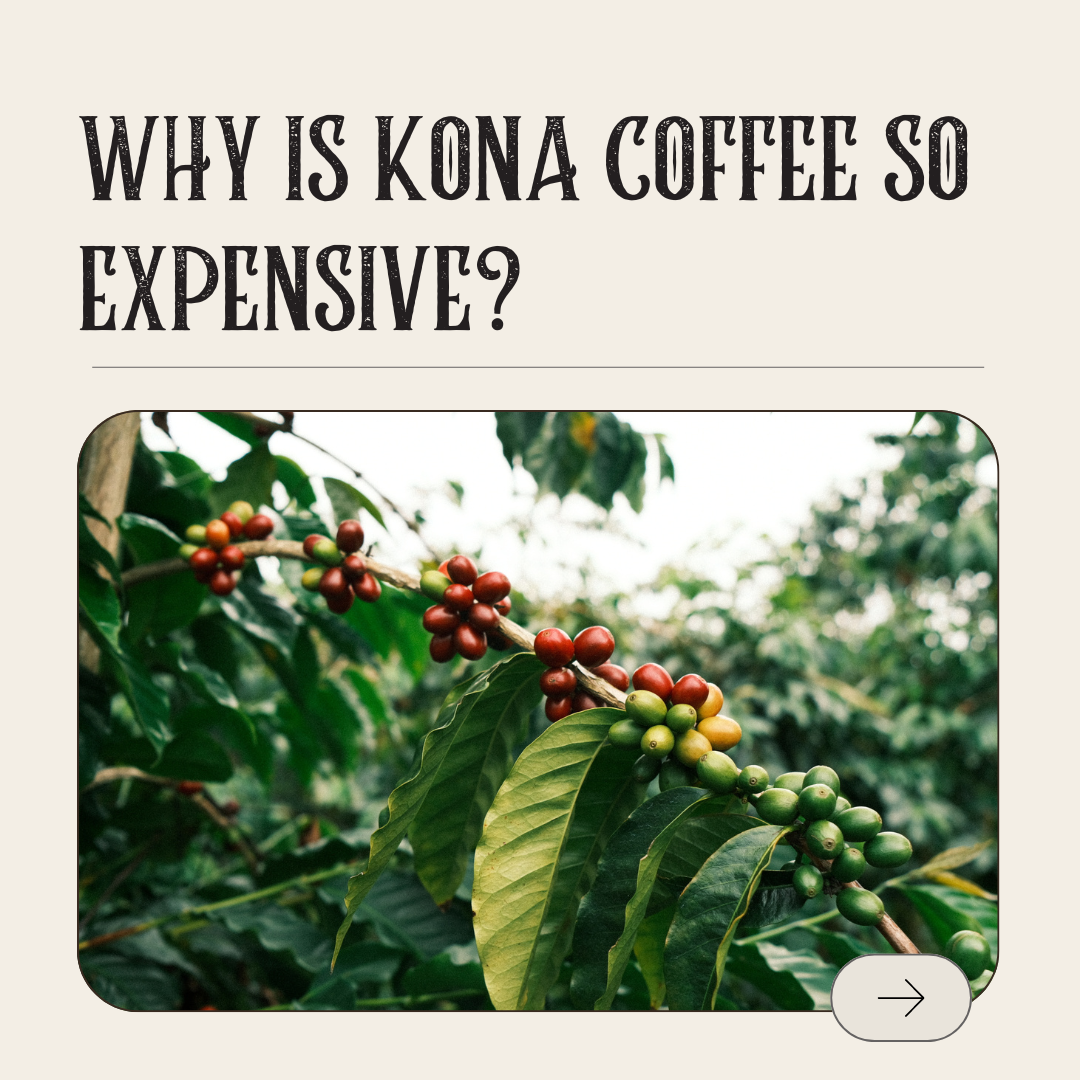
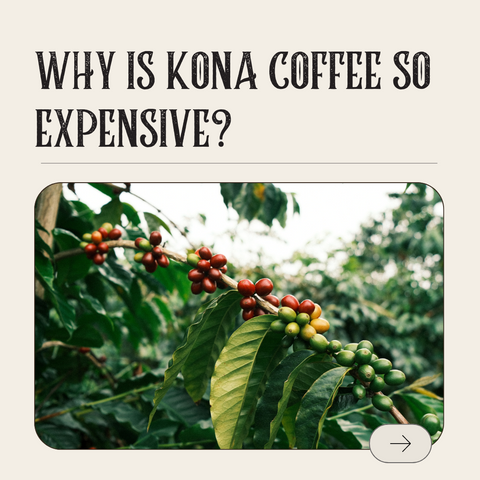
Kona cherries do not ripen at once. Pickers return to each tree many times to take only the ripe fruit. That is slow work, but it protects sweetness and cuts defects. It is a major reason Why Is Kona Coffee So Expensive.
After picking, cherries are pulped, washed, and fermented with care. Beans dry on raised decks, often under roll-top roofs called hoshidana. Milling removes parchment and sorts by size and defect count. Loss along the way is large. It can take six to eight pounds of cherry to make one pound of roasted coffee. Every careful step adds labor, time, and cost.
Limited Supply Meets Global Demand
The Kona belt runs about 20 to 30 miles long and one to two miles wide. There is no room to scale far. Storms, droughts, and volcanic events can hit any year. On the demand side, travel, media, and word of mouth push Kona’s fame.
Scarce supply and steady demand keep prices high. This supply cap is central to Why Is Kona Coffee So Expensive. It also explains why top grades sell out fast each season.
Climate Risks, Pests, and Quality Control
Coffee berry borer and coffee leaf rust reached Hawaii in recent years. Farms invest in traps, sprays, and field work to protect trees. They also prune and renew old stock to keep yields and flavor stable. Risk management costs money, and insurance on an island is not cheap.
Lots are cupped and graded before sale. Defect limits are tight for grades like Extra Fancy and Fancy. That care cuts volume but lifts quality. Risk plus strict culling is one more layer in Why Is Kona Coffee So Expensive.

The Role of Authenticity, Grading, and Blends
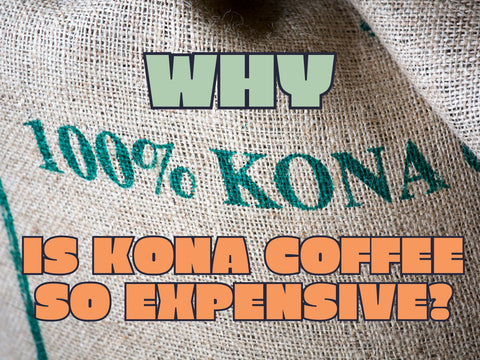
Labels matter in Kona. Bags that say 100% Kona Coffee must be true single origin from the Kona belt. Grades include Extra Fancy, Fancy, No. 1, Select, and Prime. Higher grades have larger beans and fewer defects.
Blends are different. A “Kona blend” can have as little as 10% Kona by state rules if sold in Hawaii, and even less in some places outside the state. The rest can be cheaper beans. Blends are why shoppers ask Why Is Kona Coffee So Expensive when prices vary so much. The answer is simple: pure Kona is rare; blends are not.
Price Breakdown: Where Does Your Money Go?
Exact shares vary by farm and year, but a typical retail bag may reflect:
- Farm labor and benefits: 30–40%
- Processing, drying, storage: 10–20%
- Milling, grading, certification: 5–10%
- Roasting and packaging: 10–15%
- Shipping, insurance, and logistics: 5–10%
- Taxes, fees, and compliance: 3–5%
- Distributor and retail margin: 20–30%
When you trace the chain, Why Is Kona Coffee So Expensive becomes clear. Many small, careful steps stand between the tree and your mug.

How to Buy Real Kona Coffee and Avoid Overpaying
Use these steps to shop smart:
- Read the front label. Look for 100% Kona Coffee and a farm or mill name.
- Check the grade. Extra Fancy and Fancy cost more but are often cleaner.
- Look for whole bean and a recent roast date for peak flavor.
- Scan for blends. If the bag says “blend,” check the Kona percent.
- Verify origin. The Kona District is in North and South Kona on Hawai‘i Island.
- Buy direct from farms or trusted roasters when you can.
- Compare by price per ounce. Very low prices are a red flag.
These tips cut risk and answer Why Is Kona Coffee So Expensive versus lookalikes. You pay for place, process, and proof.
Taste Experience: Is It Worth the Price?
I have brewed Kona on pour-over, AeroPress, and drip. A light to medium roast shows honey, toasted nuts, and a smooth cocoa finish. It is not about brute force or big fruit. It is about balance and clarity.
Is it worth it? For a special treat, yes. If you want the Kona profile at a lower cost, try a high-percent Kona blend from a roaster you trust. Your taste and budget decide Why Is Kona Coffee So Expensive is, or is not, worth it for you.
Frequently Asked Questions of Why Is Kona Coffee So Expensive
Is Kona coffee worth the price?
If you enjoy clean, sweet, and balanced cups, it can be worth it. You pay for rare land, careful harvest, and strict grading that show in the cup.
How can I tell if my Kona coffee is real?
Look for 100% Kona Coffee on the label, a farm or mill name, and a recent roast date. Check grade terms like Extra Fancy and avoid vague “Kona style” claims.
Why are Kona blends cheaper?
Blends can use only a small share of Kona mixed with cheaper beans. They borrow the name but do not have the same cost or taste as pure Kona.
What roast level is best for Kona?
Light to medium roast preserves sweetness, citrus, and nut notes. Darker roasts mute nuance and shift the cup toward smoke and cocoa.
Does Kona coffee have more caffeine?
No, caffeine varies more by roast and brew ratio than by origin. Kona’s appeal is flavor clarity, not extra caffeine.
Why Is Kona Coffee So Expensive compared to other Hawaiian coffee?
Kona has a global brand, stricter grading at scale, and higher tourist demand. Other Hawaiian regions can be great too but often lack Kona’s price pressure.
Conclusion
Kona is rare land, careful hands, and a long chain of quality checks. Each step adds cost, yet each one protects the clean, sweet cup fans love. That full path explains Why Is Kona Coffee So Expensive and why many buyers still choose it.
If you want to try it, start with a 100% Kona from a known farm at a medium roast. Brew it simply, taste it black, then decide if it earns a spot in your routine. Ready to dive deeper? Subscribe for brew guides, farm spotlights, and new release alerts.