Geisha coffee is a rare Arabica variety known for floral, tea-like elegance.
If you want to truly understand what is Geisha coffee, you’re in the right place. I’ve brewed, cupped, and coached customers through many Geisha lots over the years. In this guide, I’ll break down what is Geisha coffee with clear facts, hands-on tips, and a friendly tone so you can taste it like a pro.
What Is Geisha Coffee?
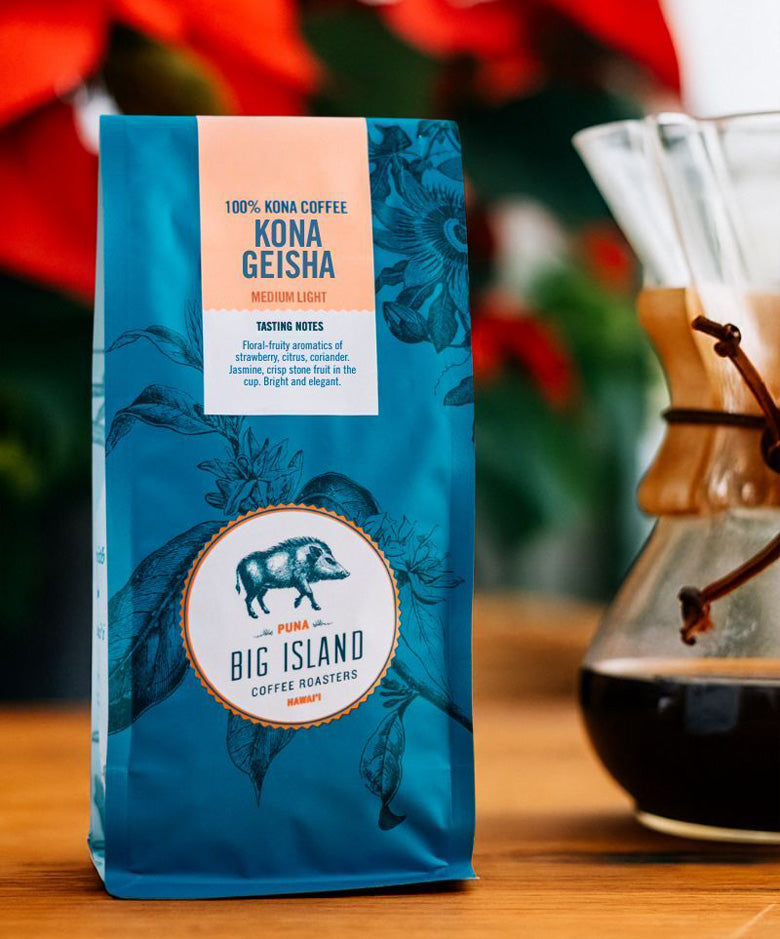
Geisha coffee (often spelled Gesha) is a distinct Arabica variety first documented in Ethiopia’s Gesha forest. It became famous in Panama for its delicate flavor, jasmine-like aroma, and bright, tea-like body. When people ask what is Geisha coffee, the short answer is a rare, high-scoring variety that shows intense florals and sweet citrus.
The name has nothing to do with Japanese culture. It comes from the Gesha region in Ethiopia. Over time, the spelling “Geisha” stuck in Panama and in specialty coffee circles. If you’re wondering what is Geisha coffee at its best, think of a clean, fragrant cup with notes of jasmine, bergamot, peach, and honey.
History and Origin: From Gesha, Ethiopia to Panama Fame
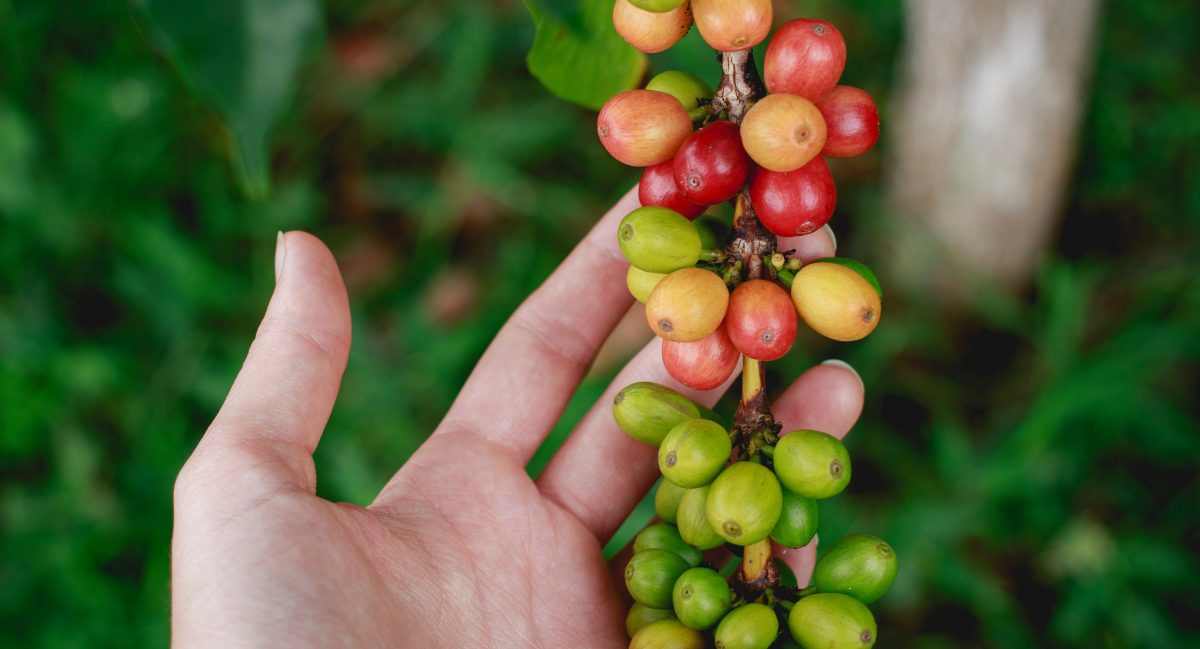
In the 1930s–1950s, explorers and agronomists collected coffee plants from Ethiopia, including seeds from the Gesha area. The variety spread to research stations and later to Central America. It did not shine until farmers in Panama planted it at high elevations with careful processing.
In 2004, a Panama farm shocked judges with a Geisha lot at a national competition. That win sparked global demand. Since then, what is Geisha coffee has been tied to Panama’s Boquete and Volcán regions, where high altitude and cool nights make its floral traits bloom.

Why Geisha Coffee Is So Expensive
If you’re asking what is Geisha coffee and why it costs so much, here’s why:
- Low yield per tree. Geisha often produces fewer cherries than common varieties.
- Demanding growing conditions. It thrives at high altitude with careful shade and soil care.
- Hand-sorted processing. Top lots need skilled picking and meticulous drying.
- Scarcity and demand. Small lots sell fast, and auctions push prices higher.
- Proven cup quality. Many Geisha lots score 90+ with certified judges.
Some Panama Geisha lots have sold for over $1,000 per pound at auction. Most retail bags are far cheaper, but still premium. The price reflects craft, risk, and rare flavor, not just hype.

Flavor Profile and Aroma
What is Geisha coffee in the cup? Think perfume-like aroma, bright acidity, and a silky feel:
- Aroma: jasmine, orange blossom, bergamot, lemongrass
- Fruit: peach, apricot, mango, mandarin
- Sweetness: honey, raw sugar, floral honey
- Body: light to medium, tea-like
- Finish: long, clean, sometimes spicy or herbal
Washed Geisha is airy and floral. Natural or anaerobic Geisha can show ripe fruit, tropical notes, and a creamy body. Many lots score 88–92 with the Specialty Coffee Association standards when grown and processed well.

How Terroir and Processing Shape Geisha
Soil, altitude, and climate all steer the outcome. To fully answer what is Geisha coffee, you need terroir:
- Altitude: 1,600–2,000+ meters helps lock in florals and acidity.
- Climate: Cool nights slow cherry ripening and deepen sweetness.
- Soil: Volcanic soils add structure and minerality.
Processing methods change flavor too:
- Washed: ultra-clean florals, bright citrus, tea-like finish.
- Honey: more fruit sweetness and a rounder body.
- Natural: bold tropical fruit, berry sweetness, heavier mouthfeel.
- Anaerobic: intense aromatics, sparkling acidity, unique spice.

How to Brew Geisha Coffee at Home
I often get asked what is Geisha coffee’s best brew method. For most people, a gentle pour-over is perfect. Here is a simple plan:
- Use fresh, light roast beans. Rest them 7–14 days after roast.
- Grind medium-fine, like coarse table salt.
- Ratio: 1:16 (for example, 18 g coffee to 288 g water).
- Water: 200–205°F, clean and low in minerals.
- Bloom: 30–40 seconds with twice the dose in water.
- Total brew: 2:45–3:15 for a V60 or Kalita Wave.
Tips I use in training:
- If the cup is thin, grind a touch finer or lower water temp slightly.
- If bitter, coarsen the grind or reduce contact time.
- For AeroPress, use a bypass method to keep clarity.
Buying Guide: How to Choose Authentic Geisha Coffee
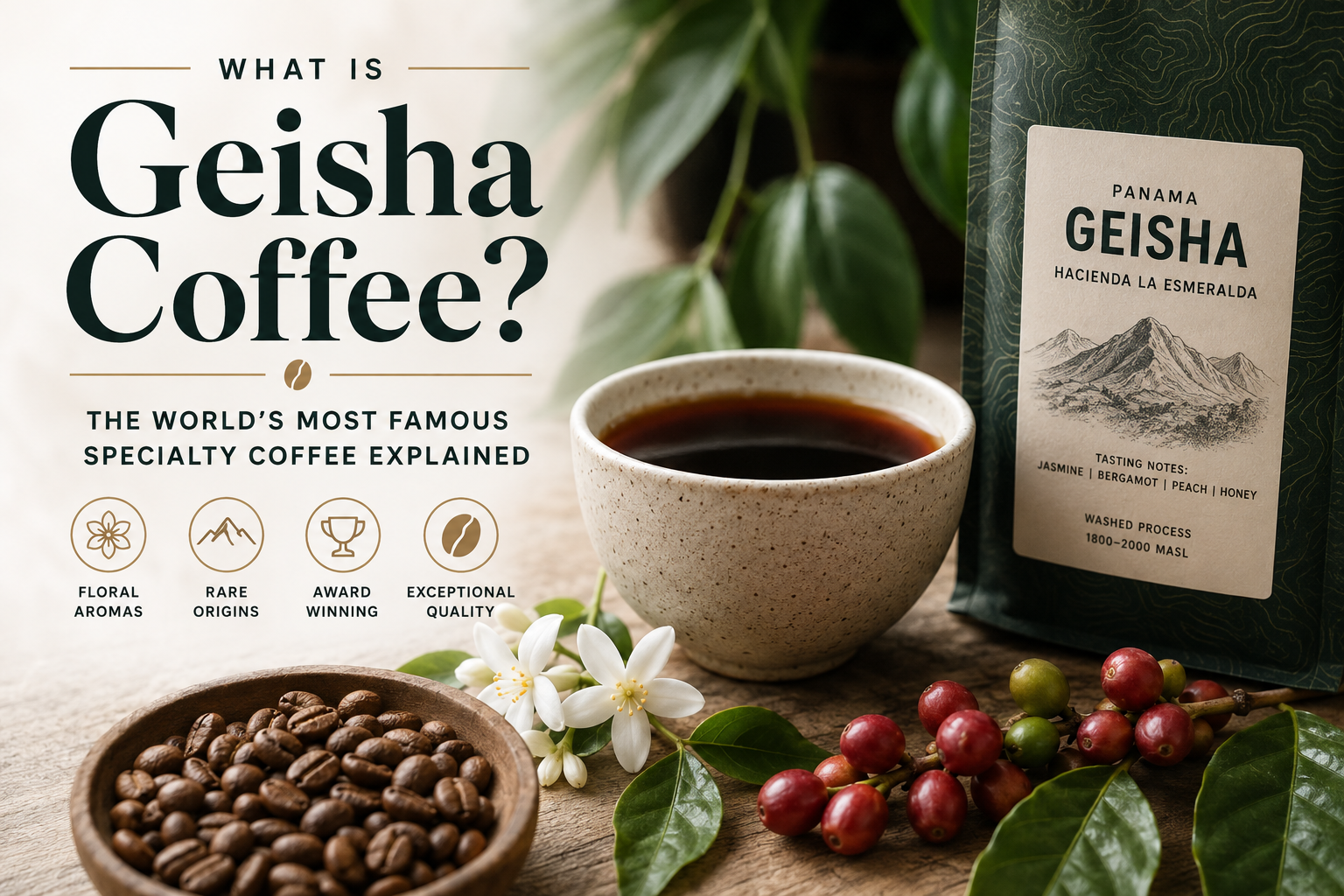
What is Geisha coffee worth buying? Look for clear, honest details:
- Varietal listed as Geisha/Gesha on the bag.
- Farm, region, altitude, and process named.
- Fresh roast date and suggested brew method.
- Roast level: light to light-medium preserves florals.
- Sample sizes available for testing before a big buy.
Where to buy:
- Reputable specialty roasters who share farm info.
- Auction or micro-lot releases with full traceability.
- Subscription services that feature single-origin Geisha.
Red flags:
- Vague origin claims.
- “Geisha blend” with no varietal details.
- Very dark roasts that hide aromatics.
My Experience Tasting and Brewing Geisha
The first time I brewed a top Panama Geisha at a cupping, the room smelled like a flower shop. I used a 1:16 ratio on a Kalita Wave and water at 203°F. The cup was pure jasmine and peach with a sweet, clean finish. It felt more like fine tea than coffee.
I’ve also made mistakes. I once ground too fine and pushed the brew to four minutes. The cup lost lift and tasted bitter. Lesson learned: keep the drawdown smooth and avoid choking the bed. Another tip from my sessions: a gentle kettle pour preserves the aroma, while a hard pour can mute the florals.
Common Myths and Misconceptions
- Geisha is from Japan. False. The name comes from Ethiopia’s Gesha region.
- All Geisha tastes the same. Not true. Farm, altitude, and process shift the cup a lot.
- Geisha must be super light and sour. No. A good roaster balances sweetness and acidity.
- Only Panama makes real Geisha. Panama made it famous, but great Geisha also grows in Ethiopia, Colombia, Costa Rica, and beyond.
Sustainability and Ethics
If we ask what is Geisha coffee beyond flavor, we must talk impact. High prices can help farmers invest in wages, training, and better processing. Transparent trade and long-term partnerships matter more than buzz.
Look for:
- Farm profiles that show people and practices.
- Certifications or audits where useful, but also direct trade notes.
- Biodiversity, shade cover, and water care.
- Climate resilience, since high-altitude farms face shifting weather.
When roasters share data on lot size, processing, and payments, trust grows. That is good for farmers, roasters, and you.
Frequently Asked Questions of What Is Geisha Coffee
Is it Geisha or Gesha, and which is correct?
Both are used. Gesha refers to the Ethiopian origin, while Geisha became the common trade spelling in Panama and beyond.
Why does Geisha coffee taste like tea?
Geisha has high aromatic compounds and a light body. That mix can feel like fine oolong or jasmine tea with bright acidity.
Is Geisha coffee worth the price?
If you love complex, floral cups, yes. Buy a small bag first to see if the profile fits your taste before investing more.
How should I store Geisha coffee?
Keep whole beans in a sealed bag or canister in a cool, dry place. Avoid the fridge, and use within 3–4 weeks of roast for peak aroma.
Can espresso work with Geisha?
Yes, but it’s tricky. Use a lower yield, higher temperature, and a gentle pre-infusion to draw out florals without harshness.
What grind size is best for Geisha pour-over?
Start at medium-fine. If the brew runs too fast or tastes thin, go a bit finer; if bitter or slow, go coarser.
Does Geisha always score 90+?
No. Many lots are excellent, but quality varies by farm, process, and roast. Read tasting notes and buyer reviews.
Conclusion
What is Geisha coffee? It is a rare Arabica variety that shines with perfume-like florals, sweet citrus, and a tea-like finish. It costs more because it needs care, ideal terroir, and patient processing. With the right roast and a calm pour-over, you can taste why it changed specialty coffee.
If you are curious, start with a 100–150 gram bag from a trusted roaster and brew it at 1:16. Share your results, ask questions, and keep learning. Ready to explore more guides like this? Subscribe, leave a comment with your brew recipe, and let’s keep your next cup blooming.