A water filter vacuum cleaner traps dust in water for cleaner, fresher air.
I have tested these machines in homes with pets, kids, and allergies. In this guide, I break down how a water filter vacuum cleaner works, what to expect day to day, and how to pick the right model. You will get clear steps, honest pros and cons, and expert tips so you can decide with confidence.

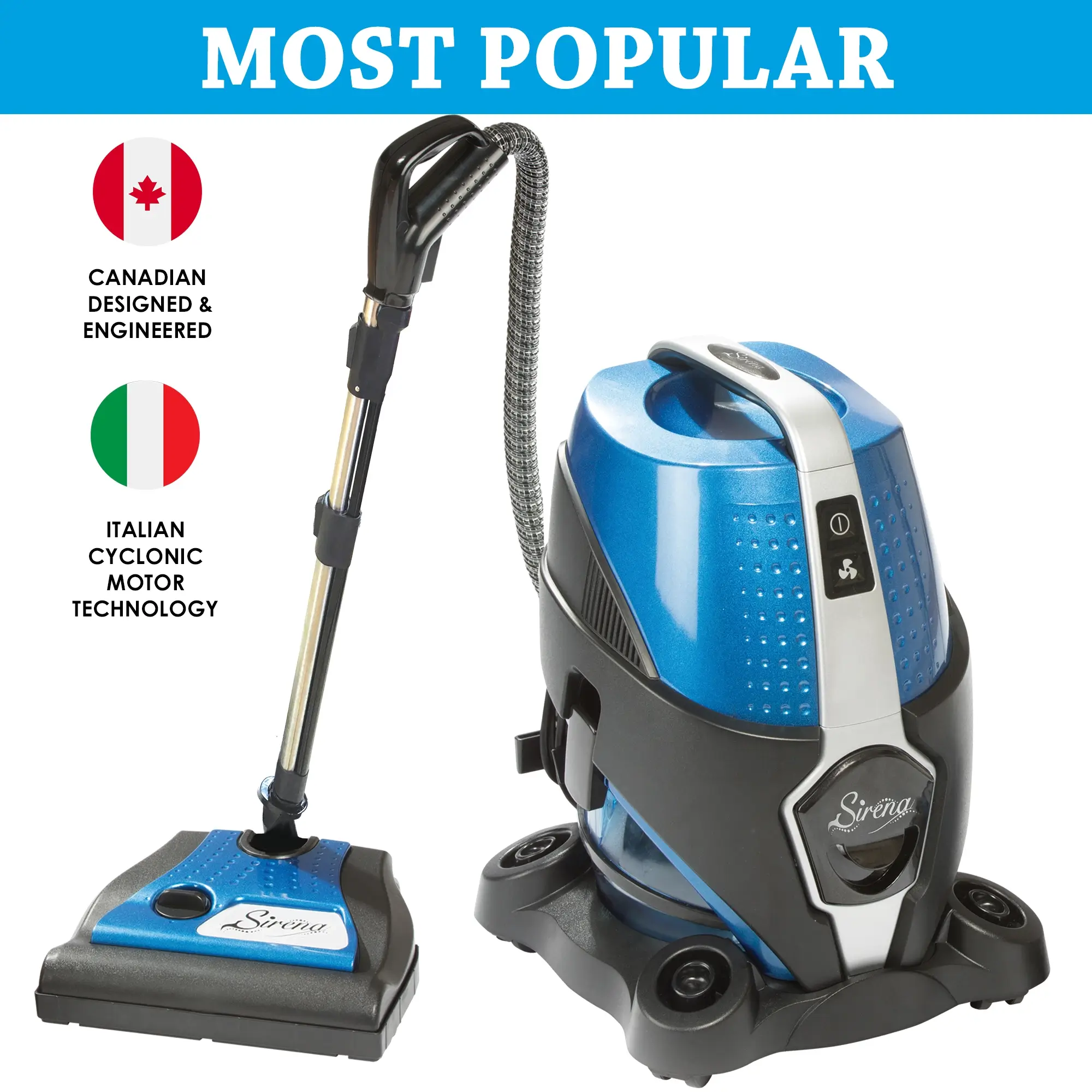
What Is a Water Filter Vacuum Cleaner and How It Works
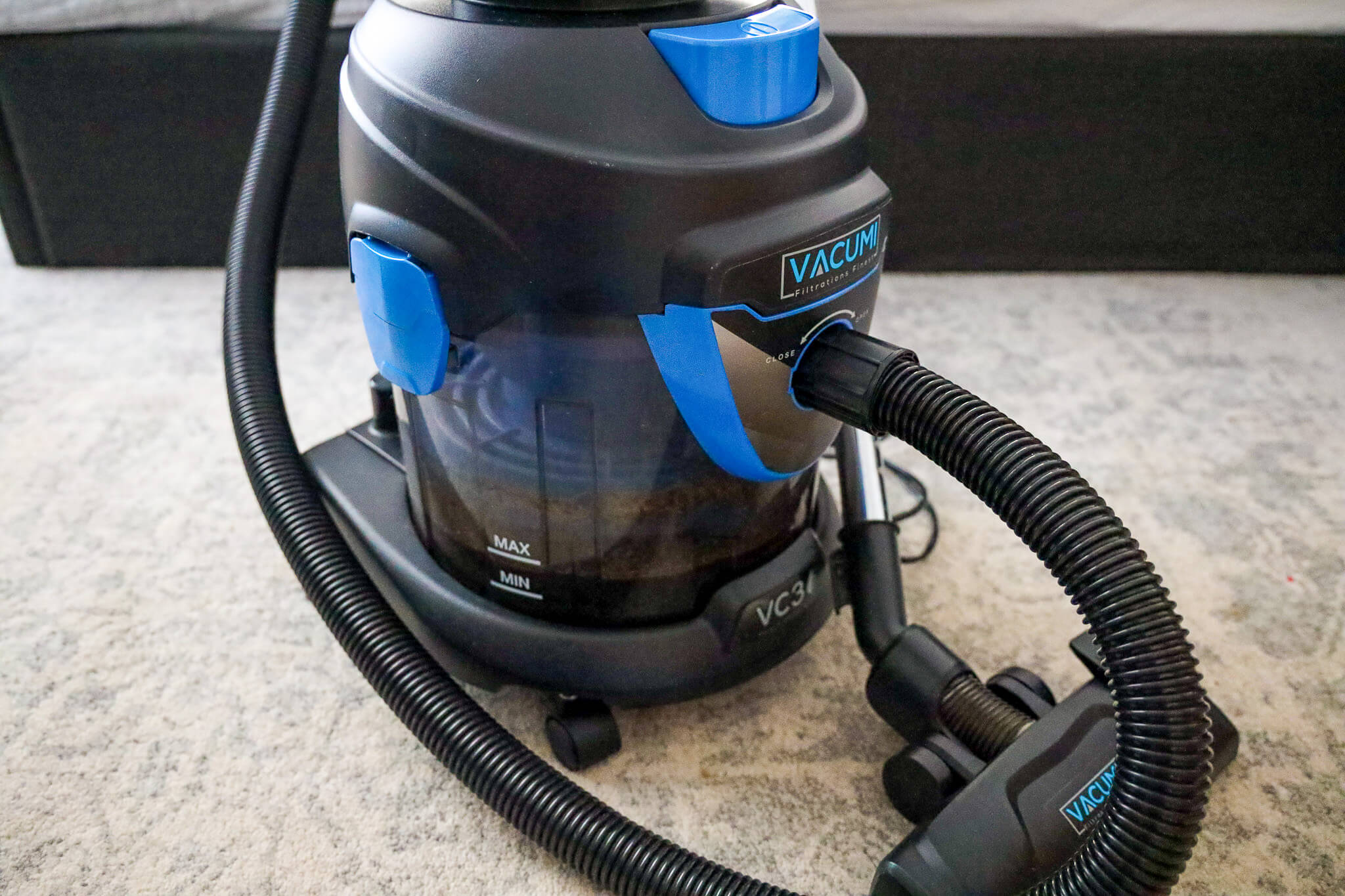
A water filter vacuum cleaner uses water as the main dust trap. Air with dirt and hair gets pulled through a water bath. The water captures heavy dust, pet hair, and many allergens. A separator or turbine whips the air and water to boost contact. Many units add a final filter, often HEPA, to catch the finest particles before air goes back to the room.
Key parts you will see:
- Water tank to hold a set level of water
- Separator to mix air and water
- Float valve to stop water from climbing into the motor
- Post-motor filter, often HEPA, for very fine dust
- Tools for floors, crevices, and upholstery
In plain terms, the machine “washes” the air as it vacuums. This cuts dust blowback and that musty smell bagged vacuums can have. A water filter vacuum cleaner can often pick up both dry dirt and wet spills, which adds flexibility.
Benefits You Can Expect
A water filter vacuum cleaner offers clear wins when used right.
- Less dust cloud when you empty it because dirt stays in water
- Fresher smell since grime and odor molecules mix into the water
- Good pickup of pet hair and heavier debris on carpets and hard floors
- Helpful for allergies when paired with a sealed body and HEPA filter
- Works for wet pickups like drink spills and pet accidents
- No bags to buy, so less waste and lower ongoing cost
From my tests, rooms feel less stuffy right after a clean. If you have pets, the hair “soups” into the tank instead of clinging to a bin or bag.
Limitations and Trade-Offs
No tool is perfect. A water filter vacuum cleaner has a few hassles.
- Heavier than many stick or bagless vacuums once filled with water
- Setup and cleanup take time because you must fill and empty the tank
- If you leave dirty water, it can smell or grow mildew
- Not ideal for fine ash, cement, or drywall dust without a proper HEPA stage
- Foam can overflow if you suck up soap or fabric softener
- More parts to clean and dry after each run
If speed and grab-and-go ease matter most, you may prefer a light cordless. But for deep weekly cleans, water units shine.

Water vs HEPA vs Bagless vs Shop Vacs
Choosing between options depends on your home and habits.
-
Water filter vacuum cleaner
Great air wash effect and low dust blowback. Best when you will empty and rinse after each use. Look for a sealed design and a HEPA post filter. -
Traditional HEPA bagged
Very high filtration, easy to store, low odor if you change bags on time. You do buy bags and filters. -
Cyclonic bagless
Good suction and easy to see when the bin is full. Can release dust when you empty into the trash. -
Wet/dry shop vac
Rugged and cheap for garages and workshops. Louder, less refined filters for fine indoor dust.
For very fine allergens like smoke or wildfire ash, a sealed HEPA stage is key, no matter which style you pick. Many water models include HEPA H13 or similar to catch tiny particles that water alone might miss.

Key Features To Look For
When you choose a water filter vacuum cleaner, check these points.
- Sealed system with a HEPA post-motor filter
- Strong airflow and suction, usually shown as CFM and kPa
- A smart separator design that reduces foam and splashes
- Tank size that fits your home, often 1 to 2 liters of water use
- Tools for your floors and needs, like a turbo brush for pet hair
- Noise level that suits your space
- Quality wheels and hose for smooth glide and tight turns
- Easy-to-remove tank and smooth surfaces for quick rinsing
- A clear warranty and parts support
I also like a fill line that is easy to see and a gasketed lid. These small things matter every week.

Setup, Use, and Maintenance
A water filter vacuum cleaner is simple once you build a routine.
- Fill to the mark with cool tap water
- Add a drop of defoamer if your home has lots of soap residue
- Lock the lid, check the float valve, and seat the separator
- Start on low and step up power as needed
- Keep the floor tool flat for best seal and pickup
- Empty the tank after each use, even short runs
- Rinse the tank and parts, then dry them with the lid off
- Wash the HEPA filter as the maker suggests, or replace on time
- Store the unit dry, with the tank slightly open
If you vacuum fabric softener from laundry rooms or shampoo from rugs, foam may rise fast. Use defoamer or stop and rinse mid-clean.

Real-World Tests and Hands-On Tips
I use a water filter vacuum cleaner in pet homes a lot. On carpets with long dog hair, water capture stops the usual hair cloud when you empty a dry bin. On tile with litter dust, the air smells cleaner because odor mixes into the water.
Practical lessons learned:
- Keep a small bucket nearby to dump dirty water right away
- For smelly tanks, add a splash of white vinegar to the rinse water
- Avoid hot ash, drywall, or cement dust unless your unit has a rated HEPA stage
- For rugs, slow passes beat high speed; water needs time to trap dust
- If foam builds, pause, add defoamer, or swap for fresh water
Mistakes to avoid:
- Do not store with water inside
- Do not tilt a full tank when moving between rooms
- Do not overfill past the line

Cost of Ownership and Sustainability
The upfront cost of a water filter vacuum cleaner can be higher than a basic bagless. Day to day, you avoid bag costs. You use a bit of water each session, usually less than a sink fill. Filters still need care or replacement over time.
From a waste view, less bag use is a plus. The trade is time and water to rinse the tank. If you are careful to dump dirty water into a toilet or utility sink and rinse fast, the footprint is small. A well-made machine can last many years with simple care.
Who Should Buy A Water Filter Vacuum Cleaner
A water filter vacuum cleaner is a great fit if you:
- Have pets, allergies, or odor issues
- Want wet pickup along with dry cleaning
- Prefer less dust cloud during emptying
- Do weekly deep cleans and can rinse the tank each time
You may skip it if you:
- Need quick daily touch-ups with no cleanup
- Have stairs and want a very light unit
- Live in a tiny space with little storage
- Often pick up fine ash or drywall dust without HEPA
Safety and Troubleshooting
Stay safe and keep performance high with these tips.
- Use a GFCI outlet for wet pickup areas
- Never suck hot ash, oils, or solvents
- Watch the water level and foam; overflow can harm the motor
- If suction drops, check for clogs in the hose or a stuck float
- If odors linger, deep clean the tank, lid, and separator, then air dry
- Replace seals and filters as the maker guides
A steady routine solves most issues. If the unit leaks, check gaskets for wear and seat the lid evenly.
Frequently Asked Questions
Is a water filter vacuum cleaner good for allergies?
Yes, when it has a sealed body and a HEPA post filter. Water traps heavy dust while HEPA catches the tiny stuff.
Can I use it to pick up wet spills?
Most models can handle wet messes. Check your manual and empty, rinse, and dry the tank right after.
Does water alone replace a HEPA filter?
Water helps a lot, but not for the finest particles. A HEPA post filter adds that last layer of protection.
How often should I change the water?
Empty and refill after each session. For big jobs or foam buildup, change water mid-clean.
Will it work on hardwood and carpets?
Yes, with the right tools. Use a soft brush for hard floors and a motorized or turbo head for carpets.
Do these vacuums smell over time?
They should not if you rinse and dry the tank after each use. For extra freshness, clean gaskets and the separator weekly.
Are they louder than regular vacuums?
Noise varies by model. Many are similar to canister vacuums, but shop-style units can be louder.
Conclusion
A water filter vacuum cleaner can leave rooms looking clean and smelling fresh. It traps dirt in water, cuts dust blowback, and adds wet pickup when you need it. The trade is simple care: fill, rinse, and dry after each run.
If you want deep weekly cleans, have pets, or fight odors, this tool is worth a look. Start by listing your floors, allergy needs, and storage space. Then match features to your life and try a demo if you can.
Ready to take the next step? Explore models with sealed HEPA systems, compare tools, and bookmark this guide. Have a question or a tip of your own? Drop a comment and join the chat.